

Premises Liability Lawyer
Injured on Someone Else's Property? We Can Help.
If you were hurt because a property owner failed to keep their premises safe, you may have a claim. Slam Dunk Attorney represents injured people across Georgia.
By Peter F. Jaraysi · Published September 20, 2026
Premises Liability Lawyer in Georgia: Injured on Someone Else’s Property
When you’re hurt on someone else’s property—a store, apartment, restaurant, or public space—the property owner may be legally responsible for your injuries under Georgia premises liability law. Premises liability is the legal duty a property owner or occupant has to maintain a safe environment and warn visitors of known dangers. If they fail to do so and you’re injured, you may have a claim for damages.
Understanding your rights is the first step toward recovery. This guide explains what premises liability is, when property owners are responsible under Georgia law, common injury scenarios, and why having an experienced attorney matters.
If you've been hurt on someone else's property—whether a store, apartment, or public space—you may have a claim, and people in your situation reach out to us regularly. Talk it through with our team — the first consultation is free, confidential, and carries no obligation.
What Is Premises Liability?
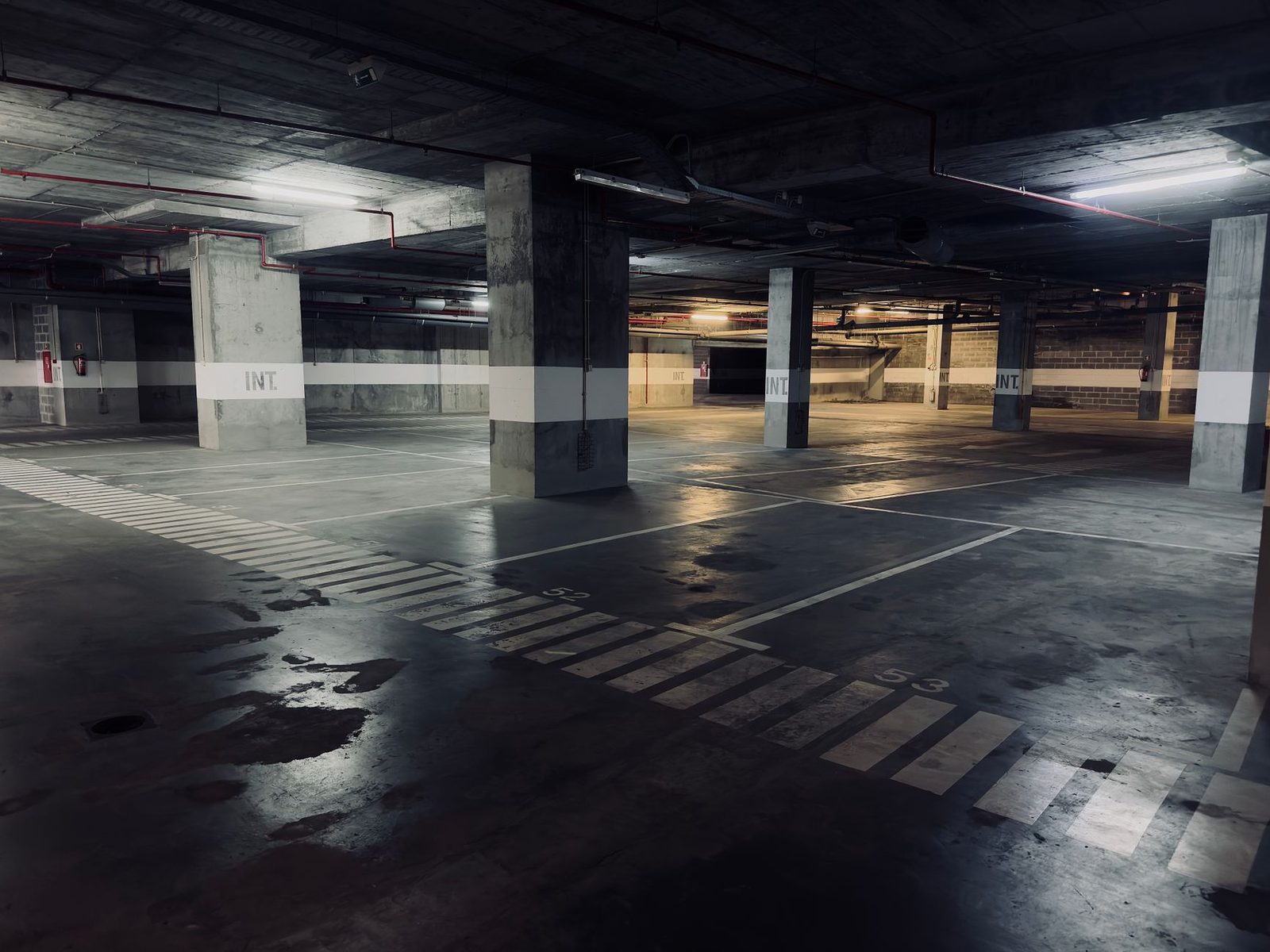
Premises liability is a property owner’s legal obligation to keep their property reasonably safe and to warn visitors of known hazards or dangerous conditions. The duty applies to commercial properties, residential rentals, public spaces, and private property alike. It covers injuries from hazardous conditions, negligent maintenance, inadequate security, and failure to warn of dangers.
Premises liability is distinct from other personal injury claims. Unlike a car accident or dog bite—which have their own legal rules—premises liability focuses on the condition of the property itself and the owner’s duty to maintain it safely. If you slip on a wet floor in a grocery store, trip over a broken stair in an apartment building, or are injured due to poor security, you may have a premises liability claim.
When Is a Property Owner Liable in Georgia?
Georgia law imposes a duty of care on property owners based on your status as a visitor: invitees, licensees, or trespassers.
Invitees (customers, business guests, or people invited to the property for the owner’s benefit) are owed the highest duty of care. Property owners must exercise reasonable care to maintain safe premises, inspect for hazards, and warn of known dangers.
Licensees (social guests, permitted visitors, or people on the property with the owner’s permission but not for business) are owed a moderate duty. The owner must warn of known hazards but isn’t required to inspect as thoroughly as for invitees.
Trespassers (people on the property without permission) are owed a limited duty. However, property owners cannot intentionally harm trespassers, and they owe a higher duty to child trespassers on “attractive nuisances” (like unfenced pools or abandoned buildings).
In all cases, property owners must exercise reasonable care to maintain safe premises and inspect for hazards. Failure to repair, warn, or address known dangerous conditions within a reasonable time can establish liability. The key question is: did the owner know (or should they have known) about the hazard, and did they fail to fix it or warn about it?
Common Premises Liability Scenarios in Georgia
Premises liability injuries happen in many settings across Georgia:
- Slip and fall accidents in stores, restaurants, offices, and public spaces due to wet floors, spilled liquids, or poor maintenance
- Trip and fall injuries from uneven floors, broken stairs, debris, or obstacles left in walkways
- Stairway and escalator accidents caused by poor maintenance, missing handrails, or design defects
- Swimming pool injuries from inadequate supervision, broken equipment, or unsafe water conditions
- Apartment and rental property injuries from negligent maintenance, broken locks, or security failures
- Retail store injuries from falling objects, poor lighting, or cluttered or blocked aisles
- Negligent security leading to assault, robbery, or other crimes on the property
- Weather-related injuries from ice, rain, or snow on walkways and parking lots that weren’t cleared or salted
Each scenario has its own facts and legal considerations, but the core principle is the same: the property owner had a duty to keep you safe, and they failed to do so.
Proving Premises Liability: What You Need
To succeed in a premises liability claim, you must establish four key elements:
-
The property owner owed you a duty of care. This depends on your status as an invitee, licensee, or trespasser.
-
The owner knew (or should have known) of the dangerous condition. This can be shown through direct evidence (the owner saw the hazard) or circumstantial evidence (the condition existed long enough that a reasonable inspection would have found it).
-
The owner failed to repair, warn, or address the hazard within a reasonable time. Knowing about a danger isn’t enough; the owner must take reasonable steps to fix it or warn visitors.
-
The dangerous condition directly caused your injury. Your injury must be a direct result of the hazard, not something unrelated.
You’ll also need to document your damages: medical bills, lost wages, pain and suffering, and ongoing or future care costs.
Evidence is critical. Gather photos of the hazardous condition, surveillance video from the property, witness statements, incident reports filed with the business, and your complete medical records. If you’re injured in a store or building, ask for a copy of the incident report immediately. Surveillance video is especially important—and it may be deleted within days, so act quickly.
Georgia’s Comparative Fault Rule
Georgia follows a comparative negligence rule: you can recover damages even if you were partially at fault for your injury. However, your recovery is reduced by your percentage of fault. If you’re found to be more than 50% at fault, you cannot recover under Georgia law.
For example, if you slip on a wet floor in a store but you were also wearing inappropriate footwear, a court might find you 20% at fault and the store 80% at fault. You’d recover 80% of your damages.
Property owners and their insurers often argue that you were careless—that you weren’t watching where you were going, or you should have noticed the hazard. An experienced attorney helps counter these arguments and protects your claim from unfair reduction.
Not sure what your next step is?
Talk it through with our team — the first consultation is free, confidential, and carries no obligation.
Special Circumstances: Government Property and Immunity
If you’re injured on government property (a city park, county building, or state facility), different rules apply. Government entities have limited immunity from premises liability claims. This means you must follow stricter notice requirements and meet shorter deadlines to file your claim.
For example, you may need to file a notice of claim with the government entity within a specific timeframe—often much shorter than the deadline for private property claims. Understanding which entity owns the property is critical to your case strategy and timeline.
The Premises Liability Claims Process
A typical premises liability case follows these steps:
-
Initial consultation. You meet with an attorney to review your injury, the property, and the circumstances. The attorney assesses whether you have a viable claim.
-
Investigation. Your attorney gathers evidence: photos, surveillance video, witness information, property records, maintenance logs, and prior incident reports. This work is crucial and must happen quickly, especially for video evidence.
-
Demand letter. Your attorney presents your claim and damages to the property owner’s insurance company, demanding fair compensation.
-
Negotiation. Your attorney works with the insurance company to reach a settlement. Many cases resolve at this stage.
-
Litigation. If settlement talks stall, your attorney files a lawsuit, conducts discovery, and prepares for trial if necessary.
The timeline varies based on case complexity, injury severity, and how cooperative the insurance company is. Some cases settle within months; others take a year or more.
Why You Need a Premises Liability Lawyer
Insurance companies are motivated to minimize payouts. They’ll dispute liability, question the severity of your injury, or argue that you were careless. Property owners and their insurers have legal teams; you need experienced representation to level the playing field.
An experienced premises liability attorney knows Georgia law, local court procedures, and realistic settlement values for injuries like yours. They understand how to preserve evidence—especially surveillance video, which can disappear—and they know how to calculate damages properly, including medical causation and future care costs.
Negotiation and litigation require skill and resources most injured people don’t have. Insurance adjusters are trained negotiators. An attorney who regularly handles premises liability cases knows their tactics and how to counter them.
Slam Dunk Attorney: Your Premises Liability Partner in Georgia
Based in Duluth, Georgia, Slam Dunk Attorney serves injured people across metro Atlanta and throughout Georgia. We handle premises liability cases of all kinds: slip and fall, trip and fall, pool accidents, negligent security, and more.
Our approach is transparent. We explain your rights in plain language, give you an honest assessment of your case, and keep you informed every step of the way. We investigate thoroughly from day one, gathering evidence and building a strong case. We’re skilled negotiators who stand up to insurance companies on your behalf. And if a fair settlement isn’t possible, we’re ready to litigate.
We understand that being injured on someone else’s property is frustrating and stressful. You shouldn’t have to navigate the legal system alone.
Frequently Asked Questions
How long do I have to file a premises liability claim in Georgia?
Georgia’s statute of limitations for premises liability is generally two years from the date of injury, but government property claims have shorter deadlines, so don’t delay.
What if I was partially at fault for my slip and fall?
Georgia’s modified comparative fault rule allows you to recover even if you were partially at fault, as long as you’re less than 50% responsible, though your damages are reduced by your percentage of fault.
What damages can I recover?
You can recover medical bills, lost wages, pain and suffering, and costs for ongoing or future care related to your injury.
Do I need a lawyer for a premises liability claim?
While you’re not required to hire an attorney, insurance companies are more likely to offer fair settlements when you have legal representation, and an attorney protects your rights and maximizes your recovery.
How much is my case worth?
The value depends on your injuries, medical expenses, lost income, and the strength of the evidence. An attorney can give you a realistic estimate after reviewing your case.
If you’ve been hurt on someone else’s property in Georgia—a retail store, apartment, restaurant, pool, or any other location—you may have a legal claim. The property owner’s insurance company will have lawyers working to minimize your payout. People injured in these situations reach out to us regularly to understand their rights and get the representation they deserve. Contact Slam Dunk Attorney for a free consultation to discuss what happened and what your case may be worth.
Why Choose Slam Dunk Attorney for Your Premises Liability Case
Focused on Premises Liability
We focus exclusively on slip and fall, dog bites, negligent security, nursing home abuse, and other property-related injuries across Georgia.
Serving Metro Atlanta and Beyond
Based in Duluth, we represent injured people throughout Georgia, including Atlanta, Lawrenceville, Johns Creek, Alpharetta, Marietta, and surrounding areas.
Transparent, Empathetic Representation
We explain your rights and options in plain language, and we're committed to pursuing fair compensation for your injuries and losses.
Act Quickly—Deadlines Matter
Time limits apply to premises liability claims. We'll help you understand what you need to do and when.
Types of Premises Liability Claims We Handle
Slip and Fall Injuries
Wet floors, broken stairs, poor lighting, or neglected hazards can cause serious injuries. Property owners have a duty to maintain safe conditions.
Dog Bite and Animal Injuries
If you were bitten or attacked on someone's property, the owner may be liable for your medical costs and other damages.
Negligent Security
Inadequate security, broken locks, or failure to warn of known dangers can lead to assault, theft, or other harm. Owners may be responsible.
Nursing Home Abuse and Neglect
Residents deserve safe, dignified care. We represent families harmed by abuse, neglect, or inadequate supervision in long-term care facilities.
Don't Wait—Time Limits Apply
Georgia law sets strict deadlines for filing premises liability claims. Claims against government property have even shorter windows. The sooner you contact us, the sooner we can protect your rights and begin investigating your case.
Common Questions About Premises Liability in Georgia
How long do I have to file a claim?
Georgia's statute of limitations for premises liability is generally two years from the date of injury. Claims involving government property have shorter deadlines. Contact us immediately to ensure you don't miss critical filing windows.
What if I was partially at fault?
Georgia's comparative negligence rule may allow you to recover even if you were partly responsible for your injury. The amount you receive may be reduced by your percentage of fault. We'll evaluate the full circumstances of your case.
What do I need to prove?
You generally must show that the property owner knew (or should have known) of a dangerous condition, failed to fix or warn of it, and that failure caused your injury. Evidence, witness statements, and property records help build your case.
How are premises liability cases handled?
We investigate the property, gather evidence, negotiate with insurers, and pursue litigation if necessary. Most cases are resolved through settlement, but we're prepared to take your case to trial if needed.
Ready to Discuss Your Premises Liability Claim?
Related practice areas
- Georgia Dog Bite Laws: Strict Liability & Damages