
Premises Liability
When Property Owners Are Responsible for Your Injury
Understanding negligence, duty of care, and your right to compensation in Georgia
By Peter F. Jaraysi · Published September 25, 2026
Unsafe Property Conditions: What Makes a Property Owner Liable in Georgia
An unsafe property condition is a hazard on someone else’s property that the owner knew about—or should have known about—and failed to repair, remove, or warn visitors about. Not every injury on another person’s property is that owner’s legal responsibility, but when a property owner’s negligence creates a dangerous condition, they may be liable under Georgia law.
Understanding what counts as an unsafe condition is the first step in recognizing whether your own injury might be someone else’s fault.
If you've been injured on someone else's property in Georgia and aren't sure whether the owner bears responsibility, people in your situation reach out to discuss what happened. Talk it through with our team — the first consultation is free, confidential, and carries no obligation.
What Is an Unsafe Property Condition?
An unsafe property condition exists when a property owner owes a duty of care to visitors and breaches that duty by allowing a hazard to remain unaddressed. The key distinction is between an accident and negligence—a fall is an accident; a fall caused by a broken stair the owner knew about and ignored is negligence.
Under Georgia negligence law, property owners owe a duty of care to lawful visitors on their premises. That duty includes maintaining the property in a reasonably safe condition, repairing known hazards, and warning visitors of dangers the owner is aware of. The injury itself doesn’t create liability; the owner’s failure to act responsibly does.
What matters most is whether the property owner knew or should have known about the hazard, had a reasonable opportunity to fix it, and failed to do so. Context and foreseeability (whether the owner could reasonably have predicted the danger) shape every premises liability claim.
Structural and Maintenance Hazards
Broken stairs, loose handrails, and deteriorating railings are classic structural hazards that create premises liability when an owner fails to repair them. Cracked or uneven flooring, warped walkways, and deteriorating decks or balconies pose real fall risks—especially in multi-unit buildings, commercial spaces, and older properties where deferred maintenance is common.
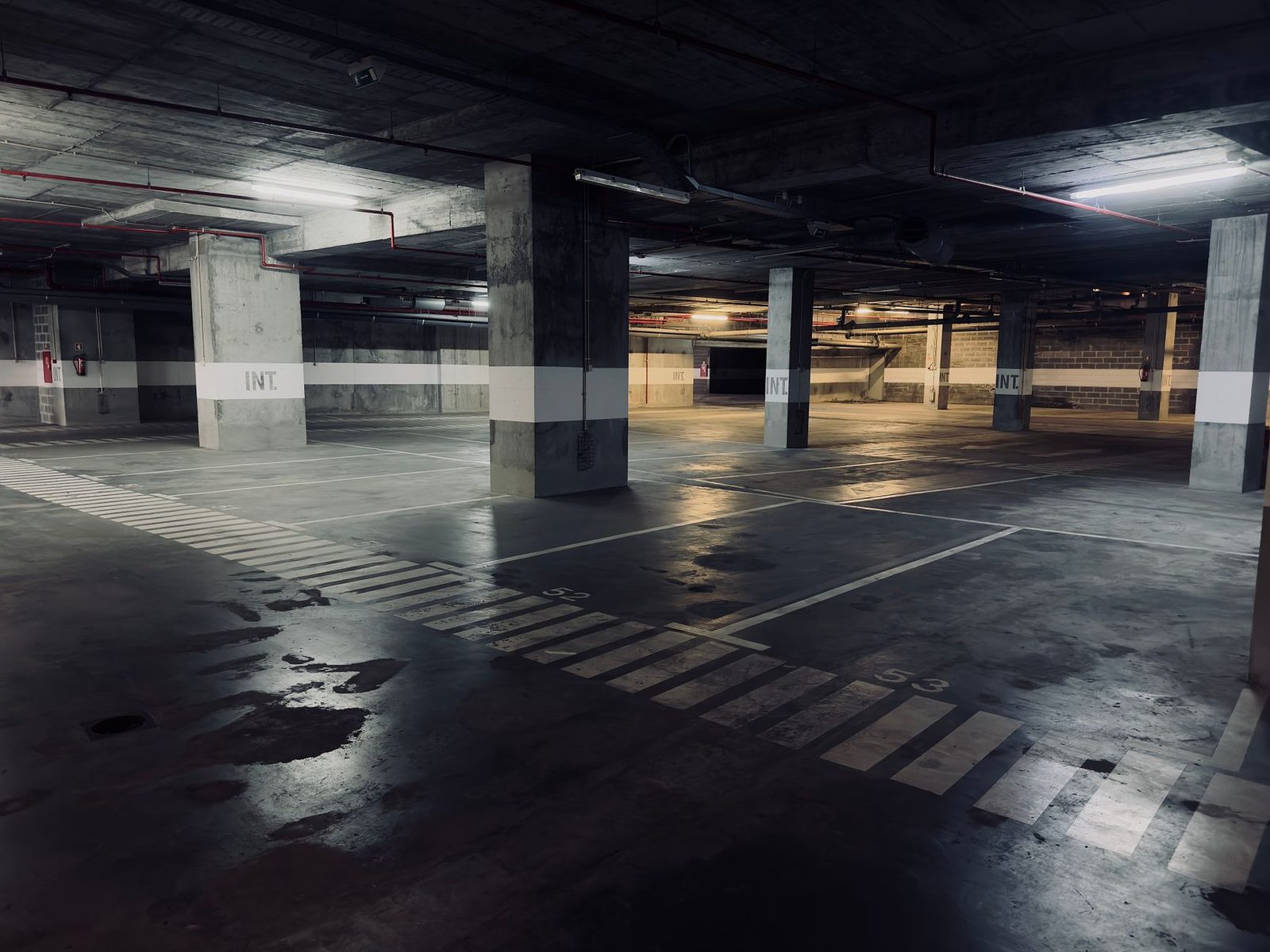
Faulty doors that don’t close properly, broken locks, and malfunctioning windows can expose visitors to injury or security risks. Poor lighting in stairwells, hallways, common areas, and parking lots increases the likelihood of falls and creates opportunities for criminal activity.
Water damage, roof leaks, and mold growth are often overlooked but serious hazards. Mold can trigger respiratory problems, and water damage weakens structural integrity. An owner who knows about these conditions but delays repair may be liable for injuries they cause.
In the premises liability cases our attorneys handle, we often see injuries trace back to maintenance problems the property owner had been aware of for weeks or months. Deferred maintenance isn’t just poor management—it’s a common source of legal liability.
Wet, Slippery, and Debris Hazards
Spilled liquids left unattended on a floor create an immediate slip hazard. Wet floors without warning signs or barriers are especially dangerous in grocery stores, restaurants, bathrooms, and commercial kitchens. The critical question is how long the hazard existed: a spill cleaned up within minutes is different from one left for hours.
Ice and snow accumulation on walkways and parking areas can create liability, though Georgia’s mild winters mean this is less common than in northern states. Debris, clutter, and obstacles blocking walkways—boxes, tools, cords, trash—are preventable hazards that create trips and falls.
Inadequate drainage causing standing water in parking lots or entryways is a maintenance failure that can injure visitors and damage property. The owner’s “reasonable time” to address these hazards depends on the specific situation: a grocery store should address a spill within minutes, while a residential landlord might have a day or two to respond to a drainage problem.
Security and Criminal Activity Hazards
Negligent security claims arise when a property owner fails to maintain adequate security despite knowing of criminal activity in or around the property. Broken locks, gates, and security systems leave premises vulnerable. Inadequate lighting in parking areas and entry points invites crime. Lack of security cameras or personnel in high-crime areas may constitute negligence if the owner was aware of prior incidents.
Unsecured access to restricted areas—a rooftop, storage room, or service area—can allow unauthorized entry leading to injury or theft. The owner’s knowledge of past crimes on the property is crucial: if there’s a documented history of break-ins, assaults, or theft, and the owner took no steps to improve security, they may be liable for injuries resulting from criminal activity.
This is distinct from general premises liability. Negligent security focuses on the owner’s failure to prevent foreseeable criminal acts, not merely to maintain the physical structure.
Animal-Related Hazards
Unsecured or aggressive dogs on a property create obvious injury risks. A dog left loose in a yard or common area, or one known to be aggressive but not properly contained, poses a bite or attack hazard. Lack of warning signs about animals on the property compounds the risk for unsuspecting visitors.
An owner’s knowledge of an animal’s dangerous propensities—prior bites, aggressive behavior, or a breed known for aggression—strengthens a liability claim. Georgia law recognizes both premises liability claims (the owner failed to secure or warn about the animal) and separate dog bite liability (the animal attacked).
Not sure what your next step is?
Talk it through with our team — the first consultation is free, confidential, and carries no obligation.
Environmental and Chemical Hazards
Exposed electrical wiring, faulty outlets, and overloaded circuits create electrocution risks. Chemical spills or improper storage of cleaning supplies, pesticides, or industrial materials can poison or burn. Asbestos, lead paint, and other toxic materials in older buildings pose serious long-term health risks.
Carbon monoxide leaks from faulty heating systems or gas appliances are silent killers. Pest infestations—rodents, insects, or bedbugs—create health hazards and are often a sign of inadequate maintenance. All of these are environmental hazards that a property owner should identify and remediate.
Nursing Home and Residential Care Hazards
Nursing homes and assisted-living facilities have heightened duties under federal standards. Federal nursing home quality standards enforced by the Centers for Medicare & Medicaid Services (CMS) establish baseline requirements for supervision, staffing, sanitation, medication management, and fall prevention.
Inadequate supervision or understaffing increases the risk of resident falls, medication errors, and neglect. Fall hazards in rooms—unsecured furniture, poor lighting, lack of grab bars—are preventable. Medication errors or improper storage can cause serious harm. Unsanitary conditions breed infection. Lack of mobility aids or assistive devices denies residents tools they need to move safely.
Abuse or neglect by staff—physical, emotional, or financial—is a serious violation of the duty of care owed to vulnerable residents. Violations of CMS standards can support premises liability or abuse claims.
What Doesn’t Automatically Create Liability
Not every hazard creates liability. Open and obvious conditions—a clearly visible wet floor, a large pothole, a broken window—may not create liability if the visitor should have noticed and avoided it. Georgia’s “natural accumulation” rule generally protects property owners from liability for snow and ice that accumulates naturally, though this rule has limits in commercial settings.
Conditions the visitor created themselves don’t create owner liability. Hazards the visitor knew about or should have known about generally don’t either. Temporary conditions the owner was actively working to fix—a contractor on-site repairing a stair—may not create liability if the owner took reasonable precautions to warn visitors or restrict access.
Context and foreseeability matter. A hazard obvious to an adult might not be obvious to a child. A condition foreseeable in a commercial kitchen might be unforeseeable in a residential hallway.
When a Property Owner Might Be Liable
A property owner may be liable for injuries caused by unsafe property conditions when all of these elements are present:
- The owner knew or should have known about the hazard.
- The owner failed to repair, remove, or adequately warn about it.
- The visitor didn’t know about the hazard and couldn’t reasonably have discovered it.
- The hazard directly caused the injury.
- The visitor was lawfully on the property (invited guest, customer, tenant, employee, etc.).
Each element matters. Missing even one may defeat the claim. This is why documenting the condition and gathering evidence immediately after an injury is so important.
Next Steps If You’ve Been Injured on an Unsafe Property
If you’ve been injured on someone else’s property, take these steps to protect your claim:
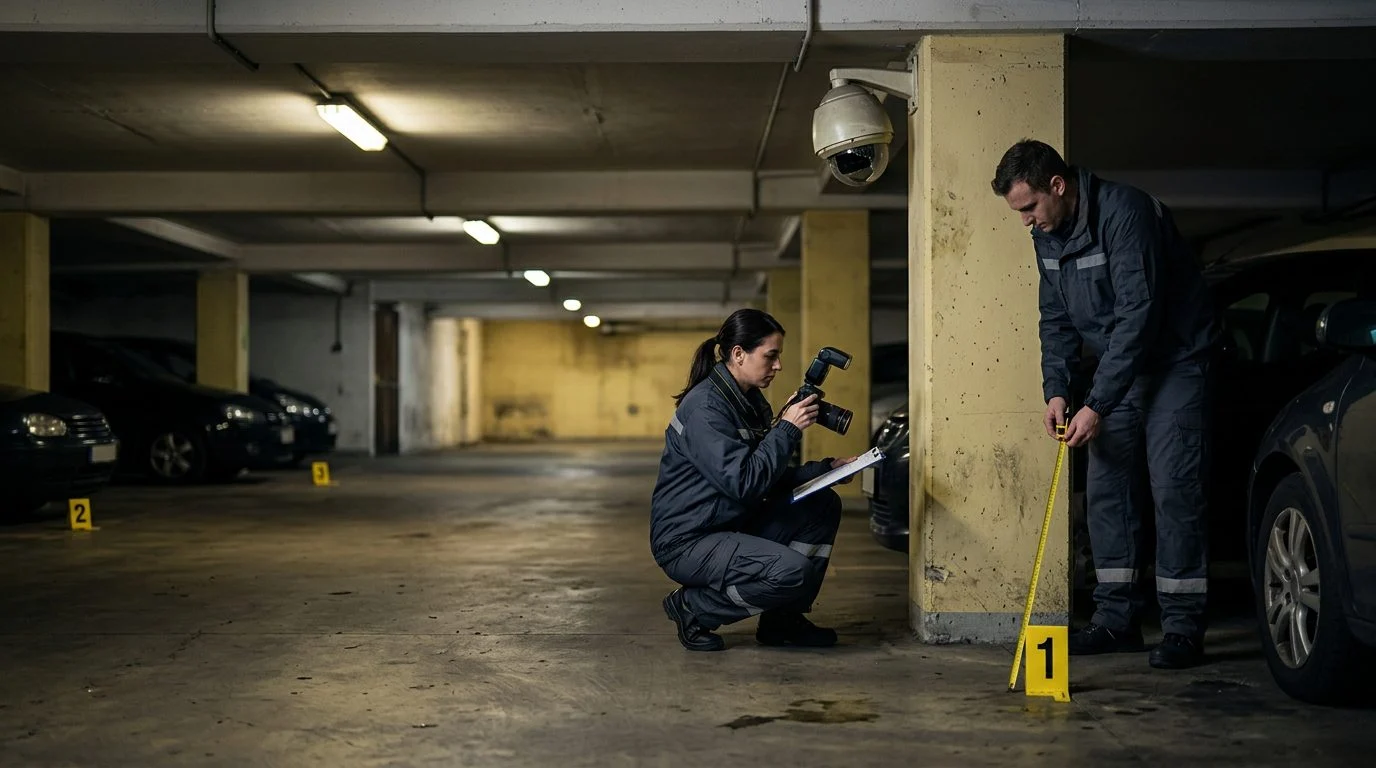
Document the condition. Take photos and video of the hazard from multiple angles. Write a detailed description of what you saw, where it was, and when you saw it. If possible, return later and document whether the condition still exists.
Gather witness information. If anyone else saw the hazard or your injury, get their names and phone numbers. Witness statements are powerful evidence.
Seek medical attention and keep records. Don’t delay treatment. Medical records document your injuries and create an official timeline.
Report the hazard to the property owner or manager in writing if possible. Email or a written letter creates a record that the owner was notified. Avoid making accusations; simply describe the condition.
Don’t assume you have no claim—or that you definitely do. Many people underestimate the strength of their case, while others overestimate it. The specifics of your situation—the property type, the hazard, the owner’s knowledge, your status as a visitor—all shape whether liability exists.
If you've been injured on someone else's property in Georgia and aren't sure whether the owner bears responsibility, people in your situation reach out to discuss what happened. Talk it through with our team — the first consultation is free, confidential, and carries no obligation.
Frequently Asked Questions
Is a property owner always liable if I’m injured on their property?
No. The owner is liable only if their negligence—not mere accident—caused your injury. You must prove they knew or should have known about the hazard and failed to address it.
What if I was partially responsible for my own injury?
Georgia recognizes comparative negligence (shared fault). Even if you were partly at fault, you may still recover damages if the property owner was also negligent—though your recovery may be reduced by your percentage of fault.
How long does a property owner have to fix a hazard before they’re liable?
There’s no fixed timeline. It depends on the hazard’s severity and the owner’s knowledge. A grocery store must address a spill quickly; a landlord might have longer for a structural repair. “Reasonable time” is judged by the circumstances.
Can I sue a property owner for an injury caused by criminal activity on their property?
Yes, if the owner knew or should have known of prior criminal activity and failed to provide adequate security. This is negligent security liability, distinct from general premises liability.
What if the hazard was “open and obvious”?
Open and obvious hazards generally don’t create liability, but this rule has exceptions—especially in commercial settings where the owner has a duty to warn or protect even against visible dangers.
If you’ve been injured on someone else’s property in Georgia and aren’t sure whether the owner bears responsibility, people in your situation reach out to discuss what happened. We’re here to help you understand whether negligence played a role and what your options may be.
Key Point: Negligence, Not Accident
A property owner is not automatically liable just because you were injured on their property. Under Georgia law, you must prove the owner knew—or reasonably should have known—about a hazardous condition and failed to fix it, warn you, or keep you safe.
What You Must Prove
The Owner Knew (or Should Have Known)
The hazard must have existed long enough that a reasonable property owner would have discovered it through inspection or maintenance.
They Failed to Act
The owner did not repair the hazard, remove it, warn visitors about it, or take other reasonable steps to prevent injury.
The Hazard Caused Your Injury
Your injury directly resulted from the unsafe condition—not from your own carelessness or an unforeseeable accident.
You Suffered Real Damages
You incurred medical bills, lost income, pain and suffering, or other measurable losses from the injury.
Common Unsafe Property Conditions
Slip and Fall Hazards
Wet floors, broken stairs, uneven pavement, or debris left unattended—especially when the owner failed to clean, repair, or post warnings.
Poor Maintenance
Rotting railings, loose handrails, crumbling steps, or structural defects that the owner knew or should have known about.
Inadequate Lighting
Dark stairwells, parking areas, or walkways where the owner failed to install or maintain working lights.
Negligent Security
Broken locks, missing security cameras, or lack of adequate security measures that allowed a criminal attack or trespasser to harm you.
Dangerous Animals
A property owner's dog or other animal that injures you—the owner may be liable under Georgia's dog bite law or premises liability.
Hazardous Substances
Toxic chemicals, mold, lead paint, or other substances left accessible or improperly stored.
Your Status on the Property Matters
Invitees (Customers, Guests)
The owner owes you the highest duty of care. They must inspect the property regularly, maintain it safely, and warn you of known hazards.
Licensees (Social Visitors)
The owner must warn you of hazards they know about, but they have a lower duty to inspect or maintain than for paying customers.
Trespassers
The owner owes minimal duty, though they cannot intentionally harm you or set traps. Your claim is much harder to prove.
Comparative Negligence in Georgia
Even if you were partly at fault for your own injury—for example, you weren't paying attention or wore unsuitable shoes—you may still recover damages under Georgia's comparative negligence rule. Your recovery is reduced by your percentage of fault, but you can still pursue a claim if the property owner was primarily responsible.
Situations Where Owners May Not Be Liable
Open and Obvious Hazards
If the danger was clearly visible and you reasonably should have avoided it, the owner may not be liable—though this is fact-specific.
Natural Conditions
Rain, snow, ice, and other natural weather events may limit liability in some cases, depending on the circumstances.
Your Own Negligence
If you caused your injury through recklessness or failure to use reasonable care, your claim may be reduced or dismissed.
Unknown Hazards
If the owner had no reasonable way to know about the hazard and no duty to inspect, liability is unlikely—but this depends on the facts.
Why You Need Legal Guidance
Premises Liability Is Complex
Georgia law distinguishes between invitees, licensees, and trespassers, and the owner's duty depends on your status. We help you understand your rights.
Evidence Matters
Proving the owner knew or should have known about the hazard requires careful investigation, maintenance records, witness statements, and expert analysis.
Time Is Limited
Georgia law sets strict deadlines for filing claims. Delay can cost you your right to recover. Early action preserves evidence and strengthens your case.
Insurance Companies Push Back
Property owners' insurers often deny or minimize claims. We handle negotiations so you don't have to face them alone.