

Dog Bite Injury
Dog Bite Settlement: What Damages You Can Recover in Georgia
Understand the compensation available to you—from medical costs to pain and suffering—and how Georgia law protects bite victims.
By Peter F. Jaraysi · Published October 01, 2026
How Much Should I Sue for a Dog Bite? Understanding Damages in Georgia
Dog bite compensation in Georgia depends on the type and severity of your injuries, your medical costs, lost income, and how the bite affects your life going forward. There’s no fixed amount—every case is different. Understanding what damages you can legally recover helps you evaluate whether a claim makes sense for your situation.
If you or a family member was bitten by a dog and you're trying to understand what a claim might be worth, our team regularly helps people in exactly this situation evaluate their options. Talk it through with our team — the first consultation is free, confidential, and carries no obligation.
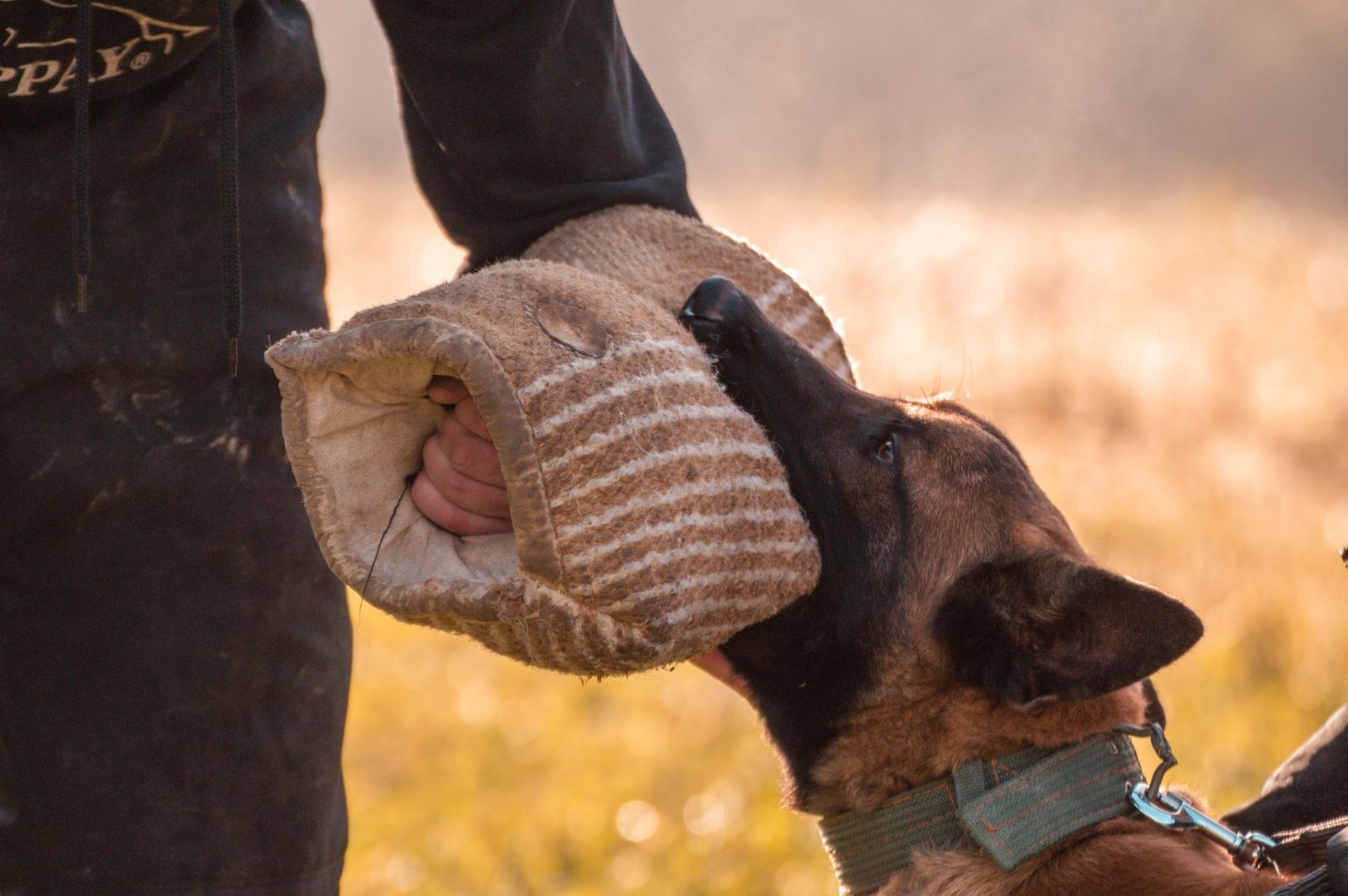
What You Can Be Compensated for After a Dog Bite
Georgia law allows you to recover two main categories of damages: economic (financial losses you can calculate) and non-economic (losses that don’t have a dollar receipt, but are real and legally valid).
Economic damages include all medical bills from the bite—emergency room visits, wound care, stitches or surgical repair, tetanus or rabies shots, antibiotics, follow-up appointments, and any reconstructive or cosmetic surgery. You can also recover lost wages if you missed work during recovery, and if scarring or permanent injury reduces your ability to earn in the future, you may claim diminished earning capacity. Property damage—torn clothing or personal items damaged in the attack—is also recoverable.
Non-economic damages compensate for pain and suffering during healing, emotional distress, fear of dogs or anxiety in public spaces, scarring and disfigurement, and the impact on your daily life and activities. For children, this includes developmental trauma and fear of outdoor play. These damages are harder to quantify than a medical bill, but Georgia law recognizes them as legitimate and recoverable.
Under Georgia negligence law, dog owners are held strictly liable for injuries their dogs cause—meaning you don’t have to prove the owner knew the dog was dangerous or failed to control it. You only have to show the dog bit you and caused your injuries.
Medical Expenses and Long-Term Care
Immediate medical costs after a dog bite can add up quickly. An emergency room visit alone may cost $1,000 to $3,000, depending on the severity of the wound. Deep bites or multiple punctures often require wound exploration, irrigation, and suturing. Rabies prophylaxis (a series of shots) costs several hundred dollars. Infection management and follow-up wound care extend the expense.
For bites on the face, neck, or hands—highly visible or functionally important areas—reconstructive or cosmetic surgery may be necessary. Facial reconstruction can cost $5,000 to $15,000 or more. Scar revision surgery, skin grafts, and other procedures to minimize permanent marks are all recoverable expenses.
Mental health treatment is also covered. Many dog bite survivors experience trauma, anxiety, or post-traumatic stress disorder (PTSD), especially after severe attacks. Therapy and counseling to address these psychological injuries are legitimate medical expenses.
Documentation is critical. Keep every medical record, hospital bill, prescription receipt, and provider note. These documents prove what you spent and what treatment you received—the foundation of your claim.
Lost Income and Diminished Earning Capacity
If your dog bite required you to miss work during recovery and medical appointments, you can recover those lost wages. Your employer can provide a statement confirming the dates you were absent and your hourly rate or salary.
If the bite left visible scarring on your face, neck, or hands, or if it caused permanent disability that affects your ability to work in your profession, you may recover for reduced future earning capacity. For example, if you work in sales or client-facing roles and facial scarring affects your confidence or professional image, or if you do physical labor and the bite caused nerve damage or reduced mobility, you can claim the difference between what you earned before and what you’re likely to earn going forward.
Self-employed individuals can claim lost business income during recovery. Tax returns and business records help establish your typical earnings.
Pain, Suffering, and the Emotional Impact
Physical pain during healing and any ongoing discomfort are compensable. So is the psychological toll: fear of dogs, anxiety in public spaces, sleep disruption, and reduced quality of life.
For children, the emotional impact can be profound. A severe bite may cause lasting fear of outdoor play, reluctance to leave home, or school performance decline. These effects on a child’s development and well-being are recognized as damages under Georgia law.
Scarring and disfigurement—permanent visible marks—affect self-image and social confidence. A bite on the face or neck is more likely to result in higher non-economic damages than a bite on the leg, both because it’s visible and because it may affect how others perceive and interact with you.
These damages are harder to quantify than a medical bill, but they’re real, and Georgia courts and juries understand their value.
How Much Is a Typical Dog Bite Settlement?
There is no single “typical” amount. Every case depends on its own facts.
A minor bite with minimal medical treatment—a few punctures that required a doctor visit and antibiotics—might settle for a few thousand dollars. A severe attack with deep lacerations, emergency surgery, significant scarring, permanent disability, or substantial lost income can result in substantially higher claims.
Factors that affect what your case might be worth include the depth and location of the bite, the number of bites, your age, whether infection or rabies exposure occurred, the extent of scarring, your lost wages, and the dog owner’s insurance coverage. Georgia law does not cap damages in dog bite cases, but recovery depends on what you can prove through medical records, documentation, and evidence of your losses.
Not sure what your next step is?
Talk it through with our team — the first consultation is free, confidential, and carries no obligation.
Factors That Affect What You Can Recover
Severity of the bite matters. Superficial punctures are different from deep lacerations that require stitches or surgery and carry risk of infection or nerve damage.
Location is significant. Facial bites often result in higher settlements because scars are visible and the psychological impact is greater. Hand and neck bites can also be serious.
Your age affects recovery. Children and elderly individuals may have different healing trajectories, and the long-term impact on a child’s life may justify higher damages.
Owner liability is central. Did the owner know the dog was dangerous? Did they fail to restrain it or violate local leash laws? Negligence on the owner’s part strengthens your claim.
Insurance coverage determines whether the claim is paid. Most homeowner’s and renter’s policies cover dog bite liability. If the owner has no insurance, recovery is harder.
Your own conduct matters under Georgia’s comparative fault rule. If you provoked the dog or trespassed on the owner’s property, your recovery may be reduced proportionally.
Is It Worth Suing for a Dog Bite?
If medical costs are significant, scarring is permanent, or you lost substantial income, a claim is usually worth pursuing. Even a smaller bite can justify a claim if it required emergency care, caused lasting emotional harm, or resulted in visible scarring.
Insurance often covers dog bite liability, making settlement more feasible than pursuing an individual owner’s personal assets. The decision depends on your specific injuries, costs, and circumstances—not on a preset threshold.
How Georgia Law Handles Dog Bite Claims
Georgia recognizes strict liability for dog bites, meaning the owner is liable even if the dog had no prior history of aggression. You don’t have to prove the owner was negligent or knew the dog was dangerous.
The owner’s homeowner’s or renter’s insurance typically covers the claim. You must prove the dog bite caused your injuries and damages; medical records and documentation are essential.
You generally have two years from the date of the bite to file a lawsuit in Georgia. This statute of limitations is important—waiting too long can bar your claim entirely.
What You Should Do After a Dog Bite
Seek immediate medical attention, even for seemingly minor bites. A doctor can assess infection risk, rule out rabies exposure, and create a medical record.
Report the bite to local animal control or police. This creates an official record and helps protect others.
Keep records of all expenses: medical bills, prescriptions, mileage to appointments, lost wages, and any other costs related to the bite.
Do not accept a quick settlement offer without understanding the full scope of your injuries and future costs. Early offers often undervalue claims.

FAQ
Can I recover for scarring from a dog bite in Georgia?
Yes. Scarring and disfigurement are non-economic damages under Georgia law and are recoverable if the bite caused permanent visible marks.
What if the dog owner doesn’t have insurance?
You can still pursue a claim against the owner personally, but recovery is more difficult without insurance to cover the damages.
How long do I have to file a dog bite lawsuit in Georgia?
You have two years from the date of the bite to file a lawsuit. After that, your claim is barred.
Does Georgia have a “one free bite” rule?
No. Georgia imposes strict liability, so the owner is liable even if the dog had no prior history of aggression.
Can I recover lost wages from a dog bite?
Yes. You can recover wages lost during recovery and medical appointments, and if the bite caused permanent disability that reduces future earning capacity, you can claim that loss too.
If you or a family member was bitten by a dog and you’re trying to figure out whether a claim is worth pursuing, the specifics of your injuries, medical treatment, and losses matter. People in your situation reach out regularly to discuss what happened and understand what their case might be worth. Contact us for a free consultation to talk through your dog bite case.
Types of Damages You May Recover
Economic Damages
Medical expenses, emergency care, reconstructive surgery, physical therapy, lost wages, and ongoing treatment costs directly tied to your injury.
Non-Economic Damages
Pain and suffering, scarring and disfigurement, emotional distress, and loss of enjoyment of life—all recognized under Georgia law as recoverable harm.
Scarring & Disfigurement
Permanent visible marks from a bite are treated as separate damages. Georgia courts recognize that scarring causes lasting physical and emotional impact.
Punitive Damages
In cases where the dog owner's conduct was reckless or the owner knew the dog was dangerous, punitive damages may be available to punish misconduct.
Insurance May Not Cover Everything
If the dog owner lacks homeowners or renters insurance, recovery becomes harder—though you can still pursue a claim against the owner personally. Early legal action protects your rights.
How Slam Dunk Attorney Helps
Georgia Dog Bite Law
We focus exclusively on personal injury claims in Georgia and understand how state law applies to your bite injury and recovery options.
Damage Evaluation
We assess all economic and non-economic damages—medical records, lost income, scarring impact—to build a complete picture of your claim.
Clear Communication
We explain settlement offers, insurance coverage, and your options in plain language so you can make informed decisions.
No Fees Unless There's a Recovery
We work on a contingent fee basis. You pay no attorney fees unless there is a recovery—though you may still owe case costs.
Common Questions About Dog Bite Settlements
How long do I have to file a claim?
Georgia law sets a time limit for filing a personal injury lawsuit. Acting quickly preserves evidence and strengthens your claim.
What if the dog owner denies liability?
Georgia holds dog owners liable for bites in most cases. We gather witness statements, medical records, and evidence to establish responsibility.
Can I recover if I was partially at fault?
Georgia's comparative fault rules may still allow recovery even if you were partly responsible—the amount depends on the specific circumstances.
What is my case worth?
Settlement value depends on injury severity, medical costs, scarring, lost wages, and insurance coverage. We evaluate all factors unique to your situation.
Get Your Questions Answered
Related practice areas
- Premises Liability Lawyer in Georgia: Injured on Someone Else’s Property