
Premises Liability | Georgia
Tenant & Landlord Premises Liability in Georgia
When a landlord's failure to maintain or secure a property causes injury, you may have a claim. Slam Dunk Attorney helps tenants and visitors across Georgia understand their rights.
By Peter F. Jaraysi · Published October 04, 2026
Tenant and Landlord Premises Liability in Georgia: Who Is Responsible?
When someone is injured on rental property in Georgia, the question of who bears legal responsibility—the landlord, the tenant, or both—depends on Georgia law, the lease agreement, and the specific facts of the injury. Understanding these rules helps you know whether you or a family member may have a claim.
If you've been injured on rental property and aren't sure whether the landlord, tenant, or both may be responsible, people in your situation reach out regularly—let's talk about what happened. Talk it through with our team — the first consultation is free, confidential, and carries no obligation.
What Is Premises Liability in a Tenant-Landlord Context?
Premises liability is the legal responsibility a property owner or occupant may have when someone is injured on the property due to an unsafe condition or negligence. In tenant-landlord relationships, responsibility depends on whose duty was breached and who had the power to prevent the injury.
Georgia law divides duties between landlords and tenants. A landlord typically bears responsibility for common areas—hallways, stairs, parking lots, and entryways. A tenant typically bears responsibility for the interior of the leased unit. However, the lease agreement may shift some duties, and the facts of each injury determine who actually failed to act.
This page explains Georgia law governing landlord and tenant duties, what triggers liability, and what courts consider when deciding fault.
What Are the Rules and Laws Regarding Premises Liability in Georgia?
Georgia Code § 44-7-14 establishes the tort liability of landlords for injuries on rental property. Under this statute and Georgia common law, a landlord owes a duty to maintain common areas in a reasonably safe condition.
Landlord duties:
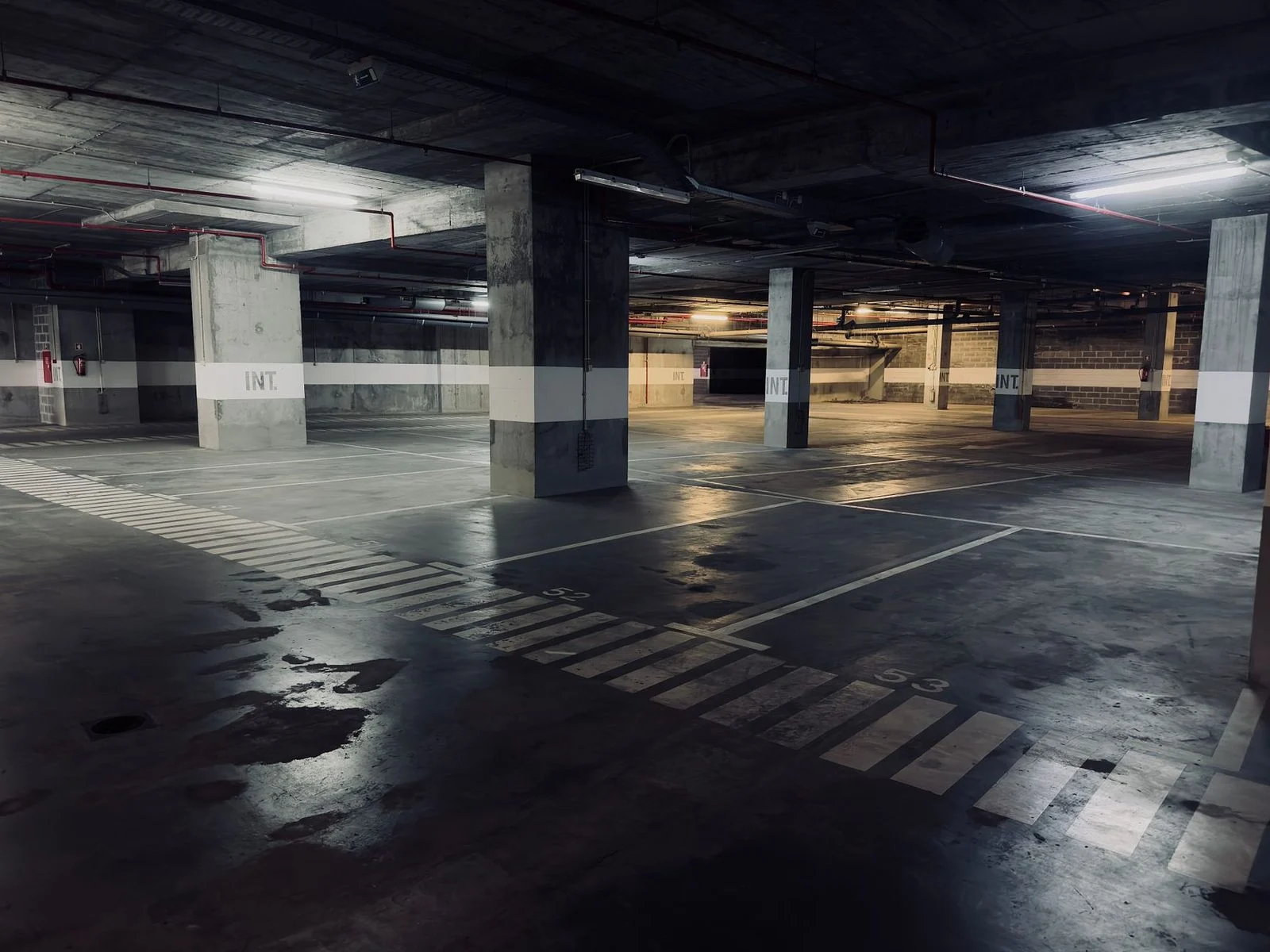
A landlord must keep hallways, stairs, parking lots, and other shared spaces free of dangerous conditions. A landlord is liable for injuries caused by a condition the landlord knew about or should have known about and failed to repair or warn about. This duty extends to foreseeable visitors—guests, delivery persons, emergency responders—in common areas.
A landlord generally does not owe a duty to maintain the interior of a tenant’s leased unit unless the lease agreement states otherwise or the landlord retains control of that space. However, a landlord must disclose known hazards (such as lead paint in older buildings) before a tenant moves in and must respond to maintenance requests in a timely manner, especially for safety risks.
Tenant duties:
A tenant must maintain the leased unit in a clean, safe condition and report maintenance issues to the landlord promptly. A tenant may be liable for injuries caused by the tenant’s own negligence or failure to maintain the unit. A tenant may also be liable for injuries to guests caused by conditions the tenant created or allowed to exist.
Comparative fault:
Georgia follows modified comparative fault under O.C.G.A. § 51-12-33. If both the landlord and tenant were negligent, damages are reduced by the plaintiff’s percentage of fault. If the plaintiff is 50 percent or more responsible, they recover nothing. If 49 percent or less responsible, they recover the remaining percentage of damages.
Who Is Responsible: Landlord or Tenant?
Landlord responsibility:
A landlord is typically liable for injuries in common areas caused by the landlord’s negligence or failure to maintain the property. Examples include broken stairs, inadequate lighting, unsecured entry doors, or failure to repair known hazards in shared spaces. If a landlord knew about a dangerous condition and did nothing, liability is clearer.
Tenant responsibility:
A tenant may be liable for injuries caused by the tenant’s own negligence or failure to maintain the leased unit. If a tenant created a hazard in the unit or failed to report it to the landlord, the tenant may bear responsibility. A tenant may also be liable for injuries to guests caused by conditions the tenant allowed.
Shared responsibility:
In some cases, both the landlord and tenant may share liability. For example, if a landlord failed to repair a known hazard in a common area and a tenant failed to warn guests about it, both may bear some responsibility. Under Georgia’s comparative fault rule, each party’s percentage of fault is determined, and damages are reduced accordingly.
Lease agreements:
The lease may assign certain maintenance duties to the tenant, such as keeping the unit clean or reporting maintenance issues promptly. If a tenant breaches those duties and someone is injured as a result, the tenant may be liable. Always review your lease to understand who is responsible for what.
What Falls Under Premises Liability?
Common premises liability claims in tenant-landlord cases include:
- Slip and fall accidents in common areas (hallways, lobbies, parking lots, stairwells) caused by wet floors, debris, or poor maintenance.
- Injuries from broken or unsafe stairs, railings, or flooring in shared spaces.
- Injuries caused by inadequate lighting in common areas or entryways that make it difficult to see hazards.
- Injuries from unsecured doors, locks, or gates that fail to prevent unauthorized entry or allow a foreseeable hazard.
- Injuries caused by pest infestations, mold, or other health hazards in rental units, if the landlord knew or should have known and failed to remedy.
- Injuries from negligent security, such as failure to maintain locks, lighting, or security measures that allow foreseeable criminal activity.
- Dog bites or animal-related injuries on the property, depending on who owned or controlled the animal and whether the landlord knew of the danger.
Landlord Responsibilities in Maintaining Premises
Georgia law and common practice require landlords to:
- Inspect common areas regularly and identify hazards before someone is hurt.
- Repair or remedy known dangerous conditions within a reasonable time.
- Warn tenants and visitors of hazards that cannot be immediately repaired.
- Comply with Georgia building codes and housing standards for safety and habitability.
- Maintain adequate security measures (locks, lighting, surveillance) if criminal activity is foreseeable in the area.
- Not knowingly rent a property with dangerous conditions that pose an unreasonable risk of harm.
A landlord who fails to meet these responsibilities may be liable for injuries that result.
Not sure what your next step is?
Talk it through with our team — the first consultation is free, confidential, and carries no obligation.
Landlord Responsibility for Tenant Safety in Georgia
Georgia law imposes a duty on landlords to maintain rental property in a habitable condition. This includes keeping common areas safe and responding to maintenance requests from tenants in a timely manner.
A landlord must disclose known hazards to tenants before they occupy the property. A landlord may be liable for injuries to a tenant caused by the landlord’s failure to maintain the property or repair a known hazard. However, if a tenant knowingly lives with a hazard and is injured by it, the tenant’s assumption of risk may reduce or eliminate the landlord’s liability, depending on the circumstances.
Can I Sue My Landlord for Pain and Suffering?
If a landlord’s negligence caused your injury, you may be able to seek compensation for pain and suffering, medical expenses, lost wages, and other damages. To succeed, you must show that:
- The landlord owed you a duty of care.
- The landlord breached that duty (failed to maintain the property or warn you).
- That breach caused your injury and damages.
The amount of compensation depends on the severity of your injury, the clarity of the landlord’s fault, and other factors specific to your case. Georgia law does not cap damages for pain and suffering in premises liability cases, though the court will consider the evidence presented. An attorney can help you understand what damages may be available in your situation.
Key Factors Courts Consider in Tenant-Landlord Premises Liability Cases
When deciding whether a landlord is liable, Georgia courts examine:
- Whether the landlord knew or should have known about the dangerous condition.
- How long the dangerous condition existed before the injury occurred.
- Whether the landlord had a reasonable opportunity to repair or remedy the condition.
- Whether the landlord warned the tenant or visitors about the hazard.
- Whether the tenant or injured person contributed to the injury (comparative negligence).
- Whether the injury occurred in a common area (where landlord duty is clearer) or in the tenant’s leased unit.
- The foreseeability of the injury—whether a reasonable landlord would have anticipated the risk.
What to Do If You Are Injured on Rental Property
If you’re injured on rental property, take these steps to protect your claim:
- Seek medical attention immediately if you are injured.
- Document the scene: take photos of the hazardous condition, the area where you fell, lighting, and any visible defects.
- Report the injury and hazard to the landlord or property manager in writing (email or certified mail) and keep a copy.
- Gather contact information from any witnesses to the injury.
- Keep records of all medical treatment, expenses, and lost wages related to the injury.
- Do not sign any settlement or release without understanding what you are agreeing to.
- Consult with an attorney who handles premises liability cases to understand your rights and options.
Statute of Limitations
A personal-injury lawsuit in Georgia must generally be filed within two years after the right of action accrues, as established in O.C.G.A. § 9-3-33. This deadline is strict; if you miss it, you lose the right to sue. If you’ve been injured on rental property, don’t delay in seeking legal guidance.
If you've been injured on rental property and aren't sure whether the landlord, tenant, or both may be responsible, people in your situation reach out regularly—let's talk about what happened. Talk it through with our team — the first consultation is free, confidential, and carries no obligation.
FAQ
What is the difference between a landlord’s duty in common areas and in a tenant’s unit?
A landlord owes a clear duty to maintain common areas (hallways, stairs, parking lots) in a safe condition. A landlord generally does not owe a duty to maintain the interior of a tenant’s unit unless the lease says otherwise or the landlord retains control of that space.
Can a tenant be liable for injuries to guests on rental property?
Yes. A tenant may be liable for injuries to guests caused by conditions the tenant created or allowed to exist in the unit, or by the tenant’s own negligence.
What should I do immediately after an injury on rental property?
Seek medical attention, document the scene with photos, report the injury and hazard to the landlord in writing, gather witness contact information, and keep records of all medical treatment and expenses.
How long do I have to file a premises liability claim in Georgia?
You generally have two years from the date of injury to file a lawsuit. This deadline is strict, so consult an attorney promptly if you’ve been injured.
Can I recover pain and suffering damages in a premises liability case?
Yes, if you prove the landlord’s negligence caused your injury, you may recover compensation for pain and suffering, medical expenses, lost wages, and other damages.
Next Steps: Understanding Your Situation
If you or a family member has been injured on rental property in Georgia, the question of who is liable depends on the specific facts and Georgia law. The rules distinguish between landlord duty in common areas and tenant responsibility in leased units, and they recognize that both parties may share fault.
Many people in your situation are uncertain whether they have a valid claim, what damages might be available, or what their next step should be. The two-year statute of limitations means time matters.
If you’ve been injured on rental property and aren’t sure whether the landlord, tenant, or both may be responsible, people in your situation reach out regularly—let’s talk about what happened and what your options may be. Contact Slam Dunk Attorney for a free case review.
Key Premises Liability Scenarios
Unsafe Common Areas
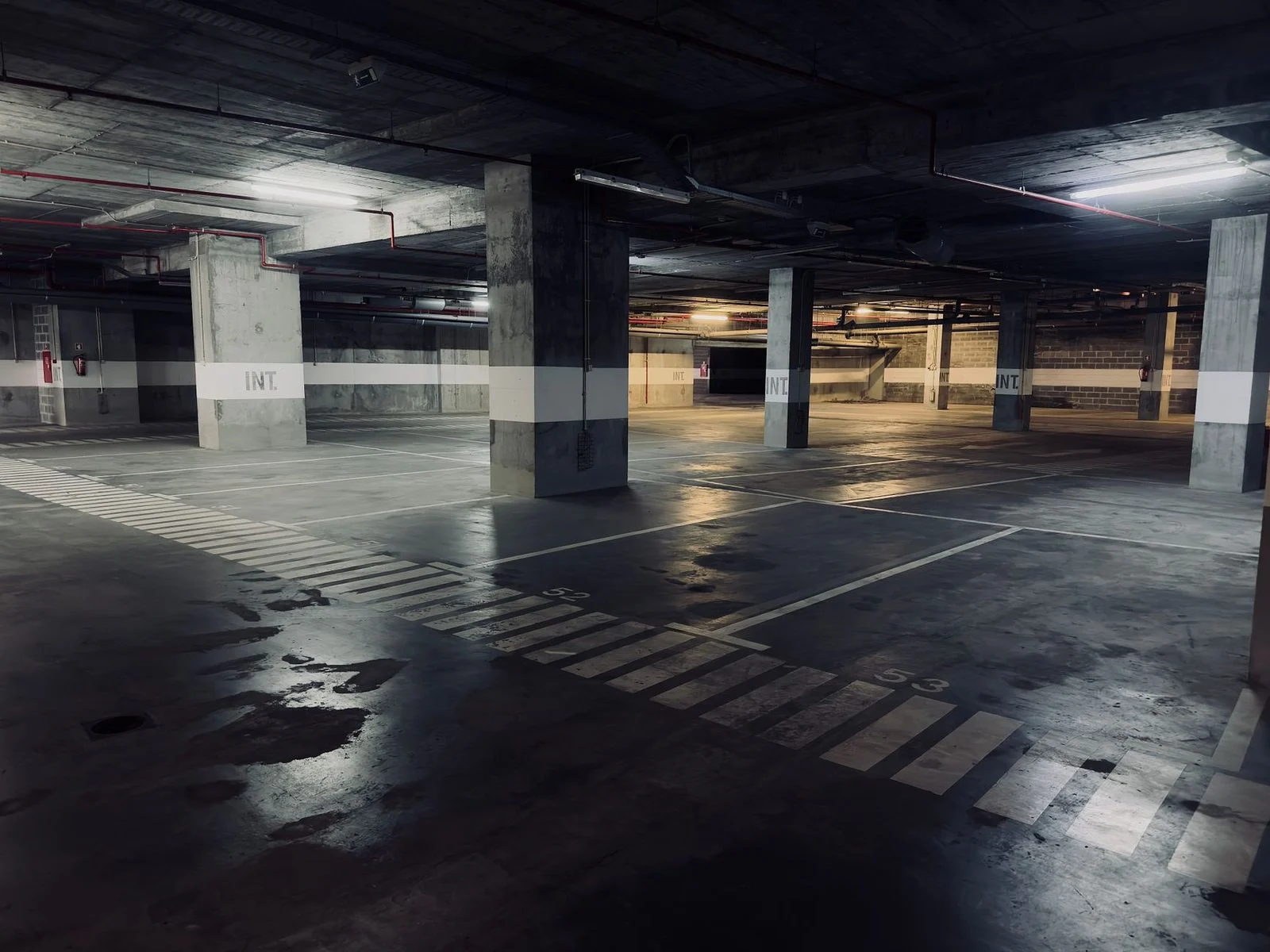
Landlords must keep hallways, stairs, parking lots, and other shared spaces safe. Broken steps, poor lighting, debris, or lack of maintenance can create liability if someone is injured.
Inadequate Security
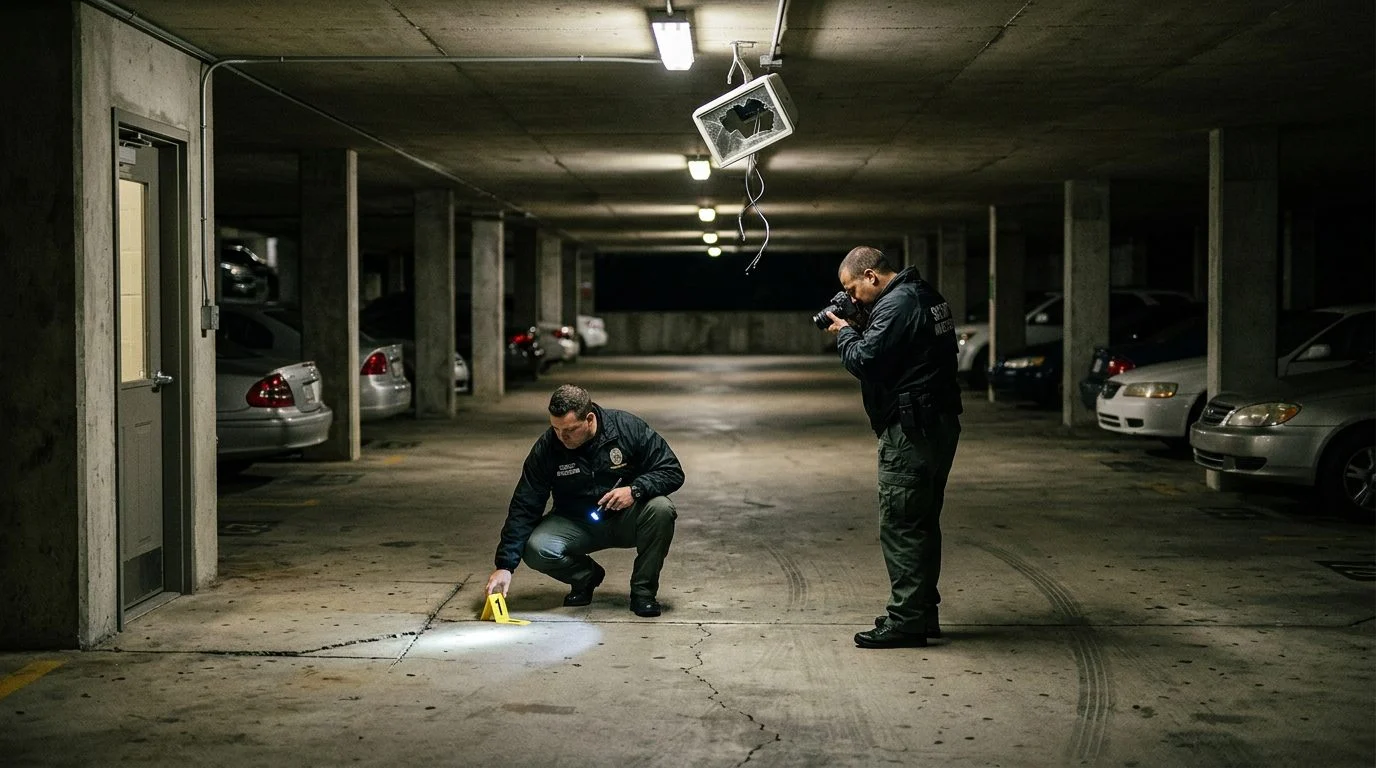
A landlord may be liable if inadequate locks, broken security cameras, or lack of lighting enable a crime that injures a tenant or guest. The duty depends on the property's location and history.
Tenant Unit Injuries
Generally, a landlord is not liable for injuries inside a tenant's unit—unless the lease requires the landlord to maintain that space, or the landlord retains control of it.
Guest & Visitor Claims
A tenant's guest injured on the property may have a claim against the landlord if the injury stems from the landlord's negligence in maintaining or securing common areas or the rented space.
How Slam Dunk Attorney Helps
Clear Explanation of Your Rights
We explain what a landlord owes under Georgia law, whether your injury falls within that duty, and what evidence matters to your claim.
Investigation & Evidence Gathering
We review maintenance records, security logs, prior complaints, and photos of the unsafe condition to build a factual foundation for your case.
Direct Communication
We handle all contact with the landlord, property manager, and their insurance company so you can focus on recovery.
Transparent Guidance
We explain the strengths and challenges of your claim in plain language, so you understand what to expect at every step.
Important: Premises Liability Deadlines
Georgia law sets time limits for filing a premises liability lawsuit. The sooner you report your injury and preserve evidence, the stronger your claim. Contact us promptly to discuss your situation.
Common Questions
What is the difference between a landlord's duty in common areas and in a tenant's unit?
A landlord owes a clear duty to maintain common areas (hallways, stairs, parking lots) in a safe condition. A landlord generally does not owe a duty to maintain the interior of a tenant's unit unless the lease says otherwise or the landlord retains control of that space.
Can a tenant be liable for injuries to guests on the property?
A tenant may be liable to their own guests under certain circumstances. However, the landlord may also be liable if the injury stems from the landlord's negligence in maintaining or securing the property. Both parties can potentially share responsibility.
What evidence do I need to prove a premises liability claim?
You'll need evidence that the landlord knew (or should have known) of the unsafe condition, that the landlord failed to fix it or warn tenants, and that this failure caused your injury. Photos, maintenance records, witness statements, and medical records all help.
How long do I have to file a claim?
Georgia law sets strict time limits for filing a lawsuit. It's important to contact an attorney as soon as possible after your injury to ensure your claim is filed within the required deadline and evidence is preserved.
Injured on a Rental Property? We're Here to Help.
Related practice areas
- Premises Liability Lawyer in Georgia: Injured on Someone Else’s Property
- What to Do After a Premises Liability Injury in Georgia