
Premises Liability | Georgia
Injured on Someone Else's Property? We Can Help.
Slip, fall, dog bite, or unsafe condition—if a property owner's negligence caused your injury, you may have a claim. Slam Dunk Attorney represents injured people across metro Atlanta and Georgia.
By Peter F. Jaraysi · Published September 24, 2026
Common Premises Liability Injury Types in Georgia
Premises liability injuries occur on someone else’s property when a property owner or manager fails to maintain safe conditions or warn visitors of known hazards. Georgia law recognizes that property owners have a duty to keep their premises reasonably safe for visitors and invitees. When an injury happens because of a hazard the owner should have fixed or warned about—not because of your own carelessness alone—you may have a premises liability claim.
Understanding the different types of premises liability injuries helps you recognize whether your situation may qualify for legal consideration. Each injury type has its own recovery timeline, medical needs, and impact on your daily life.
If you or someone you care for has been injured on someone else's property in Georgia, understanding what happened and whether the property owner bears responsibility is a natural first step—reach out to discuss your situation. Talk it through with our team — the first consultation is free, confidential, and carries no obligation.
What Are Premises Liability Injuries?
A premises liability injury is any harm that occurs on someone else’s property due to the property owner’s negligence or failure to maintain safe conditions. The key distinction is that the injury happens because of a hazard or unsafe condition on the property, not solely because of your own fault.
Why injury type matters: different injuries require different medical care, have different healing timelines, and create different financial and personal impacts. A broken wrist heals differently than a spinal cord injury. Recognizing your injury type helps you understand what recovery may involve and what support you might need.
Slip and Fall Injuries
Slip and fall injuries are the most common type of premises liability claim in Georgia. They happen when someone loses their footing on a wet floor, icy surface, uneven ground, or debris-covered walkway—often in retail stores, restaurants, offices, apartment complexes, or parking lots.
Common causes include wet floors without warning signs, ice or snow that hasn’t been cleared, worn or torn flooring, poor lighting that hides hazards, and scattered debris or clutter. When a property owner knows or should know about these conditions and fails to fix them or warn visitors, they may be liable.
Typical slip and fall injuries include fractures (wrist, hip, ankle), head injuries, spinal injuries, and soft tissue damage like sprains and strains. Recovery timelines vary widely. A simple ankle sprain might heal in weeks, but a hip fracture—especially in older adults—can take months and sometimes causes permanent mobility loss. Many people in these cases experience chronic pain or need ongoing physical therapy.
Stairway and Step Injuries
Falls on stairs present elevated injury risk because the height involved compounds the damage. Stairway injuries occur when steps are defective, handrails are missing, lighting is poor, or stairs haven’t been properly maintained.
Common stairway injuries include broken bones, head trauma, spinal cord injuries, and internal injuries. Because stairs involve a fall from height, even a short flight can cause serious harm. Liability often arises from building code violations, failure to repair known hazards, or failure to provide adequate warnings about dangerous conditions.
Dog Bite Injuries
Georgia premises liability includes injuries from dogs on the owner’s property. Dog bite injuries range from minor puncture wounds to severe lacerations, tissue damage, nerve damage, and permanent scarring. Complications include infection risk, rabies exposure, psychological trauma, and cosmetic concerns that may require reconstructive surgery.
A property owner has a duty to control their dog or warn visitors about a dangerous animal. If a dog injures you on the owner’s property because the owner failed to secure or warn about the animal, you may have a claim.
Negligent Security Injuries
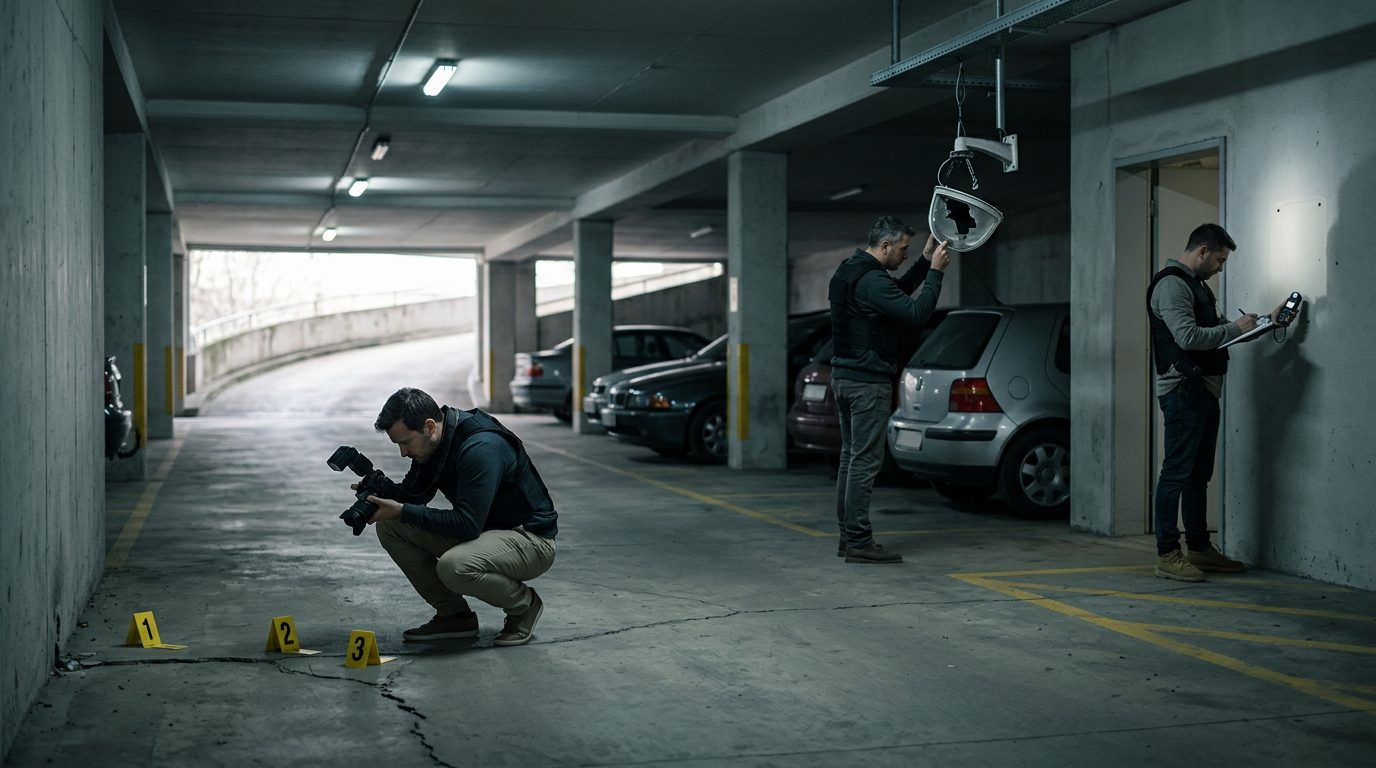
Negligent security injuries result from criminal acts—assault, robbery, shooting, or stabbing—that occur on inadequately secured property. Common settings include apartment complexes, parking garages, retail stores, hotels, and nightlife venues.
Injury types range from gunshot wounds and stab wounds to blunt force trauma and psychological injury. A property owner can be liable when they fail to provide reasonable security measures such as working locks, adequate lighting, security cameras, or trained guards—especially if similar crimes have occurred on or near the property before.
Not sure what your next step is?
Talk it through with our team — the first consultation is free, confidential, and carries no obligation.
Elevator and Escalator Injuries
Elevator and escalator injuries include falls, entrapment, and crushing injuries from defective or poorly maintained equipment. Common causes are mechanical failure, lack of maintenance, missing safety features, and operator error. These injuries can range from minor bruises to amputation or death.
Liability may rest with the equipment manufacturer (if there’s a defect), the maintenance company (if they failed to service the equipment), or the property owner (if they failed to maintain safe conditions).
Burn and Chemical Injuries
Burns and chemical injuries occur from exposed heating elements, scalding water, or chemical spills on premises. Common locations include restaurants, hotels, industrial properties, and maintenance areas. Severe burns require extensive medical treatment, skin grafts, and long-term care. Recovery is often painful and lengthy.
A property owner may be liable for failing to warn of burn hazards, failing to provide adequate barriers around hot surfaces or chemicals, or improperly storing or handling dangerous materials.
Falling Object Injuries
Falling object injuries result when items fall from shelves, ceilings, or structures due to poor maintenance or unsafe stacking. Common settings are retail stores, warehouses, construction sites, and parking structures. Injuries include head injuries, fractures, lacerations, and internal injuries.
Liability arises when a property owner fails to secure items properly, fails to maintain structures and shelving, or fails to warn of the hazard.
Pedestrian Accident Injuries on Property
Pedestrians can be struck by vehicles in parking lots, driveways, and other property areas. Causes include poor visibility, inadequate signage, speeding, and failure to maintain safe traffic flow. Injuries range from minor to catastrophic depending on vehicle speed and impact.
A property owner has a duty to maintain safe pedestrian areas and may be liable if negligence in the parking area or driveway led to the accident.
Nursing Home and Assisted Living Injuries
Nursing home and assisted living facilities have a duty to provide adequate supervision, safe environments, and proper care for elderly and disabled residents. Injuries in these settings include falls, bedsores (pressure ulcers), medication errors, and injuries from neglect or inadequate supervision.
Residents in these facilities are a vulnerable population at higher risk of injury. Facility staff must follow Georgia law and best practices to prevent harm. Injuries from falls, infections, malnutrition-related conditions, and psychological harm may support a claim against the facility.
If you or someone you care for has been injured on someone else's property in Georgia, understanding what happened and whether the property owner bears responsibility is a natural first step—reach out to discuss your situation. Talk it through with our team — the first consultation is free, confidential, and carries no obligation.
Recovery After a Premises Liability Injury
Recovery after a premises liability injury involves multiple layers: medical treatment, financial impact, and emotional and physical toll.
Medical treatment starts with immediate care—emergency room visits, imaging, and specialist consultations. Many injuries require ongoing physical therapy, pain management, or surgery. Some people need home modifications or assistive devices to regain independence.
Financial impact includes medical bills, lost wages from time away from work, ongoing care costs, and home modifications. These costs add up quickly, especially for serious injuries.
Emotional and physical toll is real. Pain, reduced mobility, loss of independence, and psychological effects like anxiety or depression often accompany physical injury. Recovery timelines vary: some injuries heal in weeks; others cause permanent disability that changes your life forever.
Documentation matters. Medical records, incident reports, photographs of the hazard, and witness statements help establish what happened and why the property owner bears responsibility. Collect this information as soon as possible after your injury.
When to Seek Legal Guidance
If you or a loved one has been injured on someone else’s property in Georgia, understanding your situation is an important first step. Many people in your position have questions: Was the property owner responsible? What might a claim involve? What happens next?
A consultation can help clarify whether premises liability applies to your specific injury and circumstances. You’ll have a chance to explain what happened, learn about your options, and understand what the process might look like.
Frequently Asked Questions
What is the statute of limitations for a premises liability injury claim in Georgia?
Georgia law sets a two-year deadline to file a premises liability lawsuit from the date of injury; waiting longer may bar your claim.
Do I have to prove the property owner knew about the hazard?
Not always—Georgia law recognizes that a property owner is liable if they should have known about the hazard through reasonable inspection, even if they didn’t actually see it.
Can I recover damages if I was partially at fault?
Georgia recognizes comparative fault (shared responsibility). You may still recover damages even if you were partly responsible, though your recovery is reduced by your percentage of fault.
What types of damages can I recover?
Compensatory damages typically include medical expenses, lost wages, pain and suffering, and costs for ongoing care or home modifications.
Do I need a lawyer for a premises liability injury claim?
While not required, an attorney can help you understand your rights, gather evidence, negotiate with insurance companies, and pursue fair compensation.
If you or someone you care for has been injured on someone else’s property in Georgia, understanding what happened and whether the property owner bears responsibility is a natural first step. People in your situation reach out regularly to discuss their circumstances and learn what options may be available. Contact us for a free consultation to talk through what happened and get clarity on next steps.
Common Premises Liability Injury Types
Slip and Fall Injuries
Wet floors, poor lighting, uneven surfaces, or debris left unattended can cause serious falls. Property owners have a duty to maintain safe conditions or warn visitors of known hazards.
Dog Bite Injuries
Georgia law holds dog owners liable for injuries caused by their animals, even if the dog has no prior history of aggression. Bites can cause deep wounds, infection, scarring, and psychological trauma.
Negligent Security Injuries
Assaults, robberies, or other crimes on poorly secured property—parking lots, apartment complexes, retail stores—may create liability if the owner failed to provide adequate security measures.
Nursing Home Abuse and Neglect
Residents depend on care facilities to provide safe, dignified treatment. Abuse, neglect, medication errors, and failure to prevent falls or infections can cause serious harm and may support a claim.
Why Property Owners Can Be Held Responsible
Duty of Care
Property owners and occupiers owe a legal duty to keep their premises reasonably safe for visitors and to warn of known dangers.
Knowledge and Foreseeability
An owner may be liable even if they didn't personally know about a hazard—if they should have known about it through reasonable inspection or if similar incidents were foreseeable.
Breach and Causation
If the owner failed to fix, repair, or warn of a dangerous condition, and that failure directly caused your injury, liability may apply.
Your Damages Matter
Medical bills, lost wages, pain and suffering, and ongoing care costs are real harms. We help you understand what your claim may be worth.
Time Matters
Georgia law sets a two-year deadline to file a premises liability lawsuit from the date of injury. Waiting longer may prevent you from pursuing a claim. The sooner you act, the sooner we can investigate and protect your rights.
What Happens Next
Free Case Review
Tell us what happened. We'll listen, answer your questions, and explain your options—with no obligation.
Investigation and Evidence
We gather photos, witness statements, medical records, and property maintenance logs to build a clear picture of negligence.
Negotiation or Litigation
We pursue fair compensation through settlement talks or, if necessary, take your case to trial on your behalf.
No Fees Unless There's a Recovery
We work on contingency—you pay no attorney fees unless we recover money for you. You may still owe case costs; we'll discuss this upfront.