
Premises Liability & Slip and Fall
Property Owner Liability in Georgia: Legal Duties Explained
Understand what property owners owe visitors—and what to do if you've been injured on someone else's property.
By Peter F. Jaraysi · Published September 28, 2026
What Legal Duties Do Property Owners Have Under Georgia Premises Liability Law?
Georgia property owners owe a legal duty of care to people on their property, but the scope of that duty depends on who the visitor is and what hazards exist. Understanding these duties is the foundation for determining whether a property owner may be liable when someone is injured on their premises—and it matters whether you’ve been hurt or you own the property yourself.
Property owners are not automatically responsible for every injury that happens on their land. Instead, Georgia law imposes specific, legally-defined duties that vary based on the visitor’s status and the circumstances. Many property owners don’t realize what they’re legally required to do, and many injured people don’t know whether the owner had an obligation to prevent their accident. This guide explains those duties in plain language.
Not sure what your next step is?
Talk it through with our team — the first consultation is free, confidential, and carries no obligation.
What Is a Property Owner’s Legal Duty in Georgia?
A property owner’s duty of care is a legal obligation to take reasonable steps to keep visitors safe from foreseeable harm while they’re on the property. The duty exists because property owners control the property and can take action to prevent injuries—they have both the ability and the responsibility to maintain safe conditions.
Georgia law recognizes that not all visitors are owed the same level of protection. A property owner’s duty varies depending on whether the person is an invitee (someone invited onto the property for business or a mutual benefit), a licensee (someone permitted to be there but not for the owner’s business benefit), or a trespasser (someone there without permission). This framework helps courts and juries decide whether the owner breached a duty and bears responsibility for the injury.
The key principle: a property owner must act as a reasonably prudent person would under similar circumstances. That means taking steps to identify hazards, fix or warn about them, and protect visitors from foreseeable dangers. But it doesn’t mean the owner is an insurer against all injuries.
The Three Categories of Visitors and Different Duties
Invitees are owed the highest duty of care. An invitee is someone invited onto the property for a purpose that benefits the owner—typically a customer at a store, a guest at a restaurant, or someone there for a business transaction. Property owners must inspect the property regularly for hazardous conditions, repair or warn about dangers they discover, and take reasonable steps to protect invitees from foreseeable harm. If a customer slips on a wet floor in a grocery store, the store owner’s duty to invitees means the owner should have inspected the floor, cleaned up the spill, or posted a warning.
Licensees are owed a moderate duty of care. A licensee is someone permitted to be on the property but not for the owner’s business benefit—a social guest at your home, a delivery person, or someone using the property for their own purpose with the owner’s consent. Property owners must warn licensees of known hazards they’re aware of, but they’re generally not required to inspect the property for unknown conditions. If you invite a friend to your home and know a step is broken, you must warn them; you’re not required to inspect every inch of the property for hidden dangers.
Trespassers are owed only a limited duty. A trespasser is someone on the property without permission. Property owners generally have no obligation to maintain safe conditions for trespassers or inspect for hazards. However, property owners must still refrain from willfully or wantonly injuring a trespasser—they can’t set traps or deliberately cause harm. This category reflects the principle that people who enter property without permission assume greater risk.
Why the distinction matters: the category determines whether the property owner had a legal duty at all. If someone was a trespasser, the owner typically owed no duty to inspect or warn. If they were an invitee, the owner owed a much higher duty. This distinction often determines whether liability exists.
Specific Duties Property Owners Must Fulfill
When a property owner owes a duty of care to a visitor, that duty includes several specific obligations:
Duty to inspect. Property owners must regularly inspect their premises for hazardous conditions. The frequency and thoroughness depend on the type of property and the visitor category. A retail store must inspect more frequently than a residential property; invitees receive more thorough inspection than licensees.
Duty to repair and maintain. Once a hazard is discovered, the property owner must repair it or make it safe within a reasonable time. A broken handrail, a pothole in a parking lot, or deteriorating steps must be fixed. If immediate repair isn’t possible, the owner must take temporary measures—cordoning off the area, posting warnings, or restricting access.
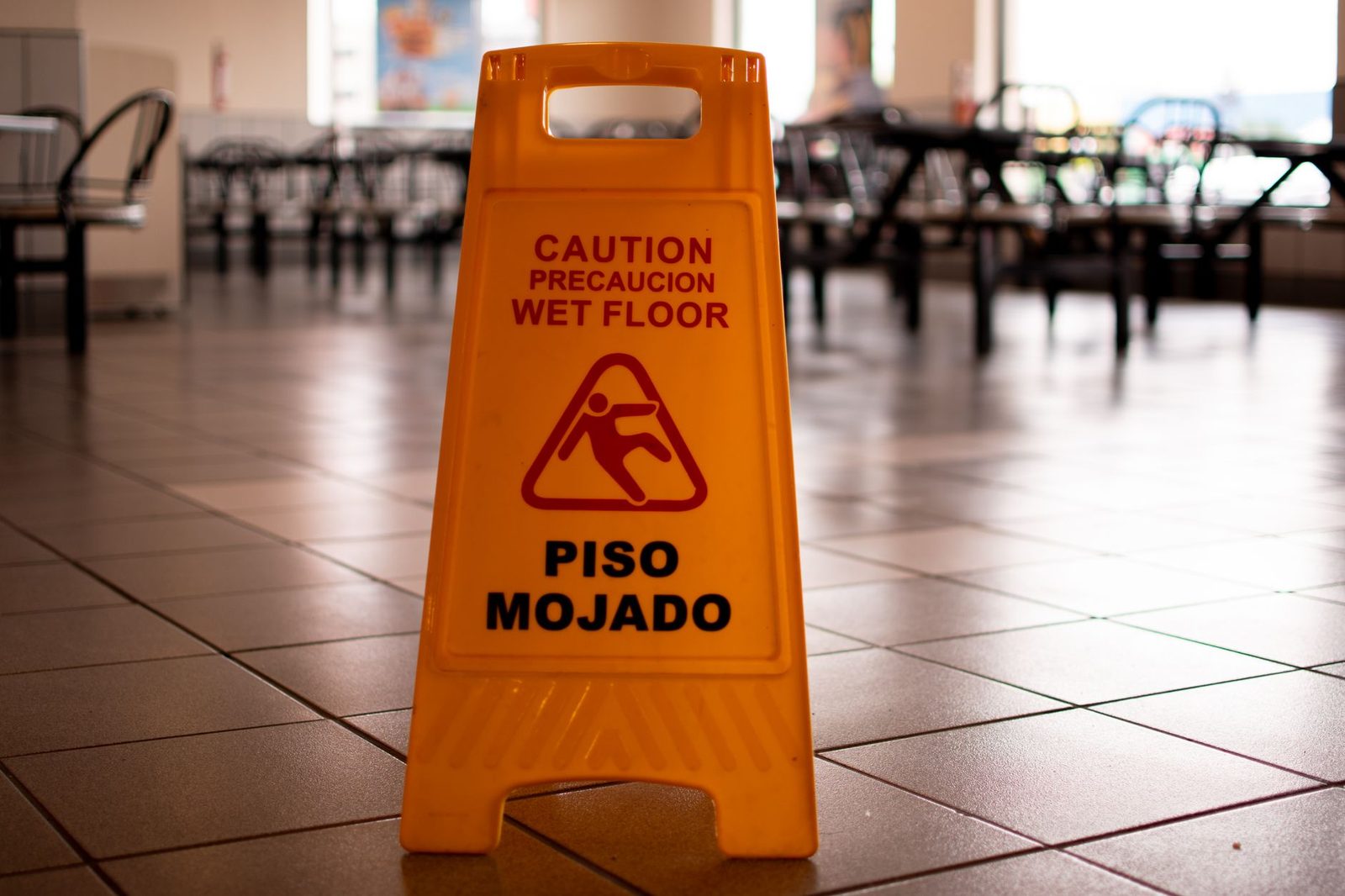
Duty to warn. If a hazard can’t be immediately repaired, the property owner must warn visitors of the danger in a way they’re likely to notice. A sign saying “Wet Floor” after spilling water, or a barrier around a broken step, satisfies this duty. The warning must be clear and visible; burying notice in fine print doesn’t meet the standard.
Duty to protect against foreseeable harm. Property owners must anticipate dangers that a reasonable owner would foresee. If a property is in a high-crime area, the owner may have a duty to provide adequate lighting or security. If a property is known to attract children, the owner must take steps to protect them from obvious dangers. Foreseeability is key—the owner isn’t responsible for unforeseeable or extraordinary events.
Duty to provide adequate security (where applicable). In some cases, property owners must take reasonable steps to protect visitors from criminal acts or assaults. This is especially true for commercial properties in areas with known crime problems. Negligent security—failing to provide locks, lighting, or security personnel when reasonably necessary—can create liability.
Duty to maintain common areas. In apartment complexes, shopping centers, and other multi-unit properties, owners must maintain hallways, stairwells, parking areas, and other shared spaces in safe condition. These areas are used by many people, and hazards in common areas create significant liability.
Common Scenarios Where Property Owner Duties Apply
Understanding these duties becomes clearer when you see real-world situations:
Slip-and-fall accidents. A customer slips on a wet floor in a restaurant. The restaurant owner had a duty to inspect for spills, clean them up promptly, or warn customers. If the owner knew about the spill and did nothing, liability may exist.
Dog bites and animal attacks. A property owner who knows their dog has bitten people before has a duty to warn visitors and take precautions—securing the dog, posting warning signs, or restricting access. Failing to do so can create liability for injuries.
Broken stairs or railings. A guest is injured when a stair collapses or a railing gives way. The property owner had a duty to maintain the structure in safe condition. If the owner knew or should have known about the defect, liability may attach.
Inadequate lighting or negligent security. A visitor is assaulted in a dark parking lot or an unsecured building. If the property owner knew the area was dangerous and failed to provide reasonable security or lighting, the owner may be liable for injuries resulting from the criminal act.
Unsafe rental properties. A tenant is injured by a defective condition in an apartment—faulty wiring, a broken window, mold, or pest infestation. Landlords have a duty to maintain rental properties in habitable condition and to repair hazards.
Hazards in common areas. A resident of an apartment complex trips on a broken step in a hallway. The property owner had a duty to maintain common areas and must repair or warn about defects.
What “Reasonable Care” Means in Georgia
The standard for property owner liability in Georgia is reasonableness. A property owner is not liable for every injury; liability exists only when the owner failed to exercise the care that a prudent property owner would exercise under similar circumstances.
This reasonableness standard has several components:
Actual or constructive knowledge. The property owner must have known—or should have known—about the hazardous condition. “Should have known” means the owner would have discovered the hazard if they had inspected the property as a reasonable owner would. If a spill happened just seconds before someone slipped, the owner may not have had time to discover it; liability may not exist. If the spill had been there for hours, a reasonable inspection would have found it.
Foreseeability. The property owner is responsible for hazards they should reasonably anticipate. A store in a rainy climate should anticipate wet floors from customers entering during rain. A property in a high-crime area should anticipate the need for security. A property with a pool should anticipate that children might be attracted to it. Unforeseeable or extraordinary events—a sudden earthquake, an unprecedented weather event—may not create liability.
The property owner is not an insurer. This is critical: even if someone is injured on a property, the owner isn’t automatically liable. The owner is responsible only for breaching a duty owed to that visitor. If the visitor’s own negligence caused the injury, or if the hazard was obvious and the visitor should have seen it, liability may not exist even though an injury occurred.
Not sure what your next step is?
Talk it through with our team — the first consultation is free, confidential, and carries no obligation.
When Property Owners Are NOT Liable
Understanding when property owners are not liable is just as important as understanding when they are:
Open-and-obvious hazards. If a hazard is so obvious that a reasonable visitor should have seen and avoided it, the property owner generally isn’t liable. A large pothole in the middle of a parking lot, a clearly visible broken step, or a wet floor with a large warning sign may be open-and-obvious. The visitor is expected to exercise reasonable care to protect themselves.
Visitor negligence. If the injured person’s own carelessness caused the injury, liability may not exist—or may be reduced. If a visitor was running through a hallway and tripped over a small, visible obstacle they should have noticed, the visitor’s negligence may eliminate or reduce the owner’s liability.
Conditions the visitor created. If the injured person created the hazardous condition themselves, the property owner isn’t liable. If a visitor spills something and then slips on it, the owner didn’t create the hazard.
Assumed risk. If a visitor knowingly and voluntarily accepted the risk of a hazard, the owner may not be liable. Someone who enters a construction site despite warning signs may have assumed the risk of injury from construction activities.
Georgia’s Comparative Fault Rule and Property Owner Liability
Georgia follows a comparative fault rule that significantly affects property owner liability. Under this rule, an injured person who was partially at fault can still recover damages only if they were less than 50% responsible for the accident, and their recovery is reduced by their percentage of fault; a person 50% or more responsible recovers nothing.
This means property owner liability can coexist with visitor negligence. If a customer was injured in a store because the owner failed to clean up a spill (owner’s fault) but the customer was also running and not paying attention (visitor’s fault), both parties may share responsibility. A jury might find the owner 70% at fault and the visitor 30% at fault. The visitor can still recover, but the damages are reduced by their percentage of fault.
For property owners, this rule means liability isn’t eliminated just because the visitor was also careless. For injured visitors, it means you may have a claim even if you weren’t entirely blameless.
Insurance and Property Owner Liability
Most property owners carry premises liability insurance, which covers injuries that occur on their property. This insurance typically pays for the owner’s legal defense and any damages awarded to an injured visitor, up to the policy limits.
Insurance coverage varies widely. Some policies cover only certain types of injuries or exclude certain hazards. Coverage limits—the maximum the insurance will pay—range from $100,000 to $1 million or more, depending on the property and the policy. Deductibles also vary; the owner may be responsible for the first $1,000 or $5,000 of a claim.
Understanding whether insurance covers a particular injury is important for both property owners and injured visitors. An owner’s insurance company often handles the defense of a premises liability claim.
When to Seek Legal Guidance
If you’ve been injured on someone else’s property in Georgia, understanding whether the owner owed you a duty of care—and whether they breached it—requires a careful look at the facts. The owner’s duty depends on your status as an invitee, licensee, or trespasser; the hazard involved; and whether the owner knew or should have known about the danger.
Similarly, if you’re a property owner facing a claim, understanding your legal obligations and potential defenses requires knowledge of Georgia premises liability law. The circumstances—the visitor’s status, the nature of the hazard, your inspection and maintenance practices, and what warnings you provided—all matter.
When the facts are complex, when multiple parties may share responsibility, or when you’re uncertain whether a duty was owed or breached, consulting with someone who understands Georgia premises liability law can clarify your situation and your options.
FAQ
What is the difference between an invitee and a licensee?
An invitee is invited onto the property for a purpose that benefits the owner (like a customer); a licensee is permitted to be there but not for the owner’s business benefit (like a social guest). Property owners owe invitees a higher duty of care.
Can a property owner be liable for a slip-and-fall if the visitor was careless?
Yes, under Georgia’s comparative fault rule. If the owner failed to clean up a spill or warn about it, the owner may be liable even if the visitor was also negligent—though damages may be reduced by the visitor’s percentage of fault.
What does “constructive notice” mean?
Constructive notice means the property owner should have known about a hazard through reasonable inspection, even if they didn’t actually see it. A spill that’s been on the floor for hours would trigger constructive notice.
Do property owners have a duty to protect visitors from criminal acts?
In some cases, yes. If the property is in a high-crime area or if criminal activity is foreseeable, the owner may have a duty to provide reasonable security, lighting, or other protective measures.
What is an “open-and-obvious” hazard?
A hazard so obvious that a reasonable visitor should have seen and avoided it. Large potholes, clearly visible broken steps, or large warning signs may be open-and-obvious, and the owner may not be liable for injuries.
If you’ve been injured on someone else’s property in Georgia and you’re unsure whether the owner had a legal duty to prevent your accident, or if you own property and want to understand your responsibilities and liabilities, our team can help you sort through the specifics of your situation. People in both positions reach out regularly to understand where responsibility lies and what their options are.
Request a free consultation to discuss your circumstances with an attorney who handles premises liability cases across metro Atlanta and Georgia.
Key Legal Duties Property Owners Have
Duty to Maintain Safe Premises
Property owners in Georgia must keep their premises reasonably safe. This includes regular inspection, maintenance, and prompt repair of hazards.
Duty to Warn of Known Hazards
If a property owner knows of a dangerous condition, they must warn visitors—or take steps to make the condition safe before visitors arrive.
Duty Varies by Visitor Type
The level of care owed depends on whether the visitor is an invitee (invited for business), a licensee (permitted but not for business benefit), or a trespasser.
Duty to Address Foreseeable Risks
Owners must anticipate and guard against hazards that a reasonable property owner would foresee—like wet floors, broken stairs, or inadequate lighting.
Common Types of Property Liability Claims
Slip and Fall Accidents
Falls caused by wet floors, spilled liquids, debris, or uneven surfaces. Property owners may be liable if they knew or should have known about the hazard and failed to warn or fix it.
Negligent Security
Injuries resulting from inadequate security measures, such as broken locks, missing lighting, or failure to provide security personnel. Owners may owe protection against foreseeable criminal acts.
Unsafe Conditions
Hazards like broken railings, defective stairs, exposed electrical wiring, or structural damage. Owners must maintain their property in a reasonably safe condition.
Dog Bites on Property
Injuries from a dog on the owner's property. Georgia law holds property owners liable for dog bites if they knew the dog was dangerous or failed to control it.
Important: Comparative Negligence May Apply
Georgia law recognizes comparative negligence. This means a visitor's own carelessness may reduce the property owner's liability—but does not necessarily eliminate it. Even if you were partly at fault, you may still have a valid claim.
Frequently Asked Questions
What is the difference between an invitee and a licensee?
An invitee is invited onto the property for a purpose that benefits the owner (like a customer or client). A licensee is permitted to be there but not for the owner's business benefit (like a social guest). Property owners owe invitees a higher duty of care.
Can a property owner be liable if I was careless?
Yes, possibly. Under Georgia's comparative negligence rule, a property owner can still be liable even if you were partly careless. Your recovery may be reduced by your percentage of fault, but you are not automatically barred from compensation.
What if I was trespassing when I was injured?
Property owners owe trespassers a lower duty of care. However, they still cannot intentionally harm you or act with gross negligence. The specific circumstances matter, and you may still have a valid claim depending on what happened.
How long do I have to file a claim?
Time limits apply to premises liability claims in Georgia. The sooner you report your injury and gather evidence, the stronger your claim. Contact us promptly to discuss your situation and protect your rights.
Injured on Someone Else's Property?
Related practice areas
- Premises Liability Lawyer in Georgia: Injured on Someone Else’s Property
- Comparative Fault in Premises Liability Claims Georgia
- Premises Liability Insurance: What Covers Your Injury Claim
- Common Premises Liability Injuries: Types & Recovery
- Car Accidents in Kennesaw: What to Do After a Crash