

Premises Liability | Georgia
Building Your Premises Liability Claim
Understand what it takes to hold a property owner accountable for your injury—and how Slam Dunk Attorney can help.
By Peter F. Jaraysi · Published September 24, 2026
How to Prove Premises Liability in Georgia: The Legal Elements You Need to Know
If you’ve been injured on someone else’s property in Georgia, you may have a premises liability claim. To win, you must prove four specific legal elements—and all four must be present. This guide breaks down what Georgia law requires, what evidence matters most, and how to assess whether you have a case.
If you've been injured on someone else's property and you're trying to understand whether you have a claim, reach out to discuss your situation—people in that position contact us regularly. Talk it through with our team — the first consultation is free, confidential, and carries no obligation.
What Premises Liability Means in Georgia
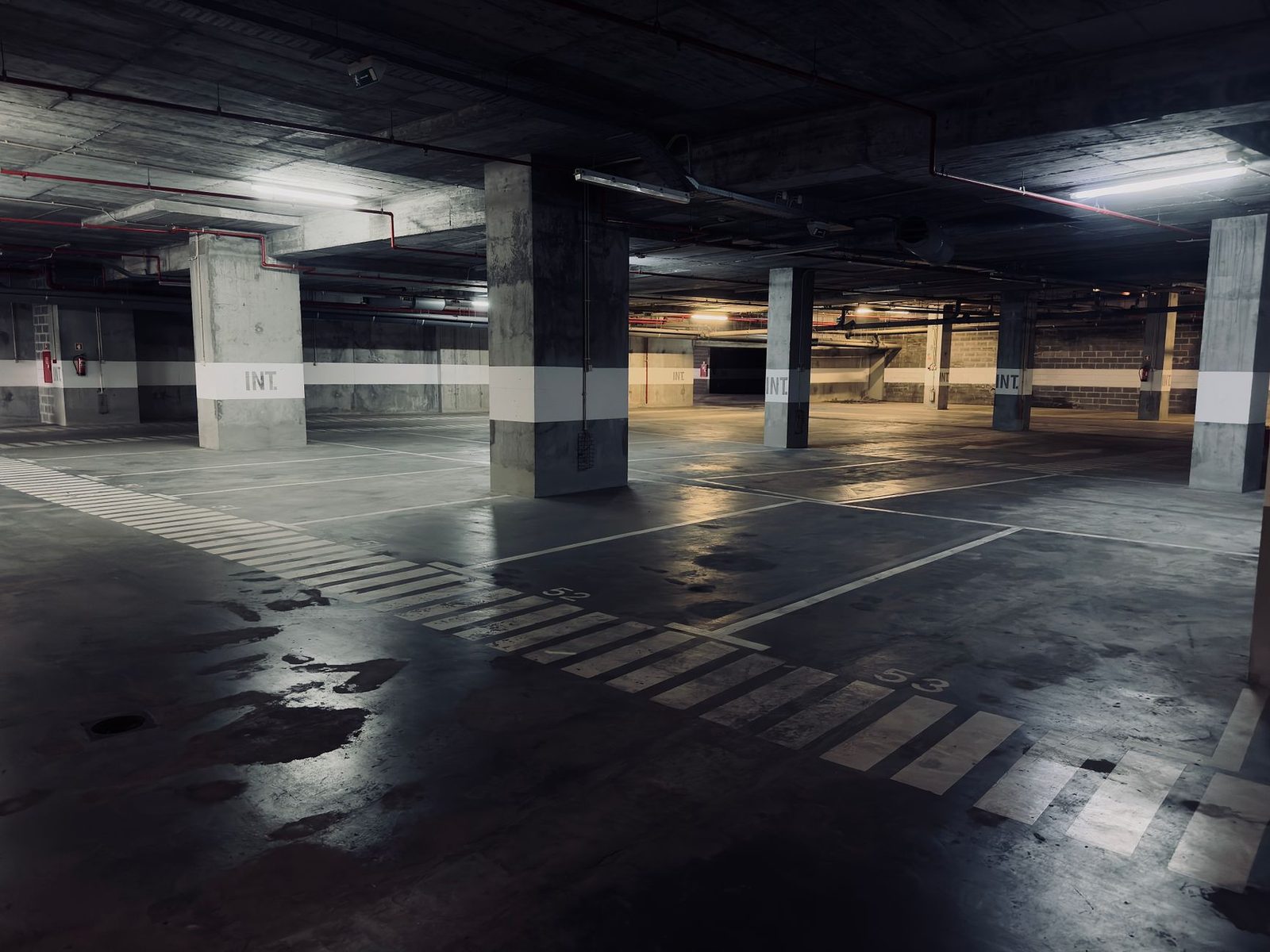
Premises liability is a property owner’s legal responsibility for injuries that occur on their property due to negligence or failure to maintain safe conditions. It covers slip-and-fall accidents, inadequate security leading to assault or theft, dangerous conditions like broken stairs or poor lighting, and negligent maintenance of common areas. The key difference: premises liability applies only to people lawfully on the property—not trespassers—and the owner’s duty varies depending on your status as a visitor.
The Four Elements You Must Prove in a Premises Liability Claim
To prove premises liability in Georgia, you must establish all four of these elements:
Element 1: The property owner owed you a duty of care. This duty depends on your status as a visitor—invitee, licensee, or trespasser. We’ll explain these categories below. If you were lawfully on the property for business or as an invited guest, the owner owed you a duty.
Element 2: The owner breached that duty. The owner failed to maintain safe conditions, failed to warn you of a known hazard, or failed to inspect the property and discover a hazard they should have found.
Element 3: The breach caused your injury. The dangerous condition directly caused your fall, injury, or harm. This is called causation. You must show a direct link between the breach and your injury.
Element 4: You suffered actual damages. You have real, measurable losses: medical bills, lost wages, pain and suffering, or permanent disability. Without damages, you have no claim.
Missing even one element weakens or defeats your claim. The property owner will challenge whichever element is weakest.
Understanding the Property Owner’s Duty of Care in Georgia
Georgia law recognizes three categories of visitors, each with a different level of duty owed by the property owner:
Invitees (customers, business guests, invited visitors) receive the highest duty of care. The owner must regularly inspect the property for hazards, repair dangerous conditions within a reasonable time, and warn you of known dangers. A customer in a grocery store or a guest invited to a business event is an invitee.
Licensees (social guests, permitted visitors) receive a moderate duty. The owner must warn you of known hazards but has no obligation to inspect the property or discover dangers on their own. A friend visiting your home after hours is a licensee.
Trespassers receive minimal duty. The owner generally is not liable for injuries to trespassers unless the owner willfully hid a hazard or set a trap.
Your status as a visitor at the time of your injury determines what the owner legally owed you. This is often a point of dispute—the owner may argue you were trespassing or that your status was unclear. Clear evidence of your lawful presence strengthens your claim.
What Counts as a Breach of Duty
A property owner breaches their duty by:
- Failing to inspect the property for hazards (especially for invitees)
- Failing to repair a known dangerous condition within a reasonable time
- Failing to warn you of a known hazard (wet floor, broken step, poor lighting, unstable handrail)
- Failing to remove debris, spills, or obstacles from walkways
- Providing inadequate security, leading to assault, theft, or unauthorized entry
- Negligently maintaining common areas, stairs, equipment, or structural elements
- Violating their own safety policies or procedures
The breach must be the direct cause of your injury. If you slipped on a wet floor that the owner failed to clean or mark, that’s a clear breach. If you tripped on a broken step the owner knew about but didn’t repair, that’s a breach. The owner’s failure to act—or to act quickly enough—is often the breach.
Evidence That Proves Premises Liability
Strong evidence is essential. Here’s what matters:
- Photographs or video of the hazardous condition, taken as soon as safely possible after your injury
- Witness statements from people who saw the condition or your injury
- Medical records documenting your injuries, treatment, and recovery timeline
- Incident reports you filed with the property owner, manager, or security
- Maintenance records showing the owner knew (or should have known) about the hazard
- Prior complaints or incident reports from other visitors injured by the same condition
- Expert testimony (safety inspector, engineer) about the hazard and the owner’s breach
- Security footage if available
- Your testimony about how the injury occurred and the condition that caused it
- Documentation of the property owner’s safety policies and failure to follow them
The more evidence you gather quickly, the stronger your claim. Delay weakens it.
Not sure what your next step is?
Talk it through with our team — the first consultation is free, confidential, and carries no obligation.
The Role of Notice: Actual vs. Constructive
A property owner can be liable for a hazard through two types of notice:
Actual notice means the owner knew about the hazard. An employee reported it, the owner saw it themselves, or the owner received a complaint.
Constructive notice means the hazard existed long enough that a reasonable property owner should have discovered it during normal inspection and maintenance. You do not have to prove the owner actually knew; you can prove they should have known.
Example: A spill in a grocery store aisle for two hours likely gives constructive notice—a reasonable manager inspects aisles regularly. A spill present for 30 seconds may not, because the owner had no reasonable opportunity to discover it.
Time and circumstances are critical. The longer a hazard exists, the stronger the argument that the owner should have found it.
Causation: Linking the Hazard to Your Injury
You must show the dangerous condition directly caused your injury. This is the “but-for” test: but for the hazard, you would not have been injured.
Example: You tripped on a broken step. You must show the broken step caused the fall and your injury—not your own carelessness or distraction. If you were texting and didn’t see the step, the owner may argue you were partially at fault. But if the step was poorly lit and unmarked, causation is strong.
Causation can be challenged if the owner argues you were primarily responsible for the accident. Clear evidence of the hazard and your attention to your surroundings helps establish causation.
Damages: Proving Your Losses
Damages are your actual, measurable losses from the injury:
- Medical expenses: emergency care, hospitalization, surgery, physical therapy, ongoing treatment
- Lost wages: income lost while recovering or unable to work
- Pain and suffering: physical pain, emotional distress, reduced quality of life
- Permanent disability or disfigurement (if applicable)
Keep all receipts, medical bills, pay stubs, and records of expenses. Document your recovery timeline and any lasting effects on your ability to work or enjoy daily life. The more detailed your record, the higher your damages.
Georgia’s Comparative Fault Rule
Georgia follows comparative negligence law. Your own carelessness can reduce your recovery—or eliminate it entirely.
Under O.C.G.A. § 34-7-2, if you are found 50% or more at fault for your injury, you cannot recover any damages. If you are 49% or less at fault, you can recover the percentage of damages corresponding to the owner’s fault.
Example: A jury finds you 40% at fault for texting while walking, and the owner 60% at fault for the wet floor. You can recover 60% of your damages.
The property owner will likely argue you were partially at fault. Strong evidence of the hazard and the owner’s breach helps counter this defense.
Common Challenges to Premises Liability Claims
Property owners often raise these defenses:
- “You should have noticed the hazard.” The owner argues assumption of risk—that you should have seen the danger and avoided it.
- “The hazard was open and obvious.” The owner claims the condition was so apparent that you were careless to ignore it.
- “You were trespassing.” The owner challenges your status as a lawful visitor.
- Lack of evidence. No photos, no witnesses, no maintenance records make your claim harder to prove.
- Delay in reporting or seeking care. If you waited weeks to see a doctor or report the incident, the owner argues the injury wasn’t serious or wasn’t caused by the hazard.
- Your own actions. The owner argues comparative fault—that you were partially responsible.
Overcoming these challenges requires clear, timely evidence and a strong factual record. This is why immediate action—photographing the scene, collecting witness information, and seeking medical care—is so important.
If you've been injured on someone else's property and you're trying to understand whether you have a claim, reach out to discuss your situation—people in that position contact us regularly. Talk it through with our team — the first consultation is free, confidential, and carries no obligation.
Next Steps if You’ve Been Injured on Someone Else’s Property
If you’ve been injured on a property you didn’t own, take these steps:
- Seek medical attention immediately. Document all injuries and treatment. Medical records are critical evidence.
- Report the incident to the property owner or manager in writing. Keep a copy.
- Take photographs of the hazard and the scene (if safe to do so). Include wide shots and close-ups.
- Collect contact information from anyone who saw the condition or your injury.
- Keep all receipts, medical records, and documentation of losses—bills, pay stubs, photos.
- Do not sign any settlement or release without legal advice. The owner may offer quick money to avoid liability.
- Consult with a premises liability attorney to evaluate your claim and understand your rights under Georgia law.
Frequently Asked Questions
What is the statute of limitations for filing a premises liability claim in Georgia?
Georgia law allows two years from the date of injury to file a premises liability lawsuit. After two years, your claim is barred.
Can I sue a property owner if I was partially at fault for my slip-and-fall injury?
Yes, as long as you are less than 50% at fault. Under Georgia’s comparative negligence law, you can recover damages reduced by your percentage of fault.
What counts as “constructive notice” of a hazard in Georgia?
A hazard gives constructive notice if it existed long enough that a reasonable property owner would have discovered it during normal inspection and maintenance. The longer the hazard exists, the stronger the argument for constructive notice.
Do I need a witness to prove a premises liability claim in Georgia?
No, but witnesses strengthen your claim. Photos, medical records, maintenance records, and your own testimony can also prove the hazard and the owner’s breach.
What is the “open and obvious” defense?
The owner argues the hazard was so apparent that you should have noticed and avoided it. This defense is often weak if the hazard was poorly lit, unmarked, or in an unexpected location.
If you’ve been injured on someone else’s property in Georgia and you’re working through what happened—figuring out whether the owner bears responsibility and what your options are—we’re here to help you understand your situation. People in your position reach out to us regularly to discuss their claims and get straight answers about the law.
The Four Elements of Premises Liability
1. Duty of Care
The property owner or occupier owed you a legal duty to maintain the premises in a reasonably safe condition or to warn you of known dangers.
2. Breach of Duty
The owner failed to maintain the property or failed to warn you of a hazard—for example, leaving a spill unattended, failing to repair a broken step, or inadequate security.
3. Causation
The breach directly caused your injury. The unsafe condition must have been the reason you were hurt, not an unrelated circumstance.
4. Damages
You suffered actual harm—medical bills, lost wages, pain and suffering, or other losses—as a result of your injury.
Time Matters
Under Georgia law, you have two years from the date of your injury to file a premises liability lawsuit. Once that deadline passes, your claim is barred. Do not delay.
Common Types of Premises Liability Claims
Slip and Fall
Wet floors, debris, uneven surfaces, or poor lighting that cause you to fall and suffer injury.
Negligent Security
Inadequate locks, broken cameras, lack of lighting, or failure to provide security that allows a criminal act to harm you.
Unsafe Property Conditions
Broken railings, defective stairs, falling objects, or structural hazards that injure visitors or tenants.
Nursing Home Abuse or Neglect
Failure to provide proper care, supervision, or a safe environment leading to injury or harm.
How We Help You Build Your Case
Gather Evidence
We collect photos, video, maintenance records, incident reports, and witness statements to document the unsafe condition and how it caused your injury.
Identify Liability
We investigate who owned or controlled the property and what duty they owed you—and whether they breached it.
Establish Causation
We connect the unsafe condition directly to your injury, using medical records and expert testimony when needed.
Quantify Your Damages
We document all losses—medical costs, lost income, pain and suffering—to support a fair claim for compensation.
Frequently Asked Questions
What if I was partially at fault for my injury?
Georgia law allows recovery even if you bear some responsibility, provided your share of fault does not exceed or exceed a certain threshold. The specifics depend on your case. We evaluate comparative fault carefully and can discuss how it may apply to your situation.
Do I need to prove the owner knew about the hazard?
Not always. An owner can be liable if they should have known about the danger through reasonable inspection, or if the hazard existed long enough that they should have discovered it. We investigate the owner's knowledge and what a reasonable property manager would have done.
What if I signed a waiver?
A waiver may limit liability in some situations, but it does not always bar your claim. We review the language and circumstances to determine whether it applies to your injury.
How long does a premises liability case take?
Timeline varies based on the complexity of your case, the severity of your injury, and whether the property owner's insurance company is willing to negotiate. We keep you informed every step of the way.
Ready to Discuss Your Claim?
Related practice areas
- Premises Liability Lawyer in Georgia: Injured on Someone Else’s Property