
Premises Liability | Georgia
Apartment Complex Security Negligence Claims in Georgia
When a landlord fails to maintain reasonable security, residents and visitors can be harmed. We represent people injured due to inadequate security at apartment complexes across metro Atlanta and Georgia.
By Peter F. Jaraysi · Published September 25, 2026
Apartment Complex Security Negligence: What Landlords Must Do to Keep Tenants Safe
Apartment complex security negligence occurs when a landlord or property manager fails to provide reasonable security measures, allowing a foreseeable crime to harm a tenant or visitor. The key distinction is this: a crime may not be your fault, but the property owner’s failure to prevent it may create legal liability.
Many people assume that if they’re injured in a break-in, robbery, or assault at their apartment, nothing can be done—that it was simply a criminal act beyond anyone’s control. That’s not always true. Georgia law recognizes that landlords have a duty to protect tenants from foreseeable harm, including criminal activity when the risk is known or should have been known. Understanding the difference between random crime and negligent security can help you recognize whether your situation involves a legal claim.
If you were harmed in an apartment break-in, assault, or robbery where security was inadequate, you may have grounds for a claim—and people in your situation reach out regularly to understand their options. Talk it through with our team — the first consultation is free, confidential, and carries no obligation.

What Is Apartment Complex Security Negligence?
Apartment complex security negligence is a property owner’s failure to maintain reasonable security measures despite knowing or should knowing that a criminal act was foreseeable on that property.
The critical element is foreseeability. A landlord cannot be held liable for every crime that occurs on their property—but they can be held liable if prior incidents, tenant complaints, or known risks made the danger predictable. For example, if your apartment complex has experienced multiple break-ins over the past year and the landlord has done nothing to improve security, a subsequent break-in may not be random—it may be the foreseeable result of the landlord’s inaction.
This differs fundamentally from isolated criminal acts. If a stranger commits a random, unforeseeable crime on a well-maintained property with adequate security, the landlord typically bears no liability. But if that same crime occurs because a lock is broken, cameras don’t work, lighting is absent, or the landlord ignored prior complaints, the situation changes. The landlord’s negligence—not just the criminal’s act—may be responsible for your harm.
What Duty Do Landlords Have to Provide Security?
This duty is not unlimited. Landlords are not insurers against all crime. However, they must take reasonable steps to prevent criminal acts when the risk is foreseeable. The reasonableness of those steps depends on factors like the property’s location, size, prior crime history, and the type of security measures that are standard in the area.
Foreseeability is established through:
- Prior crimes on the property: Multiple break-ins, assaults, robberies, or thefts create a pattern that puts the landlord on notice.
- Tenant complaints: If residents reported security concerns—broken locks, non-functional cameras, poor lighting—the landlord knew or should have known of the risk.
- Known gang activity or criminal presence: If the neighborhood or property is known to have gang activity or a history of criminal incidents, the risk is foreseeable.
- Industry standards: What security measures are typical for similar properties in the area.
When these factors exist, a landlord cannot simply ignore them. They must respond with reasonable security improvements. Failing to do so—knowing the risk exists—constitutes negligence.
Signs of Inadequate Security in Apartment Complexes
Inadequate security takes many forms. Here are common failures that may indicate negligent security:
- Broken or missing locks on entry doors, gates, mailboxes, or common areas
- Non-functional or absent security cameras in high-risk areas like parking lots, hallways, or entryways
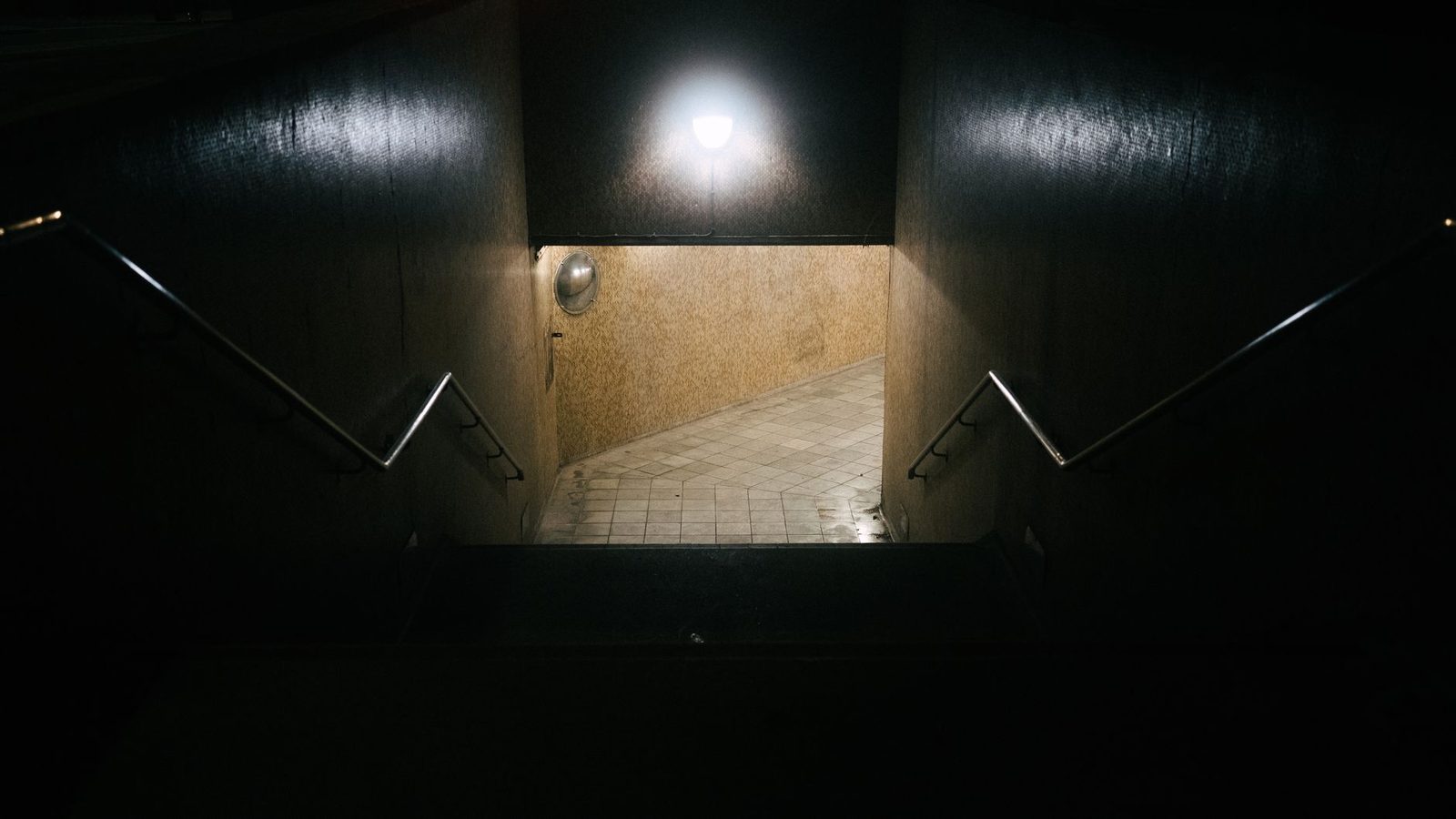
- Poor or absent lighting in parking areas, stairwells, or common walkways
- No security personnel or gate attendant despite the property’s size or location
- Failure to repair known vulnerabilities after tenant complaints or maintenance requests
- Lack of access control systems or broken intercom systems that allow unauthorized entry
- Unsecured sliding glass doors or windows in common areas
- No security protocols for package delivery, visitor screening, or after-hours access
- History of break-ins or crimes that went unaddressed or resulted in no security improvements
If you recognize several of these conditions at your property, document them with photographs and dates. This evidence becomes critical if you need to pursue a claim.
How Negligent Security Differs from Random Crime
The distinction matters legally and practically.
Random crime is an isolated incident with no prior warning signs. A burglar targets your apartment building by chance, with no history of break-ins, no broken security measures, and no reason the landlord should have anticipated the risk. In this scenario, the landlord typically bears no liability—the crime was not foreseeable.
Negligent security is a crime that occurred because the landlord failed to maintain reasonable protections despite foreseeable risk. The question is not whether a crime happened, but whether the property owner’s negligence made it more likely. If a tenant was assaulted in a parking lot with broken lighting and no security cameras, and the property has a history of assaults, the landlord’s failure to address the lighting or install cameras may have enabled the crime.
Documentation is essential to proving the difference. Police reports, prior complaints, maintenance records, and incident history all help establish whether the risk was foreseeable and whether the landlord’s negligence contributed to your harm.
Common Scenarios Involving Apartment Security Negligence
Security negligence takes many forms. Here are scenarios that commonly arise:
- Assault or robbery in a parking lot with broken lighting and no security cameras, despite prior incidents.
- Break-in through a common door with a broken lock that the landlord knew about but failed to repair.
- Home invasion enabled by an unsecured entry point, such as a sliding glass door or a gate that doesn’t lock.
- Stalking or harassment by someone who gained access due to lack of gate control or visitor screening.
- Injury during a crime in an area with a known history of incidents and no increased security response from management.
In each scenario, the key question is whether the landlord knew or should have known of the risk and failed to take reasonable steps to prevent it.
Not sure what your next step is?
Talk it through with our team — the first consultation is free, confidential, and carries no obligation.
What You Should Do If You’ve Been Harmed by Inadequate Security
If you believe inadequate security contributed to your injury or harm, take these steps:
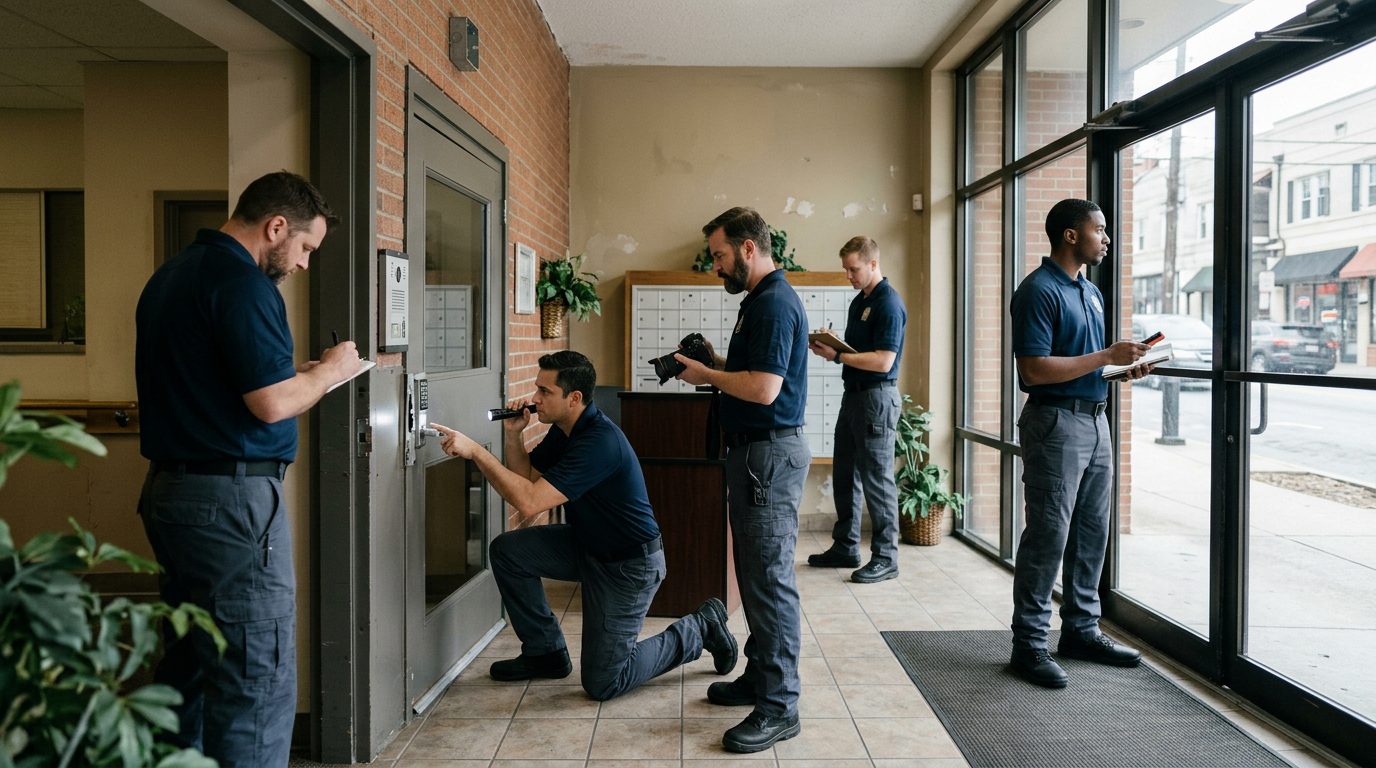
Document everything. Photograph broken locks, non-functional cameras, poor lighting, or other security gaps. Note the date and location of each photograph. These images are powerful evidence.
Gather evidence. Collect police reports, medical records, witness statements, and any prior complaints you or other tenants made about security. If you reported a security concern to the landlord before the incident, that communication is crucial.
Preserve communications. Keep emails, text messages, or letters to the landlord or property manager about security concerns. These show that the landlord was aware of the problem.
Note the timeline. Record when you first reported the security issue, when the incident occurred, and how the landlord responded (or didn’t respond).
Seek medical attention if you were injured and keep all records, including bills, treatment notes, and prescriptions.
Do not assume nothing can be done. Many people in your situation have legal options. The incident may not be purely your fault, and the landlord’s negligence may be actionable.
How a Premises Liability Claim Works in Security Negligence Cases
A premises liability claim for security negligence requires you to prove four elements:
-
The landlord owed you a duty of care. They did—landlords have a legal duty to maintain safe premises and protect tenants from foreseeable harm.
-
The landlord breached that duty. They failed to provide reasonable security measures despite knowing or should knowing of a foreseeable risk.
-
The breach caused your injury. The inadequate security made the crime more likely or enabled it to occur.
-
You suffered actual damages. These include medical bills, lost wages, pain and suffering, and other losses resulting from your injury.
The landlord’s insurance may cover the claim, or the property owner may be directly liable. These cases often require investigation into the property’s history, prior incidents, maintenance records, and industry standards for security. That investigation takes time and experience.
Why Professional Guidance Matters
Security negligence cases are fact-intensive and require careful investigation. You need to know what evidence to gather, how to preserve it, and how to present it. Landlords and their insurers often dispute liability in these cases—they may argue the crime was unforeseeable, that their security was reasonable, or that the criminal act was the sole cause of your injury.
You need someone who understands Georgia premises liability law, knows how to investigate these claims, and can navigate the legal process. Timing also matters: there are deadlines for filing claims in Georgia, and evidence can disappear if not preserved quickly.
An attorney can help you understand whether your situation involves negligent security or something else entirely. They can also advise you on what evidence you need, what your claim may be worth, and what steps to take next.
Frequently Asked Questions
Can a landlord be held liable for a crime committed by a third party?
Yes, if the landlord’s failure to maintain reasonable security made the crime foreseeable and more likely to occur.
What counts as “reasonable” security?
Reasonable security depends on the property’s location, size, prior crime history, and industry standards for similar properties in the area.
How do I prove the landlord knew about a security problem?
Prior complaints, maintenance requests, police reports of prior crimes on the property, and communications with management all help establish knowledge.
How long do I have to file a claim in Georgia?
Georgia has a two-year deadline for personal injury claims, but you should act quickly to preserve evidence and gather information.
Do I need a lawyer to pursue a security negligence claim?
These cases are complex and require investigation. An attorney can help you understand your rights and navigate the process.
If you were harmed in an apartment break-in, assault, or robbery where security was inadequate, you may have grounds for a claim. Many people in your situation don’t realize that a landlord’s negligence may be responsible for what happened—and they reach out to understand their options. We’re here to help you investigate what occurred, gather the evidence you need, and explain what your situation may mean for you.
How Negligent Security Claims Work
Landlord Duty to Tenants
Property owners have a legal duty to maintain reasonable security measures. This includes adequate lighting, locks, surveillance, and security personnel where appropriate for the property's location and history.
Foreseeability Matters
A landlord may be held liable for crimes or injuries that occur when inadequate security made the harm foreseeable. Prior crime at the property, nearby criminal activity, or industry standards for similar complexes all factor into what's 'reasonable.'
Building Your Case
We gather evidence about the property's security measures, prior incidents, maintenance records, and what comparable complexes in the area provide. We also examine whether the landlord knew or should have known about security gaps.
Your Role
You describe what happened, when it occurred, and how you were injured. We handle the investigation, legal research, and negotiation with the landlord's insurance company or attorney.
Important: Fees and Costs
We handle negligent security cases on a contingency basis—meaning no attorney fees unless there is a recovery. However, you may still be responsible for case costs and expenses, such as investigation fees, expert reports, or court filing fees, depending on your agreement with us.
Common Apartment Complex Security Failures
Broken Locks & Entry Controls
Malfunctioning door locks, broken gate systems, or absent keycard readers allow unauthorized entry, increasing the risk of assault, robbery, or other crimes.
Poor Lighting
Dark hallways, parking areas, and grounds make it easier for criminals to hide and harder for residents to see threats. Adequate lighting is a basic security standard.
No Security Personnel or Cameras
Depending on the complex's size and location, the absence of security guards or surveillance cameras may fall below reasonable standards, especially if prior crimes occurred.
Failure to Address Prior Crime
When a landlord knows crimes have happened on the property but takes no action to improve security, they may be liable for subsequent injuries or crimes.
Frequently Asked Questions
Can a landlord be held liable for a crime committed by a third party?
Yes, if the landlord's failure to maintain reasonable security made the crime foreseeable and more likely to occur. The criminal's actions don't automatically shield the landlord from responsibility for negligent security.
What counts as 'reasonable' security?
Reasonable security depends on the property's location, size, prior crime history, and industry standards for similar properties in the area. A complex in a high-crime neighborhood may need more security than one in a quiet suburb.
Do I need to prove the landlord knew about the specific threat?
Not always. If prior crimes occurred at the property or in the surrounding area, a landlord may be on notice that security improvements are necessary—even without knowing about the exact incident that harmed you.
What if I was injured during a break-in or assault?
If inadequate security made your injury possible, you may have a claim. We investigate whether the landlord's negligence created the dangerous condition that led to your harm.