
Premises Liability | Duluth, Georgia
Premises Liability in Georgia, Explained in Plain Language
General information from Slam Dunk Attorney, a personal injury practice based in Duluth, Georgia, about injuries that may happen on property someone else owns or controls.
By Peter F. Jaraysi · Published October 14, 2026
Short Answer: Is Premises Liability a Tort?
Yes, in general. Premises liability is usually treated as a negligence-based tort. A tort is a civil wrong that can lead to a lawsuit for the harm it causes. Whether a specific injury fits this category depends on the facts, and exceptions may apply.
Maybe someone you care about was hurt on property they did not own. Or maybe you were hurt yourself. Either way, you may be trying to understand the legal label before you decide what comes next.
This page gives general information only. It does not decide whether a claim exists in your case. A lawyer can review your own facts and explain how Georgia rules may apply to them.
Here is the short version for Georgia readers. Premises claims are one kind of negligence claim. Negligence sits inside the wider body of tort law. The label matters because it shapes which rules may apply, including fault rules and filing deadlines. We cover those rules below.
If you are looking into an injury on someone else's property for yourself or a loved one, our team can talk it through in a free, confidential initial consultation, with no obligation to continue. Talk it through with our team — the first consultation is free, confidential, and carries no obligation.

What a Tort Is and How Civil Wrongs Differ from Crimes and Contract Breaches
Whether a civil claim exists depends on the facts of each case, so consider speaking with a lawyer about your own situation. In plain terms, it is a harmful act or failure to act that the law treats as a private injury. The injured person may bring a civil lawsuit to seek compensation, which means money to cover the losses the harm caused.
A crime is different. The state brings criminal charges, and the goal is punishment and public safety. A crime and a tort can grow out of the same event. One incident might lead to a criminal case and a separate civil claim. The two proceed on their own tracks and follow different rules.
A contract breach is also different. It happens when someone fails to keep a promise in an agreement. A tort involves harm that arises outside a promise, such as an injury on someone’s property. Some situations overlap, so the facts matter.
Many people assume a criminal charge or police report decides who is at fault in a civil claim. That may not be true. A police report or criminal result is a separate matter, and it may or may not affect a civil case. Ask a lawyer how it applies to yours.
Where Premises Liability Fits Within Negligence Law
Premises liability is a branch of negligence law. It focuses on the duty an owner or occupier may owe to people who come onto the property. An occupier is someone who controls the property, such as a tenant or a manager, even when they do not own it.
Georgia’s owner-duty statute is often cited in these cases. Under Georgia premises liability principles, an owner or occupier who invites others onto the premises for a lawful purpose may be liable for injuries caused by a failure to use ordinary care in keeping the premises and approaches safe, depending on the facts of each case. Consult a lawyer about your own situation. Whether that applies to your situation depends on the facts.
Visitor status matters too. Georgia law treats people differently based on why they are on the property. Georgia law describes a licensee as someone who is on the property merely for their own interests, and how that applies depends on the facts of each case. Consult a lawyer about your own situation. It says an owner is liable to a licensee only for willful or wanton injury. Whether someone is a licensee, invitee, or another kind of visitor depends on the facts.
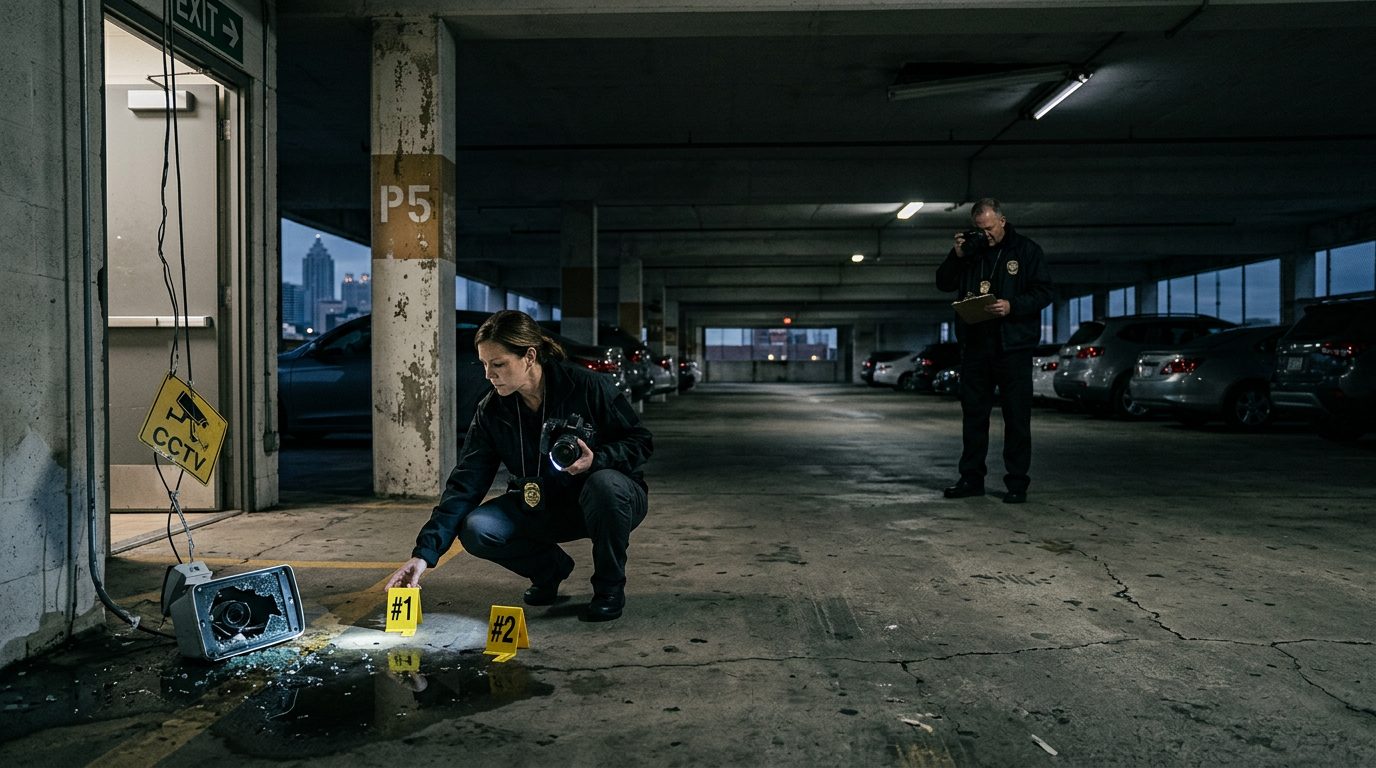
Hazards that may be relevant in premises cases include wet floors, broken stairs, poor lighting, and inadequate security. Slip and fall and negligent security are two common types of premises claims. Negligent security follows its own statutory rules, which we discuss separately.
The Elements a Claimant Generally Must Show in a Negligence-Based Claim
Whether a negligence claim exists depends on the facts of each case, and a lawyer can explain how the general principles may apply to your situation. These are general terms. How they apply depends on the facts of each case, and a court or jury decides contested issues.
Duty asks whether the owner or occupier owed the person a duty of care. In premises cases, the visitor’s status and the circumstances often shape that duty. Breach asks whether the owner failed to use ordinary care, such as by not fixing a hazard it knew about or should have found through reasonable inspection. Causation asks whether that failure was a cause of the harm. Damages refers to the harm and losses that resulted from the injury.
In many premises disputes, a central question is what the owner knew or should have known about a hazard. Answers may come from inspection practices, prior complaints, or the history of the condition. These are fact questions. Evidence can point in different directions, and no outcome can be promised.
Premises Liability and Other Negligence Claims: Clearing Up the Terms
Premises liability is a type of negligence claim tied to a property’s condition or to the owner’s control over it. The term “personal liability” appears in some articles, but writers use it inconsistently. Some use it for general negligence claims. Others mean something different. Check how any writer defines a term before relying on it.
Premises liability concerns injuries that happen because of conditions on land or inside a structure. A hazard on a store floor or a broken stair are examples that may be relevant. A car accident, a dog bite, or a truck collision is a different setting. Those claims involve different facts, and the rules that apply can differ. The same basic negligence ideas may still appear, but they are applied in different ways.
Rules and terms can also differ from state to state. Articles you read elsewhere may describe another state’s law. Georgia rules may not match them, so confirm which state’s rules apply to your situation.
Fault, Deadlines, and Why the Tort Framing Matters Under Georgia Law
Georgia’s comparative fault statute can reduce recovery based on the injured person’s share of fault (O.C.G.A. § 51-12-33; Quynn v. Hulsey, 310 Ga. 473 (2020)). Georgia’s comparative-fault rules may reduce damages in proportion to the injured person’s percentage of fault, and exceptions may apply. How these rules apply depends on the facts of each case, so consult a lawyer about your situation. Georgia’s comparative-fault statute, O.C.G.A. § 51-12-33, generally bars recovery for a person found 50 percent or more responsible for their own injury, but how this applies depends on the facts of your case and exceptions may apply. How this works in a given case depends on the facts, and exceptions may apply.
Georgia also has an avoidance rule. Georgia law recognizes that a plaintiff who, by ordinary care, could have avoided the consequences of the defendant’s negligence may not be entitled to recover. This depends on the facts of each case, and exceptions may apply. Consult a lawyer about your situation. The same statute says that in other cases the defendant is not relieved, even if the plaintiff contributed to the injury. Which situation applies depends on the facts.
Deadlines matter too. Georgia generally requires actions for injuries to the person to be brought within two years after the right of action accrues, but exceptions exist and the deadline depends on the facts of your case. Consult a lawyer about your situation, because how any filing deadline applies depends on the facts of your case and exceptions may apply. O.C.G.A. § 9-3-33 sets a general time limit for personal injury claims, and it is subject to exceptions, so exceptions may apply depending on the facts of your case. When a right of action accrues can depend on the facts. Review the deadline in your own case with a lawyer.
The tort label helps identify which rules may apply, including fault and deadline rules. It does not predict how any claim will turn out.
Not sure what your next step is?
Talk it through with our team — the first consultation is free, confidential, and carries no obligation.
Documentation and Practical Questions a Reader May Be Asking
Some records help show what happened. Medical records document the care a person received. Photos taken at the scene show conditions as they looked at that time. Incident reports record what was reported. These items document facts. Whether any of them matters to a particular claim depends on that claim’s facts.
Many readers research for someone else. A family member may be dealing with a serious injury. Others read this after a loss, such as a death. Wrongful death and nursing home abuse questions have their own rules, which also depend on the facts. This page does not cover them in full.
For more background, read our premises liability guide for Georgia. Our Duluth premises liability services page describes the work we do in this area. The premises liability insurance coverage page covers a related topic. Coverage depends on the policy and the facts.
Is premises liability a tort in Georgia? Generally, yes. It is usually treated as a negligence-based tort, and application depends on the facts.
Does a tort mean I have a lawsuit? No. A tort describes a type of civil wrong. Whether a claim exists depends on the facts.
Is a slip and fall a premises liability claim? It can be. That depends on the facts, including the visitor’s status.
Talk With a Lawyer About Your Situation
You may be reading this while dealing with an injury or a loss you did not choose. You might be doing it for someone you love. You don’t need to decide anything today.
If you want to talk through what happened, Slam Dunk Attorney in Duluth, Georgia offers a free, confidential initial consultation, with no obligation to continue. Peter F. Jaraysi can review whether a claim may exist, depending on the facts. You can reach out through our contact page.
Attorney advertising. This page is general information, not legal advice. Peter F. Jaraysi is the responsible lawyer for Slam Dunk Attorney, Duluth, Georgia. Contact: https://slamdunkattorney.com/contact-us/. Each case depends on its own facts, and no outcome can be promised.
Citation note for the reviewer: Two approved-source links were added (Quynn v. Hulsey on the 50-percent bar, and Cameron v. Jmp Pizza on the two-year deadline), which meets the minimum of two. The IIHS, CMS, and OSHA sources were not inserted because none of their content directly supports a specific claim in this article.
How Our Team Can Help
Based in Duluth, Georgia
Slam Dunk Attorney is based in Duluth, Georgia, and represents people hurt in accidents across metro Atlanta and Georgia.
Plain-Language Guidance
Our team works to explain the legal terms, process, and questions that can come up after a property-related injury, so you can make informed decisions.
Free First Consultation
Your first consultation is free, confidential, and comes with no obligation to continue.
Support Staff Who Help You Stay Informed
Our office staff and assistants help coordinate contact and keep you informed, while attorney Peter F. Jaraysi reviews the facts of your matter.
General Information, Not Legal Advice
This page does not create an attorney-client relationship and cannot tell you whether you have a claim. Whether a claim exists, what rules apply, and what options may be available depend on the facts of your situation. Please consult a lawyer about your own case.
Common Property Injury Topics Covered on This Page
Slip and Fall
Injuries that can happen when a walking surface is wet, uneven, or otherwise hazardous on property controlled by someone else.
Dog Bites
Injuries that may occur on another person's property, where ownership, control, and the facts of the incident can matter.
Negligent Security
Injuries connected to inadequate security on a property, where the surrounding facts and location of the incident are central questions.
Unsafe Properties
Hazards such as poor maintenance or unsafe conditions that may be relevant when a property owner or manager's responsibilities are questioned.