

Premises Liability Explained
Premises Liability vs General Liability: What's the Difference?
Understanding which type of liability applies to your injury claim—and why it matters for your case.
By Peter F. Jaraysi · Published September 30, 2026
What’s the Difference Between General Liability and Premises Liability?
Premises liability and general liability are two distinct types of legal responsibility. Premises liability covers injuries caused by the condition of a property—such as a slip on a wet floor or a dog bite on the owner’s grounds. General liability covers injuries caused by what a business actively does—such as an employee’s negligent conduct or a product defect. Both protect against lawsuits, but they apply to different kinds of harm.
If you’ve been hurt on someone else’s property in Georgia, understanding which type of liability applies to your situation is an important first step.
If you were injured on someone else's property due to an unsafe condition—a slip, a fall, poor lighting, or a dog bite—you may have a premises liability claim; people in your situation reach out to us regularly to understand their options. Talk it through with our team — the first consultation is free, confidential, and carries no obligation.
The Core Difference: Scope and Focus
General liability focuses on what the business does; premises liability focuses on the condition of the property itself.
General liability insurance protects a business when its operations, products, or employees cause injury or damage. For example, if a contractor accidentally hits a customer with a tool, that’s a general liability claim. The injury happened because of the contractor’s active conduct.
Premises liability insurance protects a property owner when a visitor is injured because of an unsafe condition on the property. For example, if a customer slips on a wet floor that wasn’t cleaned or marked with a warning sign, that’s a premises liability claim. The injury happened because of the property’s condition, not because of anything the owner actively did to the person.
Both are important protections for businesses and property owners, but they address different risks.
What General Liability Covers
General liability covers injuries or damage caused by the business’s active operations, products, or employees.
General liability typically includes:
- Injuries caused by something an employee did (negligent conduct)
- Damage caused by a product the business sells or provides
- Advertising injury or defamation claims
- Injuries from the business’s professional services
The focus is on the business’s active conduct—what it did or failed to do in performing its services or operations. General liability is broader in scope and can apply to injuries that happen on the property or off-site.
What Premises Liability Covers
Premises liability covers injuries that happen because of an unsafe condition on the property itself.
Premises liability typically includes:
- Slip and fall accidents from wet floors, spills, or poor maintenance
- Injuries from broken stairs, loose railings, or structural defects
- Dog bite injuries on the property owner’s premises
- Injuries from inadequate lighting in parking lots or entryways
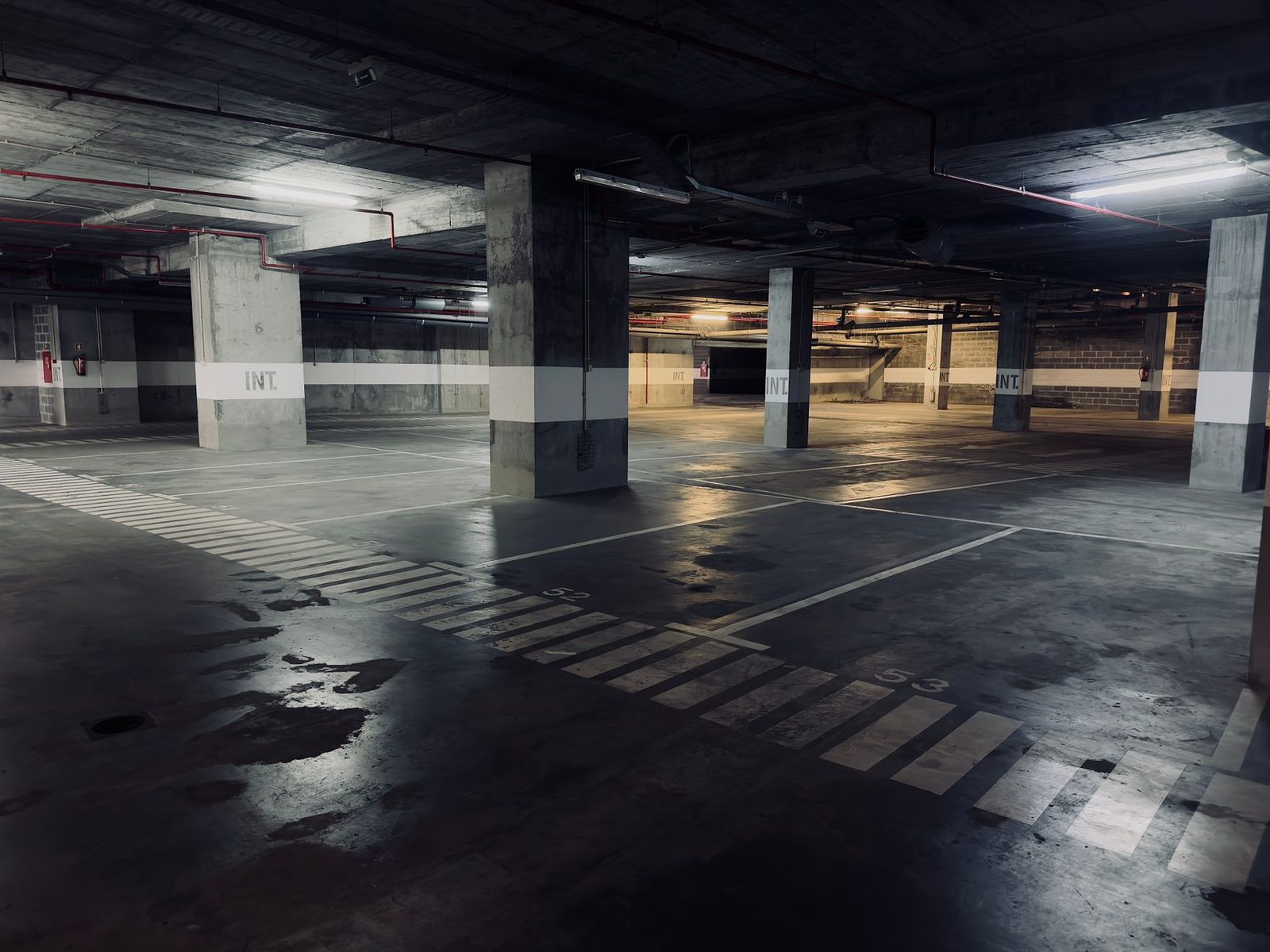
- Injuries from unsecured objects, debris, or negligent security
The focus is on the property owner’s duty to maintain a safe environment and warn visitors of known dangers. Premises liability is narrower and specific to on-premises incidents caused by the property’s condition.
Is Premises Liability the Same as General Liability?
No—premises liability and general liability are distinct types of liability, though both fall under business insurance.
Premises liability is narrower and specific to injuries caused by property conditions. General liability is broader and covers injuries caused by the business’s operations, products, or conduct.
However, a single incident can involve both types of liability. For example, imagine a business employee negligently causes a spill on the floor. A customer then slips on the spill and is injured. The slip-and-fall injury could be a premises liability claim (the floor was unsafe), and the negligent spill could also trigger general liability (the employee’s conduct caused the spill). Both may apply.
Real-World Examples of Premises Liability
Understanding premises liability is easier with concrete examples. Here are common situations that fall under premises liability:
- A customer slips on a spill in a grocery store that wasn’t cleaned up or marked with a warning sign
- A visitor is injured by a loose handrail on a staircase
- Someone is bitten by a dog on the owner’s property
- A guest is injured due to poor lighting in a parking lot or entryway
- A person is hurt by an unsecured object or debris left on the property
- A visitor is injured due to inadequate security measures that allowed a criminal to enter
In each case, the injury resulted from a condition of the property, not from the property owner’s or employee’s active conduct.
Not sure what your next step is?
Talk it through with our team — the first consultation is free, confidential, and carries no obligation.
What Does Premises Liability Mean in Insurance?
Premises liability in insurance means the legal responsibility of a property owner to keep their premises reasonably safe for visitors and guests.
Property owners have a duty under Georgia negligence law to:
- Inspect and maintain their property in a reasonably safe condition
- Warn visitors of known hazards
- Repair dangerous conditions promptly
- Take reasonable steps to prevent foreseeable injuries
If a property owner fails to meet these duties and a visitor is injured as a result, the owner may be liable for damages. Premises liability insurance covers the costs of defending against such claims and paying damages if the owner is found liable.
The key is that the injury must result from the property’s condition, not from the owner’s or employee’s active conduct toward the injured person.
How Long Does a Premises Liability Lawsuit Take?
The timeline for a premises liability case depends on the complexity of the injury, the severity of damages, and whether the parties settle or go to trial.
Many premises liability claims are resolved through settlement negotiations within several months to a year. During this time, both sides gather evidence, exchange information, and negotiate a resolution.
If the case doesn’t settle and goes to trial, the process typically takes one to three years or longer. Early investigation and careful documentation of the incident—including photos of the hazardous condition, witness statements, and medical records—can help move the case forward more efficiently.
Key Differences at a Glance
Here’s a quick comparison:
| Aspect | General Liability | Premises Liability |
|---|---|---|
| What it covers | Injuries from the business’s operations, products, or employee conduct | Injuries from the property’s condition |
| Focus | What the business does | The property’s state of repair and safety |
| Scope | Broader; can apply on or off the property | Narrower; specific to on-premises incidents |
| Examples | Employee negligence, product defect, advertising injury | Slip and fall, dog bite, broken stairs, poor lighting |
Both are important protections, but they address different risks and apply to different situations.
When You May Need a Premises Liability Claim
You may have a premises liability claim if you were injured on someone else’s property due to an unsafe condition.
Ask yourself:
- Was I injured on someone else’s property?
- Was the injury caused by a condition of the property—such as a spill, broken stairs, poor lighting, or a dog?
- Did the property owner know or should they have known about the hazard?
- Did the property owner fail to fix the hazard or warn me about it?
- Was my injury a direct result of that unsafe condition?
If you answered yes to these questions, you may have a premises liability claim. Understanding whether your situation involves premises liability is an important first step in determining your options and next steps.
FAQ
Is premises liability the same as general liability?
No. Premises liability covers injuries from property conditions; general liability covers injuries from business operations and conduct.
What are common types of premises liability claims?
Slip and fall accidents, dog bites, injuries from broken stairs or railings, inadequate lighting, and injuries from negligent security are common premises liability claims.
Can a property owner avoid premises liability?
Property owners can reduce their risk by inspecting their property regularly, maintaining it in safe condition, repairing hazards promptly, and warning visitors of known dangers.
How do I know if I have a premises liability case?
If you were injured on someone else’s property due to an unsafe condition that the owner knew or should have known about, you may have a case. Documenting the hazard and your injuries is important.
What damages can I recover in a premises liability claim?
Damages may include medical expenses, lost wages, pain and suffering, and other costs related to your injury—though the amount depends on the specifics of your case.
If you were injured on someone else’s property in the metro Atlanta area or elsewhere in Georgia due to an unsafe condition, you don’t have to navigate this alone. Our attorneys have handled slip and fall accidents, dog bites, negligent security cases, and other premises liability claims. Contact us for a free case review to discuss what happened and explore your options.
Key Differences at a Glance
Premises Liability
Covers injuries caused by unsafe or dangerous conditions on a property—such as a wet floor, broken stairs, poor lighting, or a dog bite. The property owner or manager may be liable if they knew (or should have known) about the hazard and failed to fix it or warn visitors.
General Liability
Covers injuries caused by a business's operations, products, or conduct—such as an employee's negligent actions or a defective item sold by the business. It typically applies to injuries that result from what the business does, not the condition of the property itself.
Who Is Liable
In premises liability, the property owner or manager is usually responsible. In general liability, the business or the person whose conduct caused the injury is responsible. The distinction affects who can be sued and what insurance may cover the claim.
Common Premises Liability Claims
Slip and fall accidents, dog bites, injuries from negligent security, nursing home abuse or neglect, injuries from broken railings or steps, and harm from inadequate maintenance or unsafe conditions on the property.
Why This Matters for Your Claim
Correctly identifying whether your injury involves premises liability or general liability—or both—is crucial. It determines who you can hold responsible, what evidence you'll need, and which insurance policies may cover your damages. An injury might involve both types of liability, which can strengthen your claim.
How We Can Help
Investigate Your Injury
We examine the facts of your case to determine whether premises liability, general liability, or both apply to your situation.
Identify All Responsible Parties
We identify every party who may be liable—property owners, managers, businesses, or individuals—so you can pursue full compensation.
Build Your Case
We gather evidence, interview witnesses, and work with professionals to establish negligence and prove your damages.
Transparent Communication
We explain the distinction between liability types in plain language and keep you informed every step of the way.
Common Questions
Can I have both premises liability and general liability claims?
Yes. For example, if you're injured at a restaurant due to a wet floor (premises liability) and also because a server negligently spilled something on you (general liability), both may apply. We evaluate all angles of your injury.
What do I need to prove in a premises liability case?
You generally must show that the property owner or manager knew (or should have known) about the dangerous condition, failed to fix it or warn visitors, and that condition caused your injury. We help gather the evidence needed to establish these points.
How long do I have to file a claim?
Time limits vary depending on the type of injury and the parties involved. It's important to act promptly. Contact us to discuss your specific situation and ensure your rights are protected.
What if the property owner claims I was careless?
Georgia law allows for comparative fault, meaning your recovery may be reduced if you share some responsibility. We work to minimize any finding of fault on your part and maximize your compensation.
Injured on Someone Else's Property?
Related practice areas
- Premises Liability Lawyer in Georgia: Injured on Someone Else’s Property