
Premises Liability | Georgia
Injured by Poor Lighting? You May Have a Claim
Property owners have a duty to maintain safe conditions. When inadequate lighting causes a fall or injury, we help you pursue compensation.
By Peter F. Jaraysi · Published September 25, 2026
Inadequate Lighting and Premises Liability: Can You Sue?
Yes, you can potentially sue a property owner for an injury caused by inadequate lighting if the owner failed to maintain reasonably safe conditions and you can show they knew or should have known about the poor lighting. Whether you have a valid claim depends on specific facts about the property, the lighting conditions, and how your injury happened.
Not sure what your next step is?
Talk it through with our team — the first consultation is free, confidential, and carries no obligation.
What Is Premises Liability and How Does Lighting Matter?
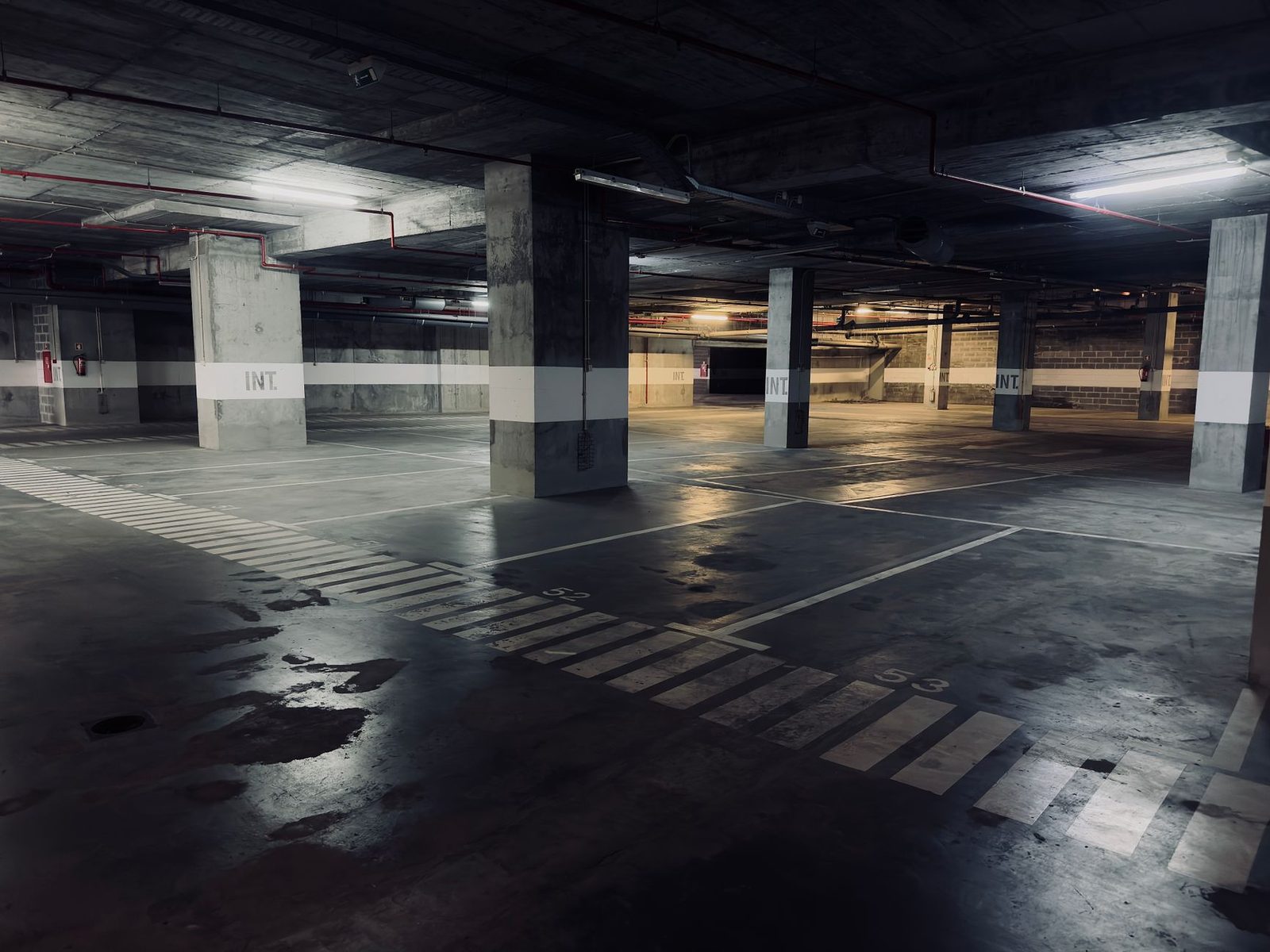
Premises liability is a property owner’s legal duty to keep their property reasonably safe for visitors. Inadequate lighting is a recognized hazard that increases the risk of falls, trips, collisions, and even criminal activity. Poor lighting in common areas—parking lots, hallways, stairwells, entrances, loading docks—is preventable and courts recognize it as a basis for liability claims.
When you’re injured because you couldn’t see an obstacle or hazard due to darkness or insufficient light, the property owner’s failure to provide adequate illumination may be negligence. This is especially true in commercial spaces where visitors have a reasonable expectation of safe conditions.
Georgia’s Legal Standard: What Duty Do Property Owners Owe?
Georgia law requires property owners to exercise reasonable care to maintain their property in a safe condition for lawful visitors. “Reasonable care” means what a prudent property owner would do under similar circumstances—not a guarantee of absolute safety, but a duty to address known or foreseeable hazards.
This duty extends to all common areas where visitors are expected: parking lots, hallways, stairwells, entrances, and loading areas. Commercial properties, apartment complexes, and retail facilities are generally held to a higher standard of care regarding lighting than private residential properties. If a property owner knows lights are broken or illumination is inadequate in a high-traffic area, they must take reasonable steps to fix the problem or warn visitors.
The law doesn’t require perfection. It requires that the owner act like a reasonable business operator would in the same situation.
When Does Inadequate Lighting Create Legal Liability?
Several factors determine whether poor lighting supports a premises liability claim:
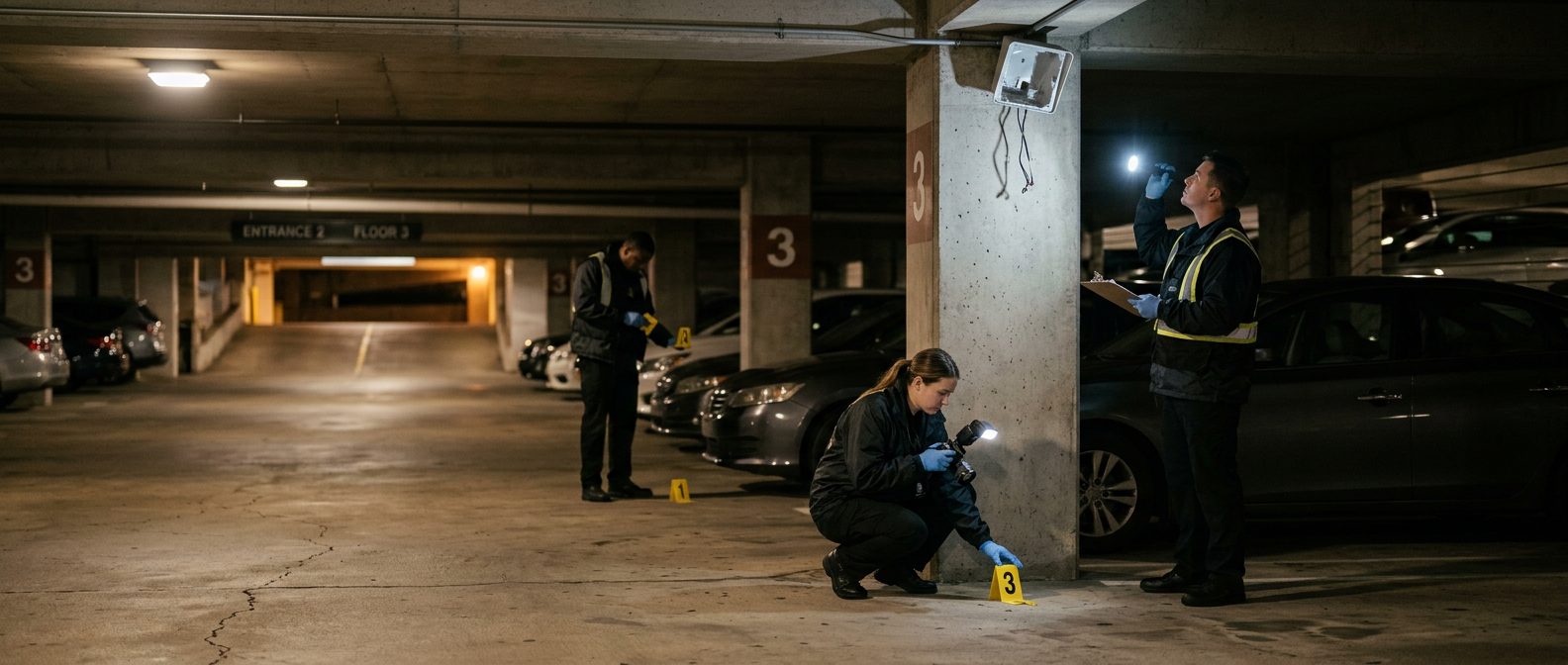
Foreseeability. Did the property owner know or should they have known that inadequate lighting created a risk of injury? If lights have been broken for weeks or the owner has received complaints about darkness in a parking lot, foreseeability is strong.
Pattern of incidents. A history of accidents or complaints in the same area strengthens your claim. If others have fallen on the same dark stairwell or tripped in the same poorly lit hallway, that pattern shows the owner should have acted.
Type of property. Commercial spaces and apartment complexes face stricter lighting standards than private homes. OSHA standards establish that adequate lighting is a fundamental workplace and property safety requirement, and courts recognize these industry benchmarks.
Time and location. Lighting failures in high-traffic areas or after dark are more likely to trigger liability. A burned-out light in a busy retail parking lot at night is a bigger problem than a dim corner of a rarely used storage room.
Industry standards. What do similar properties do? If retail centers in the area maintain well-lit parking lots and yours doesn’t, that gap matters.
Examples of Inadequate Lighting Scenarios
Inadequate lighting premises liability claims often involve:
- A parking lot with multiple burned-out lights where you tripped on uneven pavement you couldn’t see
- An apartment stairwell with no working bulbs where you missed a step and fell
- A retail store entrance with dim lighting where you stepped into a pothole or missed a curb
- A hallway or common area in a commercial building where visibility was so poor you collided with an object or person
- An outdoor walkway or loading dock with insufficient lighting at night where you fell or struck something
In each scenario, the question is the same: did the property owner know or should they have known the lighting was inadequate, and did that inadequate lighting directly cause your injury?
What You’ll Need to Prove
To establish inadequate lighting premises liability, you must show:
-
The property owner owed you a duty of care. They almost always do for visitors in common areas.
-
The lighting was inadequate and created an unsafe condition. This may require evidence like photos, video, or expert testimony about industry standards.
-
The owner knew or should have known about the poor lighting. Maintenance records, prior complaints, or evidence that lights had been broken for a long time help prove this.
-
You were injured as a direct result of the inadequate lighting. Your injury must have been caused by the poor visibility, not something else.
-
Your injury caused real damages. Medical bills, lost wages, pain and suffering, and ongoing treatment costs all count.
Not sure what your next step is?
Talk it through with our team — the first consultation is free, confidential, and carries no obligation.
Common Defenses Property Owners Raise
Expect the property owner’s insurance company to argue:
- You were careless or not paying attention to where you were walking
- The lighting was actually adequate for the circumstances
- You assumed the risk by being in that area
- The hazard was obvious and you should have avoided it
- The owner had no notice of the lighting problem
These defenses don’t always succeed, but property owners and their insurers will pursue them. That’s why evidence—photos, witness statements, maintenance records—is critical.
Evidence That Strengthens Your Claim
Gather and preserve:
- Photos or video of the lighting conditions at the time and place of injury (return to the scene soon after if safe to do so)
- Maintenance records showing the owner knew about broken lights or had received complaints
- Witness statements from others who saw the poor lighting or were present when you were injured
- Prior incident reports or complaints from the same location
- Expert testimony about industry standards for lighting in similar properties
- Medical records documenting your injuries and treatment
The sooner you collect this evidence, the better. Lighting conditions change, memories fade, and records get lost.
What Happens Next: Steps in a Premises Liability Claim
After an injury, the process typically follows this path:
Investigation. A lawyer gathers evidence about the lighting, the incident, and the property owner’s maintenance practices.
Demand letter. Your attorney presents your claim to the property owner’s insurance company with supporting evidence.
Negotiation. Both sides work toward a settlement.
Litigation. If settlement talks don’t resolve the matter, a lawsuit is filed in court.
Timeline. Premises liability claims in Georgia are subject to a statute of limitations, so consulting an attorney promptly after an injury is important to preserve evidence and meet filing deadlines.
Why You Should Talk to a Lawyer
Determining whether inadequate lighting premises liability applies to your situation is fact-specific and requires careful investigation. Property owners and their insurers will defend aggressively. You may be entitled to compensation for medical expenses, lost income, and pain and suffering—but you won’t know without a thorough review of the facts.
Many people injured in dark or poorly lit areas don’t realize they have a valid claim. A lawyer can gather evidence before it disappears, handle negotiations on your behalf, and protect your rights throughout the process.
FAQ
Can I sue if I fell in a dark apartment hallway?
Yes, if the apartment owner knew or should have known the lights were broken and failed to repair them, you may have a premises liability claim.
What if the property owner says the lighting was adequate?
You can challenge this with photos, video, expert testimony about industry standards, and evidence of prior complaints or incidents in the same area.
How long do I have to file a claim?
Georgia law sets a statute of limitations for premises liability claims, so contact an attorney as soon as possible after your injury.
Do I need a witness to prove inadequate lighting caused my injury?
A witness helps, but photos, video, medical records, and expert testimony can also establish the connection between poor lighting and your fall or collision.
What if I was partially careless?
Georgia recognizes comparative fault (shared responsibility). You may still recover damages even if you were partly at fault, though your recovery may be reduced.
If you were injured falling or colliding with something in a dark or poorly lit area on someone else’s property—a parking lot, stairwell, hallway, or entrance—you may have a premises liability claim worth investigating. People in your situation contact our office regularly to discuss what happened and whether the property owner’s failure to provide adequate lighting created liability. Reach out for a free case review to discuss your injury and what comes next.
Time Matters
Premises liability claims are subject to strict deadlines under Georgia law. Preserve evidence—photos of the lighting, maintenance records, and witness statements—as soon as possible after your injury.
What Makes a Lighting Failure a Legal Claim?
Property Owner Knowledge
The owner must have known—or reasonably should have known—that lights were broken, dim, or absent in areas where people were expected to walk.
Failure to Repair or Warn
The owner had a duty to fix the problem or warn visitors of the hazard. Ignoring broken fixtures or failing to post warnings can establish liability.
Causation
The poor lighting must have directly caused or contributed to your fall or injury. This is often shown through photos, video, lighting measurements, and expert testimony.
Your Reasonable Use
You were using the property in a normal, foreseeable way—walking through a hallway, parking lot, or common area—when the injury occurred.
How We Help
Investigate the Scene
We gather photos, lighting measurements, maintenance records, and security footage to document the unsafe condition and the owner's knowledge of it.
Build Your Case
We identify witnesses, consult industry standards for adequate lighting, and work with experts to prove the owner's negligence caused your injury.
Handle All Communications
We negotiate with property owners, insurers, and their lawyers so you can focus on recovery.
Clear, Honest Guidance
We explain your options, the strength of your claim, and what to expect—in plain language, without pressure or false promises.
Common Questions About Inadequate Lighting Claims
Can I sue if I fell in a dark apartment hallway?
Yes, if the apartment owner knew or should have known the lights were broken and failed to repair them, you may have a premises liability claim. The owner's duty includes maintaining common areas in safe condition.
What if the property owner says the lighting was adequate?
You can challenge this with photos, video, expert testimony about industry lighting standards, and evidence of prior complaints or maintenance issues. We gather the facts to support your claim.
Do I have to prove the owner knew about the broken lights?
Not necessarily. Georgia law holds owners responsible if they should have known—for example, if lights had been broken for weeks, or if other tenants had complained. We investigate the owner's knowledge and maintenance practices.
What if I was partly at fault for not watching where I walked?
Georgia allows recovery even if you share some fault, as long as you are less than 50% responsible; if you are 50% or more at fault, you recover nothing, and otherwise your damages are reduced by your share of fault. Poor lighting is a significant factor that can reduce your comparative fault.