
Premises Liability in Georgia
What You Need to Prove in a Premises Liability Claim
Understanding the legal requirements when you're injured on someone else's property
By Peter F. Jaraysi · Published October 03, 2026
What Evidence Do I Need to Prove a Premises Liability Claim in Georgia?
To prove a premises liability claim in Georgia, you must gather evidence showing four things: that the property owner owed you a duty of care, that they breached it, that the breach caused your injury, and that you suffered damages. Georgia law requires clear proof of each element—and the strength of your evidence often determines whether your claim succeeds.
If you've been injured on someone else's property in Georgia and you're gathering information about your options, reach out to discuss what happened—people in your situation contact us regularly. Talk it through with our team — the first consultation is free, confidential, and carries no obligation.
Understanding Premises Liability in Georgia
Premises liability is the legal responsibility a property owner has to keep their premises reasonably safe for visitors. It applies to slip-and-fall injuries, dog bites on the property, unsafe conditions like broken stairs or poor lighting, negligent security, and injuries from falling objects.
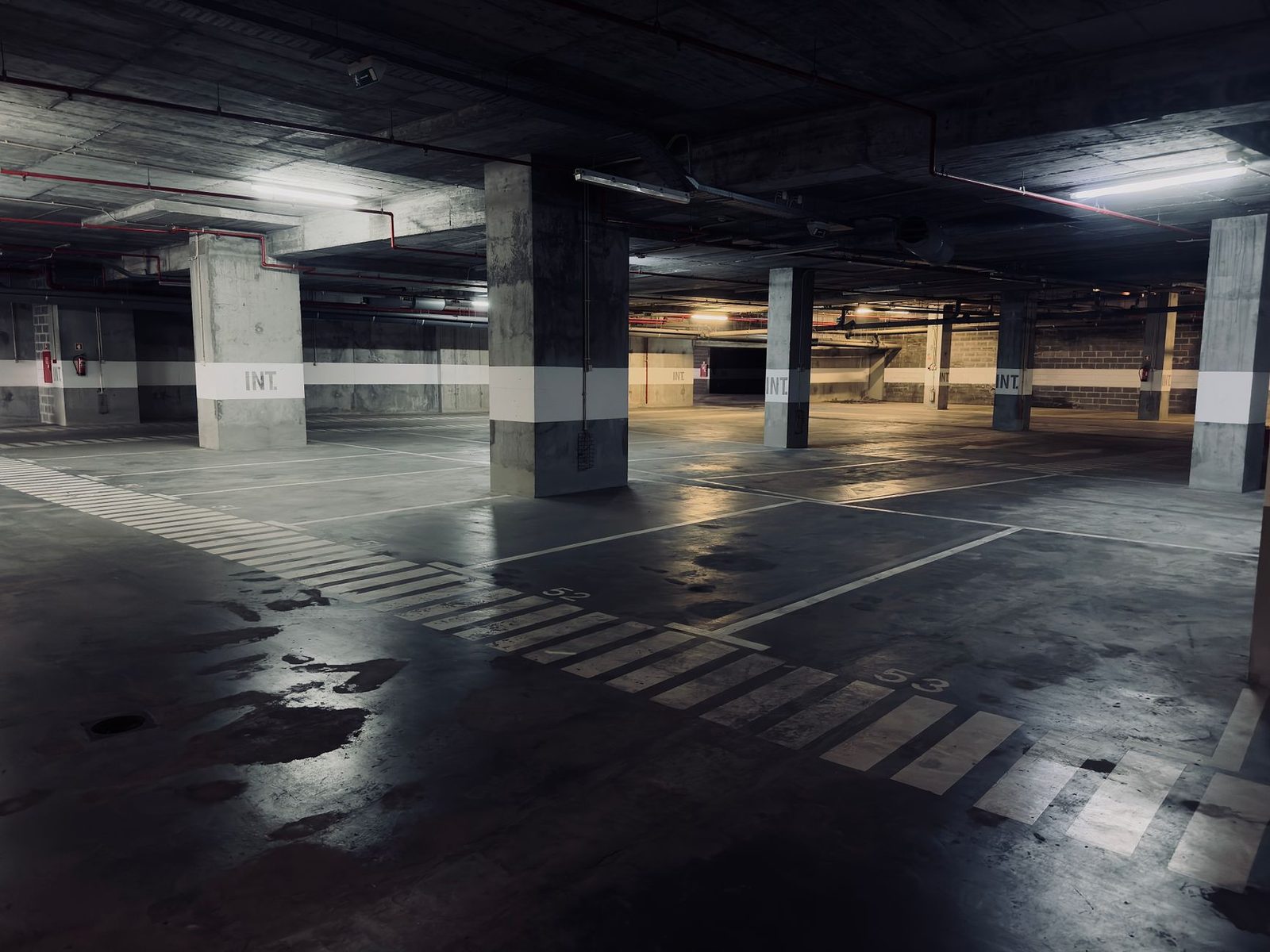
Georgia law doesn’t make property owners insurers against every injury. Instead, you must prove that the owner was negligent—meaning they failed in a duty they owed you. This applies whether you were injured at a store, apartment building, restaurant, parking lot, or someone’s home.
The Four Elements of a Premises Liability Claim—and What Evidence Supports Each
Every premises liability case in Georgia rests on four legal elements. Understanding what evidence proves each one will help you see whether you have a strong claim.
Element 1: Duty—The Property Owner Owed You a Duty of Care
Under O.C.G.A. § 51-3-1, a property owner must exercise ordinary care to maintain premises in a reasonably safe condition. The owner must also warn of hidden dangers they know about but that aren’t obvious to visitors.
Evidence that proves duty: – Your status as an invitee (customer, guest), licensee (social visitor), or trespasser—invitees and licensees receive stronger protection – The property’s nature and the owner’s knowledge that people like you would be there – The owner’s own safety policies or posted warnings
Element 2: Breach—The Owner Failed to Maintain Safe Premises or Warn of Hazards
A breach occurs when the owner failed to exercise ordinary care. This might mean they didn’t repair a broken step, didn’t clean up a spill, didn’t fix broken lighting, didn’t secure a lock, or didn’t warn of a known danger.
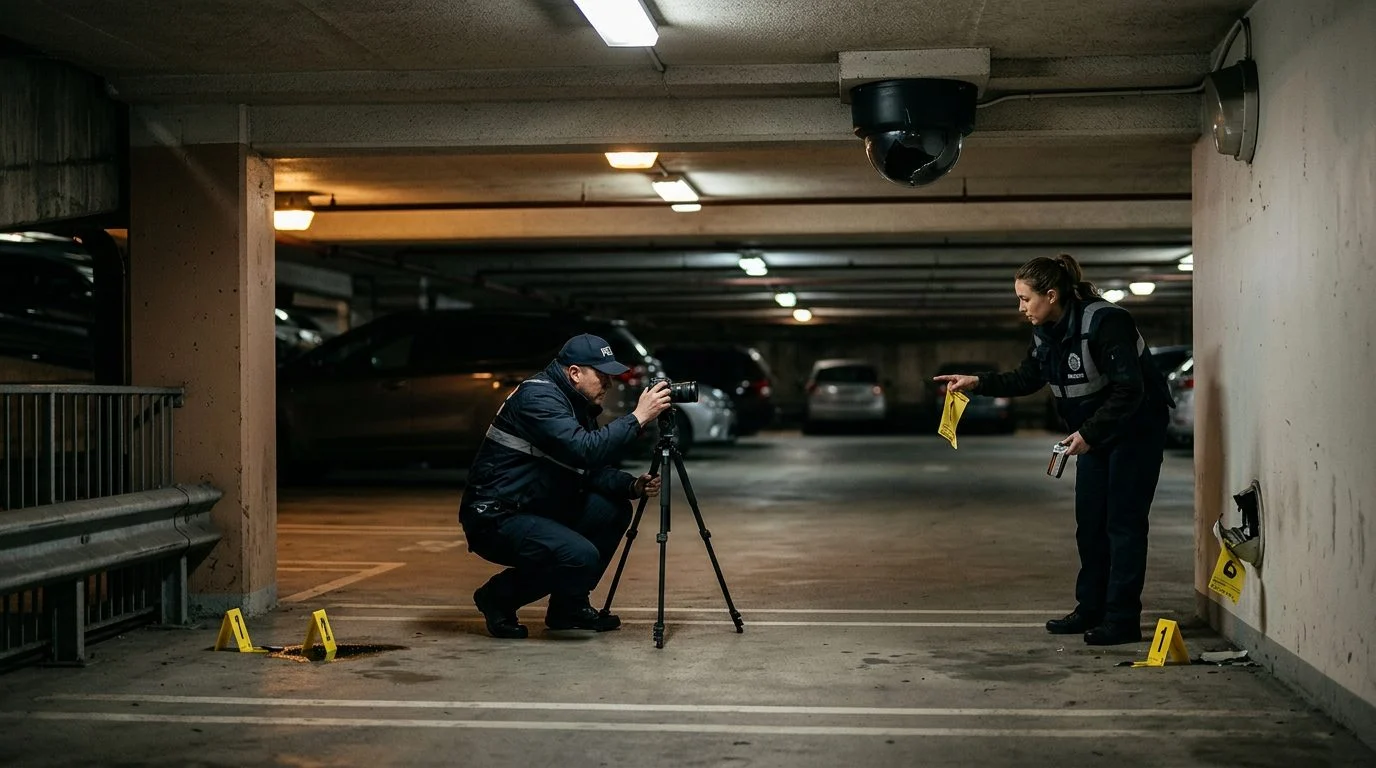
Evidence that proves breach: – Photographs or video of the hazardous condition (wet floor, broken railing, poor lighting, unsecured door, debris) – Maintenance records showing the owner did not inspect or repair the area – Witness statements from employees or other visitors about the condition – Security camera footage from the property – Property inspection reports or code violations – Prior complaints or incident reports about the same hazard – The owner’s maintenance schedule and whether they followed it
Element 3: Causation—The Breach Directly Caused Your Injury
You must prove that the unsafe condition actually caused your injury, not that you simply fell or were bitten while on the property.
Evidence that proves causation: – Your detailed account of exactly what happened and how the hazard caused the injury – Witness testimony describing how the injury occurred – Medical records linking your specific injuries to the incident – Photographs of your injuries taken shortly after the incident – Expert opinions from a medical provider connecting the hazard to your harm – The condition of the area immediately after your injury (before cleanup or repair)
Element 4: Damages—You Suffered Measurable Harm
You must document the actual harm you experienced—physical, financial, and emotional.
Evidence that proves damages: – Medical bills, hospital records, and receipts for treatment – Prescription records and medication costs – Pay stubs or employer statements showing lost wages – Receipts for out-of-pocket expenses (transportation, home care, medical equipment) – Photographs of visible injuries over time – A journal or log of your pain, limitations, and recovery progress – Statements from family, friends, or coworkers about changes in your ability to work or daily life
Actual Notice vs. Constructive Notice: Proving the Owner Knew (or Should Have Known)
The most important question in a premises liability case is whether the property owner knew about the hazard—or should have known. Georgia law recognizes two types of notice.
Actual Notice: Direct Knowledge
Actual notice means the owner had direct knowledge of the hazard. This is the strongest evidence.
Examples of actual notice: – An employee saw the spill and reported it to management – The owner personally observed the broken step – A maintenance log shows the owner inspected the area and documented the problem – Prior complaints about the same hazard exist in writing – The owner’s own safety inspection found the issue
Constructive Notice: They Should Have Known
Constructive notice means the hazard existed long enough that a reasonable property owner should have discovered it during routine inspection and maintenance. You don’t need proof the owner actually saw it—just that they should have.
Evidence of constructive notice: – Surveillance footage showing how long the hazard was present – Physical evidence of the condition’s age (dirt or debris in a spill, rust on equipment, worn edges on a broken step) – The property’s maintenance schedule and whether it was adequate for the area – How busy the area was and how often it should have been inspected – The nature of the hazard (a wet floor from a morning spill is different from standing water that’s been there for days) – Testimony about how long similar conditions typically persist on that property
Georgia courts look at whether the owner’s inspection and maintenance practices were reasonable given the property type and foot traffic. A busy retail store needs more frequent inspection than a quiet office hallway.
Evidence of the Property Owner’s Duty and Breach
Gathering specific documentation right after your injury is critical. Evidence fades, conditions change, and memories become unreliable.
Photograph or video the hazard: – Take clear images from multiple angles – Show the hazard in relation to nearby landmarks (a sign, a doorway, a shelf) – Capture lighting conditions, floor conditions, and any warnings (or lack of them) – Take photos of your injuries as soon as possible and again as they heal
Get witness information: – Ask for names and contact information from anyone who saw the incident – Ask if they saw the hazard before your injury – Ask if they’ve seen similar problems at that location before
Request and preserve documentation: – Ask the property owner or manager for an incident report and keep a copy – Request security camera footage in writing and note the date of your request – Ask about maintenance records for that area – Obtain copies of any prior complaints about the same hazard
Keep all medical records: – Emergency room records and bills – Follow-up doctor visits and treatment – Prescription receipts – Physical therapy or rehabilitation records – Any imaging (X-rays, MRI) or test results
What Falls Under Premises Liability in Georgia
Premises liability covers a wide range of injuries on someone else’s property:
- Slip-and-fall injuries from wet floors, debris, or poor maintenance
- Dog bites on the owner’s property
- Injuries from broken stairs, railings, or structural defects
- Falls caused by inadequate lighting
- Injuries from negligent security (broken locks, missing cameras, lack of security personnel that allowed foreseeable harm)
- Injuries in common areas of apartments or commercial buildings
- Nursing home neglect or abuse
- Injuries from objects falling from shelves or fixtures
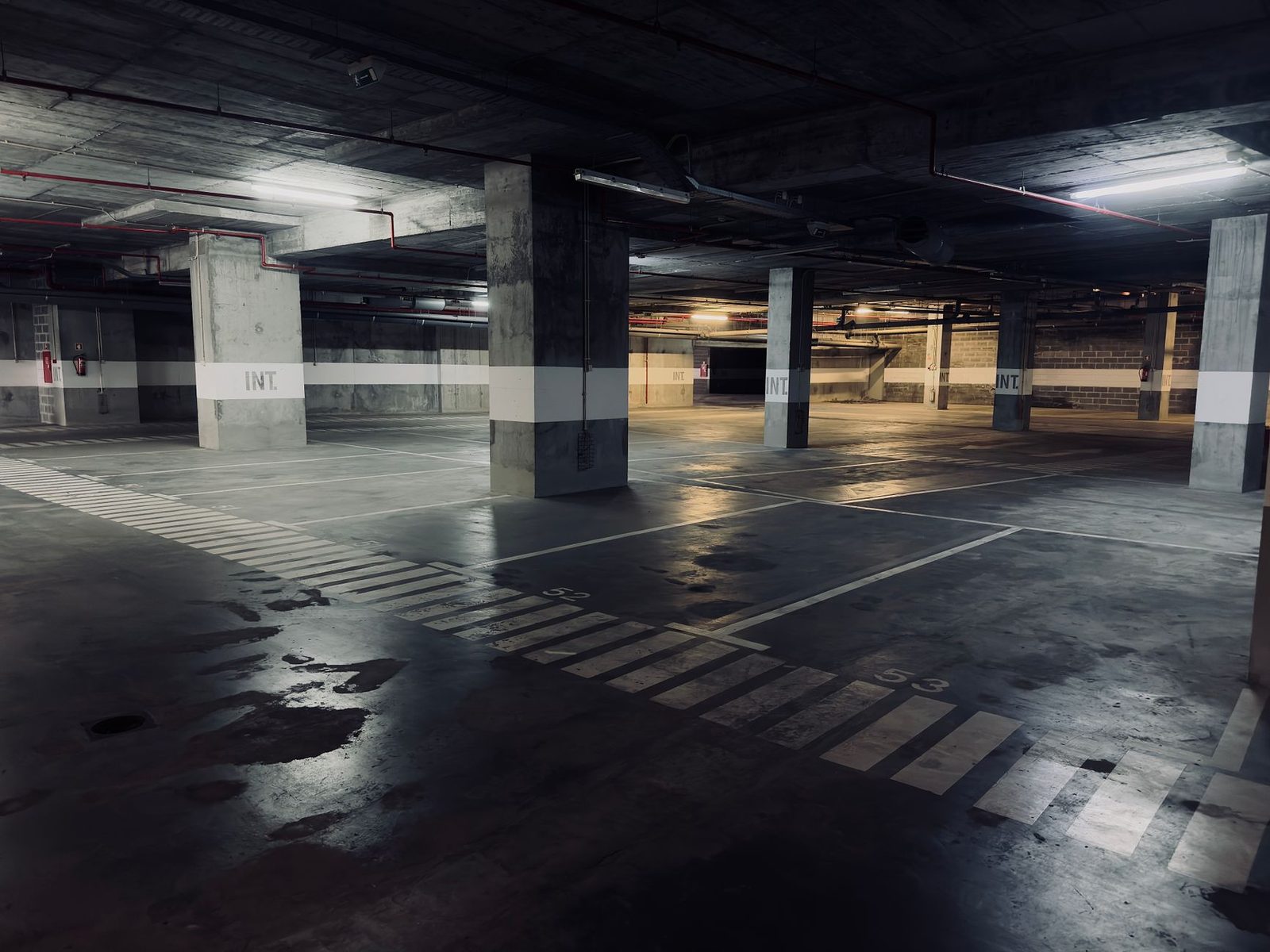
- Injuries from unsafe conditions in parking lots, entryways, or outdoor areas
Not sure what your next step is?
Talk it through with our team — the first consultation is free, confidential, and carries no obligation.
Are Premises Liability Cases Hard to Win?
Success depends on the strength of your evidence—especially proof that the owner knew or should have known about the hazard. Georgia law does not make property owners responsible for every injury that happens on their property; you must prove negligence.
Georgia also follows modified comparative negligence under O.C.G.A. § 51-12-33 (Quynn v. Hulsey, 310 Ga. 473 (2020)). If you were partly responsible for the injury, your recovery is reduced by your percentage of fault. However, if you were 50 percent or more at fault, you recover nothing. If you were 49 percent or less at fault, you still recover, but your award is reduced.
Clear, timely documentation of the hazard and your injuries significantly strengthens your position. Each case is unique—the outcome depends on the specific facts and evidence.
Georgia’s Legal Rules for Premises Liability
O.C.G.A. § 51-3-1 defines the property owner’s duty of care. The owner must exercise ordinary care to maintain the premises in a reasonably safe condition and must warn of hidden dangers known to the owner but not reasonably apparent to visitors.
The level of duty varies by the visitor’s status: – Invitees (customers, business guests) receive the highest level of protection – Licensees (social visitors) receive a moderate level of protection – Trespassers receive minimal protection
Georgia recognizes comparative negligence, meaning your own carelessness may reduce your recovery but does not bar it entirely if you were less than 50 percent at fault.
One important deadline: Georgia law gives you two years from the date of your injury to file a lawsuit under O.C.G.A. § 9-3-33 (Cameron v. JMP Pizza, Inc. (2026)). After two years, you lose the right to sue, so it’s important to act promptly.
Incident Documentation You Should Gather Right Away
If you’ve been injured on someone else’s property, take these steps immediately:
- File a report with the property owner, manager, or business—and keep a copy
- Write down details while they’re fresh: date, time, exact location, and what happened
- Photograph the hazard and surrounding area from multiple angles
- Get names and contact information of anyone who witnessed the incident
- Ask for security camera footage in writing and note the date of your request
- Keep all medical records, receipts, and correspondence related to your injury
- Do not sign any waivers or settlement offers without legal advice
Frequently Asked Questions
How long do I have to file a premises liability lawsuit in Georgia?
You generally have two years from the date of your injury to file a lawsuit in Georgia.
Can I recover if I was partly at fault for my injury?
Yes, under Georgia’s comparative negligence rule, you can still recover if you were 49 percent or less at fault—but your award will be reduced by your percentage of fault.
What’s the difference between actual notice and constructive notice?
Actual notice means the owner directly knew about the hazard; constructive notice means the hazard existed long enough that a reasonable owner should have discovered it during routine inspection.
Do I need a lawyer to file a premises liability claim?
You’re not required to hire a lawyer, but the process involves gathering evidence, understanding Georgia law, and negotiating with insurance companies—tasks that are easier with legal guidance.
What if the property owner says I was careless?
Georgia law allows for shared fault. Even if the owner argues you were careless, you may still have a valid claim if you were less than 50 percent at fault.
Next Steps
If you’ve been injured on someone else’s property in Georgia, gathering and preserving evidence early is critical. Memory fades, conditions change, and evidence can be lost or destroyed—the sooner you document what happened, the stronger your position.
You may be unsure whether you have a valid claim, what your injuries are worth, or how to proceed. That’s normal, and it’s exactly the kind of situation people in your position reach out about regularly. A free consultation can help you understand what evidence you have, what you may still need, and whether a claim makes sense for you.
The Four Elements of Premises Liability
The Property Owner Owed You a Duty
Georgia law requires property owners to maintain their premises in a reasonably safe condition. This duty extends to invitees (customers, guests) and, in many cases, to trespassers. You must show the owner had a legal responsibility toward you.
The Owner Breached That Duty
You need to demonstrate that the owner failed to maintain safe conditions or failed to warn of known hazards. This might mean a wet floor without a warning sign, broken stairs, poor lighting, or inadequate security measures.
The Breach Caused Your Injury
There must be a direct connection between the unsafe condition and your harm. You'll need to show that the hazard directly led to your injury—not that you were injured for an unrelated reason.
You Suffered Actual Damages
You must have real, measurable losses: medical bills, lost wages, pain and suffering, or other documented harm. The injury must be genuine and quantifiable.
Know the Statute of Limitations
In Georgia, you generally have two years from the date of your injury to file a premises liability lawsuit. Missing this deadline can bar your claim entirely. Time matters—don't delay.
Common Types of Premises Liability Cases
Slip and Fall
Injuries from wet floors, debris, uneven surfaces, or poor maintenance. You must show the owner knew or should have known about the hazard and failed to fix it or warn you.
Dog Bites
Georgia holds dog owners liable for injuries caused by their animals. You need to prove the owner's negligence or that the dog had a history of aggression.
Negligent Security
Injuries from criminal acts on poorly secured property. You must show the owner failed to provide reasonable security measures and that this failure allowed the crime to occur.
Nursing Home Abuse
Injuries or harm from neglect or abuse at a care facility. You'll need evidence of the facility's failure to provide adequate supervision, staffing, or care.
How Slam Dunk Attorney Can Help
Gather and Organize Evidence
We collect photos, maintenance records, witness statements, and medical documentation to build a clear picture of what happened and why the owner is responsible.
Handle Insurance and Liability Disputes
We communicate with property owners, insurers, and their lawyers so you don't have to. We work to resolve your claim fairly or prepare for trial.
Explain Your Rights in Plain Language
Georgia law is complex. We break down what you need to prove, what your claim is worth, and what to expect at each stage.
Available When You Need Us
We're based in Duluth and serve the entire metro Atlanta area and Georgia. We're ready to listen and answer your questions about your injury.
Comparative Negligence in Georgia
Even if you were partly at fault for your injury, you may still recover under Georgia's comparative negligence rule. You can recover if you were 49 percent or less at fault—but your award will be reduced by your percentage of fault. This is another reason to discuss your case with us.