
Premises Liability
What Property Owners Owe You in Atlanta & Georgia
If you were injured on someone else's property due to negligence, you may have a claim. Learn what property owners are responsible for—and what your rights are.
By Peter F. Jaraysi · Published September 30, 2026
Premises Liability in Atlanta & Georgia: What Property Owners Owe You
Premises liability is the legal responsibility a property owner has to keep their property reasonably safe for visitors. When someone is injured on another person’s property due to an unsafe condition or the owner’s negligence, the owner may be held legally and financially accountable. Georgia law recognizes this duty and provides a framework for injured people to seek compensation.
If you’ve been hurt on someone else’s property—whether at a store, apartment complex, parking lot, or private home—you may have a premises liability claim. Understanding how Georgia law works and what property owners are legally required to do can help you determine your next steps.
If you’ve been injured on someone else’s property in Atlanta or Georgia and you’re not sure whether the owner was responsible, we can help you understand your rights. Talk it through with our team — the first consultation is free, confidential, and carries no obligation.
What Is Premises Liability in Georgia?
Premises liability is a property owner’s legal duty to maintain safe conditions and protect lawful visitors from foreseeable harm. It applies when someone is injured because the property owner failed to fix a dangerous condition, warn of a known hazard, or take reasonable precautions to prevent injury.
Unlike other personal injury claims, premises liability focuses specifically on the property owner’s responsibility for the condition of their property. Georgia law recognizes that property owners have a heightened duty to keep their premises safe—the duty level depends on who the visitor is and whether the danger was foreseeable.
What Are the Laws Regarding Premises Liability in Georgia?
Georgia premises liability law is built on the principle that property owners owe a duty of care to people on their property. This duty varies based on the visitor’s status and is grounded in Georgia common law and statute.
Under Georgia law, property owners must exercise reasonable care to maintain safe premises and warn of known dangers. The property owner’s duty includes inspecting for hazards, repairing unsafe conditions, and alerting visitors to risks that aren’t immediately obvious. If a property owner knows—or reasonably should know—about a dangerous condition and fails to fix it or warn visitors, they may be liable for injuries that result.
Georgia follows comparative negligence rules, and how they apply to your claim depends on the facts of your case, so consult a lawyer about your own situation.
Premises liability claims in Georgia are generally subject to a statutory deadline, and exceptions may apply, so consult a lawyer about your own case. Speaking with a lawyer soon after an injury can help you understand your options, since timing can matter in these claims.
The Three Categories: Invitee, Licensee, and Trespasser
Georgia law classifies visitors into three categories, and each category receives a different level of legal protection. Understanding your visitor status is essential to determining what duty the property owner owed you.
Invitees (highest protection) are people invited onto the property for business or commercial purposes. This includes customers in stores, guests at events, patients in medical offices, and diners at restaurants. Whether a property owner may be liable to an invitee who is injured depends on the facts of each case, so consult a lawyer about your own situation.
Licensees (moderate protection) are people on the property with the owner’s permission but not for business purposes. Social guests, delivery personnel, and contractors fall into this category. Property owners may be required to warn licensees of known hazards, and what duty applies depends on the facts of each case. Whether a property owner may be liable to a licensee depends on the facts of each case, including what the owner knew about a hazard, so consult a lawyer about your own situation.
Trespassers (lowest protection) are unauthorized persons on the property. Property owners generally owe trespassers a limited duty, and what applies depends on the facts of each case. Whether a property owner may be liable to a trespasser depends on the facts of each case, so consult a lawyer about your own situation.
Your visitor status directly affects what the property owner was legally required to do to keep you safe and whether they can be held responsible for your injury.
What Falls Under Premises Liability?
Premises liability covers a wide range of injuries caused by unsafe property conditions. Common scenarios include:
- Slip and fall accidents caused by wet floors, spilled liquids, debris, or poor maintenance that the property owner knew about or should have discovered
- Unsafe conditions such as broken stairs, missing handrails, inadequate lighting, uneven surfaces, or deteriorating flooring
- Negligent security where insufficient security measures (poor lighting, lack of personnel, broken locks) lead to assault, robbery, or other criminal acts
- Elevator and escalator accidents due to mechanical failure, lack of maintenance, or operator error
- Parking lot accidents caused by poor design, inadequate lighting, potholes, debris, or failure to remove hazards
- Sidewalk and entryway injuries from ice, snow, potholes, cracks, or debris that the property owner failed to maintain or clear
- Dog bites on the property owner’s premises
- Injuries in common areas of apartment buildings, condominiums, or commercial properties due to negligent maintenance
Each of these scenarios involves a property owner’s failure to maintain safe conditions or warn of known dangers.
What Are Some Examples of Premises Liability Cases?
Real-world premises liability cases help illustrate how Georgia law applies to everyday situations:
- A customer slips on spilled liquid in a grocery store that staff failed to clean up or mark with a warning sign
- A guest is injured by a broken step on a residential staircase the homeowner knew about but did not repair
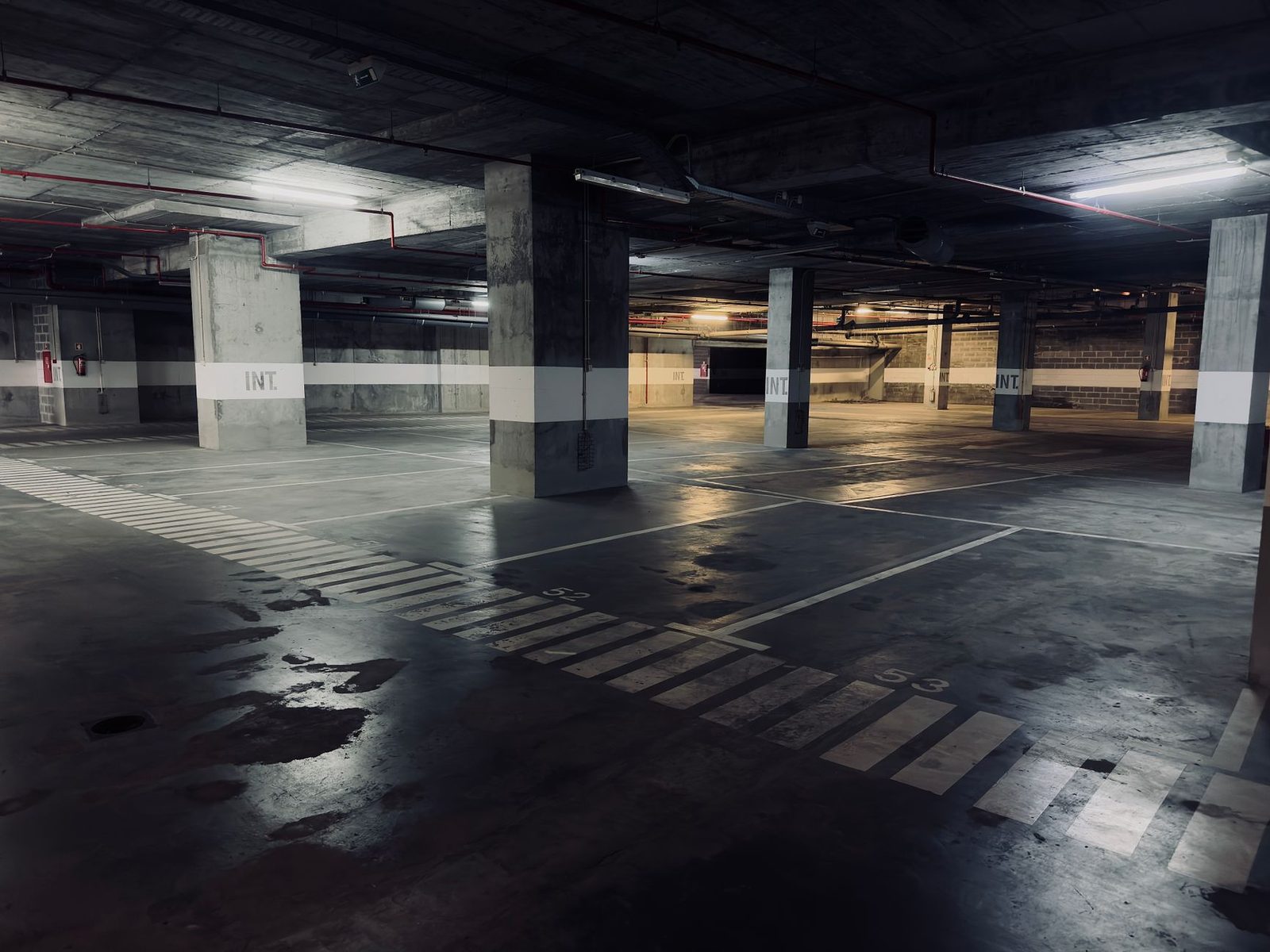
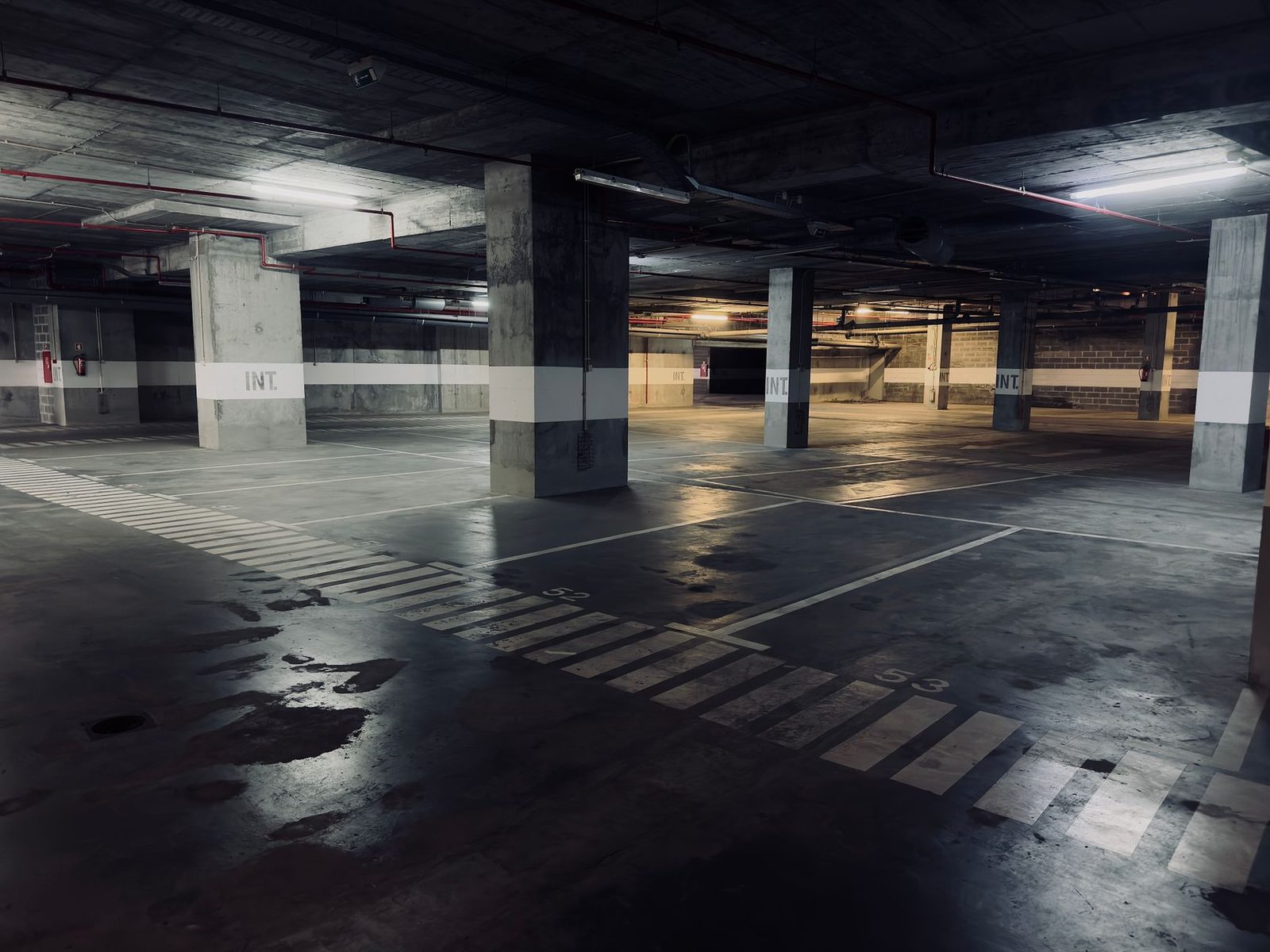
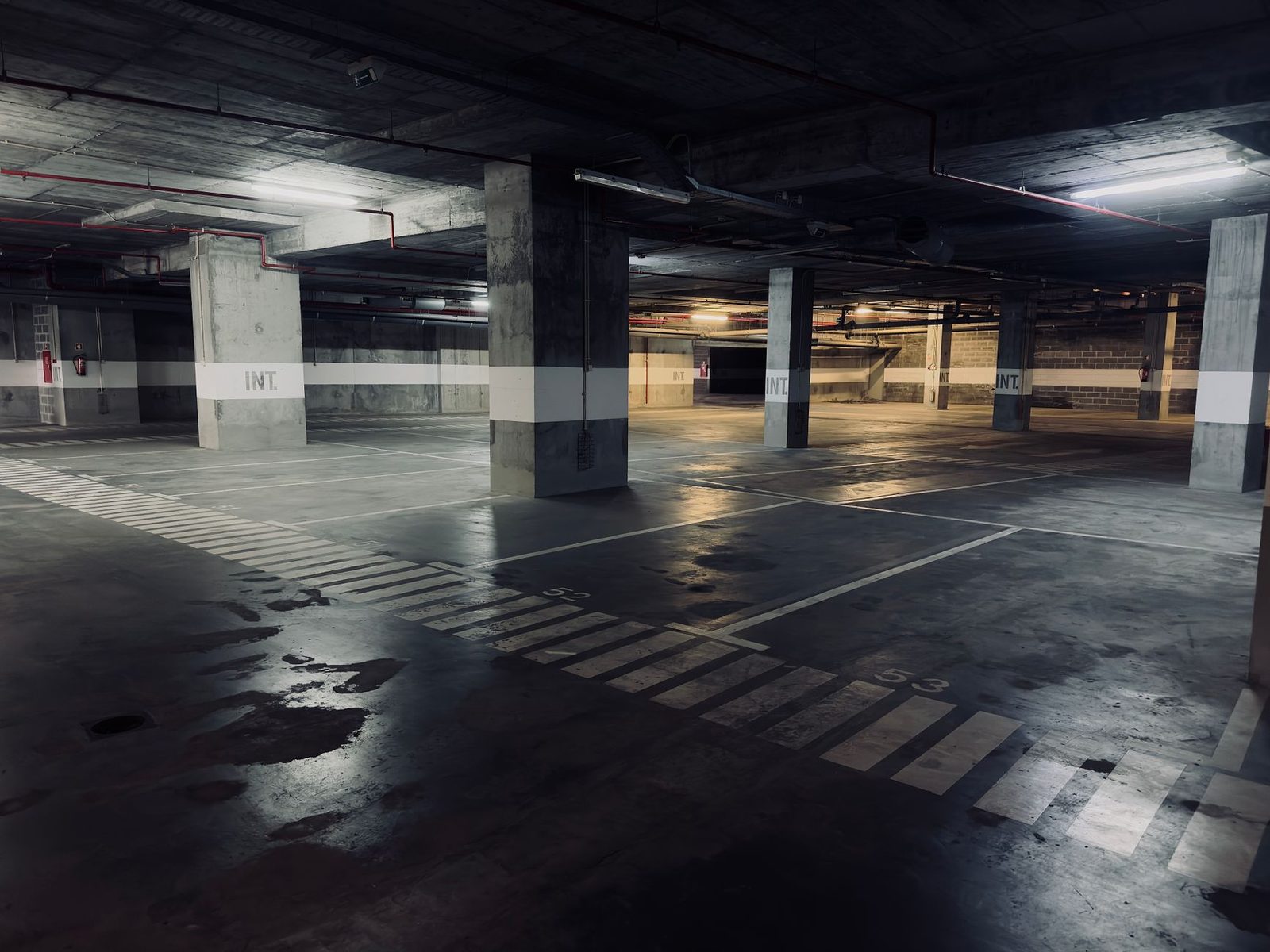
- A visitor is assaulted in a parking garage with inadequate lighting and no security presence, despite a history of crime in the area
- A tenant is injured by a defective handrail in a rental property’s common stairwell
- A shopper is struck by falling merchandise due to improper stacking or display by store employees
- A person is bitten by a dog on the owner’s property despite warning signs
- A visitor trips on an uneven sidewalk in front of a business that failed to maintain or repair it
Not sure what your next step is?
Talk it through with our team — the first consultation is free, confidential, and carries no obligation.
What Are the Four Proofs of Negligence?
Premises liability claims generally involve four elements of negligence, and how they apply depends on the facts of each case:
1. Duty: The property owner owed you a legal duty of care based on your visitor status. Invitees receive the highest duty; licensees receive moderate protection; trespassers receive minimal protection.
2. Breach: The property owner failed to exercise reasonable care. This might mean not maintaining the property, not warning of a known hazard, not inspecting for dangers, or not taking reasonable precautions to prevent injury.
3. Causation: The breach directly caused your injury. The unsafe condition generally needs to be connected to your injury, and whether that connection can be shown depends on the facts of your case.
4. Damages: You suffered actual harm that can be measured in money. Depending on the facts of your case, this may include medical expenses, lost wages, pain and suffering, reduced quality of life, and ongoing treatment costs.
If any one of these four elements is missing, your claim may fail. Depending on the facts of your case, evidence, documentation, and sometimes expert testimony may be involved.
Steps to Take If You’re Injured on Someone Else’s Property
After an injury, the following steps may help document what happened and your care:
- Seek medical attention immediately, even if your injury seems minor. Medical records document the care you receive for your injury.
- Report the incident to the property owner, manager, or business operator and ask that it be documented in writing or in an incident report.
- Take photographs of the hazardous condition, your injuries, and the surrounding area if you are able to do so safely.
- Collect contact information from any witnesses who saw what happened, since their accounts may be useful for documenting the incident.
- Keep all medical records, receipts, and documentation of expenses related to your injury, including prescriptions, therapy bills, and lost wage statements.
- Consider getting legal advice before you sign any waivers or settlement offers, because signing one may affect your rights.
- Avoid posting details about your injury on social media, as it may be used against you.
- Consult with an attorney as soon as possible—Georgia has a statute of limitations on premises liability claims, and early legal guidance preserves your rights and evidence.
Common Situations That Lead to Premises Liability Cases in Atlanta
In metro Atlanta and across Georgia, premises liability injuries occur regularly in specific settings:
- Retail stores and shopping centers with inadequate maintenance, poor housekeeping, or insufficient security
- Restaurants and bars where spills, debris, or poor lighting cause falls or where inadequate security leads to assault
- Apartment complexes and rental properties with deferred maintenance, broken stairs, or unsafe common areas
- Parking lots and garages with poor lighting, potholes, debris, or lack of security personnel
- Hotels and motels with unsafe conditions, broken fixtures, or inadequate security
- Office buildings with elevator malfunctions, slippery floors, or poor maintenance
- Sidewalks and entryways in front of businesses or residential properties
- Private residences where social guests are injured by known hazards the homeowner failed to disclose or repair
These environments create recurring risks, and property owners have a legal obligation to address them.
When to Contact an Attorney About Your Premises Liability Claim
You should reach out to an attorney if:
- You were injured on someone else’s property and the injury required medical treatment
- The property owner’s negligence or failure to maintain the property caused your injury
- You are unsure whether you have a valid claim or what your rights are
- The property owner or their insurance company has contacted you
- You are facing medical bills, lost income, or ongoing pain and suffering as a result of the injury
- Time is important—Georgia law sets deadlines for filing premises liability claims, and early consultation protects your case
Frequently Asked Questions
What is the statute of limitations for a premises liability claim in Georgia?
Georgia law generally allows two years from the date of injury to file a premises liability claim; waiting longer may bar your case entirely.
Can I recover damages if I was partially at fault for my injury?
Yes—Georgia’s comparative negligence rule allows you to recover even if you bear some responsibility, though your recovery is reduced by your percentage of fault.
What types of damages can I recover in a premises liability case?
You may recover medical expenses, lost wages, pain and suffering, permanent disability, reduced quality of life, and ongoing treatment costs—but only if you prove all four elements of negligence.
Do I need to prove the property owner knew about the hazard before my injury?
Not always—for invitees, the property owner should have discovered the hazard through reasonable inspection; for licensees, the owner must have known about it; for trespassers, the standard is much lower.
What if the property owner says I signed a waiver?
Waivers may not protect a property owner from liability for gross negligence or willful misconduct, and they are often unenforceable—consult an attorney before accepting one.
If you’ve been injured on someone else’s property in Atlanta or Georgia and you’re uncertain whether the property owner bears responsibility for your injury, we’re here to help you understand your rights. People in your situation—trying to figure out whether they have a valid claim while managing medical bills and recovery—reach out to us regularly. Contact us for a free case review to discuss what happened and learn what your options are.
What We Handle in Premises Liability Cases
Slip and Fall Injuries
Wet floors, poor maintenance, uneven surfaces, and inadequate warnings that cause you to fall and suffer injury.
Dog Bites
Injuries from a dog on someone else's property when the owner knew or should have known of the animal's dangerous propensities.
Unsafe Property Conditions
Broken stairs, missing railings, poor lighting, unsecured objects, or other hazardous conditions a property owner failed to fix or warn about.
Negligent Security
Injuries from crime or assault on a property where inadequate security measures allowed foreseeable harm to occur.
Nursing Home Abuse & Neglect
Mistreatment, neglect, or unsafe conditions in long-term care facilities that cause physical or emotional harm.
Key Facts About Premises Liability in Georgia
Property Owner Duty
Property owners have a legal duty to maintain their premises in a reasonably safe condition and to warn visitors of known dangers. Failure to do so can make them liable for your injuries.
Time to File Your Claim
Georgia law generally allows two years from the date of your injury to file a premises liability claim. Waiting longer may bar your case entirely.
Comparative Negligence
Even if you were partly at fault for your injury, Georgia law may still allow you to recover damages. Your recovery is reduced by your percentage of fault.
Evidence Matters
Photos, maintenance records, witness statements, and incident reports are critical to proving the property owner knew or should have known about the hazard.
Don't Wait to Report Your Injury
The sooner you document your injury and the hazardous condition, the stronger your case. Memory fades, evidence disappears, and Georgia's statute of limitations is strict. If you were hurt on someone else's property, reach out now.