
Premises Liability | Johns Creek
Injured on Someone Else's Property in Johns Creek?
Property owners have a responsibility to maintain safe conditions. If an unsafe property caused your injury, you may have a claim. Slam Dunk Attorney focuses on premises liability cases across Georgia.
By Peter F. Jaraysi · Published September 21, 2026
Premises Liability Claims in Johns Creek: What You Need to Know
When you’re injured on someone else’s property in Johns Creek—whether at a retail store, apartment complex, restaurant, or office building—Georgia law may hold the property owner responsible for your injuries. Premises liability is the legal duty a property owner owes to keep their premises safe and warn visitors of known hazards. Understanding how this law works, what you must prove, and what steps to take immediately after an injury will protect your rights and strengthen your claim.
If you've been injured on someone else's property in Johns Creek—whether at a store, apartment complex, restaurant, or office—you may have a premises liability claim; reach out today for a free case review. Talk it through with our team — the first consultation is free, confidential, and carries no obligation.
What Is Premises Liability in Johns Creek?
Premises liability is the legal obligation a property owner or occupant has to maintain their property in a reasonably safe condition and warn visitors of known dangers. This principle applies across Johns Creek—to commercial properties like shops and restaurants, residential buildings like apartment complexes, and public or semi-public spaces where people gather. Georgia law holds property owners accountable when negligence or failure to maintain safe conditions causes injury to someone lawfully on the premises.
Premises liability claims cover a wide range of unsafe conditions: slip-and-fall hazards, broken stairs or handrails, inadequate lighting, poor maintenance, debris on walkways, unsafe security measures, and structural defects. If a property owner knew or should have known about a hazard and failed to repair it or warn visitors, they may be liable for injuries that result.
Property Owner Duties Under Georgia Law
Georgia law imposes a clear duty on property owners to inspect their premises regularly for hazards, repair or maintain the property in a safe condition, warn visitors of known dangers, and remove or address unsafe conditions within a reasonable timeframe. The level of duty varies depending on your status as a visitor.
Invitees (customers, business guests, or people invited onto the property for the owner’s benefit) receive the highest duty of care. Property owners must actively inspect for hazards and warn of any dangers they discover. Licensees (social guests or people with permission to be on the property) receive a moderate duty of care; owners must warn of known hazards but don’t have to actively inspect. Trespassers receive minimal duty; owners generally owe them no duty to maintain safe conditions, though they cannot intentionally harm them.
In Johns Creek, most injury claims involve invitees—customers at retail stores, diners at restaurants, or residents in apartment complexes. Understanding which category you fall into helps explain what the property owner should have done to prevent your injury.
Common Premises Liability Injuries in Johns Creek
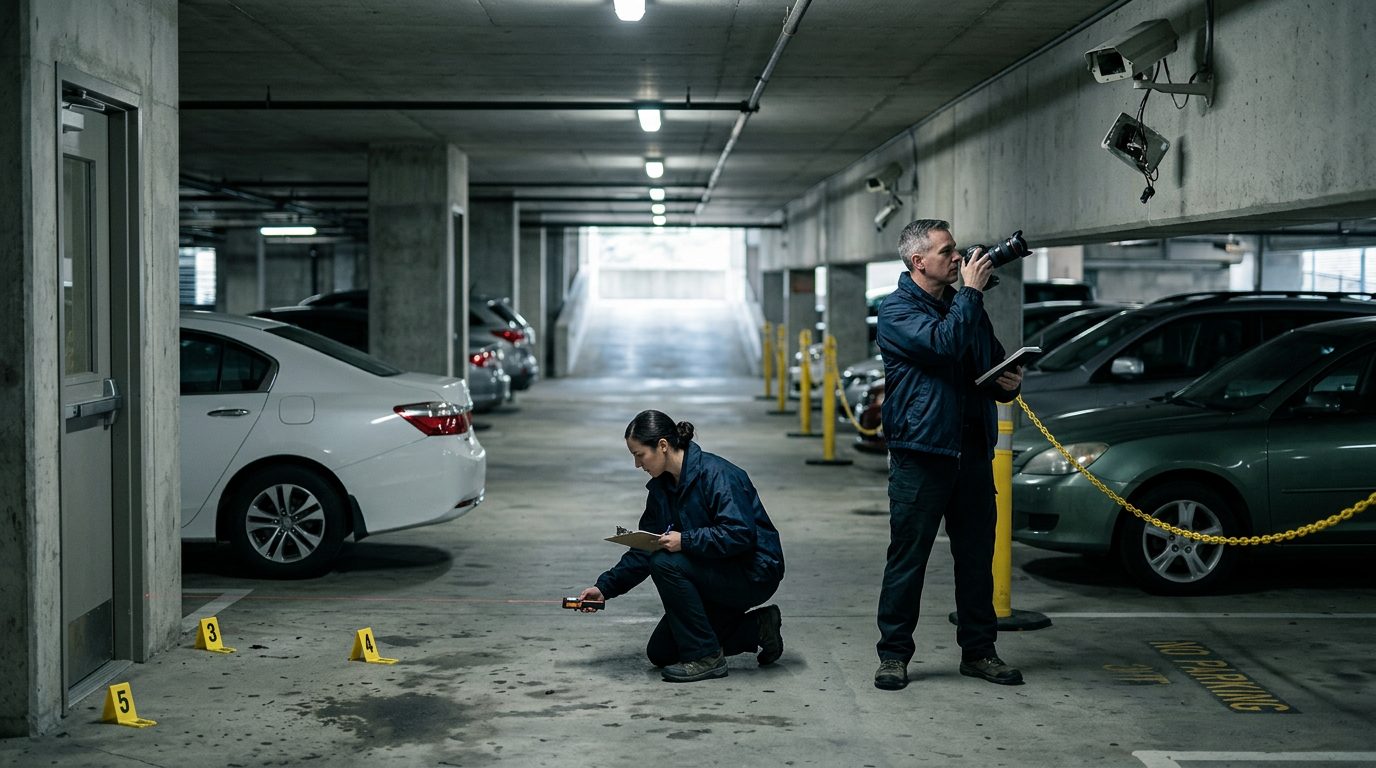
Johns Creek residents and workers are injured in premises liability accidents across many settings. Slip-and-fall injuries occur in retail stores when spills aren’t cleaned promptly or wet floors aren’t marked. Falls happen on broken stairs, missing handrails, or uneven surfaces in apartment complexes and older buildings. Injuries result from inadequate lighting in parking areas, poor maintenance creating trip hazards on walkways, and unsafe security measures that fail to prevent crime or accidents. Gyms, pools, and recreation facilities may have unsafe equipment or conditions that cause injury.
Each scenario involves the same core question: Did the property owner know or should they have known about the hazard, and did they fail to repair it or warn visitors? Documentation of exactly what caused your injury—photos of the hazard, the scene, and your injuries—becomes critical evidence later.
What You Must Prove in a Premises Liability Claim
To succeed in a premises liability claim in Johns Creek, you must establish four elements:
- Duty: The property owner owed you a legal duty of care (almost always true if you were lawfully on the premises).
- Breach: The owner breached that duty by failing to maintain safe conditions or warn of known hazards.
- Causation: Your injury was a direct result of that breach—the unsafe condition caused your harm.
- Damages: You suffered actual, measurable harm: medical bills, lost wages, pain and suffering, or other losses.
Each element must be proven by evidence. This is why documentation matters from the moment of injury: photos of the hazard, incident reports filed with the property owner, witness statements, medical records, and receipts for expenses all build your case. Without clear evidence linking the owner’s negligence to your injury, your claim becomes harder to prove.
Johns Creek Property Liability: Retail, Residential & Commercial
Premises liability standards apply differently depending on the type of property and the hazard involved.
Retail and shopping centers in Johns Creek must maintain safe floors, keep aisles clear, address spills promptly, and warn of wet or slippery surfaces. A store owner who ignores a spill for hours, creating a slip hazard, may be liable for injuries.
Apartment complexes and rental properties must maintain common areas, stairs, lighting, and security measures in safe condition. A landlord who ignores a broken stair or fails to repair a handrail may be liable if a tenant or guest is injured.
Office buildings and their property managers must address maintenance issues promptly and keep premises safe for employees and visitors.
Restaurants and food service establishments must keep dining and kitchen areas safe and free of hazards that could cause injury.
Each setting has specific standards; context matters when evaluating whether a property owner’s conduct was negligent.
Not sure what your next step is?
Talk it through with our team — the first consultation is free, confidential, and carries no obligation.
Comparative Negligence: Your Role in the Injury
Georgia follows comparative negligence law, which means your own carelessness may reduce your recovery. If you were partly at fault for your injury, damages may be reduced proportionally. For example, if you were found 20% at fault for your slip-and-fall injury, you may recover 80% of your damages. If you’re found more than 50% at fault, you cannot recover anything.
This rule doesn’t eliminate your claim—it just adjusts the amount you receive based on your share of responsibility. Property owner negligence must still be the primary cause of your injury. This is why documenting exactly what happened, including your own actions, is critical. A lawyer can help evaluate how comparative negligence might affect your specific claim.
Steps to Take After a Premises Liability Injury
Immediate action protects your health and your legal rights:
- Seek medical attention right away, even if your injury seems minor. Some injuries worsen over time, and medical records establish the link between the accident and your harm.
- Report the incident to the property owner or manager in writing. Request a copy of any incident report they file.
- Take photos of the hazard, your injuries, and the scene from multiple angles. Photos are powerful evidence.
- Collect names and contact information from witnesses who saw what happened.
- Keep all medical records, receipts, and documentation of expenses related to your injury and treatment.
- Do not sign anything or give a recorded statement to an insurance adjuster without consulting a lawyer first.
- Contact a premises liability lawyer as soon as possible. Early consultation protects your rights and preserves evidence before it disappears.
Insurance and Liability Coverage
Most property owners carry liability insurance to cover injury claims on their premises. When you file a claim, it’s typically against the property owner’s insurance policy, not against the owner personally. The insurance company often defends the case and negotiates settlement.
Insurance adjusters may contact you after an injury. Before speaking with them, consult a lawyer. Adjusters are trained to minimize payouts, and anything you say can be used against your claim. Liability limits vary; some policies may not cover your full damages. A lawyer negotiates on your behalf and ensures you’re not shortchanged.
Statute of Limitations in Georgia
Georgia law gives you two years from the date of injury to file a premises liability lawsuit. This deadline is strict; missing it permanently bars your claim. If your injury occurred on government property in Johns Creek, different notice requirements and shorter deadlines may apply.
Do not wait. Early legal consultation protects your rights, preserves evidence, and ensures you meet all deadlines.
Why Work With a Johns Creek Premises Liability Lawyer
A local premises liability lawyer brings specific advantages to your case. We understand Johns Creek properties, businesses, and community standards. We know how Georgia courts apply premises liability law and what judges and juries expect from evidence. We have experience negotiating with insurance companies and property owner counsel, and we know how to gather evidence, interview witnesses, and build a strong case.
Most importantly, we provide transparent guidance on your claim’s value and realistic outcomes—never overpromising or guaranteeing results. We represent your rights from initial consultation through resolution, whether that’s negotiated settlement or trial.
If you've been injured on someone else's property in Johns Creek—whether at a store, apartment complex, restaurant, or office—you may have a premises liability claim; reach out today for a free case review. Talk it through with our team — the first consultation is free, confidential, and carries no obligation.
Frequently Asked Questions
What’s the difference between a premises liability claim and a personal injury claim?
Premises liability is a type of personal injury claim focused specifically on injuries caused by unsafe conditions on someone else’s property.
Can I recover damages for a slip-and-fall injury in a retail store?
Yes, if the store owner knew or should have known about the hazard and failed to repair it or warn you, you may have a claim for medical bills, lost wages, and pain and suffering.
How long does a premises liability case take to resolve?
Most cases settle within months to a year; some take longer if they go to trial. Your lawyer can give you a realistic timeline based on your specific claim.
What if I was partly at fault for my injury?
Georgia’s comparative negligence law may reduce your recovery proportionally, but you can still recover if the property owner’s negligence was the primary cause.
Should I talk to an insurance adjuster after a premises liability injury?
Consult a lawyer before speaking with any adjuster. Anything you say can be used against your claim, and an adjuster’s goal is to minimize payout, not protect your interests.
If you’ve been injured on someone else’s property in Johns Creek—whether at a store, apartment complex, restaurant, or office—you may have a premises liability claim. Many people in your situation reach out for a free case review to understand their rights and next steps. Contact us today to discuss what happened and learn how we can help.
How Slam Dunk Attorney Handles Your Premises Liability Case
We Investigate the Property Condition
We examine how the unsafe condition existed, whether the property owner knew about it or should have known, and whether they failed to warn or fix it.
We Build Your Claim
We gather evidence, review maintenance records, interview witnesses, and work with professionals to document how the property owner's negligence caused your injury.
We Handle Negotiations
We communicate with insurance companies and defense counsel on your behalf, advocating for fair compensation for your medical costs, lost wages, and pain and suffering.
We Know Georgia Law
Our firm is based in Duluth and handles premises liability claims throughout Georgia, including Johns Creek, Alpharetta, Marietta, and metro Atlanta.
Types of Premises Liability Cases We Handle
Slip and Fall
Injuries from wet floors, debris, poor lighting, or broken stairs on commercial or residential property.
Negligent Security
Injuries resulting from inadequate security measures that allowed a third party to harm you on the property.
Unsafe Property Conditions
Injuries caused by structural defects, hazardous materials, broken equipment, or other dangerous conditions the owner failed to repair or warn about.
Dog Bites
Injuries from a dog attack on someone else's property, where the owner knew or should have known the dog was dangerous.
Important: Time Matters
Georgia law sets deadlines for filing premises liability claims. The sooner you contact us, the sooner we can preserve evidence, interview witnesses, and protect your rights.
Common Questions About Premises Liability in Georgia
What makes a property owner liable?
A property owner may be liable if they knew or should have known about an unsafe condition, failed to fix it or warn visitors, and that condition caused your injury.
Can I recover damages for a slip-and-fall injury?
Yes, if the property owner's negligence caused your fall. We evaluate whether the owner had a duty to maintain the area, breached that duty, and whether that breach caused your injury and damages.
What if I was partially at fault?
Georgia recognizes comparative negligence. Even if you were partially responsible, you may still recover damages, though your award may be reduced by your percentage of fault.
How are premises liability cases paid?
We work on a contingency basis: no fees unless there is a recovery. You may still be responsible for certain case costs, which we'll discuss with you upfront.
Ready to Discuss Your Premises Liability Claim?
Related practice areas
- Premises Liability Lawyer in Georgia: Injured on Someone Else’s Property