
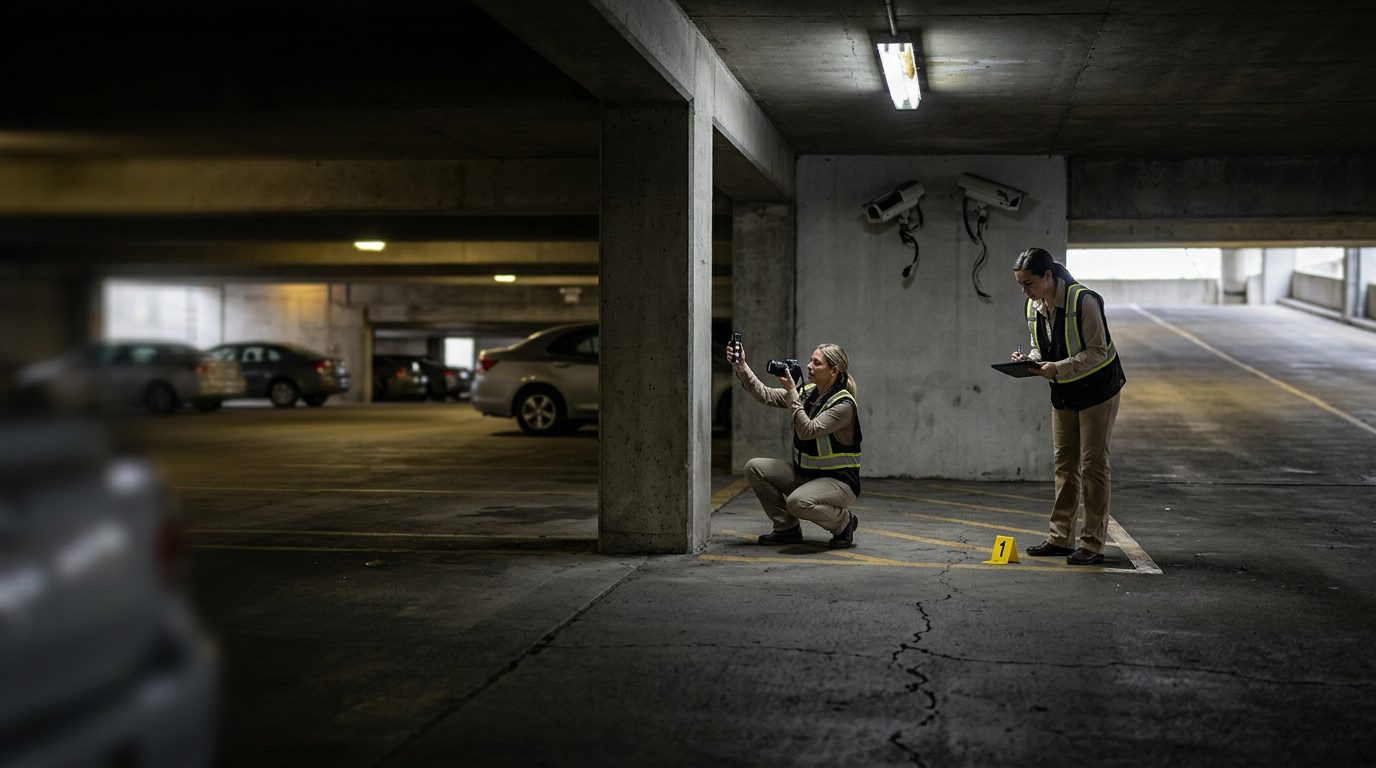
Premises Liability in Norcross
Injured on Someone Else's Property? You May Have a Claim
Property owners have a responsibility to keep their premises safe. If you were hurt due to negligence, Slam Dunk Attorney is here to help.
By Peter F. Jaraysi · Published September 21, 2026
Premises Liability in Norcross: Your Rights When Injured on Someone Else’s Property
When you’re injured on someone else’s property in Norcross—whether at a retail store, restaurant, apartment complex, or office building—the property owner may be legally responsible for your injuries if they failed to maintain safe conditions. Georgia law imposes a clear duty on property owners to inspect their premises regularly, repair dangerous conditions, and warn visitors of known hazards.
Understanding your rights after a premises liability injury is the first step toward recovery. This guide explains what property owners owe you under Georgia law, what you need to prove to hold them accountable, and why local legal representation matters in Norcross.
If you've been injured on someone else's property in Norcross and aren't sure whether the owner bears responsibility, our team can review your situation at no cost. Talk it through with our team — the first consultation is free, confidential, and carries no obligation.
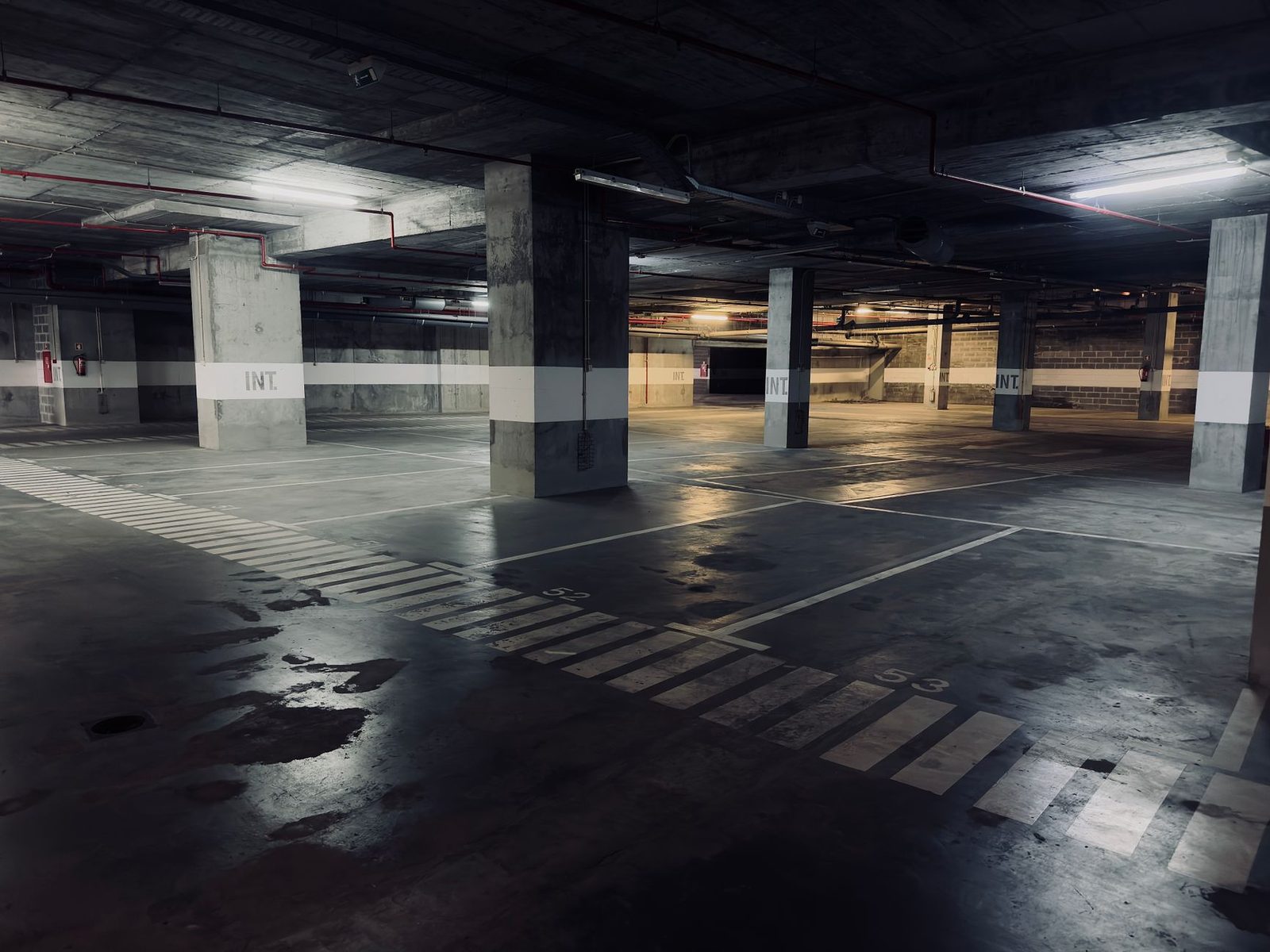
What Is Premises Liability in Norcross?
Premises liability is the legal responsibility a property owner or occupant has to maintain safe conditions on their property and protect visitors, tenants, and customers from foreseeable injuries. This applies to retail stores, restaurants, apartment complexes, office parks, parking lots, and any other commercial or residential property in Norcross where people have a right to be present.
Georgia law holds property owners accountable when unsafe conditions cause injury. Premises liability cases cover slip-and-fall accidents, falls from stairs or elevated surfaces, injuries from broken fixtures or structural defects, inadequate lighting in parking areas, and injuries resulting from negligent security measures. If the property owner knew—or reasonably should have known—about a dangerous condition and failed to fix it or warn you, they may be liable for your damages.
Property Owner Duties Under Georgia Law
Georgia negligence law requires property owners to exercise reasonable care to keep their premises safe. This duty includes several key obligations:
Regular inspection. Property owners must inspect their property on a regular schedule to identify hazards before someone is injured. In the premises liability cases our attorneys handle, we often find that owners neglected routine inspections—a failure that strengthens a claim.
Repair or warn. Once a property owner knows of a dangerous condition, they must either repair it promptly or post a clear warning to visitors. A wet floor in a grocery store, a missing handrail on stairs, or a broken light in a parking lot are examples of conditions that require immediate action.
Reasonable security. Property owners have a duty to maintain reasonable security measures where appropriate—adequate lighting, working locks, surveillance cameras, or security personnel—depending on the property type and neighborhood. Negligent security that allows foreseeable assaults or break-ins can establish liability.
Maintenance of common areas. Walkways, stairs, hallways, elevators, and parking areas must be kept free of debris, snow, ice, and other hazards. This duty applies whether the injury occurs during business hours or after-hours, depending on whether you were lawfully on the property and the circumstances of the hazard.
Common Premises Liability Injuries in Norcross
Norcross residents and workers suffer premises liability injuries in predictable scenarios. Slip-and-fall incidents occur frequently in retail stores and restaurants when floors become wet or debris accumulates without warning signs. Falls from stairs, balconies, or elevated surfaces happen when handrails are missing, loose, or poorly maintained. Inadequate lighting in parking lots and common areas creates conditions where visitors trip, fall, or become targets for assault.
Negligent security—the failure to provide adequate locks, cameras, lighting, or guards—can lead to assaults, robberies, or other injuries that a reasonable security measure might have prevented. Injuries from broken fixtures, exposed wiring, or structural defects result from deferred maintenance. Dog bites on rental properties or commercial premises may also involve premises liability if the owner knew of the animal’s dangerous propensity and failed to warn or contain it.
When a Property Owner May Be Liable
To establish premises liability in Georgia, you must prove four key elements:
The owner owed you a duty of care. You were lawfully on the property—as a customer, tenant, guest, or employee—and the owner had a legal obligation to maintain safe conditions.
The owner breached that duty. The owner either created a dangerous condition or knew (or reasonably should have known) of an existing hazard and failed to repair it or warn you.
The hazard directly caused your injury. There is a clear connection between the unsafe condition and the harm you suffered. A wet floor caused your fall; a missing handrail contributed to your injury.
You suffered measurable damages. Medical bills, lost wages, pain and suffering, and other quantifiable losses must result from the injury.
Georgia courts examine whether the danger was “reasonably foreseeable” to the owner. If a property owner operates a busy restaurant, for example, spilled food and liquid on the floor are foreseeable hazards that require prompt cleanup or warning. If a parking lot has a history of break-ins, adequate lighting and security are foreseeable needs.
What You Need to Prove in a Norcross Premises Liability Case
Proving premises liability requires evidence that demonstrates each element above. Documentation is critical.
Photos of the hazard. Clear images of the dangerous condition—the wet floor, missing handrail, broken step, inadequate lighting, or other hazard—taken as soon as safely possible after your injury.
Incident reports. A written report filed with the property owner or manager at the time of the injury. This creates a record that the owner was on notice of the hazard.
Medical records. Doctor’s notes, emergency room reports, imaging studies, and treatment records that document your injuries and connect them to the incident.
Witness statements. Names, phone numbers, and written accounts from people who saw the hazard or your injury. Witnesses strengthen your claim significantly.
Receipts and expense documentation. Medical bills, pharmacy receipts, transportation costs, and records of lost wages demonstrate your actual damages.
Maintenance records. If available, records showing whether the property owner inspected, maintained, or repaired the area where you were injured. Gaps in maintenance records can evidence negligence.
Not sure what your next step is?
Talk it through with our team — the first consultation is free, confidential, and carries no obligation.
Comparative Fault in Georgia Premises Liability
Georgia follows a “modified comparative fault” rule that affects how much you can recover. If you are found partially at fault for your injury—for example, if you were distracted or didn’t watch your step—your recovery is reduced by your percentage of fault. If you are 20% at fault and your damages total $10,000, you recover $8,000.
However, you cannot recover anything if you are found more than 50% at fault. Property owners and their insurance companies often argue that an injured person was careless or should have noticed the hazard. They may claim you were distracted, wearing inappropriate footwear, or moving too quickly. An experienced attorney can counter these arguments with evidence, expert testimony, and a clear explanation of the owner’s duty to maintain safe conditions regardless of visitor attentiveness.
Steps to Take After a Premises Liability Injury in Norcross
Your actions immediately after an injury significantly affect your case:
Seek medical attention. Even if injuries seem minor, get evaluated by a doctor. Some injuries worsen over time, and medical records create an official record of the incident and your condition.
Report the incident in writing. Notify the property owner or manager and request a written incident report. Keep a copy for your records.
Photograph the scene. Take clear photos of the hazard, your injuries, and the surrounding area if you can do so safely. Include wide shots and close-ups.
Collect witness information. Ask people who saw the hazard or your fall for their names, phone numbers, and email addresses. Written statements are even better.
Preserve all documentation. Keep medical records, receipts, pay stubs showing lost wages, and any correspondence with the property owner or their insurance company.
Do not sign anything or give a recorded statement without speaking to an attorney first. Insurance adjusters may contact you quickly, and statements you make can be used against your claim.
Contact a premises liability attorney promptly. The sooner you involve legal counsel, the sooner evidence can be preserved and your case can be properly investigated.
Why Local Representation Matters for Norcross Premises Liability Cases
Norcross has distinctive commercial corridors—retail centers, dining establishments, and office parks—where recurring hazard patterns emerge. A local attorney understands the property management practices common in Norcross, the building codes and safety standards that apply, and the negligence issues that arise in your community.
Familiarity with Gwinnett County courts, local judges, and the tactics used by insurance defense attorneys gives your case an advantage. A Norcross-based attorney can investigate quickly, interview witnesses while memories are fresh, and preserve evidence before it disappears. Local knowledge also means understanding which properties have histories of similar injuries—information that strengthens foreseeability arguments.
How Slam Dunk Attorney Handles Premises Liability Cases
Our approach to premises liability cases is thorough, transparent, and focused on your recovery.
We begin with a free, confidential case review to evaluate your injury, the property’s condition, and the owner’s liability. We listen to your account and ask detailed questions to understand what happened.
We conduct a thorough investigation, including site visits, review of maintenance records, inspection of prior complaints filed with the property owner, and consultation with experts on building codes and safety standards. This investigation uncovers evidence that supports your claim.
We negotiate with the property owner’s insurance company for a fair settlement that reflects your damages. We handle all communication so you can focus on recovery.
If a fair settlement cannot be reached, we prepare for litigation and represent you in court. We’re prepared to take your case all the way if necessary.
Throughout the process, we maintain transparent communication. You’ll know where your case stands, what we’re working on, and what to expect next. No surprises.
Questions to Ask Your Premises Liability Attorney
Before you choose representation, ask potential attorneys these questions:
Do you have experience with cases similar to mine in Norcross? You want an attorney familiar with local property types and Gwinnett County courts.
What is your process for investigating premises liability claims? A thorough investigation is essential to proving liability.
How long does a typical case take to resolve? Timelines vary, but you should understand the general process.
Will you handle my case personally or pass it to another attorney? You deserve to know who will be working on your claim.
How do you communicate case updates to clients? Regular communication matters, especially during a stressful time.
What are the potential costs and expenses I might owe? Understand fee arrangements and what costs (expert fees, investigation expenses) you may be responsible for.
If you've been injured on someone else's property in Norcross and aren't sure whether the owner bears responsibility, our team can review your situation at no cost. Talk it through with our team — the first consultation is free, confidential, and carries no obligation.
Frequently Asked Questions
What is the statute of limitations for filing a premises liability claim in Georgia?
Georgia allows two years from the date of injury to file a premises liability lawsuit. Acting quickly preserves evidence and strengthens your case.
Can I recover if I was partially at fault for my slip-and-fall?
Yes, under Georgia’s modified comparative fault rule. Your recovery is reduced by your percentage of fault, and you can still recover if you are less than 50% at fault, but you recover nothing if you are 50% or more at fault.
What counts as a “dangerous condition” under Georgia premises liability law?
Any condition that poses a foreseeable risk of injury—wet floors, missing handrails, inadequate lighting, broken fixtures, or negligent security—can constitute a dangerous condition.
Do property owners have to warn customers about temporary hazards like wet floors?
Yes. Property owners must post clear warnings (wet floor signs, caution tape, or verbal warnings) about temporary hazards to protect visitors.
How do I prove a property owner knew or should have known about a hazard?
Evidence includes maintenance records, prior complaints, incident reports, witness statements, and expert testimony about industry standards and foreseeability.
What expenses can I recover in a premises liability claim?
Medical bills, lost wages, rehabilitation costs, pain and suffering, and other damages caused by the injury are recoverable if you prove liability.
If you’ve slipped on a wet floor in a Norcross store, fallen down poorly maintained stairs, or been injured due to inadequate security or a hazardous condition on someone else’s property, you may have a claim against the property owner. People in your situation reach out to us regularly—and we’re ready to listen. Contact Slam Dunk Attorney for a free case review and learn what your claim may be worth.
Why Choose Slam Dunk Attorney for Your Premises Liability Case
Focused on Your Recovery
We focus exclusively on personal injury claims, including premises liability cases throughout the Atlanta area and Georgia.
Clear Communication
We explain your rights and options in plain language, so you understand what happened and what comes next.
Time Matters
We act quickly to preserve evidence and investigate your injury while details are fresh and witnesses are available.
We Listen
Your story and your recovery are what matter most. We treat every client with respect and empathy.
Common Premises Liability Injuries We Handle
Slip and Fall
Wet floors, poor maintenance, or hazardous conditions can cause serious injuries. Property owners must maintain safe conditions or warn visitors of known dangers.
Negligent Security
If inadequate security led to your assault or injury, the property owner may be liable for failing to provide reasonable protection.
Unsafe Conditions
Broken stairs, falling objects, inadequate lighting, or other defects on a property can result in injury and legal responsibility.
Dog Bites
Property owners are responsible for controlling dangerous animals on their premises. Georgia law holds owners accountable for injuries caused by their dogs.
Know Your Timeline
Under Georgia law, you have two years from the date of your injury to file a premises liability lawsuit. Acting quickly preserves evidence and strengthens your case. Don't wait.
Questions About Your Premises Liability Claim
What must I prove?
You'll need to show that the property owner knew (or should have known) about the dangerous condition, failed to fix it or warn you, and that this negligence caused your injury.
Can I recover if I was partly at fault?
Yes. Georgia's modified comparative fault rule allows you to recover even if you were partially responsible—as long as you were less than 50% at fault—with your recovery reduced by your share of the fault.
What about trespassing or 'no trespassing' signs?
Property owners owe different levels of care depending on your status (visitor, customer, trespasser). We evaluate your specific situation to determine what duty applies.
How are fees handled?
We work on a contingency basis: no fees unless there is a recovery. You may still owe certain case costs, which we'll discuss upfront.