
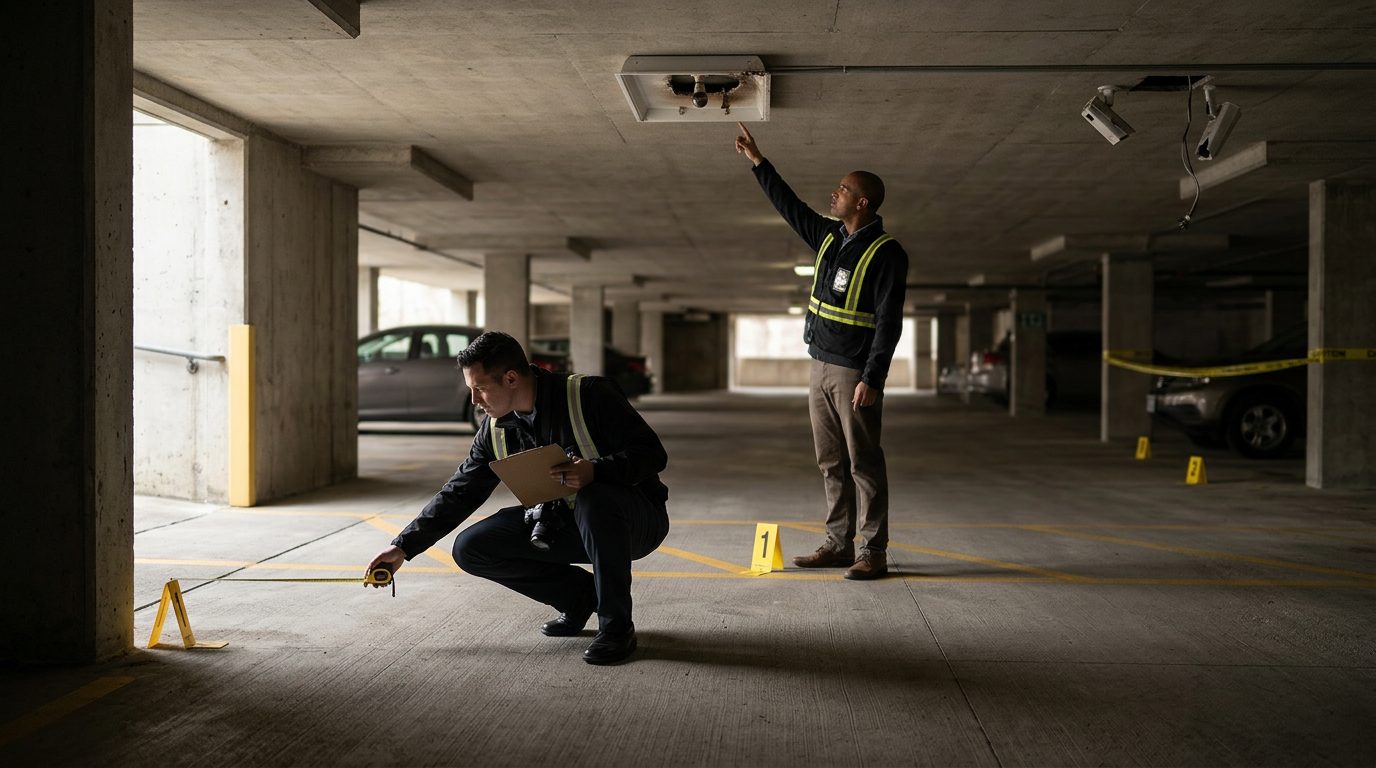
Premises Liability & Slip-and-Fall
When a Property Owner's Negligence Leaves You Injured
If you were hurt on someone else's property due to an unsafe condition in Georgia, you may have a claim. Slam Dunk Attorney helps injured people understand their rights and pursue fair compensation.
By Peter F. Jaraysi · Published September 29, 2026
Unsafe Property Conditions and Liability in Georgia: What Property Owners Owe You
If you’ve been injured on someone else’s property—whether a store, apartment complex, parking lot, or private home—the property owner may be legally responsible for your injury if they failed to maintain a safe environment. Georgia law requires property owners to keep their premises reasonably safe and to warn visitors of known hazards. Understanding what counts as an unsafe condition, what duties owners have, and when those failures create liability can help you determine whether you have a claim.
If you've been injured on someone else's property due to a hazard they should have fixed or warned you about, you may have a claim—and people in your situation reach out to us regularly to discuss what happened. Talk it through with our team — the first consultation is free, confidential, and carries no obligation.
What Counts as an Unsafe Property Condition Under Georgia Law
An unsafe property condition is any physical hazard that poses a foreseeable risk of injury to visitors. These hazards can be obvious or hidden, and they range from structural defects to maintenance failures.
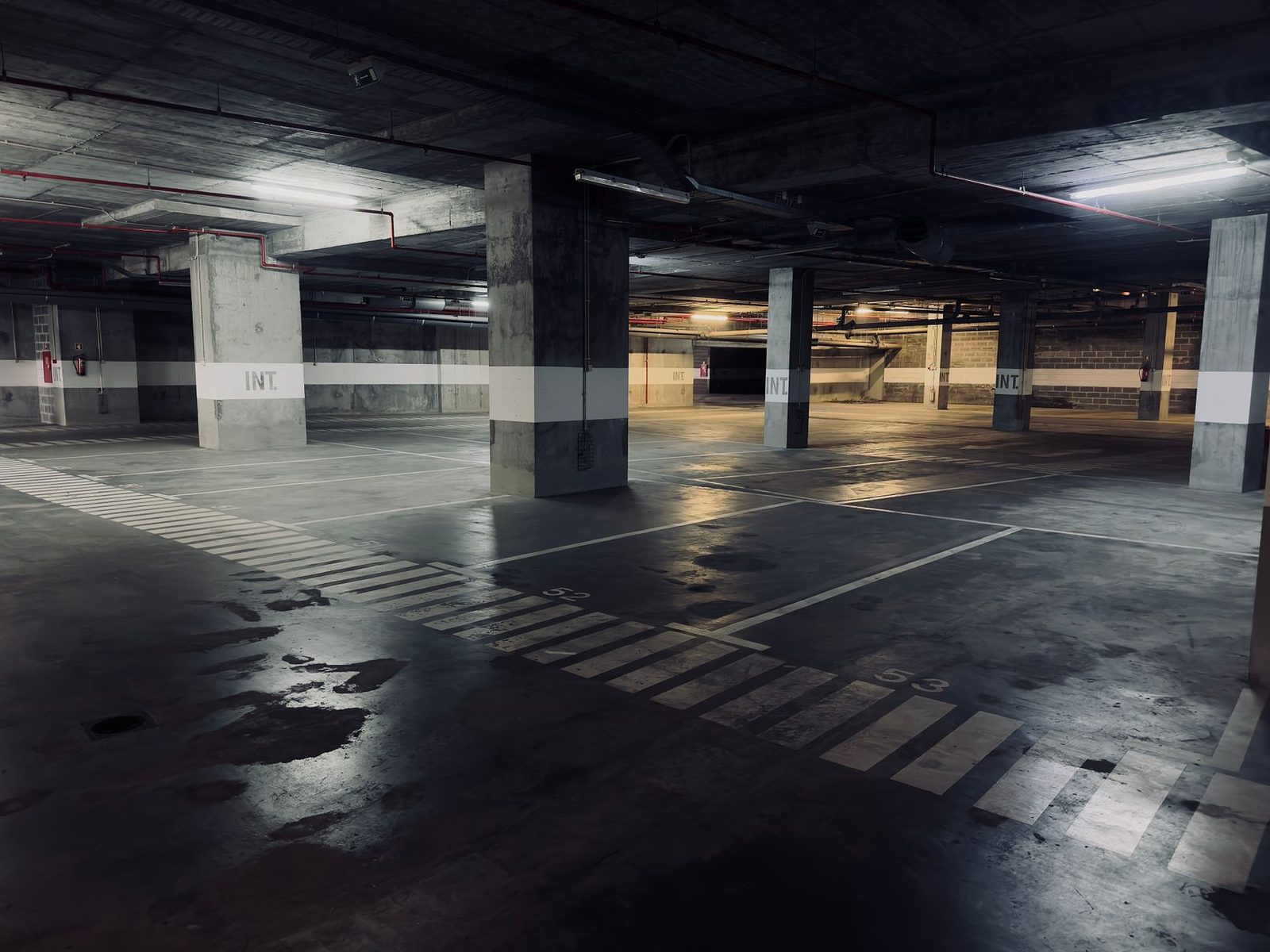
Common examples include broken or uneven stairs, wet or slippery floors without warning signs, debris or objects left in walkways, poor or absent lighting in parking areas or stairwells, loose or missing railings, crumbling pavement or sidewalks, exposed wiring or sharp objects, unsecured heavy equipment, and chemical spills or hazardous materials left uncontained. An unsafe condition doesn’t have to be dramatic—a single loose step, a burned-out light fixture, or standing water can be enough to create liability if it causes injury.
Georgia courts distinguish between obvious hazards and hidden or concealed dangers. A visitor might reasonably avoid an obviously broken step or a clearly wet floor. But a hazard that’s not immediately visible—such as a pothole hidden by shadows, a slippery substance on a dark stairwell, or a structural weakness that looks sound—is more likely to create liability because the visitor couldn’t reasonably protect themselves from it.
Property Owner Duties of Care in Georgia
Georgia law requires property owners to maintain their premises in a reasonably safe condition for visitors. This duty includes regular inspection for hazards, prompt repair or removal of dangerous conditions, and warning visitors of known unsafe situations that can’t be immediately fixed.
The level of duty a property owner owes depends on the visitor’s status:
- Invitees (customers, business guests, people invited for the owner’s benefit) receive the highest duty of care. Owners must inspect regularly, discover hazards, and warn or repair them.
- Licensees (social guests, people on the property with permission but not for business) receive a moderate duty. Owners must warn of known hazards but don’t have to inspect as thoroughly.
- Trespassers receive the lowest duty. Owners generally aren’t liable for injuries to trespassers, though they can’t set traps or intentionally harm them.
Most injury claims arise from injuries to invitees—customers at retail stores, visitors to apartment complexes, or guests at restaurants. Property owners must also maintain common areas and shared spaces (hallways, lobbies, parking areas, playgrounds) to a safe standard.
When Does an Unsafe Condition Create Liability
For a property owner to be liable for your injury, several conditions must be met. First, the owner must have had actual or constructive notice of the unsafe condition. “Actual notice” means the owner knew about it. “Constructive notice” means the owner should have discovered it through reasonable inspection—for example, a puddle that’s been on a floor for hours, or a broken step that’s been deteriorating for weeks.
Second, the owner must have failed to repair, remove, or adequately warn of the danger. If they knew about it but did nothing, liability is likely. Third, the unsafe condition must have directly caused your injury. If you slipped on a wet floor that the owner failed to dry or warn about, that causation is clear. Fourth, you must not have been primarily at fault for the accident.
Georgia applies comparative negligence, which means your recovery may be reduced if you were partially at fault. For example, if you were injured on a wet floor but you were running or not paying attention, a court might find you 20% at fault and reduce your recovery by that percentage. However, if the owner’s negligence was the primary cause, you can still recover.
Common Types of Unsafe Property Conditions That Lead to Injury
In the premises liability cases our attorneys handle, we see a consistent pattern of preventable hazards. Slip and fall hazards—wet surfaces, spilled liquids, ice, loose debris—are the most common. Structural defects like broken steps, uneven surfaces, loose railings, and deteriorating pavement cause serious injuries, especially among older visitors.
Poor lighting in parking lots, stairwells, and common areas creates both fall risks and security vulnerabilities. Inadequate security—broken locks, missing gates, poor surveillance—can lead to assault or theft. Unsecured or dangerous animals on the property pose obvious risks. Maintenance failures such as exposed wiring, broken equipment, chemical spills, or malfunctioning elevators also create liability.
How Georgia Courts Determine Negligence in Unsafe Property Cases
Georgia courts apply a “reasonable person” standard to evaluate premises liability. The question is: would a reasonable property owner, in the same situation, have discovered and fixed this hazard?
Courts consider several factors. Timeline matters: How long had the condition existed before your injury? A puddle on a floor for five minutes might not create liability; one that’s been there for hours likely does. Foreseeability is critical: Was injury from this condition reasonably foreseeable? A wet floor in a grocery store is foreseeable; an injury from a one-time spill that was cleaned within minutes may not be.
Notice is central: Did the owner have actual or constructive notice? If employees regularly pass through an area, the owner should know about hazards there. Industry standards and building codes inform what is “reasonable”—for example, OSHA standards and state building regulations establish benchmarks for safe premises maintenance, lighting, handrails, and flooring.
Not sure what your next step is?
Talk it through with our team — the first consultation is free, confidential, and carries no obligation.
Your Rights if Injured on an Unsafe Property in Georgia
If you’re injured due to an unsafe property condition, you may have a premises liability claim against the property owner or manager. You can seek compensation for medical expenses, lost wages, pain and suffering, disability, and other damages resulting from your injury.
Georgia’s statute of limitations gives you two years from the date of injury to file a lawsuit. This deadline is strict—if you miss it, you lose your right to sue, regardless of the strength of your claim. Insurance often covers the property owner’s liability, which means recovery may come from their policy rather than their personal assets.
Early consultation with an attorney can preserve evidence, protect your claim, and ensure you meet all deadlines. Witnesses’ memories fade, surveillance footage is deleted, and the condition itself may be repaired or altered—all of which can weaken your case.
What to Do If You’re Injured Due to an Unsafe Property Condition
Seek medical attention immediately, even if your injury seems minor. Some injuries worsen over time, and medical records create a clear timeline linking your injury to the incident.
Document the hazard with photos or video if you can do so safely. Photograph the exact spot where you fell, the condition that caused it, lighting conditions, and any warning signs (or lack thereof). Report the condition to the property owner or manager in writing—email is best because it creates a record. Gather contact information from any witnesses who saw the incident or the hazard.
Keep detailed records of all medical treatment, expenses, and lost work time. Avoid discussing the incident on social media, as posts can be used against you. Most importantly, consult a premises liability attorney before giving a recorded statement to the property owner’s insurance company. An attorney can guide you through the process and protect your interests.
Why Property Owner Liability Matters
Property owners have a legal and moral responsibility to maintain safe premises. Holding owners accountable encourages safer properties for everyone—when owners know they can be sued for negligence, they invest in maintenance, lighting, security, and hazard removal.
Your injury claim isn’t about punishment; it’s about covering real costs: medical bills, rehabilitation, lost income, and pain and suffering. Many property owners carry liability insurance specifically for these situations. An attorney can investigate whether the owner knew or should have known about the hazard, gather evidence of prior complaints or similar incidents, and build a strong case for your recovery.
Frequently Asked Questions
What’s the difference between an obvious hazard and a hidden danger?
A hazard is “obvious” if a reasonable visitor would see and avoid it; a “hidden” hazard is one a visitor couldn’t reasonably discover, such as a pothole in shadow or a slippery substance on a dark stairwell—and hidden hazards are more likely to create liability.
Can I recover damages if I was partially at fault for my injury?
Yes, under Georgia’s comparative negligence rule, you can still recover even if you were partially at fault, though your recovery will be reduced by your percentage of fault.
How long do I have to file a premises liability lawsuit in Georgia?
You have two years from the date of your injury to file a lawsuit; after that, you lose the right to sue regardless of the claim’s strength.
Are property owners liable for injuries caused by poor lighting or inadequate security?
Yes, if poor lighting or inadequate security created a foreseeable risk of injury and the owner knew or should have known about the hazard, they can be liable.
What evidence do I need to prove a property owner knew about an unsafe condition?
Evidence includes prior complaints, maintenance records, surveillance footage, witness testimony, the length of time the hazard existed, and industry standards for inspection and maintenance.
If you’ve been injured on someone else’s property due to a hazard they should have fixed or warned you about, you may have a claim. People in your situation reach out to us regularly to discuss what happened and explore their options. Contact us for a free consultation to review your case with an experienced premises liability attorney.
For more information about your rights after an injury, see our guides on slip and fall injuries and premises liability claims.
Know the Difference: Obvious vs. Hidden Hazards
A property owner is more likely to be liable for a hidden danger—one a reasonable visitor couldn't reasonably discover, like a pothole in shadow or a slippery substance on a dark stairwell—than for an obvious hazard a visitor should have seen and avoided. The circumstances of your injury matter.
Common Unsafe Property Conditions
Slip and Fall Hazards
Wet floors, spilled liquids, debris, or poorly maintained surfaces that cause you to fall and suffer injury.
Negligent Security
Inadequate lighting, broken locks, missing security measures, or failure to warn of known dangers that lead to injury.
Structural Defects
Broken stairs, loose railings, crumbling pavement, or other building or grounds failures that cause harm.
Lack of Maintenance
Unrepaired damage, overgrown hazards, or neglected conditions that a reasonable property owner should have fixed.
Why Property Owners Have a Duty to You
Legal Duty of Care
Property owners in Georgia are required by law to maintain their premises in a reasonably safe condition and to warn visitors of known hazards.
Your Circumstances Matter
Whether you were a customer, guest, or other visitor affects what duty the owner owed you. We evaluate the specific facts of your situation.
Evidence Tells the Story
Photos, maintenance records, prior complaints, and witness statements can show whether the owner knew—or should have known—about the unsafe condition.
We Listen and Advocate
Your injury and its impact matter. We work to hold property owners accountable for negligence that harms people.
Steps to Protect Your Claim
Report the Hazard
Tell the property owner or manager about the unsafe condition as soon as possible, and ask them to document your report in writing.
Document Everything
Take photos or video of the hazard, the scene, and your injuries. Write down the date, time, and what happened. Collect contact information from witnesses.
Seek Medical Care
Get prompt medical attention and keep all records. Your medical documentation links your injury directly to the unsafe condition.
Contact an Attorney
Reach out to Slam Dunk Attorney before speaking with the property owner's insurance company. We protect your rights from the start.
Partial Fault Does Not End Your Claim
Georgia law allows you to recover damages even if you were partially at fault for your injury, as long as you were less than 50% responsible. The amount you recover is reduced by your percentage of fault, and if you are 50% or more at fault you recover nothing. The specifics depend on the facts of your case.
How Slam Dunk Attorney Helps
Clear, Honest Answers
We explain your rights and the strength of your claim in plain language, without pressure or hype.
Fast Response
We move quickly to preserve evidence, interview witnesses, and build a strong case before details fade.
Thorough Investigation
We gather maintenance records, prior complaints, photos, and expert opinions to prove the owner's negligence.
No Fees Unless There Is a Recovery
You pay no attorney fees unless we recover compensation for you. You may still owe case costs; we discuss this upfront.