
Premises Liability | Cobb County and Metro Atlanta
Hurt on Someone Else's Property? You Don't Have to Sort It Out Alone.
Slam Dunk Attorney helps people injured by dangerous conditions on commercial, residential, and rental properties in Cobb County, including Marietta and Kennesaw, and across metro Atlanta. Our first consultation is free, confidential, and carries no obligation to continue.
By Peter F. Jaraysi · Published October 30, 2026
A Cobb County premises liability lawyer helps people who were hurt by a dangerous condition on land or inside a building. In Georgia, an owner or occupier can be liable for negligent security to an invitee injured on the premises, but only if the plaintiff proves the statutory elements, including that a third person’s wrongful conduct was reasonably foreseeable and that the owner failed to exercise ordinary care. This guide explains who can bring a claim, what the law requires, the deadlines that apply, and what the process looks like. Slam Dunk Attorney is based in Duluth, Georgia, and represents injured people in Cobb County, Marietta, Kennesaw, and across metro Atlanta and Georgia.
Who a Cobb County Premises Liability Claim Is For
A premises liability claim is for a person hurt by a dangerous condition on property that someone else owned or controlled.
Georgia law covers owners and occupiers of land who invite people onto the property for a lawful purpose. An occupier is the person in control of the space day to day, which may not be the title holder. Under O.C.G.A. § 51-3-1, liability depends on the owner’s failure to use ordinary care. Customers, shoppers, and guests invited in are usually called invitees.
Claims come up in stores, restaurants, apartment complexes, office buildings, and private homes across Cobb County, including Marietta and Kennesaw. If you were hurt and aren’t sure you have a claim, the facts of your injury are the best place to start.
If a fall or hazard on someone else's property left you hurt, with bills and missed work piling up, our team can review your facts in a free, confidential consultation with no obligation to continue. Talk it through with our team — the first consultation is free, confidential, and carries no obligation.
Incidents a Premises Liability Claim Can Cover
Premises claims cover injuries from hazards the owner knew about or should have found and fixed.
Common cases include:
- Slip and fall on wet floors, spilled liquids, torn carpet, or debris
- Trips on uneven flooring, cracked walkways, or potholes in parking lots
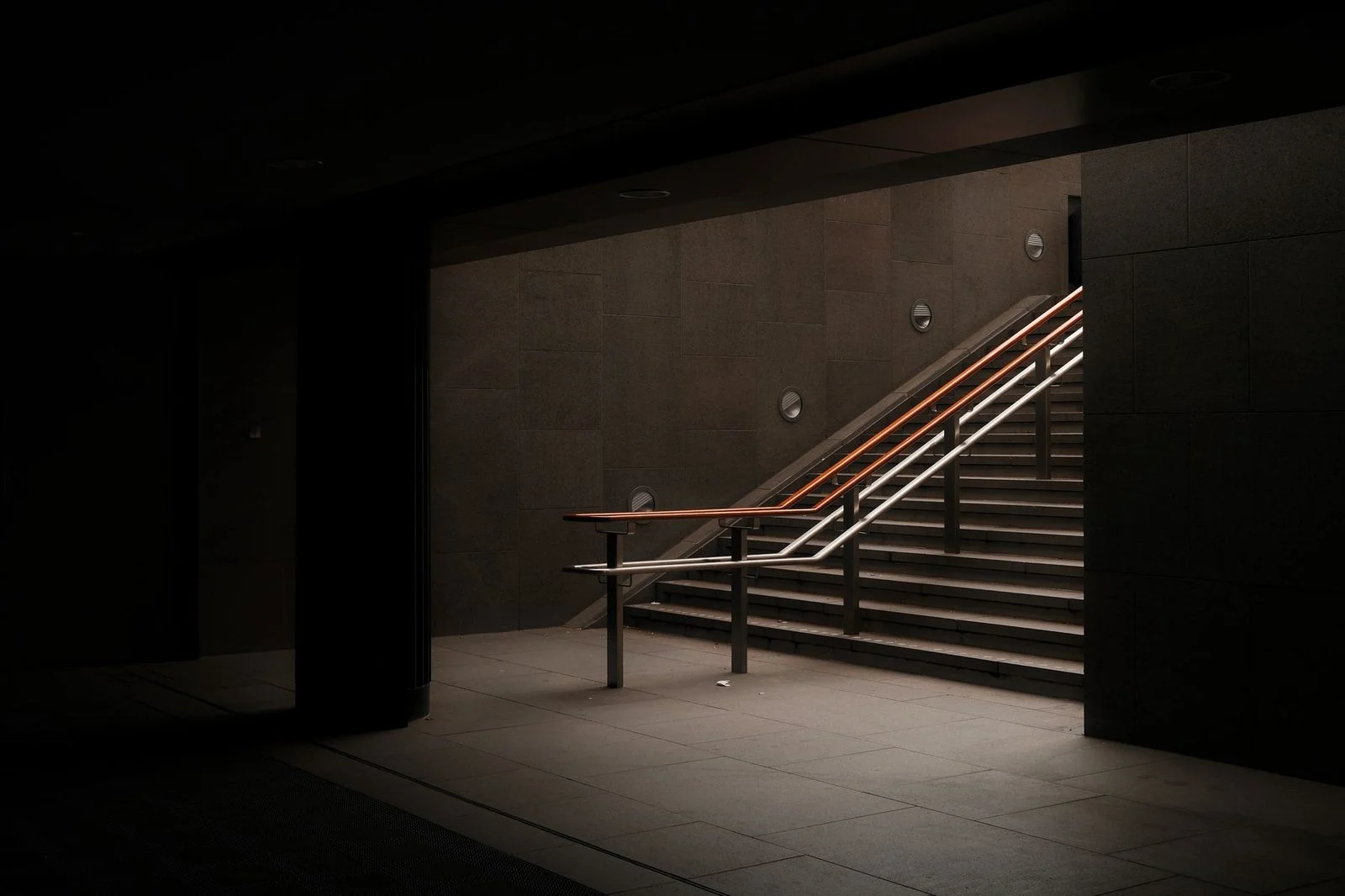
- Falls on stairs, broken handrails, or areas with missing lighting
- Defective conditions such as collapsing balconies, broken railings, or unsafe fixtures
- Assaults or crimes where the owner failed to take reasonable security steps
- Injuries at short-term rentals such as Airbnb and VRBO properties
Negligent security cases follow stricter proof rules. Except as provided in Code Section 51-3-54, O.C.G.A. § 51-3-51 provides that an owner or occupier shall be liable for negligent security arising from any injury sustained by any person upon the premises of the owner or occupier as an invitee if the plaintiff proves all of the following. First, the wrongful conduct by a third person was reasonably foreseeable because the owner or occupier either had particularized warning of imminent wrongful conduct by a third person, or reasonably should have known a third person was reasonably likely to engage in such conduct on the premises; but there is no liability based on a particularized warning if the owner or occupier made any reasonable effort to give that information to law enforcement, and calling 9-1-1 or otherwise reporting it to law enforcement counts as a reasonable effort. That second basis must rest on prior occurrences of substantially similar wrongful conduct of which the owner or occupier had actual knowledge: on the premises, on adjoining property or within 500 yards, or by the same third person when the owner or occupier knew or should have known, by clear and convincing evidence, that the person was or would be on the premises. Second, the injury was a reasonably foreseeable consequence of that conduct. Third, the conduct was a reasonably foreseeable consequence of the third person exploiting a specific physical condition of the premises known to the owner or occupier, which created a reasonably foreseeable risk of wrongful conduct on the premises that was substantially greater than the general risk of wrongful conduct in the vicinity of the premises. Fourth, the owner or occupier failed to exercise ordinary care to remedy or mitigate that specific and known condition and otherwise keep the premises safe. Fifth, this failure was a proximate cause of the injury.
What Georgia Law Requires of Property Owners
The owner doesn’t have to make a property perfectly safe. It must act with reasonable care.
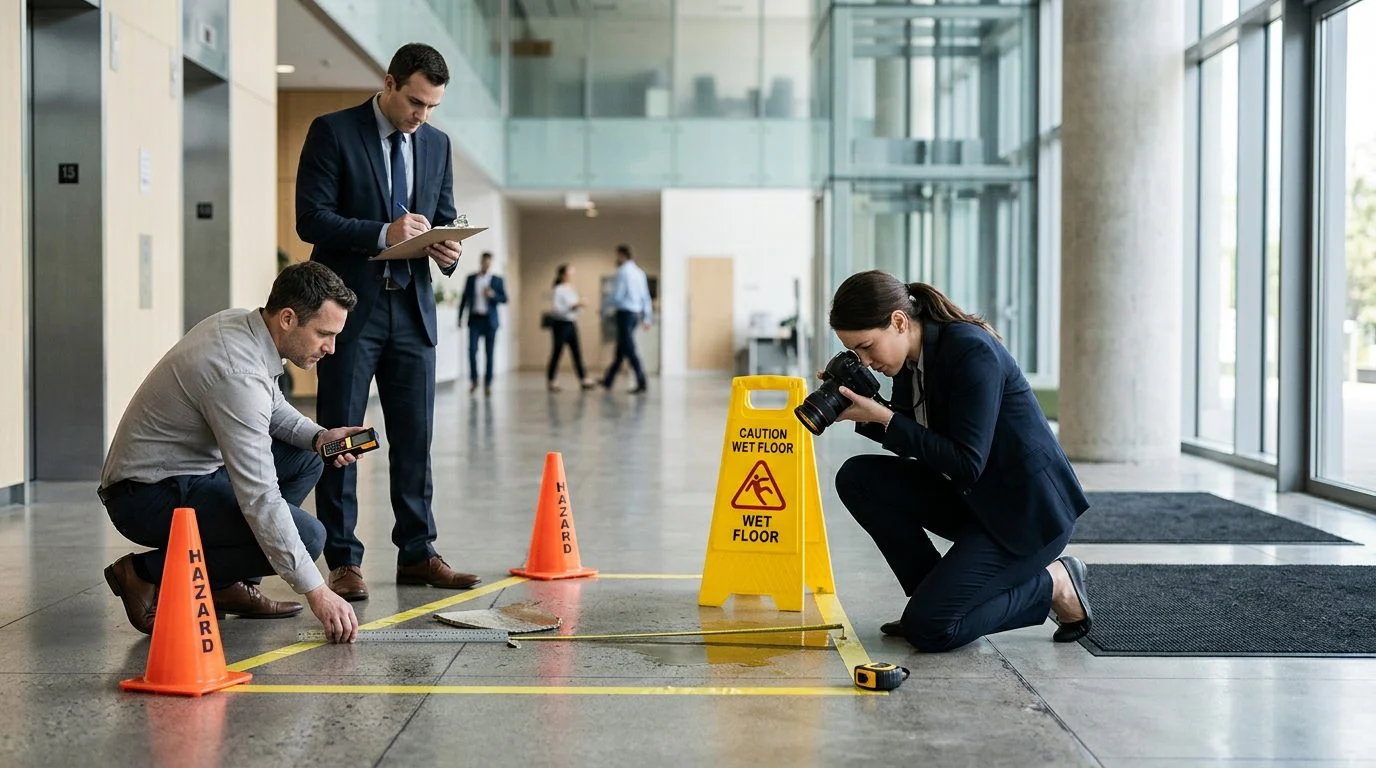
The key question is what the owner knew. Records often answer it. Useful evidence includes incident reports, maintenance logs, surveillance video, photos, and witness names. Video can be overwritten on a schedule, so early requests matter.
A person who is neither a customer, a servant, nor a trespasser, has no contractual relation with the owner, and is permitted, expressly or impliedly, to go on the property merely for their own interests, convenience, or gratification is a licensee (O.C.G.A. § 51-3-2). For licensees, Georgia makes the owner liable only for willful or wanton injury (O.C.G.A. § 51-3-2). That is a much higher bar, so the reason you were there matters.
Rental cases turn on who controlled the space. A landlord who has fully parted with possession is not responsible to others for the tenant’s negligence or illegal use of the premises, but the landlord is still responsible for damages from defective construction or from failing to keep the premises in repair (O.C.G.A. § 44-7-14). Whether that applies to a short-term rental depends on the facts.
Bring any photos, reports, or property details to your consultation so the firm can review them with you.
Georgia Deadlines and Fault Rules That Shape a Claim
Under O.C.G.A. § 9-3-33, actions for injuries to the person generally must be brought within two years after the right of action accrues, while actions for injuries to the person involving loss of consortium must be brought within four years after the right of action accrues. Other deadlines can apply. Claims against a county must be presented within 12 months after they accrue or become payable, or they are barred, provided that minors or other persons laboring under disabilities shall be allowed 12 months after the removal of the disability (O.C.G.A. § 36-11-1). That matters when the property is county-owned.
Georgia also uses a modified comparative fault rule. If you are less than 50 percent at fault, your award is reduced by your percentage of fault (O.C.G.A. § 51-12-33).
Insurers often argue the injured person should have watched where they walked. Partial-fault arguments are common, so how the fall happened matters. Reporting the incident to the property manager and getting medical care promptly helps create a clear record.
Acting early leaves more time to gather evidence. It doesn’t predict how any case will end.
How a Premises Liability Claim Works, Step by Step
A premises claim usually moves through a consultation, evidence gathering, insurer talks, and, if needed, a lawsuit.
- Free, confidential consultation. The firm reviews what happened, where, and your treatment so far. There’s no obligation to continue.
- Evidence requests. The firm requests incident reports, video, maintenance records, and property ownership information.
- Investigation. The firm looks at who owned or controlled the property, what they knew, and what insurance may apply.
- Insurer communication. A lawyer can handle conversations with the adjuster, so you don’t have to.
- Negotiation and filing. If a fair resolution isn’t reached, a lawsuit is filed within the Georgia deadline.
Timing varies with your injuries, medical care, and the insurer’s response. The firm explains the expected stages at your consultation.
What Damages May Be Recoverable
Damages are money awarded to compensate for losses caused by the injury. Georgia law separates general damages, which the law presumes flow from a wrongful act, from special damages, which must be proved (O.C.G.A. § 51-12-2).
- Medical expenses: emergency care, imaging, surgery, rehabilitation, and future care tied to the injury
- Lost wages: missed work and reduced ability to earn
- Pain and suffering: physical pain, emotional distress, and loss of enjoyment of life
- Out-of-pocket costs: transportation to appointments and similar expenses
Georgia law also says that if an injury is small or mitigating circumstances are strong, only nominal damages may be given (O.C.G.A. § 51-12-4). Each category needs bills, medical records, and wage information. Wrongful death claims by surviving family members follow their own rules, and the firm reviews those at consultation.
Not sure what your next step is?
Talk it through with our team — the first consultation is free, confidential, and carries no obligation.
Why Cobb County Clients Work With Slam Dunk Attorney
Slam Dunk Attorney is based in Duluth, Georgia, and represents people injured in Cobb County and across metro Atlanta and Georgia. Our team includes lawyers Peter F. Jaraysi, the responsible lawyer for this page, and Brian D. Wright. Support staff help clients keep track of medical appointments, documents, and insurer letters.
The firm also handles related matters, including slip and fall, negligent security, short-term rental injuries, and catastrophic injuries such as spinal cord injury and traumatic brain injury. Severe injuries often bring added medical and financial questions.
Every case is reviewed on its own facts. The firm does not promise any particular outcome.

Frequently Asked Questions
Is the first consultation free?
Yes. The first consultation is free, confidential, and carries no obligation to continue.
What if the insurance company says I don’t need a lawyer?
Adjusters work for the insurer. Speaking with a lawyer before a recorded statement or signing a release can help protect your claim.
What if I was partly at fault?
You can’t recover if you are 50 percent or more at fault. Otherwise, your damages are reduced by your share of fault (O.C.G.A. § 51-12-33).
How long do I have to file?
Generally two years for a personal injury lawsuit. Claims against counties must be presented within 12 months after they accrue or become payable, or they are barred; minors and others under disabilities get 12 months after the disability is removed (O.C.G.A. § 36-11-1).
Do I need a specific reason to be on the property?
Yes, it matters. Invitees are customers and people invited for a lawful purpose, while licensees face a much higher bar against owners.
If a fall or hazard left you hurt on a Cobb County property, and bills and missed work are piling up, request your free consultation and our team will review your facts with you.
Common Premises Hazards We Review
Slip and Fall
Wet floors, spills that were not cleaned up, uneven flooring, and missing or poorly placed warning signs can all lead to serious falls.
Icy or Poorly Maintained Walkways
Cracked pavement, potholes, broken steps, and icy walkways that were not treated or repaired can cause injuries at shopping centers, apartments, and homes.
Inadequate Security
When property owners fail to provide reasonable security, such as working lights, locks, or patrols, visitors can be exposed to foreseeable harm.
Short-Term Rental Hazards
Vacation and short-term rentals booked through platforms like Airbnb and VRBO may have broken railings, hot tubs or pools without barriers, or other hidden defects.
What to Expect When You Call Our Team
A Free, Confidential Start
Your first consultation is free and confidential, and there is no obligation to continue after it.
Plain-Language Answers
We explain the process in terms you can follow, so you know what is happening at each step.
Help Preserving Evidence
We can discuss which photos, records, and witness details are worth keeping while your memory of the scene is fresh.
Focus on Your Recovery
Our team handles the communication with insurers so you can concentrate on your health and your family.
Be Careful With the Insurance Adjuster
The adjuster who calls you works for the property owner's insurance company, not for you. Before giving a recorded statement, signing a release, or accepting an offer, consider speaking with a lawyer about your situation.