

Premises Liability
What Is Covered Under Premises Liability in Georgia
Property owners have a legal duty to keep their premises safe. Learn what injuries and incidents fall under premises liability law and how Slam Dunk Attorney can help.
By Peter F. Jaraysi · Published October 04, 2026
Premises liability covers injuries caused by unsafe or dangerous conditions on someone else’s property due to the property owner’s negligence or failure to maintain the space. In Georgia, property owners have a legal duty to keep their property reasonably safe for visitors, and when they breach that duty, they may be held responsible for injuries that result.
What premises liability covers
Under Georgia law (O.C.G.A. § 51-3-1), a property owner or occupier owes a duty of ordinary care to keep their premises and approaches safe for lawful visitors, called invitees. This means the owner must take reasonable steps to prevent injury—not just react after someone gets hurt.
Premises liability covers injuries caused by conditions the owner knew about, should have known about, or failed to maintain or repair. The coverage applies to customers, guests, tenants, and other people lawfully on the property. It does not protect trespassers or people who had no permission to be there.
Georgia’s law recognizes that property owners have ongoing responsibilities. They must inspect their property regularly, fix hazards promptly, provide adequate lighting, maintain structures and equipment, and warn visitors of dangers they cannot immediately fix. When an owner fails in these duties and someone gets hurt as a result, premises liability law allows that person to seek compensation.
If you were hurt on someone else's property—whether from a slip and fall, a dog bite, poor security, or neglect at a care facility—you may have a claim worth exploring, and people in your situation reach out regularly to discuss what happened. Talk it through with our team — the first consultation is free, confidential, and carries no obligation.
Common types of premises liability injuries and incidents
Premises liability claims arise from many different situations. Here are the most common:
Slip and fall accidents happen when floors are wet, debris is left lying around, stairs are broken or poorly lit, or walkways are uneven or icy. These are the most frequent premises liability claims.
Dog bites and animal attacks on a property owner’s premises fall under premises liability when the owner knew the animal was dangerous or failed to contain it properly.
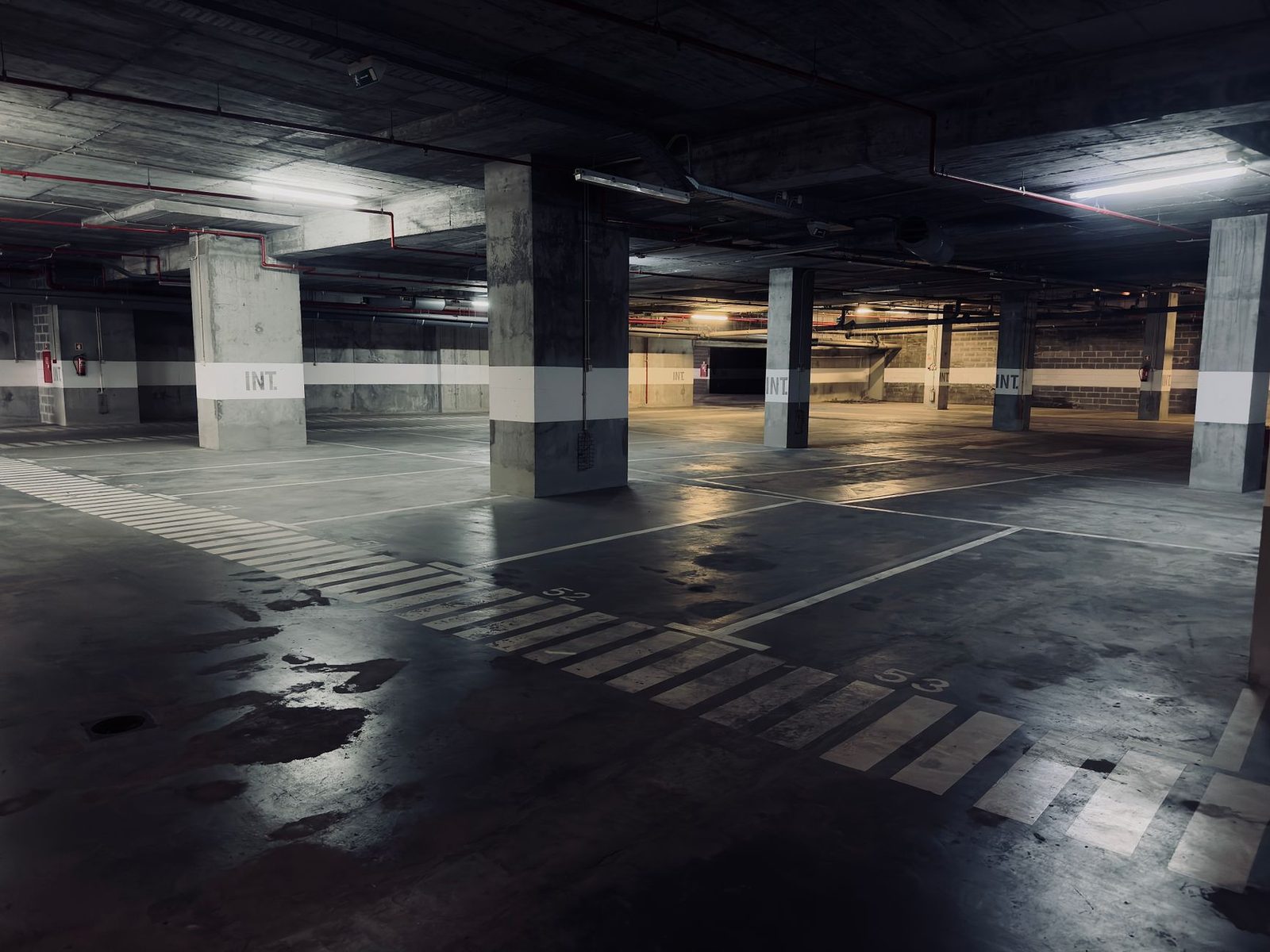
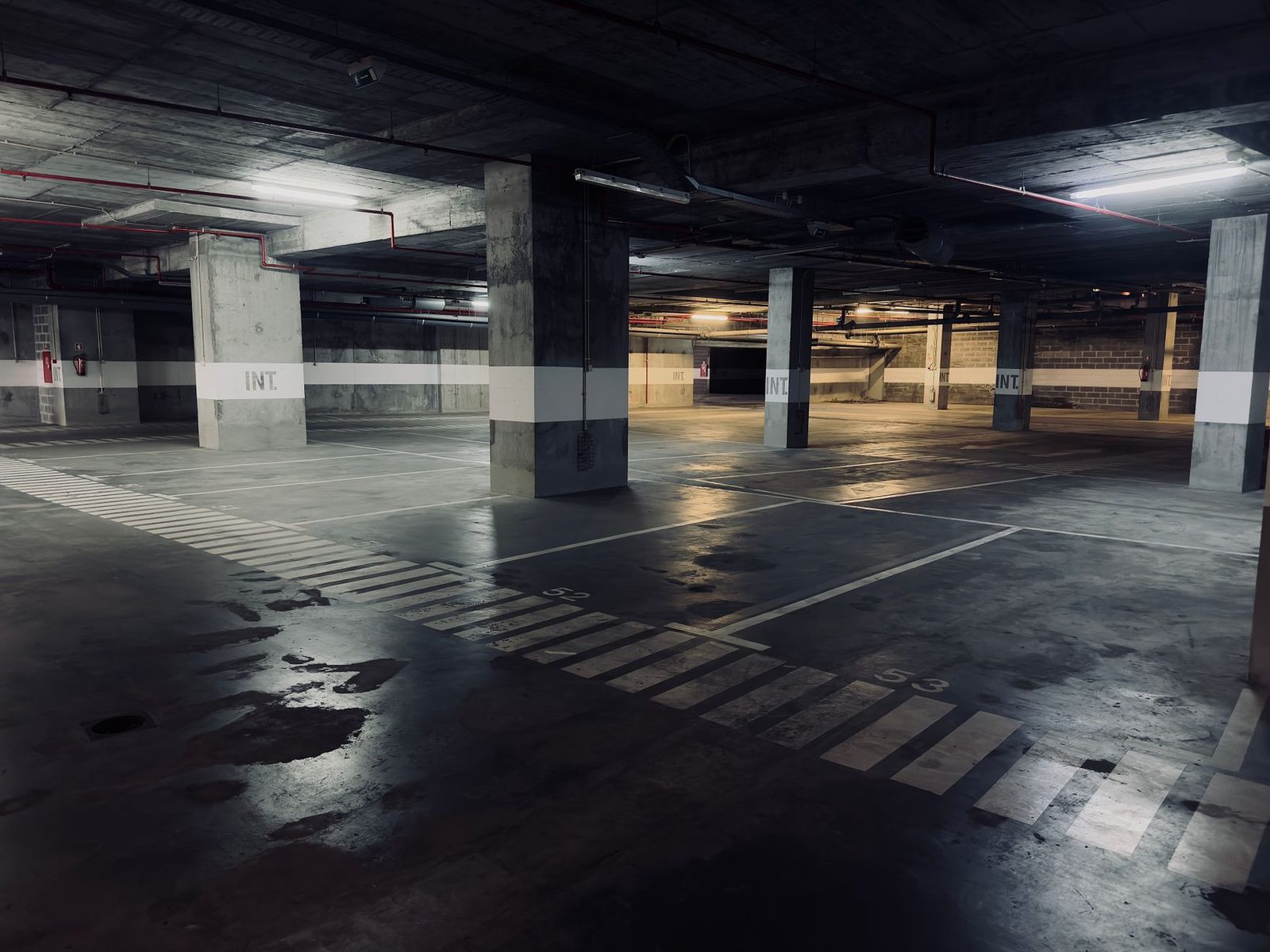
Negligent security incidents occur when a property owner fails to provide reasonable security measures—such as adequate lighting, locks, security cameras, or guards—and a visitor is assaulted, robbed, or attacked by a third party. In metro Atlanta and across Georgia, negligent security claims often arise from parking lot attacks, retail store robberies, or assaults at apartment complexes.
Structural and equipment hazards include falling objects, collapsed railings, broken stairs, defective equipment, or unsafe conditions caused by poor maintenance.
Injuries from inadequate maintenance result when an owner neglects repairs—a leaking roof that causes mold, a broken handrail, or a pothole in a parking lot.
Nursing home abuse and neglect falls under premises liability when a care facility fails in its duty to protect and care for residents. This includes physical abuse, emotional neglect, medication errors, or failure to prevent falls or injuries.
What a property owner’s duty of care includes
A property owner’s legal duty of care in Georgia is not vague. It includes specific, measurable responsibilities:
- Regular inspection of the property to identify hazards before someone is hurt
- Prompt repair of broken or unsafe conditions
- Adequate lighting in common areas, hallways, parking areas, and outdoor spaces
- Reasonable security measures to protect visitors from foreseeable criminal acts—locks, cameras, lighting, or security personnel where appropriate
- Warning signs or barriers for known dangers that cannot be immediately fixed
- Proper training and supervision of staff in commercial or care settings
- Compliance with building codes and safety regulations
- Removal of debris and maintenance of walkways and stairs
When a property owner fails to meet these duties and someone is injured as a result, they may be liable for the injured person’s medical bills, lost wages, pain and suffering, and other damages.
What falls under premises liability?
Premises liability claims can arise in many settings across Georgia:
Commercial property includes retail stores, restaurants, offices, hotels, shopping centers, and parking lots. If you slip on a wet floor at a grocery store in Alpharetta, trip over debris at a mall in Marietta, or are assaulted in a poorly lit parking lot in Dunwoody, the property owner may be liable.
Residential property includes rental homes, apartment complexes, and condominiums. Landlords and property managers owe tenants and guests a duty of care to maintain safe premises.
Public and semi-public spaces include parks, playgrounds, swimming pools, and community centers. Government entities and private owners of these spaces have duties to maintain them safely.
Care facilities include nursing homes, assisted living facilities, and rehabilitation centers. These facilities have heightened duties to protect vulnerable residents.
Injuries caused by the owner’s failure to act are central to premises liability. A hazard left unrepaired, a danger left unwarned, or inadequate security that allows a foreseeable crime to occur all fall within premises liability.
What premises liability does not cover
It’s equally important to understand what premises liability does not cover, so you know whether your situation fits:
Injuries to trespassers are generally not covered by premises liability law. If you were on someone else’s property without permission, you typically cannot recover. (There are limited exceptions for child trespassers in certain circumstances, but the general rule is strict.)
Injuries caused by your own negligence are not covered. If you were careless—for example, you weren’t paying attention and walked into a clearly marked hazard—your claim may be reduced or eliminated.
Injuries from “open and obvious” hazards may not be covered. If a hazard is so obvious that a reasonable person would notice it and avoid it, the property owner may not be liable. However, this rule has limits and depends on the specific situation.
Injuries from assumption of risk are not covered. If you knowingly participated in a dangerous activity and agreed to accept the risk, you cannot sue the property owner for injuries that result.
Injuries from acts of nature or unforeseeable events beyond the owner’s control—such as a sudden earthquake or lightning strike—are not covered.
How does a premises liability claim work in Georgia?
To have a valid premises liability claim in Georgia, you must generally prove four things:
- The property owner owed you a duty of care. This is usually easy to prove—owners owe duties to lawful visitors.
- The owner breached that duty. You must show the owner failed to maintain the property, failed to warn of a danger, or failed to provide reasonable security.
- The breach caused your injury. There must be a direct connection between the owner’s failure and your harm.
- You suffered damages. You must have real injuries, medical bills, lost wages, or other measurable harm.
You must also show that you were lawfully on the property and did not cause the hazard yourself.
Georgia follows a rule called modified comparative fault. Under O.C.G.A. § 51-12-33 (Quynn v. Hulsey, 310 Ga. 473 (2020)), if you were partially at fault for your injury, your damages are reduced by your percentage of fault. For example, if you were 20 percent at fault and your damages are $10,000, you can recover $8,000. However, if you are 50 percent or more at fault, you cannot recover anything. This rule makes it important to discuss your specific situation with someone who understands Georgia law.
The property owner’s liability insurance typically covers the cost of medical treatment, lost wages, pain and suffering, and other damages up to the policy limits. If the insurance company denies your claim or the damages exceed the policy limits, you may pursue a lawsuit.
Under Georgia law (O.C.G.A. § 9-3-33) (Cameron v. JMP Pizza, Inc. (2026)), you generally have two years from the date of your injury to file a premises liability lawsuit. This deadline is important—missing it can bar your claim entirely.
Not sure what your next step is?
Talk it through with our team — the first consultation is free, confidential, and carries no obligation.
Frequently asked questions
Does premises liability cover dog bites?
Yes. A property owner is liable for dog bites and animal attacks on their property if they knew or should have known the animal was dangerous or if they failed to contain it properly.
What is negligent security?
Negligent security is a type of premises liability claim where the property owner fails to provide reasonable security measures (lighting, locks, cameras, guards) and a visitor is harmed by a criminal act that could have been prevented.
Can I recover if I was partially at fault?
Yes, under Georgia’s modified comparative fault rule, you can recover damages even if you were partially at fault—as long as you were less than 50 percent responsible.
How long do I have to file a claim?
You generally have two years from the date of your injury to file a premises liability lawsuit in Georgia.
What if the property owner says the hazard was “open and obvious”?
The open and obvious doctrine may limit liability, but it does not eliminate it in all cases. The specific facts matter—whether you could reasonably have noticed and avoided the hazard, and whether the owner had a duty to warn despite the hazard being visible.
When to reach out for help
If you were injured on someone else’s property and believe the owner’s negligence caused your injury, you may have a premises liability claim. Whether it’s a slip and fall at a store in Johns Creek, a dog bite at a neighbor’s home, an assault due to poor security at an apartment complex in Kennesaw, or neglect at a nursing home in Norcross, the principles are the same: the owner had a duty, they breached it, and you were harmed as a result.
Many people in your situation—injured and uncertain about whether they have a claim—reach out to discuss what happened and whether pursuing compensation makes sense. An initial conversation can help clarify whether your injury falls within premises liability, what your claim might be worth, and what your next steps could be.
If you’re still gathering information or trying to understand your rights, reaching out for a free consultation is a straightforward way to get answers specific to what happened to you. People in your shoes contact us regularly—you don’t have to figure this out alone.
Common Premises Liability Claims
Slip and Fall Injuries
Property owners must maintain safe conditions and warn visitors of hazards. Falls caused by wet floors, broken stairs, poor lighting, or debris may lead to a premises liability claim.
Dog Bites and Animal Attacks
A property owner is liable for dog bites and animal attacks if they knew or should have known the animal was dangerous or failed to contain it properly.
Negligent Security
When a property owner fails to provide reasonable security measures—such as adequate lighting, locks, or staff—and a visitor is harmed as a result, the owner may be liable.
Unsafe Property Conditions
Hazardous conditions like broken railings, exposed wiring, unsecured furniture, or structural defects that cause injury can form the basis of a premises liability claim.
What Property Owners Owe Visitors
Duty of Care
Georgia law requires property owners to maintain their premises in a reasonably safe condition and to warn visitors of known dangers.
Reasonable Precautions
Owners must take reasonable steps to prevent foreseeable harm—such as fixing hazards, providing adequate lighting, and securing dangerous animals.
Notice of Hazards
Property owners must either fix unsafe conditions or post clear warnings so visitors can avoid injury. Failure to do either may constitute negligence.
Important: Visitor Status Matters
Georgia law recognizes different categories of visitors—invitees, licensees, and trespassers—and the level of care owed depends on the visitor's status. The circumstances of your injury and your relationship to the property owner affect your claim. An attorney can help determine what duty of care applied in your situation.
Steps to Take After a Premises Injury
Document the Scene
Take photos of the hazard or unsafe condition that caused your injury. Note the date, time, and any witnesses present.
Report the Incident
Notify the property owner or manager immediately and request that an incident report be filed. Keep a copy for your records.
Seek Medical Attention
Get evaluated by a healthcare provider and keep all medical records, bills, and documentation of your treatment and recovery.
Gather Evidence
Collect contact information from witnesses, security camera footage (if available), maintenance records, and any prior complaints about the hazard.
Why Premises Liability Claims Matter
Medical and Recovery Costs
Premises injuries can result in significant medical bills, lost wages, and ongoing care expenses. A claim seeks to recover those costs from the responsible party.
Accountability
Holding property owners accountable encourages them to maintain safe conditions and protect future visitors from similar harm.
Fair Compensation
You may be entitled to recover damages for medical expenses, lost income, pain and suffering, and other losses resulting from the injury.
Time Limits Apply
Georgia law sets strict deadlines for filing premises liability claims. Waiting too long can bar your right to pursue compensation. Contact Slam Dunk Attorney promptly to discuss your situation and protect your legal rights.
Injured on Someone Else's Property?
Related practice areas
- Premises Liability Lawyer in Georgia: Injured on Someone Else’s Property
- Dog Bite Premises Liability Claims in Georgia
- Restaurant and Commercial Premises Liability in Georgia