
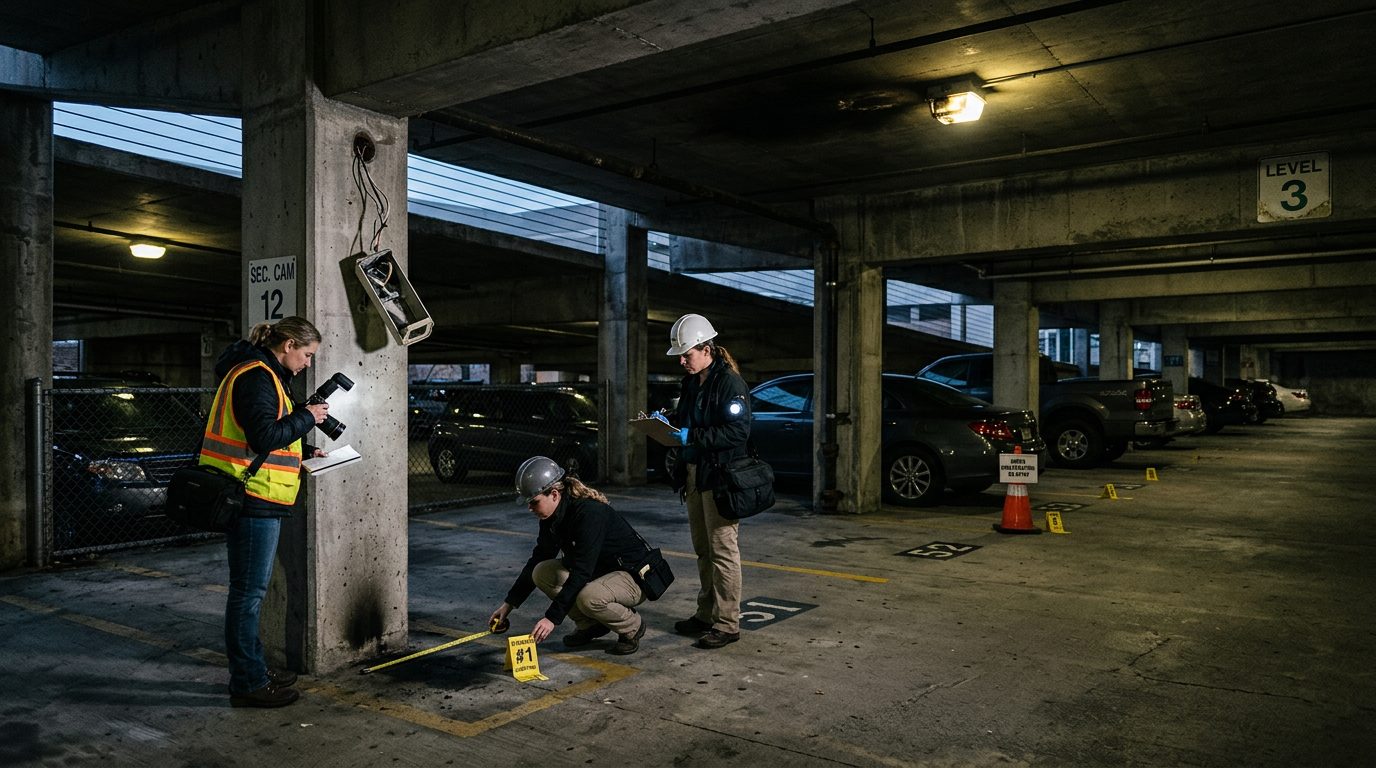
Premises Liability | Georgia
Invitee, Licensee & Trespasser: Understanding Your Rights After a Property Injury
Your status on someone else's property affects what you can recover. We help injured people in Georgia understand their options.
By Peter F. Jaraysi · Published October 04, 2026
Invitee, Licensee & Trespasser: Understanding Your Premises Liability Rights in Georgia
Georgia law divides people injured on someone else’s property into three visitor categories—invitee, licensee, and trespasser—and the category you fall into directly affects whether you may have a premises liability claim. Understanding these distinctions helps clarify what happened and whether the property owner may have been responsible for your injury.
If you were injured on someone else's property and aren't sure whether your visitor status gives you a claim, reach out to discuss what happened—people in your situation contact us regularly. Talk it through with our team — the first consultation is free, confidential, and carries no obligation.
What Is Premises Liability in Georgia?
Premises liability is the legal responsibility a property owner has when someone is injured on their property due to an unsafe condition or the owner’s negligence. Georgia law recognizes that property owners owe different levels of care depending on who is on the property and why. The visitor’s status—invitee, licensee, or trespasser—determines what duty of care the property owner must provide. Understanding these categories helps clarify what happened if you or a loved one was injured on someone else’s property.
What Is the Difference Between an Invitee, a Licensee, and a Trespasser?
Georgia law divides visitors into three categories, each with different legal protections and different duties owed by the property owner. The category depends on the visitor’s purpose, whether they were invited, and whether the property owner knew or should have known they were there. These distinctions come from Georgia common law and are applied in premises liability cases throughout the state.
Invitees: The Highest Duty of Care
An invitee is someone invited onto the property for a purpose that benefits both the visitor and the property owner—typically a customer, client, or guest. Examples include customers in a store, patients at a medical office, diners at a restaurant, or visitors to a business open to the public.
Property owners owe invitees the highest duty of care: they must maintain the property in a reasonably safe condition and warn of hidden dangers. This duty includes regular inspections, prompt repairs, and clear warnings about known hazards. If an invitee is injured due to an unsafe condition the property owner knew about or should have discovered through reasonable inspection, the owner may be liable for damages.
In the premises liability cases our attorneys handle in metro Atlanta and Georgia, invitees are often customers injured by slip-and-fall hazards, merchandise falling from shelves, or inadequate security that led to an assault. Because property owners owe invitees the highest duty, these claims often have a stronger foundation than claims brought by licensees or trespassers.
Licensees: A Moderate Duty of Care
A licensee is someone on the property with the owner’s permission but not for a purpose that benefits the owner—for example, a social guest, a friend visiting for dinner, or a neighbor stopping by. The owner’s permission may be express (a direct invitation) or implied (the owner knows and tolerates the person’s presence).
Property owners owe licensees a lower duty than invitees: they must warn of known dangers but are not required to inspect the property or repair hazards. The owner must disclose hazards they actually know about, but they have no duty to search for hidden dangers. A licensee injured by a condition the owner did not know about generally cannot recover, even if the owner should have discovered it through inspection.
For example, if a friend visits your home and is injured by a hole in the backyard that you were unaware of, the owner typically owes no duty to have discovered and repaired it. But if you knew the hole existed and did not warn your friend, you may be liable.
Trespassers: The Lowest Duty of Care
A trespasser is someone on the property without permission and without a legal right to be there. Property owners owe trespassers the lowest duty of care: generally, they owe no duty to maintain the property safely or warn of dangers.
However, Georgia law does impose a duty not to willfully or wantonly injure a trespasser—meaning the owner cannot set traps or intentionally harm someone they know is trespassing. A trespasser injured by a natural condition or ordinary hazard on the property typically cannot recover damages. Recovery is possible only in rare circumstances where the owner’s conduct was reckless or intentional.
Not sure what your next step is?
Talk it through with our team — the first consultation is free, confidential, and carries no obligation.
How Does Visitor Status Affect a Premises Liability Claim?
Your status as an invitee, licensee, or trespasser directly affects whether you have a valid premises liability claim. If you were an invitee, the property owner’s duty to maintain a safe property is highest, making it more likely a claim can succeed if you were injured by a preventable hazard. If you were a licensee, you must show the owner knew about the specific danger that caused your injury. If you were a trespasser, recovery is difficult unless you can prove the owner acted willfully or wantonly to cause harm.
Determining your status requires looking at the facts: why you were on the property, whether you were invited, and what the owner knew about your presence. Courts examine the nature of the visit, the relationship between the visitor and the owner, and whether the owner benefited from the visitor’s presence.
What Does Georgia Law Say About Property Owner Duties?
Georgia Code § 51-3-54 addresses the liability of property owners for injuries on their property. The statute and Georgia case law establish that the duty owed depends on the visitor’s status and the nature of the hazard. Property owners are not insurers against all injuries; they are responsible only for hazards created by their negligence or failure to exercise reasonable care appropriate to the visitor’s status.
Courts examine whether the owner knew or should have known about the danger, whether they had time to fix it, and whether the visitor’s status required the owner to inspect for it. Under Georgia’s modified comparative fault rule, damages are reduced by the plaintiff’s percentage of fault, and a plaintiff 50 percent or more responsible recovers nothing.
Additionally, Georgia law imposes a two-year deadline for filing a personal-injury lawsuit. If you were injured on someone else’s property, you generally have two years from the date of injury to file a claim.
What If You’re Not Sure What Your Status Was?
Sometimes it is not immediately clear whether someone was an invitee, licensee, or trespasser—for example, if you were injured in a common area of an apartment building, on a neighbor’s property after an informal invitation, or in a business after hours. The determination depends on the specific facts and circumstances, and courts may disagree about borderline cases.
If you were injured on someone else’s property and are unsure whether you have a claim, it is worth discussing the details with someone who understands Georgia premises liability law. The difference between visitor categories can mean the difference between a viable claim and no recovery at all.
Frequently Asked Questions
Can I sue if I was a licensee and was injured on someone’s property?
Yes, but you must prove the property owner knew about the specific danger that caused your injury and failed to warn you. You cannot recover for a hazard the owner was unaware of.
What if I was partially at fault for my injury?
Georgia’s comparative fault law reduces your recovery by your percentage of responsibility. If you were 50 percent or more at fault, you recover nothing.
How long do I have to file a premises liability claim in Georgia?
You generally have two years from the date of injury to file a lawsuit. Missing this deadline bars your claim.
What counts as a “known danger” for a licensee?
A known danger is one the property owner actually knew about—not one they should have discovered through inspection. The owner must have actual knowledge.
Next Steps If You’ve Been Injured on Someone Else’s Property
If you or a family member was injured on someone else’s property in Georgia, understanding your visitor status and the property owner’s duty is an important first step. Gathering details about how the injury happened, what condition caused it, whether you were invited, and what the owner knew can help clarify whether a claim may be possible.
Many people in your situation—injured on someone else’s property and uncertain whether they have legal options—reach out to discuss what happened and learn whether they may have a claim. Slam Dunk Attorney handles premises liability cases across metro Atlanta and Georgia, including slip-and-fall injuries, unsafe property conditions, negligent security, and other accidents on someone else’s property.
If you would like to discuss your situation and understand your options, contact Slam Dunk Attorney for a free case review. There’s no obligation, and a free consultation can help you understand where you stand.
Your Status on the Property Matters
Invitee
You were invited onto the property for the owner's benefit (a customer at a store, a guest at a business). Property owners owe invitees the highest duty of care—to maintain safe conditions and warn of known dangers.
Licensee
You had permission to be there, but not for the owner's primary benefit (a social guest, a delivery person). Owners must warn licensees of known dangers, but have a lower duty than for invitees.
Trespasser
You were on the property without permission. Property owners owe trespassers minimal duty, except they cannot set traps or intentionally harm you. Recovery is difficult but not impossible in limited cases.
What We Handle in Premises Liability Cases
Slip and Fall Injuries
Wet floors, broken stairs, uneven surfaces, and poor maintenance that cause falls and serious injury.
Negligent Security
Inadequate lighting, broken locks, lack of security personnel, or failure to warn of known criminal activity on the property.
Dog Bites
Injuries from a dog on someone else's property, including cases where the owner knew the dog was dangerous.
Unsafe Property Conditions
Defective equipment, hazardous materials, falling objects, or structural problems that cause injury.
Nursing Home Abuse
Neglect, mistreatment, or unsafe conditions in long-term care facilities that harm residents.
Your Status Affects Your Claim
Georgia law recognizes different duties depending on whether you were an invitee, licensee, or trespasser. The property owner's knowledge of the danger and failure to warn or fix it are key to your case. Even if you were partially at fault, you may still recover under Georgia's comparative fault law.
Common Questions About Premises Liability
Can I sue if I was a licensee?
Yes. You must prove the property owner knew about the specific danger that caused your injury and failed to warn you. You cannot recover for a hazard the owner was unaware of.
What if I was partially at fault?
Georgia's comparative fault law allows you to recover even if you share some responsibility—your award is reduced by your percentage of fault.
What must I prove?
You must show the owner had a duty to you based on your status, the owner breached that duty, and the breach caused your injury and damages.
How long do I have to file?
Time limits apply. Contact us promptly to discuss your situation and protect your rights.
How Slam Dunk Attorney Can Help
Case Investigation
We gather evidence about the property condition, the owner's knowledge, and your injury to build a strong claim.
Clear Explanation
We explain your status on the property and what it means for your case in plain language.
Direct Communication
You speak with us—not a staff member—about your injury and your options.
Compassionate Representation
We listen to your story and work to hold property owners accountable for negligence that causes harm.
Injured on Someone Else's Property? We're Here to Help.
Related practice areas
- Premises Liability Lawyer in Georgia: Injured on Someone Else’s Property
- How Hard Is It to Win a Wrongful Death Suit in Georgia?