
Slip & Fall Injury Lawyer
Retail Store Injury Claims in Georgia
If you were hurt by a hazard in a store—a wet floor, broken fixture, or unsafe condition—you may have a claim. Slam Dunk Attorney focuses exclusively on premises liability cases across metro Atlanta and Georgia.
By Peter F. Jaraysi · Published September 21, 2026
Retail Store Injury Lawyer in Georgia
If you were injured while shopping—slipped on a wet floor, tripped over debris, or were struck by falling merchandise—the store may be legally responsible for your medical bills, lost wages, and pain and suffering. Under Georgia premises liability law, retail businesses have a duty to maintain safe conditions and warn customers of known hazards; when they fail to do so, you may have a valid claim.
Slam Dunk Attorney, based in Duluth, Georgia, represents injured shoppers and visitors across metro Atlanta and Georgia in retail store injury claims. We handle the investigation, negotiation, and litigation so you can focus on recovery.
If you were injured while shopping at a retail store due to a hazard the business should have fixed or warned you about, you may have a premises liability claim—and people in your situation reach out to us regularly. Talk it through with our team — the first consultation is free, confidential, and carries no obligation.

What Is a Store or Retail Injury Claim?
A retail store injury claim is a premises liability case in which a business failed to maintain safe conditions or warn customers of hazards, and you were injured as a result.
Common scenarios include slipping on spilled merchandise or wet floors, tripping over debris or broken fixtures, being struck by falling or improperly stacked merchandise, injuries in poorly lit areas, and assaults or injuries due to inadequate security. These claims apply to injuries at grocery stores, shopping centers, department stores, specialty retailers, malls, and similar commercial spaces.
If you were a lawful customer or visitor and were injured because the store was negligent—not because of your own carelessness—you can file a claim. The store’s negligence, not the nature of the injury, is what matters.
What Does a Retail Store Injury Claim Cover?
A successful retail store injury claim can recover compensation for:
- Medical expenses: emergency care, surgery, ongoing treatment, rehabilitation, and prescription medications.
- Lost wages: income you lost while recovering and unable to work.
- Pain and suffering: compensation for physical pain, emotional distress, and reduced quality of life during recovery.
- Permanent injury or disability: long-term or permanent harm and its impact on your future earning capacity.
- Property damage: replacement or repair of personal items damaged in the incident.
- Future medical care: anticipated ongoing treatment or therapy directly related to the injury.
The amount you can recover depends on the severity of your injury, the clarity of the store’s liability, and the strength of your evidence. We evaluate each case individually and explain realistic expectations.
How Retail Store Liability Works in Georgia
Retail stores in Georgia have a legal obligation to maintain reasonably safe premises and warn customers of known hazards. Under Georgia premises liability law, a store can be held liable not only for hazards it actually knew about, but also for hazards it should have discovered through reasonable inspection and maintenance practices. This is called “constructive notice.”
For example, if a store manager didn’t personally see a spill but the store failed to inspect the aisle regularly, the store can still be liable because it should have known about the hazard.
Georgia also applies a modified comparative fault rule: you can recover damages even if you were partially at fault for the injury, as long as your degree of fault is less than 50%, with your recovery reduced by your percentage of fault. If you were 40% at fault and the store was 60% at fault, you can still recover 60% of your damages. If you were 50% or more at fault, you cannot recover.
Stores often defend themselves by claiming the hazard was obvious, you were careless, or they had no notice of the problem. We counter these defenses with evidence, witness testimony, store maintenance records, and expert analysis.
Types of Retail Store Injuries We Handle
Our attorneys have handled a wide range of retail injury cases:
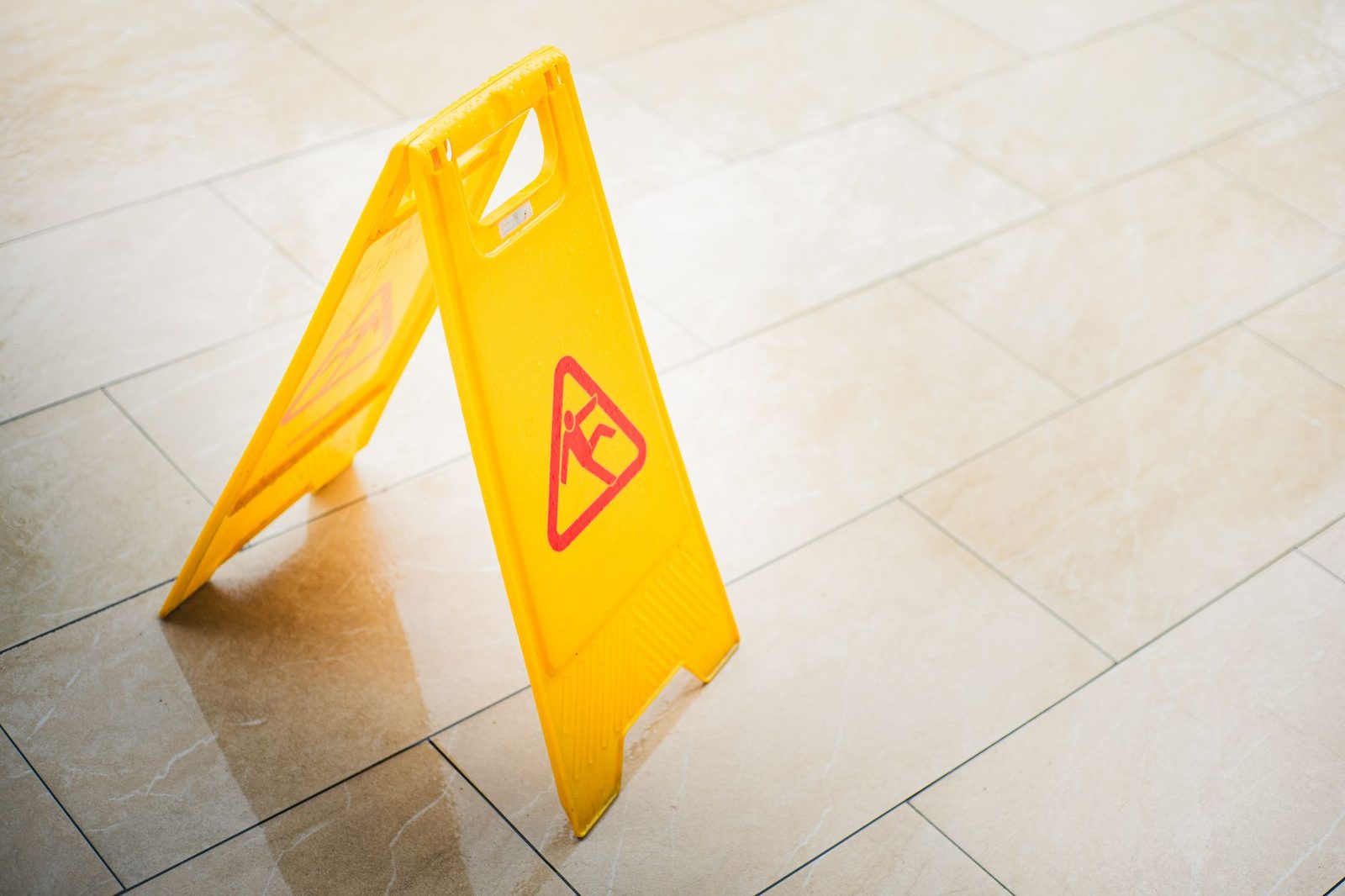
- Slip and fall: wet floors, spilled merchandise, inadequate cleaning, missing or ignored warning signs.
- Falling objects: unsecured shelving, improperly stacked merchandise, overhead hazards that fall on customers.
- Inadequate lighting: poorly lit aisles, restrooms, or parking areas that lead to trips, falls, or criminal activity.
- Broken or defective fixtures: damaged flooring, stairs, escalators, handrails, or other structural hazards.
- Unsafe parking areas: potholes, debris, poor maintenance, or inadequate lighting that causes injury.
- Negligent security: assaults or injuries due to lack of security measures, staff presence, or failure to address known criminal activity on the premises.
How the Process Works: From Injury to Resolution
Step 1: Initial Consultation
We meet with you (at no cost) to review your injury, what happened, the store’s actions, and your damages. We ask detailed questions and listen to your account. This confidential meeting helps us determine whether you have a viable claim.
Step 2: Investigation
We don’t rely on the store’s explanation. Our team gathers evidence independently:
- Store surveillance footage (if available).
- Incident reports filed by store staff.
- Witness statements and contact information.
- Store maintenance and inspection records.
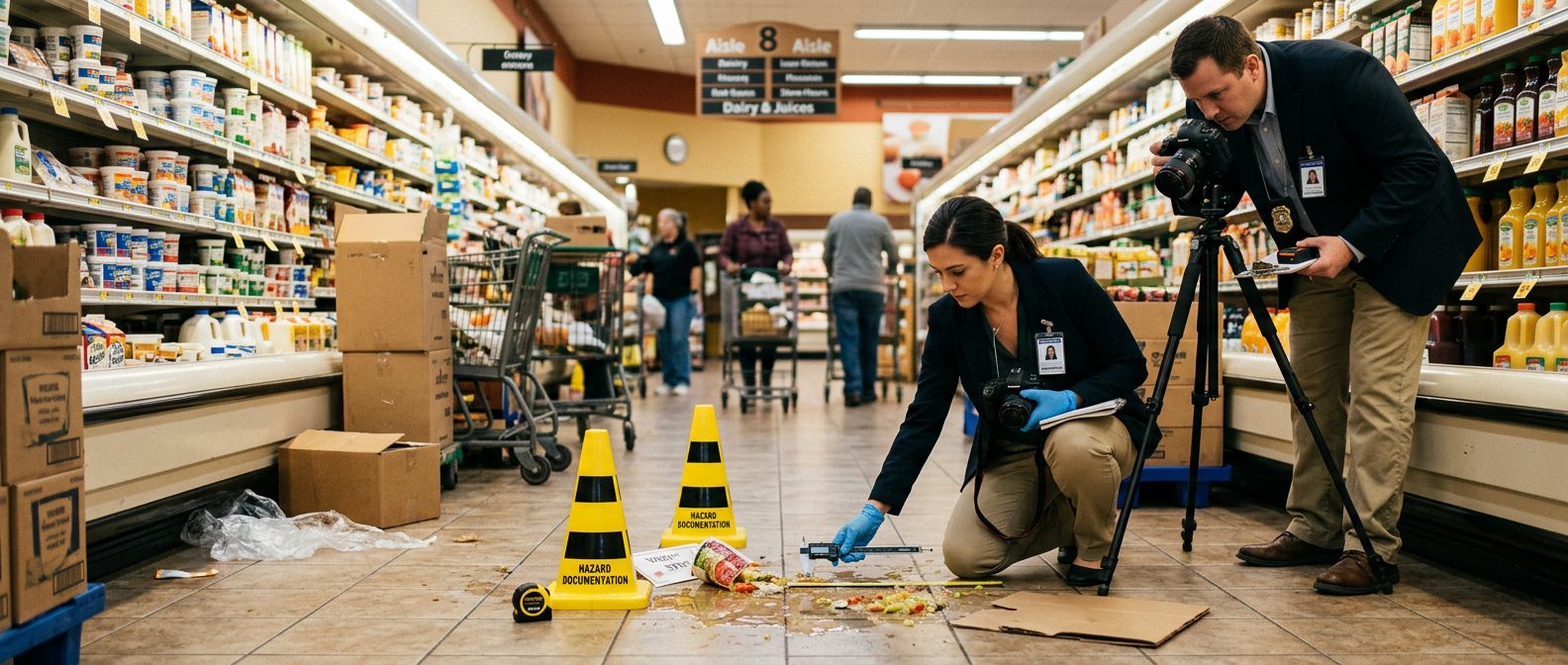
- Photographs of the hazard and the scene.
- Expert opinions on safety standards and the store’s duty.
Step 3: Medical Documentation
We work with your healthcare providers to establish the full extent and cost of your injuries. Medical records are the foundation of your claim’s value. We collect treatment records, diagnoses, surgical reports, and ongoing care plans.
Step 4: Demand and Negotiation
We prepare a detailed demand letter and supporting evidence and submit it to the store’s insurance company. We then negotiate on your behalf. Many cases settle at this stage when the evidence is strong.
Step 5: Settlement or Litigation
If the insurance company offers a fair settlement, we advise you and help you decide. If not, we file a lawsuit and represent you in court. We prepare for trial and are ready to present your case to a jury if necessary.
Timeline: Most retail injury cases resolve within 6–18 months. Complex cases with severe injuries or disputed liability may take longer. We’ll give you a realistic timeline after our investigation.
Not sure what your next step is?
Talk it through with our team — the first consultation is free, confidential, and carries no obligation.
Why Choose Slam Dunk Attorney for Your Retail Injury Claim
Local experience: We’re based in Duluth, Georgia, with deep knowledge of Georgia premises liability law and familiarity with metro Atlanta courts and judges.
Focused practice: We concentrate on premises liability and personal injury cases. This is what we do—not a side practice.
Thorough investigation: We independently gather evidence and don’t accept the store’s account at face value.
No upfront costs: You pay no attorney fees or case costs unless we recover compensation for you. You don’t bear the financial risk of pursuing your claim.
Direct representation: You work with experienced attorneys, not paralegals or case managers.
Transparent communication: We explain your rights, options, and realistic expectations in plain language. No legal jargon or surprises.
What You’ll Need to Provide
To build your case, we’ll ask for:
- Incident details: the date, time, location, and a detailed description of what happened.
- Medical records: documentation of all treatment, diagnoses, and ongoing care related to your injury.
- Photographs: images of the hazard, the store scene, and your injuries (if you took them).
- Witness information: names and contact details of anyone who saw the incident.
- Store communications: any incident reports, emails, or statements from store staff.
- Insurance information: details of your health insurance and any workers’ compensation claim you filed.
The more evidence you can provide, the stronger your case.
Frequently Asked Questions
Q: Do I have to prove the store actually knew about the hazard?
No. In Georgia, a store can be liable if it should have known about the hazard through reasonable inspection and maintenance practices. We don’t have to show the manager saw the spill—we can show the store failed to inspect the area regularly.
Q: What if I was partly at fault for the fall?
Georgia’s comparative fault rule allows you to recover as long as you’re less than 50% responsible. We’ll defend your share of responsibility and present evidence of the store’s negligence.
Q: How much is my case worth?
Every case is unique. We evaluate your medical costs, lost income, pain and suffering, and long-term impact to determine fair value. We’ll discuss a realistic range after investigation.
Q: Will my case go to trial?
Most settle before trial, but we prepare every case for court. We’ll advise you on the best path forward based on the strength of your evidence and the insurance company’s response.
Q: How long does this take?
Simple cases may settle in 6–12 months; complex ones may take 18+ months or longer. We’ll give you a realistic timeline after investigation.
Q: What if the store says I was trespassing or shouldn’t have been there?
If you were a lawful customer or visitor invited onto the premises, you have rights. We’ll address any such claims directly with evidence of your lawful presence.
What to Do Right Now
Seek medical attention: Your health and a medical record are the foundation of your claim. Even if your injury seems minor, see a doctor and document it.
Document the scene: Take photographs of the hazard, the store environment, and your injuries if possible. Photos are powerful evidence.
Report the incident: Notify store management and request a written incident report. Keep a copy for your records.
Gather witnesses: Collect names and contact information from anyone who saw what happened. Witness testimony is valuable.
Keep records: Save all medical bills, receipts, communications with the store, and documentation related to your injury and recovery.
Avoid social media: Do not post about your injury or the incident on social platforms. Insurance adjusters review social media, and posts can be misused.
If you were injured while shopping at a retail store due to a hazard the business should have fixed or warned you about, you may have a premises liability claim—and people in your situation reach out to us regularly.
Request a free consultation with Slam Dunk Attorney today. We’ll review your injury, explain your rights, and tell you what to expect next. There’s no cost to talk, and no obligation. Let us help you recover.
Why Choose Slam Dunk Attorney for Your Slip & Fall Claim
We Handle the Legal Work
Premises liability law is complex. We investigate whether the store failed to inspect, maintain, or warn about the hazard—and we build your case from the ground up.
No Fees Unless There Is a Recovery
You pay no attorney fees if there is no recovery. Note: you may still owe case costs. We'll discuss all fees and costs upfront.
Fast, Focused Service
We move quickly to gather evidence, interview witnesses, and negotiate with the store's insurance company on your behalf.
Direct Access to Your Attorney
You work with a real attorney who knows Georgia premises liability law, not a referral service or automated system.
Common Questions About Retail Store Injury Claims
Do I have to prove the store knew about the hazard?
No. Under Georgia law, a store can be liable if it should have known about the hazard through reasonable inspection and maintenance. We don't need to show the manager saw the spill—we can show the store failed to inspect the area regularly.
What if I was partly at fault for the fall?
Georgia recognizes comparative fault. Even if you bear some responsibility, you may still recover if the store's negligence was a substantial factor in your injury. We evaluate your case honestly and explain your options.
What damages can I recover?
Medical bills, lost wages, pain and suffering, and other losses related to your injury may be recoverable. The value depends on the facts of your case. We'll explain what may apply to your situation.
How long do I have to file a claim?
Time limits apply to injury claims. Contact us right away so we can review the details and advise you on next steps. Don't delay—evidence can disappear and memories fade.
Important: Document Your Injury
If you fall in a retail store, report it to management immediately and ask for a written incident report. Take photos of the hazard, get contact information from any witnesses, and seek medical attention. These steps protect your claim.