

Premises Liability in Georgia
What Premises Liability Insurance Covers—and What It Doesn't
Understanding property owner liability when someone is injured on a Georgia property.
By Peter F. Jaraysi · Published October 01, 2026
What Does a Premises Liability Policy Cover in Georgia?
Premises liability insurance covers medical expenses, lost wages, pain and suffering, and legal defense costs for injuries that occur on a property owner’s premises due to negligence or unsafe conditions. This coverage protects property owners from personal liability when someone is injured because the owner failed to maintain safe conditions or warn of known hazards.
If you’ve been injured on someone else’s property, understanding what their insurance covers—and what it doesn’t—helps you determine whether you have a valid claim. If you own property, knowing your coverage limits and exclusions protects you from personal financial exposure.
If you've been injured on someone else's property in Georgia, you may have a valid claim even if their insurance initially denies it—and many people in your situation reach out to discuss what happened. Talk it through with our team — the first consultation is free, confidential, and carries no obligation.
What Is Premises Liability Coverage?
Premises liability insurance is designed to cover injuries or property damage that occur on someone else’s property because the property owner was negligent. It applies to homeowners, business owners, landlords, and anyone responsible for maintaining a property where others may be present.
The coverage protects the property owner from liability claims and the legal costs of defending against them. It’s important to understand that premises liability is distinct from personal liability insurance—premises liability applies specifically to injuries on the property owner’s premises, while personal liability covers negligence the property owner causes elsewhere.
What Does a Premises Liability Policy Typically Cover?
A premises liability policy generally covers:
- Medical expenses: emergency care, hospitalization, surgery, and ongoing treatment for injuries
- Lost wages: income the injured person loses because the injury prevents them from working
- Pain and suffering damages: compensation for physical pain, emotional distress, and reduced quality of life
- Legal defense costs and court fees: attorney fees and court expenses if the property owner is sued
- Property damage: damage caused by the injury event itself (though this is less common)
The policy covers these costs up to the policy’s stated limits. For example, if a policy has a $300,000 limit and medical bills total $250,000, the insurer covers that amount. If bills exceed the limit, the property owner may be personally responsible for the difference.
Types of Premises Liability Insurance Claims
Premises liability policies cover a range of injury scenarios:
Slip and fall injuries occur when wet floors, poor maintenance, debris, or hazardous conditions cause someone to fall. A customer slips on a wet grocery store floor, or a guest trips on a broken step at a home—these are common slip and fall claims.
Dog bite injuries happen when a property owner’s dog bites or injures a guest, customer, or visitor. Georgia law holds dog owners liable for injuries their dogs cause, and premises liability insurance often covers these claims.
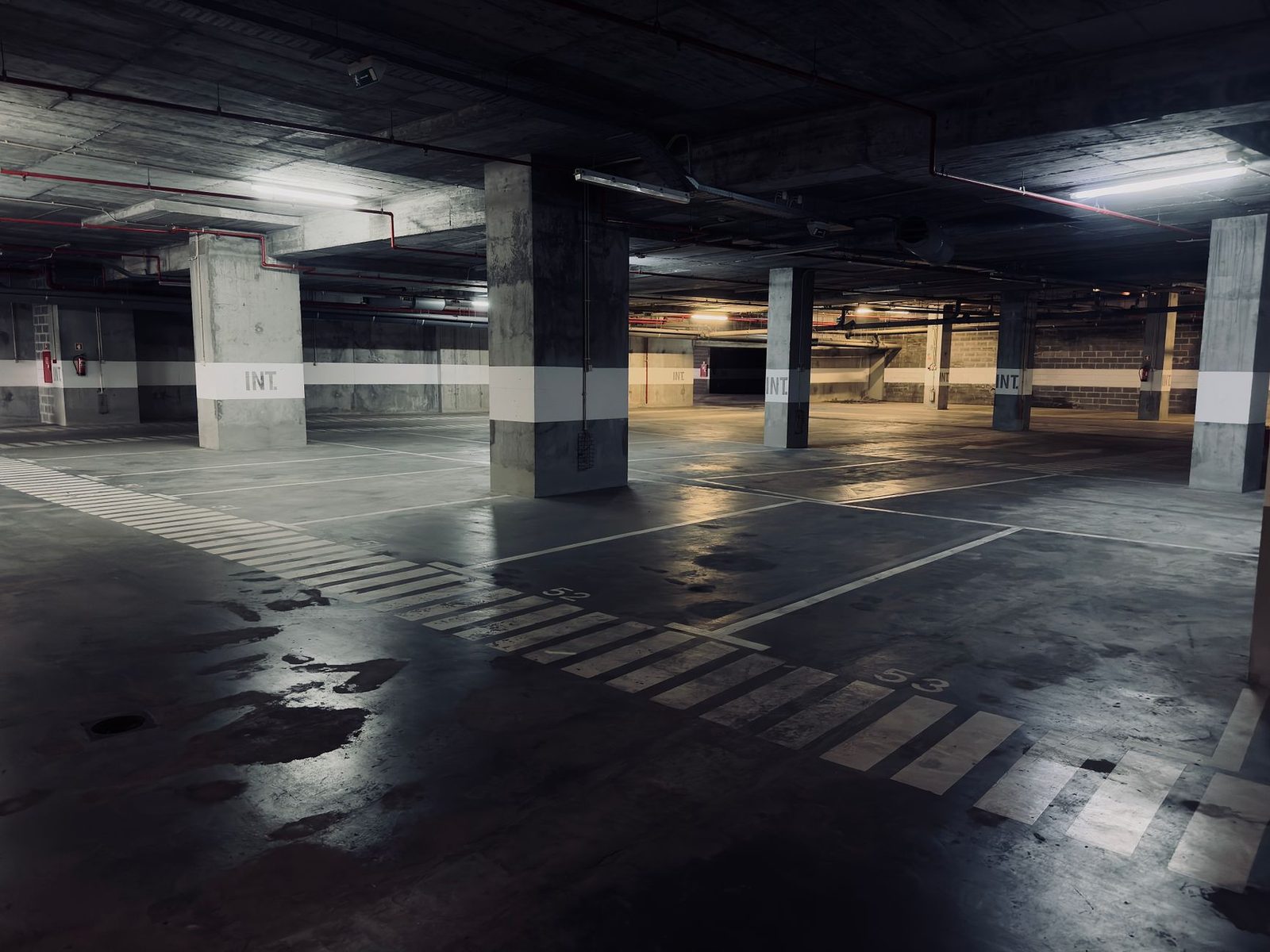
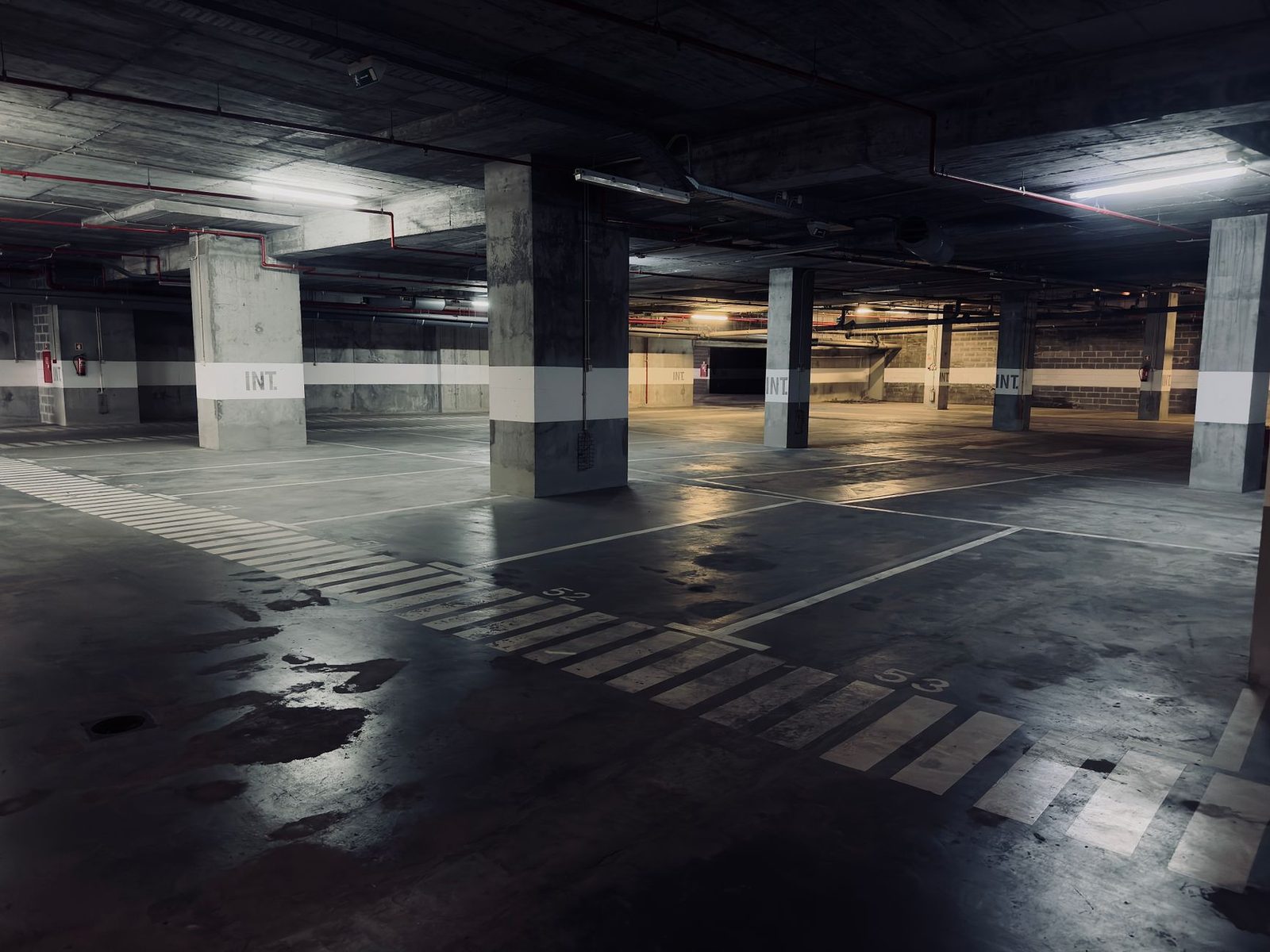
Injuries from inadequate security arise when a property owner fails to provide reasonable security, leading to assault, robbery, or other criminal acts on the premises. A poorly lit parking lot, broken locks, or lack of security personnel can create liability.
Injuries from structural defects or code violations include harm from broken railings, faulty electrical wiring, unstable flooring, or failure to meet building codes.
Injuries from lack of warning signs or barriers occur when a property owner fails to warn of a known hazard or doesn’t block off a dangerous area. A missing “Wet Floor” sign or an unbarricaded construction zone are examples.
What Cannot Be Covered by Premises Liability Insurance?
Premises liability policies have important exclusions:
- Intentional acts or criminal conduct by the property owner—insurance doesn’t cover harm the owner deliberately causes
- Injuries the property owner directly caused (not based on negligence)—for example, if the owner physically assaults someone
- Contractual liability beyond the property owner’s standard duty of care—promises made in a contract that exceed what the law requires
- Damage to the property owner’s own property—the policy covers third-party injuries, not the owner’s own losses
- Employee injuries—these are covered under workers’ compensation insurance instead
- Violations of housing codes or failure to disclose known hazards in some cases, depending on the policy and state law
- Gross negligence or willful misconduct—some policies exclude or limit coverage for reckless behavior that goes beyond ordinary negligence
Understanding these exclusions matters. If an injury falls outside the policy’s scope, the injured party may still have a valid legal claim against the property owner personally.
How Does a Property Owner’s Duty of Care Affect Coverage?
Georgia law holds property owners responsible for maintaining reasonably safe conditions on their premises. This legal duty—called the “duty of care”—is the foundation of premises liability claims.
A property owner’s duty varies depending on the visitor’s status:
- Invitees (customers, guests invited to the property) receive the highest level of protection—the owner must maintain safe conditions and warn of known hazards
- Licensees (people on the property with permission but not invited, like a salesperson) receive a moderate duty—the owner must warn of known hazards
- Trespassers receive minimal protection—the owner generally has no duty to maintain safe conditions, though they cannot set traps or intentionally harm them
Property owners must inspect their property, identify hazards, repair unsafe conditions, and post warnings where necessary. Failure to do so can trigger liability. Premises liability insurance covers claims arising from breach of this duty—that is, when the property owner’s negligence caused the injury.
Georgia courts recognize that property owners are responsible for foreseeable injuries resulting from their negligence. If a hazard is foreseeable (like a wet floor in a restaurant or a loose stair in an apartment building), the owner is expected to address it.
Not sure what your next step is?
Talk it through with our team — the first consultation is free, confidential, and carries no obligation.
Premises Liability vs. Personal Liability: What’s the Difference?
Premises liability covers injuries that occur on the property owner’s property due to unsafe conditions or the owner’s negligence in maintaining the premises.
Personal liability is broader coverage for negligence the property owner causes elsewhere—for example, accidentally injuring someone off-property, or causing property damage to someone else’s belongings.
Premises liability is typically part of a homeowners or commercial property insurance policy. Personal liability may be a separate rider or included in an umbrella policy. Both protect against legal costs and damages, but they apply to different scenarios.
For someone injured on a property, premises liability is the relevant coverage. For a property owner concerned about liability exposure, understanding both types ensures adequate protection.
What About Injuries at Rental Properties?
Landlords carry premises liability coverage for common areas (hallways, stairs, parking lots) and structural maintenance of the building. Tenants may carry renters’ insurance with personal liability coverage for their own negligence within their unit.
Under Georgia law, landlords have a duty to maintain safe premises, repair hazards, and comply with housing codes. Tenants have a duty to report hazards and maintain reasonable cleanliness. When an injury occurs, determining who was negligent—and whose insurance applies—depends on the specific circumstances.
For example, if a guest is injured by a broken stair in a common hallway, the landlord’s premises liability insurance likely covers the claim. If a guest is injured by a hazard the tenant created inside the unit, the tenant’s renters’ insurance may apply.
How Much Does Premises Liability Insurance Cover?
Coverage limits vary widely by policy. Typical limits range from $100,000 to $1 million or more, depending on the property type and risk level.
- Higher-risk properties (those with pools, commercial spaces, or frequent visitors) often carry higher limits or face exclusions
- Deductibles apply—the property owner pays this amount before insurance covers the claim
- Policy limits cap the total amount the insurer will pay for a single claim or all claims in a year
- Umbrella policies can extend coverage beyond standard limits, providing additional protection
The actual settlement amount depends on injury severity, medical costs, lost wages, pain and suffering, and the determination of liability. A minor slip and fall with small medical bills may settle within policy limits, while a serious injury could exceed them.
What Happens if an Injury Occurs and Insurance Doesn’t Cover It?
If a premises liability policy denies a claim or an injury falls outside the policy’s scope, the injured party may pursue a direct claim against the property owner personally. The property owner then becomes personally liable for damages—which is why understanding policy limits and exclusions matters.
This is also why it’s important to know: even if insurance denies coverage, the injured party may still have a valid legal claim. The denial doesn’t erase the property owner’s duty of care or eliminate the injured person’s right to pursue compensation.
An attorney can help determine whether a claim is covered by insurance, excluded by the policy, or worth pursuing as a direct claim against the property owner.
Frequently Asked Questions
Does premises liability insurance cover dog bites?
Yes, premises liability insurance typically covers injuries caused by a property owner’s dog, including bites and attacks on guests or visitors on the property.
What is negligent security?
Negligent security is a premises liability claim arising from a property owner’s failure to provide reasonable security measures (locks, lighting, security personnel) that allows a criminal act (assault, robbery) to occur on the property.
Can I sue a property owner if I’m injured on their property?
Yes, you may have a valid premises liability claim if the property owner’s negligence or failure to maintain safe conditions caused your injury. The property owner’s insurance may cover your damages, or you may pursue a claim directly against the owner.
What is the statute of limitations for a premises liability claim in Georgia?
Georgia law provides a two-year deadline from the date of injury to file a premises liability lawsuit. Missing this deadline typically bars your claim.
What should I do if I’m injured on someone else’s property?
Document the scene, take photos, get witness contact information, seek medical attention, and report the incident to the property owner or manager. Keep records of all medical treatment and expenses. Consulting with an attorney early helps protect your rights.
If you've been injured on someone else's property in Georgia, you may have a valid claim even if their insurance initially denies it—and many people in your situation reach out to discuss what happened. Talk it through with our team — the first consultation is free, confidential, and carries no obligation.
Key Takeaways
Premises liability insurance covers injuries on the property due to the owner’s negligence. Common covered claims include slip and fall accidents, dog bites, and injuries from inadequate security. Coverage excludes intentional acts, employee injuries, and some high-risk scenarios. Policy limits and exclusions vary—reviewing your specific policy is essential.
If you’re injured on someone else’s property, the property owner’s insurance may cover your claim. If you’re a property owner, adequate premises liability coverage protects you from personal liability exposure. Understanding what’s covered—and what’s not—helps you recognize when you have a valid claim or when your coverage may be at risk.
If you’ve been injured on someone else’s property in Georgia and are uncertain whether their insurance will cover your claim, or if you’re facing a coverage denial, our team at Slam Dunk Attorney can help you understand your options. Many people in your situation reach out to discuss what happened and explore whether you have a valid claim. Contact us for a free case review to talk through the details.
Insurance Coverage Is Not Automatic
Premises liability insurance policies vary widely. Coverage depends on the specific policy language, the circumstances of the injury, and what the property owner knew or should have known about hazardous conditions. If you've been injured on someone else's property, the presence of insurance does not guarantee a claim will be paid.
Common Premises Liability Scenarios
Slip and Fall Injuries
Injuries from wet floors, spilled liquids, broken stairs, or uneven surfaces on a property owner's premises. Coverage typically applies when the owner failed to maintain safe conditions or warn visitors of known hazards.
Dog Bites and Animal Attacks
Injuries caused by a property owner's dog or other animal. Most homeowner and commercial policies include coverage for bites and attacks that occur on the insured property.
Negligent Security Claims
Injuries resulting from a property owner's failure to provide reasonable security measures, such as broken locks, inadequate lighting, or lack of surveillance. Coverage depends on whether the policy includes security-related liability.
Unsafe Property Conditions
Injuries from hazardous conditions such as falling objects, poor maintenance, exposed electrical hazards, or structural defects. Coverage applies when the owner knew or should have known about the danger.
What Affects Coverage Decisions
Policy Exclusions and Limits
Every insurance policy has exclusions—situations or injuries it does not cover. Policies also have coverage limits, which cap the maximum the insurer will pay.
Property Owner Negligence
Coverage generally requires that the property owner was negligent—that they failed to exercise reasonable care to keep the property safe or to warn visitors of known dangers.
Visitor Status and Assumption of Risk
Whether you were an invited guest, a customer, a trespasser, or someone else on the property affects what duty of care the owner owed you. Policies may exclude coverage for certain visitor categories.
Prompt Reporting and Investigation
Insurance companies require timely notice of injuries and claims. Delays in reporting can complicate or limit coverage. Insurers will investigate the incident and may deny claims based on their findings.
Questions About Your Injury
What if the property owner disputes liability?
Even if an injury occurred on someone else's property, the owner may deny responsibility. Their insurance company will investigate. Disagreements over fault, negligence, and what the owner knew about hazards are common reasons claims are denied or disputed.
What if the insurance company denies the claim?
Insurance denials are not final. A denial may be based on a misunderstanding of the facts, a misreading of the policy, or an unreasonable interpretation of the coverage terms. An attorney can review the denial and help you understand your options.
Are there damages beyond medical bills?
Premises liability claims may include compensation for medical expenses, lost wages, pain and suffering, and ongoing care costs. The scope of damages depends on the severity of the injury and the circumstances of the incident.
What if the property owner has no insurance?
Not all property owners carry liability insurance. If there is no insurance, you may still have a legal claim against the owner directly, though recovery may be limited. An attorney can advise you on your options.
You Don't Have to Navigate This Alone
Premises liability claims involve complex questions about property owner responsibility, insurance policy language, and what counts as negligence under Georgia law. An attorney can review what happened, examine the insurance policy, and help you understand what your claim may be worth.
Injured on Someone Else's Property?
Related practice areas
- Premises Liability Lawyer in Georgia: Injured on Someone Else’s Property
- Georgia Premises Liability Laws & Rules Explained