
Premises Liability
Hotel Injury Claims in Georgia
Hotels have a duty to keep guests safe. If you were hurt due to negligence, you may have a claim.
By Peter F. Jaraysi · Published September 26, 2026
Hotel Premises Liability and Guest Injury: What Hotels Owe You Under Georgia Law
When you’re injured at a hotel, the question isn’t always whether it was an accident—it’s whether the hotel failed in its legal duty to keep you safe. Under Georgia law, hotels owe guests a heightened duty of care because they invite you onto their property and profit from your stay. Understanding hotel premises liability helps you determine whether the hotel bears responsibility for your injury.
If you were injured at a hotel due to unsafe conditions or poor security, you may have a claim—and many people in your situation reach out to discuss what happened. Talk it through with our team — the first consultation is free, confidential, and carries no obligation.
What Is Hotel Premises Liability?
Hotel premises liability is the legal responsibility a hotel bears when a guest is injured due to unsafe conditions or negligent management of the property.
Hotels aren’t just ordinary property owners. They have a special legal relationship with guests: you’re invited onto the premises, you pay for access, and the hotel profits from your presence. This makes hotels’ duty to maintain safe conditions stronger than what a typical property owner owes to a stranger. If the hotel fails to meet that duty and you’re injured as a result, the hotel may be liable for your damages.
Premises liability differs from general negligence because it focuses specifically on the condition of the property and the owner’s responsibility to inspect, maintain, and warn about hazards. When you understand this distinction, you can better evaluate whether your injury was simply bad luck or the result of the hotel’s failure to act.
The Hotel’s Legal Duty of Care to Guests
Georgia law recognizes that hotels owe guests a duty to maintain reasonably safe premises.
This duty includes:
- Inspecting for hazards regularly and thoroughly
- Repairing known dangers promptly
- Warning guests of risks the hotel knows about or should know about
- Maintaining common areas and guest rooms to a safe standard
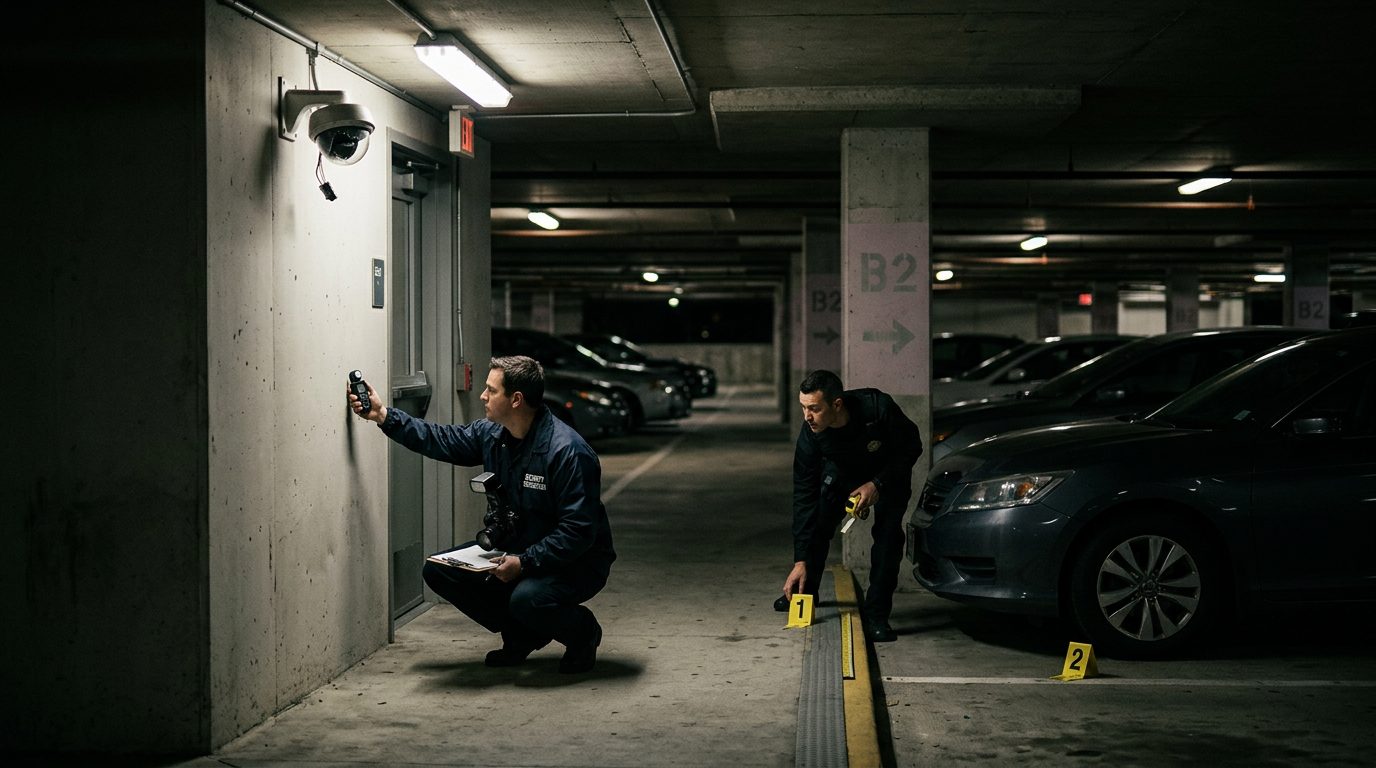
The duty extends to lobbies, hallways, elevators, pools, parking areas, and guest rooms. Hotels must also maintain adequate security and take reasonable steps to protect guests from foreseeable criminal acts—like assault or robbery—if the hotel knows or should know that such crimes are likely in that area.
When a hotel fails in any of these duties and you’re injured as a result, the hotel may be held liable for your medical expenses, lost wages, pain and suffering, and other damages.
Common Hotel Premises Liability Scenarios
Hotel injuries take many forms. Understanding common scenarios helps you recognize whether negligence may have played a role in what happened to you.
Slip and fall injuries occur when wet floors, spilled liquids, debris, or poor maintenance in hallways, bathrooms, or dining areas go unaddressed and unwarned. A wet floor without a warning sign, or a spill left unattended for hours, can create liability if the hotel knew or should have known about the hazard.
Unsafe conditions in guest rooms include broken fixtures, faulty locks, inadequate lighting, or structural defects like loose railings or unstable furniture. Hotels must maintain rooms to a safe standard, not just a clean one.
Pool and spa injuries result from lack of lifeguards, inadequate warnings, poor maintenance, or failure to enforce safety rules. Drain entrapment, chemical imbalances, and slippery surfaces are common culprits.
Elevator and stairwell accidents stem from mechanical failure, poor maintenance, inadequate lighting, or missing handrails. These areas require regular inspection and prompt repair.
Parking lot and exterior injuries happen when potholes, inadequate lighting, poor snow or ice removal, or other known hazards go unaddressed. Hotels must maintain parking areas to the same standard as guest areas.
Security failures include inadequate locks, broken security systems, insufficient staff, or failure to respond to known criminal activity in the area. If a guest is assaulted or robbed because the hotel failed to provide reasonable security, the hotel may be liable.
When a Hotel May Be Liable for Guest Injury
For a hotel to be liable for your injury, several elements must be present:
-
The hotel knew or should have known about the hazardous condition. This is called “constructive knowledge”—the hotel doesn’t have to have seen the hazard itself; it must have been something a reasonable hotel operator would discover through proper inspection.
-
The hotel failed to repair, remove, or adequately warn about the hazard within a reasonable time. A hazard that’s addressed immediately may not create liability; one that persists does.
-
You did not know about the danger and could not have discovered it with reasonable care. If a hazard was obvious or you were warned about it, liability is weaker.
-
The hazard was the direct cause of your injury. The injury must flow directly from the hotel’s negligence, not from an unrelated event.
-
You were lawfully on the premises and using it in an ordinary way. Guests in their rooms, in hallways, at the pool, and in the parking lot are all lawfully present; trespassers have fewer protections.
Georgia’s ‘Reasonable Inspection’ Standard
Hotels are expected to conduct regular, reasonable inspections of their premises.
The frequency and thoroughness of inspections should match the area’s use and risk level. A high-traffic lobby requires more frequent checks than a storage closet. A pool area with many guests needs constant supervision; a guest hallway needs regular but less intensive monitoring.
Failure to inspect, or inspecting but failing to act on discovered hazards, can establish negligence. Documentation of inspection schedules and maintenance records is often critical evidence in these cases. When a hotel can’t produce records showing it inspected an area where you were injured, that absence of evidence can support a finding of negligence.
Not sure what your next step is?
Talk it through with our team — the first consultation is free, confidential, and carries no obligation.
Hotel Security and Criminal Acts
Hotels may be liable if a guest is injured by a criminal act the hotel should have foreseen and prevented.
This includes assault, robbery, or other crimes in guest rooms, hallways, parking areas, or other hotel property. Liability depends on whether:
- The hotel knew of prior criminal activity in the area
- The hotel had inadequate security measures (broken locks, non-functional cameras, poor lighting, insufficient staff)
- The hotel failed to warn guests of known dangers
For example, if a hotel is located in an area with a history of parking lot robberies and the parking lot lacks lighting and security cameras, the hotel may be liable if a guest is robbed there. If a guest room lock is broken and an intruder enters, the hotel’s failure to repair the lock may create liability.
The key is foreseeability: could the hotel reasonably have anticipated the criminal act and taken steps to prevent it?
Defenses Hotels May Raise
Hotels don’t accept liability easily. Common defenses include:
Assumption of risk: The guest knowingly accepted the danger. This defense is narrowly applied in Georgia and rarely succeeds unless the guest explicitly agreed to accept a specific, known risk.
Comparative fault: The guest’s own negligence contributed to the injury. Georgia uses comparative negligence law, meaning you may still recover damages even if you were partially at fault—as long as your negligence does not exceed the hotel’s negligence. If you were 40% at fault and the hotel was 60% at fault, you can recover 60% of your damages.
No actual or constructive knowledge: The hotel had no way of knowing about the hazard. This defense fails if the hazard was something a reasonable inspection would have found.
Intervening cause: An unforeseeable third-party action caused the injury, not the hotel’s negligence. This defense is difficult to prove and rarely succeeds if the hotel’s negligence created the condition that made the third-party act possible.
Steps to Take After a Hotel Injury
Immediate action protects your claim and strengthens your case.
Report the injury to hotel management immediately and request a written incident report. Keep a copy for your records. Don’t minimize your injuries or agree to anything on the spot.
Take photographs of the hazardous condition, your injuries, and the surrounding area if you can do so safely. Photos are powerful evidence and often available only in the hours after an incident.
Gather contact information from witnesses—other guests, housekeeping staff, front desk employees. Witness statements are invaluable.
Keep all medical records, receipts, and documentation of expenses related to the injury. These establish the extent of your damages.
Do not sign any waivers or settlement agreements without understanding your rights. Hotels and their insurers often pressure injured guests to settle quickly.
Preserve evidence: Don’t discard clothing or items involved in the incident. They may be needed later.
Statute of Limitations in Georgia
Georgia law generally allows two years from the date of injury to file a premises liability lawsuit.
This deadline is strict; missing it typically bars the claim entirely, no matter how strong your case. The clock starts on the date of injury, not the date the injury was discovered. If you slip and fall on January 15, your deadline is January 15 two years later—even if you didn’t realize the injury was serious until months later.
Certain circumstances—such as the injured person being a minor—may extend the deadline, but these are rare exceptions. Don’t rely on an extension; act within two years.
Why You May Need Legal Representation
Hotels and their insurers often dispute liability and may pressure injured guests to settle quickly for far less than fair value.
Proving negligence requires evidence of the hotel’s duty, breach of that duty, causation, and damages—often complex to establish without legal guidance. An attorney can:
- Investigate the incident thoroughly
- Obtain maintenance records and inspection logs
- Identify and interview witnesses
- Build a strong case supported by evidence
- Negotiate with the hotel’s insurance company
Hotels typically have legal counsel and insurance adjusters working to minimize payouts. Having your own advocate levels the playing field and protects your interests.
If you were injured at a hotel due to unsafe conditions or poor security, you may have a claim—and many people in your situation reach out to discuss what happened. Talk it through with our team — the first consultation is free, confidential, and carries no obligation.
Frequently Asked Questions
Can a hotel be liable if I slip and fall in a common area?
Yes, if the hotel knew or should have known about the hazard (wet floor, spill, debris) and failed to warn or clean it up promptly, the hotel may be liable for your slip-and-fall injury.
What if I was partially at fault for my injury?
Georgia’s comparative negligence law allows you to recover damages even if you were partially at fault, as long as you were not more at fault than the hotel.
How long do I have to file a claim?
You have two years from the date of injury to file a premises liability lawsuit in Georgia; missing this deadline bars your claim.
Can a hotel require me to sign a waiver that prevents me from suing?
Georgia law limits the enforceability of waivers, especially for gross negligence or willful misconduct; never sign a waiver without legal advice.
What evidence is most important in a hotel premises liability case?
Photographs of the hazard, witness statements, the hotel’s maintenance and inspection records, your medical records, and incident reports are all critical.
If you were injured at a hotel in Georgia due to unsafe conditions, poor maintenance, or inadequate security, the hotel’s negligence may have created a legal claim. Many people who’ve been hurt in these situations reach out to understand their options and whether they’re entitled to compensation. We’re here to discuss what happened and help you understand your rights—there’s no cost to talk about your case.
Request a free consultation to speak with an attorney about your hotel injury.
Why Hotels Can Be Held Responsible
Duty of Care
Hotels owe guests a legal duty to maintain safe premises and warn of known hazards. Failure to do so can create liability.
Foreseeable Hazards
If a hotel knew or should have known about a dangerous condition—wet floors, broken railings, poor lighting—and didn't fix or warn about it, that negligence may be actionable.
Prompt Response Matters
Hotels must respond promptly to spills, debris, maintenance issues, and other hazards. Delays in cleanup or repair can strengthen a negligence claim.
Documentation Counts
Photos, incident reports, medical records, and witness statements are key evidence in proving what happened and establishing the hotel's responsibility.
Common Hotel Injury Scenarios
Slip and Fall in Common Areas
Falls on wet lobby floors, spilled liquids, loose carpeting, or debris in hallways and stairwells. Hotels must maintain these spaces and clean up hazards promptly.
Inadequate Security & Assault
If a hotel fails to provide reasonable security measures and a guest is assaulted or robbed, the hotel may be liable under negligent security principles.
Defective Conditions in Guest Rooms
Broken locks, faulty railings, electrical hazards, mold, or other unsafe conditions that cause injury. Hotels must inspect and repair these issues.
Elevator and Stairwell Accidents
Injuries from malfunctioning elevators, broken handrails, inadequate lighting, or poor maintenance. Hotels are responsible for safe operation and upkeep.
Georgia's Comparative Negligence Rule
Under Georgia law, you can recover damages even if you were partially at fault for your injury. Your recovery is reduced by your percentage of fault, but you are not barred from seeking compensation.
What to Do After a Hotel Injury
Report the Incident
Tell hotel management immediately and ask for a written incident report. Get the name and contact information of the manager on duty.
Document Everything
Take photos of the hazard, your injuries, and the scene. Note the date, time, and exact location. Collect contact information from any witnesses.
Seek Medical Attention
Get evaluated by a doctor even if you feel okay. Some injuries appear later. Medical records create a clear link between the incident and your harm.
Preserve Evidence
Keep all receipts, medical bills, correspondence with the hotel, and photos. Do not throw away or alter anything related to the incident.
Time Matters
Georgia law sets time limits for filing injury claims. The sooner you contact an attorney, the sooner we can investigate, preserve evidence, and protect your rights.