

Premises Liability | Duluth, Georgia
Common Area Injuries: Understanding Premises Liability in Georgia
A plain-language guide to injuries in shared spaces like stores, parking lots, apartment complexes and sidewalks. Your first consultation with Slam Dunk Attorney is free, confidential and comes with no obligation to continue.
By Peter F. Jaraysi · Published October 14, 2026
This plain-language guide, from an Atlanta premises liability law firm based in Duluth, Georgia, explains who may be responsible for an injury in a shared space. Under Georgia law, a property owner or occupier may be responsible for some injuries on its land. Whether that applies to you depends on the facts of your case. This page is general information, not legal advice, and it can’t predict any result.
What Premises Liability Means Under Georgia Law
Premises liability is an area of personal injury law. It covers injuries that happen on property someone owns, occupies, or controls (Holston v. Aboebarensi, Inc.). Think of an apartment hallway, a store aisle, or a parking lot.
Georgia’s core negligence rule applies generally, and how it applies depends on the facts of your case. Consult a lawyer about your situation. In plain terms, the statute says an owner or occupier who invites people onto its land for a lawful purpose may be liable for injuries caused by a failure to use ordinary care to keep the premises and approaches safe.
Notice the word “may.” Whether this duty applies, and how far it reaches, depends on the facts of each case. Exceptions may apply. A lawyer can review how the rule fits your situation.
If you were hurt in a shared hallway, parking lot, or store entrance and aren't sure who may be responsible, our team can talk it through with you. Talk it through with our team — the first consultation is free, confidential, and carries no obligation.
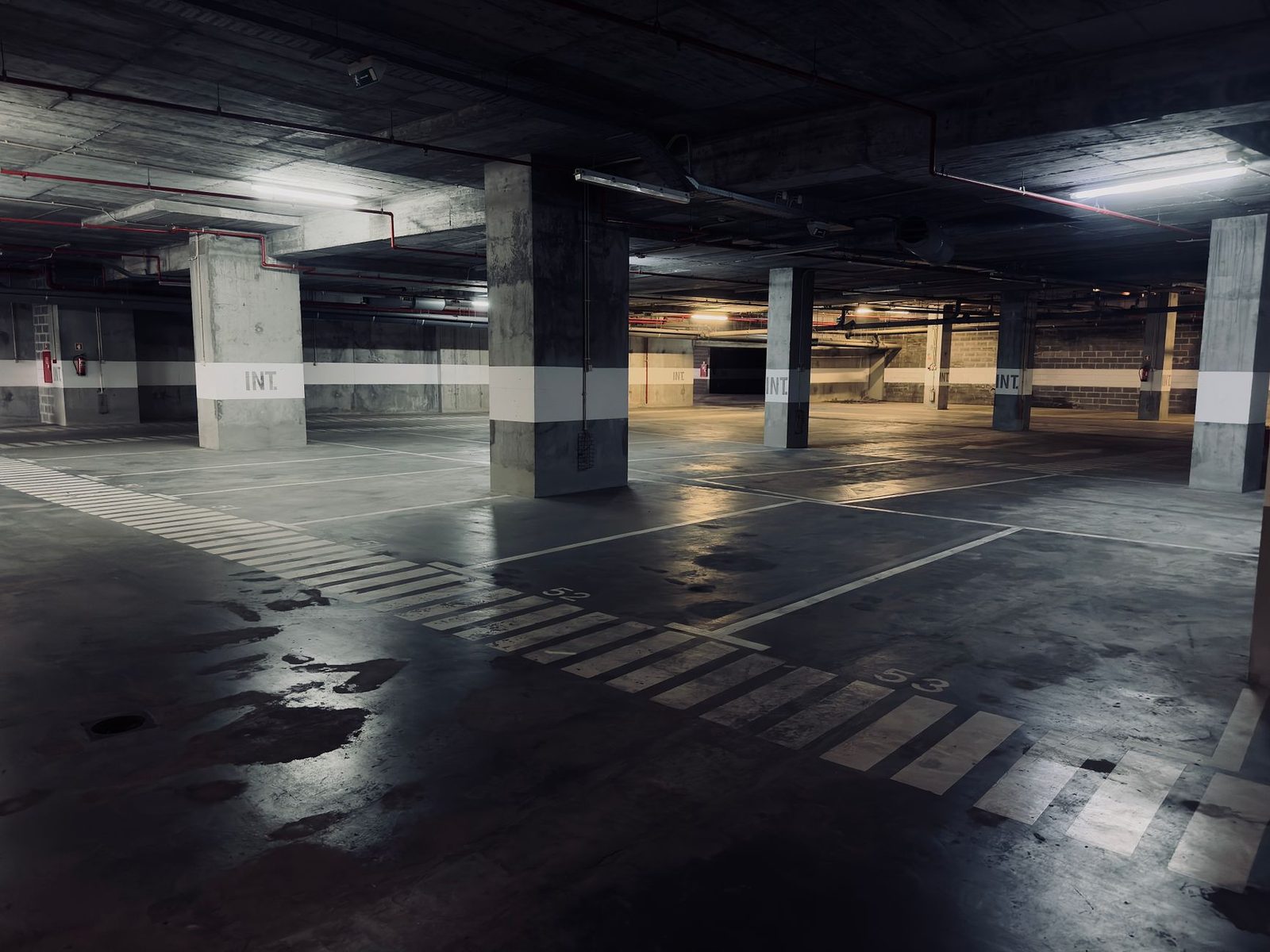
Who May Be Responsible for a Common Area Injury
More than one party may be connected to a shared space. Responsibility may fall on a property owner, a property management company, a tenant or business operator, a maintenance or repair contractor, or a security provider.
Who controlled or maintained the exact spot where you were hurt can matter a great deal. A parking lot may be managed by one company while a store that uses it is run by another. The answer may not be clear from the outside.
Your status on the property may also matter. The law may treat a paying customer, an invited guest, and a person who was only allowed on the land differently. Whether that difference affects your case depends on the facts.
Hazards That May Be Relevant in Shared Spaces
Possible hazards in shared spaces may include wet or uneven floors, poor lighting, damaged stairs or railings, and cracked or unmarked walkways in parking lots. These are conditions that may be relevant. They are not proof of who caused an injury.
Notice is one question that may come up. Notice asks whether the owner knew, or should have known, about a condition. How notice applies depends on the facts, including how the condition arose and who was responsible for checking it.
Security is another possible issue. In some settings, such as apartment complexes, parking decks, and stores, a third person’s criminal act can raise questions about security. Negligent security claims may involve several elements, and what must be shown depends on the facts of each case. Whether those points are met depends on the facts.
Fault Sharing and Filing Deadlines in Georgia
Georgia may reduce damages when the injured person shares fault, and filing deadlines may apply. Both rules depend on the facts, and exceptions may apply.
Under O.C.G.A. § 51-12-33, damages may be reduced in proportion to the injured person’s percentage of fault, depending on the facts of each case and subject to possible exceptions. Consult a lawyer about your own situation. Georgia’s comparative-fault rules may limit or bar recovery in some situations, depending on the facts of each case and on possible exceptions. Other rules may apply, so this is only a general summary. Under O.C.G.A. § 51-12-33, when more than one party may be at fault, damages may be apportioned among them rather than treated as joint liability, depending on the facts of each case and subject to possible exceptions. Consult a lawyer about your own situation.
For deadlines, Georgia law generally applies a two-year period to many actions for injuries to the person, but exceptions exist and the deadline depends on the facts of your case (O.C.G.A. § 9-3-33; Cameron v. JMP Pizza, Inc. (2026)). Consult a lawyer about your situation. Exceptions exist, and the start date depends on the facts. A lawyer at an Atlanta premises liability law firm can review your specific dates.
Documenting Your Care and Questions to Ask a Lawyer
Keep records of your medical care, any incident report, and photos of the scene. These records document your care and what happened. They do not predict how any claim will turn out.
Questions that may be useful to bring to a consultation include:
- Who owns, manages, or maintains this area?
- What did the property know about the condition, and when?
- Was a contractor or security company involved?
- Which deadlines may apply to my situation?
No result can be promised, and the answers depend on your facts.
Quick Answers to Common Questions
Is a slip and fall the same as premises liability? A slip and fall is one kind of premises liability case. Whether one applies to you depends on the facts.
How long do I have to file a claim in Georgia? Georgia generally uses a two-year period for injuries to the person, but exceptions exist. Talk with a lawyer about your own dates.
Can I still have a claim if I was partly at fault? Georgia may reduce damages for shared fault, and the result depends on the facts. Ask a lawyer how the rule may apply to you.
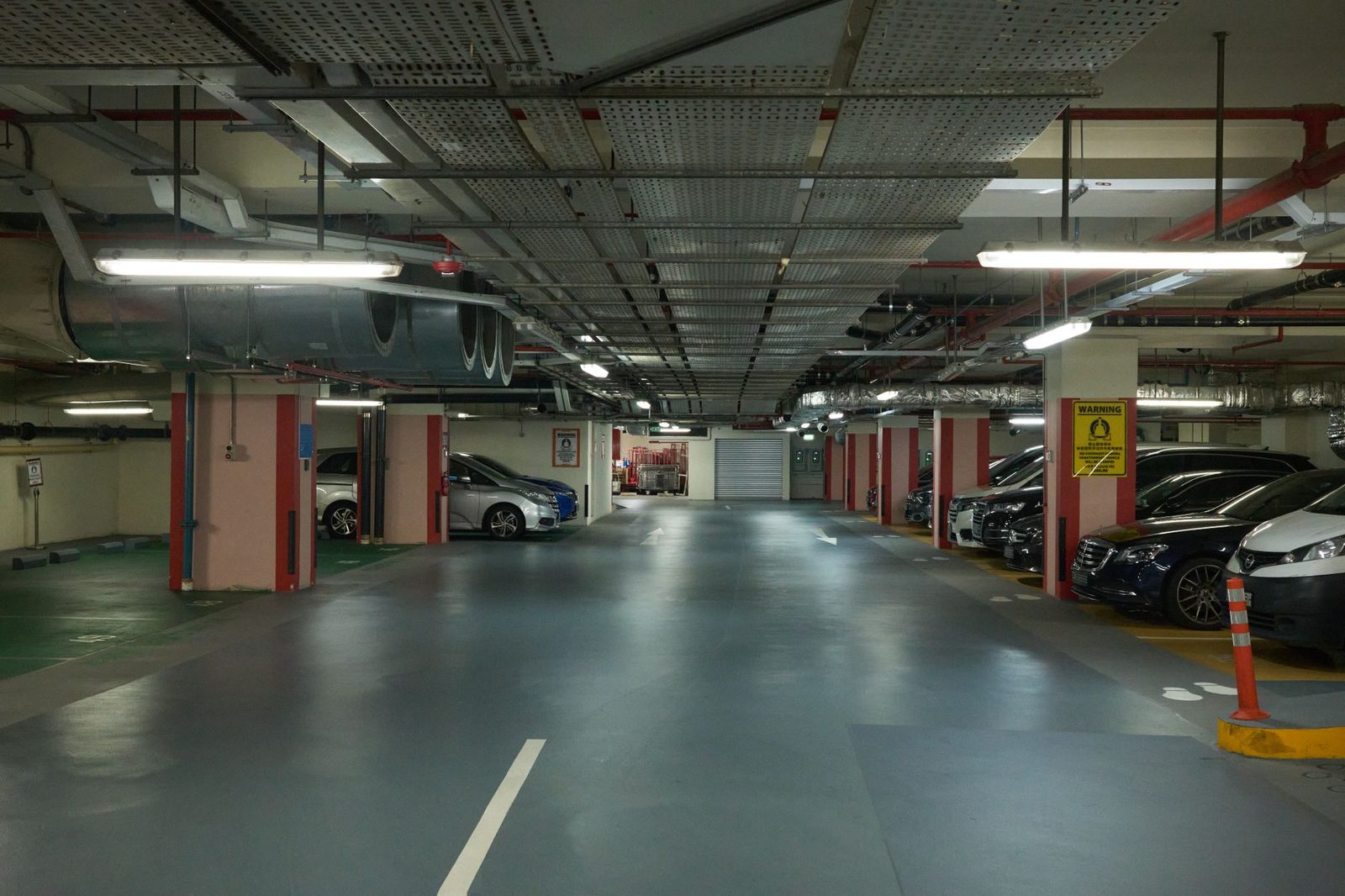
Talk With Our Team About Your Situation
Our team can review your situation if you were hurt in a shared space and aren’t sure who may be responsible. Picture a fall in an apartment hallway or at a store entrance. You may not know who controls that area or which deadlines might apply.
Peter F. Jaraysi is the responsible lawyer for this page. Our office is in Duluth, Georgia, and we serve metro Atlanta and Georgia. We offer a free, confidential initial consultation with no obligation to continue. To reach out, visit our contact page.
Disclaimer: This page is general information, not legal advice. No outcome is promised, and whether any claim exists depends on the facts. Responsible lawyer: Peter F. Jaraysi, Duluth, Georgia. Contact: slamdunkattorney.com/contact-us/.
Common Places Where Premises Injuries Happen
Stores and Retail Spaces
Wet floors, cluttered aisles, damaged flooring and falling merchandise are examples of conditions that may be relevant in a store injury. Whether any of them played a role in your case depends on the facts.
Parking Lots and Walkways
Potholes, cracked pavement, poor lighting and missing signs are possible hazards in parking areas and walkways. Whether a property owner may be responsible depends on the facts of your situation.
Apartments and Common Areas
Broken stairs, loose handrails, unsafe balconies and inadequate lighting in shared hallways or stairwells may be relevant. Questions about who controlled these areas are often central to these claims.
Security and Criminal Acts
In some cases, an injury caused by a third party may involve questions about negligent security, such as whether reasonable measures were in place. These questions depend on the facts and on the property involved.
How Slam Dunk Attorney Can Help
Plain-Language Guidance
We explain how Georgia premises liability concepts may apply to your situation in terms you can follow, without legal jargon.
Free First Consultation
Your first consultation is free, confidential and comes with no obligation to continue. Call or request one online.
Organized Information
Our team can help you think through the details of what happened, including where it happened and who may have controlled the space.
Supportive Staff
Our team of assistants and office staff works with Peter F. Jaraysi to keep you informed and answer your questions.
Important: Every Property Case Is Different
Ownership, control of the property, what the owner knew or should have known, and the details of how you were hurt can all affect whether a claim exists. This page is general information, not legal advice, and it cannot predict any result. Speak with a lawyer about your own situation.