
Premises Liability
Premises Liability in Dunwoody, Georgia: Your Rights
If you were injured on someone else's property due to negligence or unsafe conditions, you may have a claim. Slam Dunk Attorney represents injured people across metro Atlanta.
By Peter F. Jaraysi · Published October 01, 2026
Premises Liability Claims in Dunwoody, Georgia: What You Need to Know
Premises liability means a property owner or occupant is legally responsible for injuries that happen on their property because they failed to keep it safe or warn of known hazards. If you’ve been hurt on someone else’s property in Dunwoody—whether at a store, apartment, restaurant, or parking lot—understanding your rights under Georgia law is the first step toward deciding what to do next.
If you've been injured on unsafe or poorly maintained property in Dunwoody, you may have a claim—and people in your situation reach out to us regularly to understand their options. Talk it through with our team — the first consultation is free, confidential, and carries no obligation.
What Is Premises Liability?
Premises liability is the legal duty a property owner owes to people on their property to maintain safe conditions and warn of dangers. This applies to businesses, rental apartments, private homes, and public spaces. The injury happens because the property wasn’t properly maintained or inspected, not because of an accident you caused.
Premises liability covers slip-and-fall accidents, falls from broken stairs or missing handrails, injuries from inadequate lighting, negligent security leading to assault or theft, and harm from unrepaired structural defects. What ties these together is simple: the property owner knew or should have known about the hazard and didn’t fix it or warn you.
Georgia Law and the Duty to Make Premises Safe
Under Georgia law, property owners have a legal duty of care to visitors on their property. The strength of that duty depends on your status as a visitor.
Invitees (customers, business guests, or people invited onto the property for the owner’s benefit) receive the highest level of protection. Property owners must actively inspect their premises, discover hazards, and either repair them or warn invitees.
Licensees (social guests, people with permission but not for business purposes) receive a lower level of protection. Owners must warn licensees of known hazards but don’t have to actively search for dangers.
Trespassers receive the lowest protection, though property owners still can’t intentionally harm them.
Georgia courts apply a “reasonable person” standard: would a reasonable property owner have discovered and fixed this hazard? This isn’t about perfection—it’s about what a careful owner would do under the same circumstances. If you were a customer in a store and slipped on a wet floor with no warning sign, a reasonable owner should have either mopped it up, placed a caution sign, or closed off the area.
What Falls Under Premises Liability?
Premises liability claims arise from many situations:
- Slip-and-fall accidents caused by wet floors, spilled merchandise, or debris
- Falls from broken stairs, missing handrails, or uneven surfaces
- Injuries from inadequate lighting in parking lots, hallways, stairwells, or common areas
- Negligent security that leads to assault, robbery, or other criminal acts on the property
- Injuries from falling objects, broken fixtures, or structural defects
- Dog bites and animal attacks on the property owner’s premises
- Injuries at commercial establishments, apartment complexes, retail stores, restaurants, hotels, and private residences
The common thread: the property owner failed to maintain safe conditions or warn of a known danger.
The Four Elements of Negligence in a Premises Liability Claim
To have a valid premises liability claim, you must prove four things:
-
Duty: The property owner owed you a duty of care. If you were a lawful visitor (customer, guest, tenant), they did.
-
Breach: The owner failed to maintain safe conditions, failed to inspect for hazards, or failed to warn you of a known danger. For example, a store manager doesn’t clean up a spill for hours, or an apartment owner ignores a broken stair for weeks.
-
Causation: The breach directly caused your injury. Your slip on the wet floor wouldn’t have happened if the owner had placed a warning sign or cleaned it up.
-
Damages: You suffered measurable harm—medical bills, lost wages, pain and suffering, ongoing treatment, or permanent injury.
All four must be present. If the property owner had no duty to you, or if you can’t prove the unsafe condition caused your injury, you don’t have a claim.
Common Examples of Premises Liability Cases in Dunwoody
Retail store slip-and-fall: A customer is injured on an unmarked wet floor or trips over merchandise left in an aisle. The store had no warning sign and hadn’t inspected the area recently.
Apartment complex negligence: A tenant is injured by a broken railing on a balcony, falls in a poorly lit stairwell, or is hurt by a structural defect the landlord knew about but didn’t repair.
Restaurant or bar injury: A customer falls because of an unrepaired floor, spilled drink, or broken chair. No one warned them of the hazard.
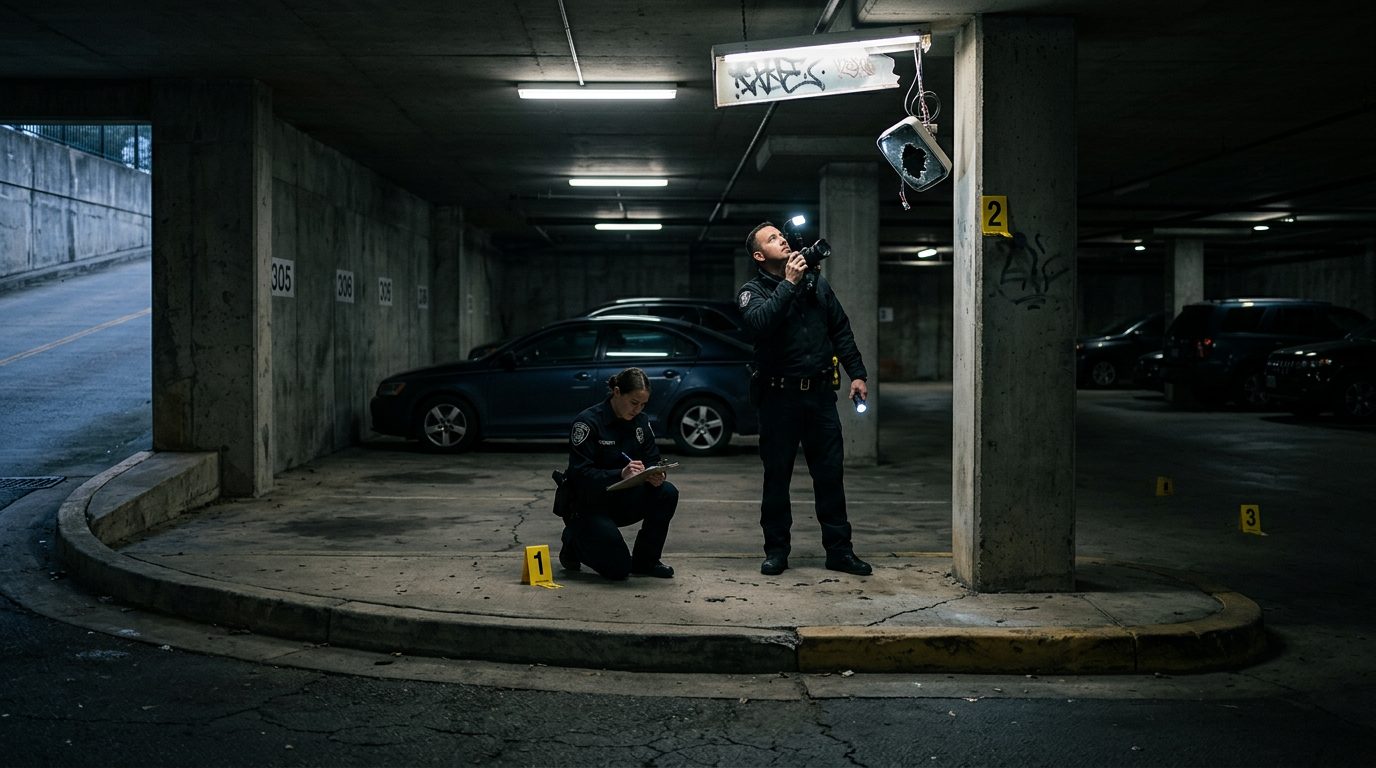
Parking lot assault: Inadequate security lighting or lack of security personnel allows a criminal attack. The owner knew the area was dangerous but took no steps to protect visitors.
Property maintenance failure: A visitor is injured by falling debris, a broken light fixture, or a structural defect the owner should have discovered and fixed.
Not sure what your next step is?
Talk it through with our team — the first consultation is free, confidential, and carries no obligation.
What Evidence Matters in a Premises Liability Claim?
Strong evidence makes or breaks a premises liability case. Collect and preserve:
- Photographs or video of the hazardous condition and the scene (take them as soon as safely possible)
- Medical records documenting your injuries, treatment, and ongoing care
- Witness statements from people who saw the condition or the accident
- Property maintenance records: When was the area last inspected? When was it last repaired?
- Prior complaints or incident reports about the same hazard (this shows the owner knew about it)
- Security camera footage if available
- Your own detailed account of what happened, when, where, and exactly how you were injured
- Receipts and documentation of medical expenses, lost wages, and other costs
The more evidence you have, the clearer the picture of what happened and why the property owner is responsible.
How Dunwoody’s Local Conditions May Affect Your Claim
Dunwoody’s weather creates slip-and-fall risks year-round. Rain, ice, and seasonal hazards mean property owners must take reasonable steps to address these conditions—salting icy walkways, promptly cleaning up water, and maintaining safe surfaces.
Dunwoody’s commercial and mixed-use development means many retail, restaurant, and office premises where injuries occur. Apartment complexes and rental properties are also common sites of premises liability claims in the area.
Georgia law applies uniformly across Dunwoody, but the specific conditions of the property, the owner’s maintenance practices, and local weather patterns may all be relevant to your individual situation.
What Should You Do After a Premises Liability Injury?
Your actions immediately after an injury matter for your claim:
- Seek medical attention right away, even if the injury seems minor. Document everything.
- Report the incident to the property owner or manager and request a written incident report.
- Take photographs of the hazardous condition, your injuries, and the scene if you can do so safely.
- Collect contact information from anyone who saw what happened.
- Keep all medical records, receipts, and documentation of expenses and lost time.
- Do not sign any waivers or settlement offers without understanding your rights.
- Avoid posting details about your injury on social media.
Statute of Limitations for Premises Liability in Georgia
You generally have two years from the date of injury to file a premises liability lawsuit in Georgia. This deadline is strict; missing it can bar your claim entirely, no matter how strong it is.
The clock starts on the date of the injury, not the date you discovered it or decided to pursue a claim. Consulting with an attorney early protects your rights and ensures you meet all deadlines.
FAQ
What’s the difference between an invitee, licensee, and trespasser?
An invitee is someone invited onto the property for business (a customer); a licensee is a social guest with permission; a trespasser has no permission. Property owners owe the highest duty of care to invitees and the lowest to trespassers.
Can a property owner be liable for a slip-and-fall if there was no warning sign?
Yes. A warning sign is one way to protect visitors, but a reasonable owner should also actively maintain the premises and repair hazards promptly.
How long do I have to file a premises liability lawsuit in Georgia?
Two years from the date of your injury. After that, your claim is barred.
What if I was partially at fault for my injury?
Georgia recognizes comparative fault (shared responsibility). If you were partly responsible, your recovery may be reduced by your percentage of fault—but you may still have a claim.
Should I contact the property owner’s insurance company?
Do not give a recorded statement or sign anything without legal advice. Insurance companies protect their interests, not yours. Speaking with an attorney first protects your rights.
If you've been injured on unsafe or poorly maintained property in Dunwoody, you may have a claim—and people in your situation reach out to us regularly to understand their options. Talk it through with our team — the first consultation is free, confidential, and carries no obligation.
Next Steps: Understanding Your Situation
If you’ve been injured on someone else’s property in Dunwoody and are unsure whether you have a claim, the details of your specific situation matter. Premises liability law is fact-specific: what happened, where, why the property was unsafe, and what evidence exists all shape whether you have a viable claim.
You don’t have to figure this out alone. If you’re dealing with a premises liability injury in Dunwoody or anywhere in the metro Atlanta area, our team can review your circumstances, explain your rights under Georgia law, and advise you on your options—at no cost. Reach out for a free case review to discuss what happened and what comes next.
Common Premises Liability Claims
Slip and Fall
Injuries from wet floors, debris, uneven surfaces, or poor maintenance. Property owners must address hazards or warn visitors of known dangers.
Negligent Security
Injuries from crime or assault on inadequately secured property. Owners may be liable if security measures were insufficient given foreseeable risks.
Unsafe Conditions
Injuries from broken railings, faulty stairs, inadequate lighting, or other structural or maintenance failures that create danger.
Dog Bites
Injuries from a dog attack on your property or in public. Owners can be held liable even if the dog had no prior history of aggression.
What Property Owners Owe You
Duty of Care
Property owners have a legal obligation to maintain safe conditions and warn visitors of known hazards. The level of duty depends on your status as an invitee, licensee, or trespasser.
Reasonable Inspection
Owners must conduct reasonable inspections to discover unsafe conditions and take steps to fix them or warn people about them.
Documentation Matters
Evidence of prior complaints, maintenance records, or similar incidents can show the owner knew or should have known about the danger.
Your Recovery
You may be entitled to compensation for medical bills, lost wages, pain and suffering, and other damages resulting from your injury.
Time Matters
Premises liability claims are subject to strict deadlines under Georgia law. Gathering evidence, medical records, and witness statements early is critical to protecting your claim.
Frequently Asked Questions
What's the difference between an invitee, licensee, and trespasser?
An invitee is someone invited onto the property for business purposes (like a customer). A licensee is a social guest with permission. A trespasser has no permission. Property owners owe the highest duty of care to invitees and the lowest to trespassers.
Can a property owner be liable for a slip-and-fall without a warning sign?
Yes. A warning sign is one way to satisfy a duty of care, but it's not the only way. An owner may still be liable if they knew or should have known about a hazard and failed to fix it or warn visitors, even without a sign.
What if I was partially at fault for my injury?
Georgia recognizes comparative negligence. Your recovery may be reduced based on your percentage of fault, but you can still pursue a claim if the property owner bears some responsibility.
Do I have to pay upfront for legal help?
Slam Dunk Attorney handles premises liability claims on a contingency basis—no fees unless there is a recovery. You may still owe case costs, which we'll discuss with you upfront.