
Premises Liability | Georgia
Hotel Premises Liability in Georgia: Guest Injury Claims
If you were injured at a hotel in Georgia due to unsafe conditions or negligent security, you may have a claim. Slam Dunk Attorney handles guest injury cases across metro Atlanta and Georgia.
By Peter F. Jaraysi · Published October 03, 2026
Hotel Premises Liability in Georgia: What Guests Need to Know About Injury Claims
A hotel’s legal duty to keep guests safe is higher than what an ordinary property owner owes. When a hotel fails to maintain safe conditions or warn of known hazards, it may be liable for injuries that result. Understanding how premises liability works in Georgia—and what you’ll need to prove—can help you decide whether to pursue a claim.
If you were injured at a Georgia hotel and you're trying to understand whether the hotel bears responsibility, reach out—people in your situation contact us regularly to discuss what happened. Talk it through with our team — the first consultation is free, confidential, and carries no obligation.
What Is Premises Liability at a Hotel?
Premises liability is the legal responsibility a property owner or operator has to keep their premises reasonably safe for guests and visitors. Hotels owe a heightened duty of care to guests under Georgia law because they invite people onto their property and profit from their stay. This duty includes maintaining safe conditions, conducting regular inspections for hazards, and warning guests of dangers the hotel knows about but cannot immediately fix.
Premises liability differs from other injury claims because it focuses on the condition of the property itself—not a product defect or a person’s direct negligent act. If you slip on a wet floor in a hotel hallway because the floor was not cleaned or marked, that’s a premises liability claim. If a hotel guest assaults you because the hotel failed to provide adequate locks or security, that becomes a negligent security claim (a subset of premises liability).
The Hotel’s Legal Duty to Guests in Georgia
Under Georgia law, hotels are considered innkeepers and owe heightened duties to their guests. This legal status means hotels must go further than a typical landlord or business owner.
Hotels must maintain common areas—lobbies, hallways, stairwells, elevators, pools, parking areas, and outdoor grounds—in a reasonably safe condition. They must inspect these areas regularly and address known dangers promptly. Hotels must also warn guests of non-obvious hazards that staff knows about. For example, if a handrail is loose but still in place, a reasonable warning sign alerts guests to the danger.
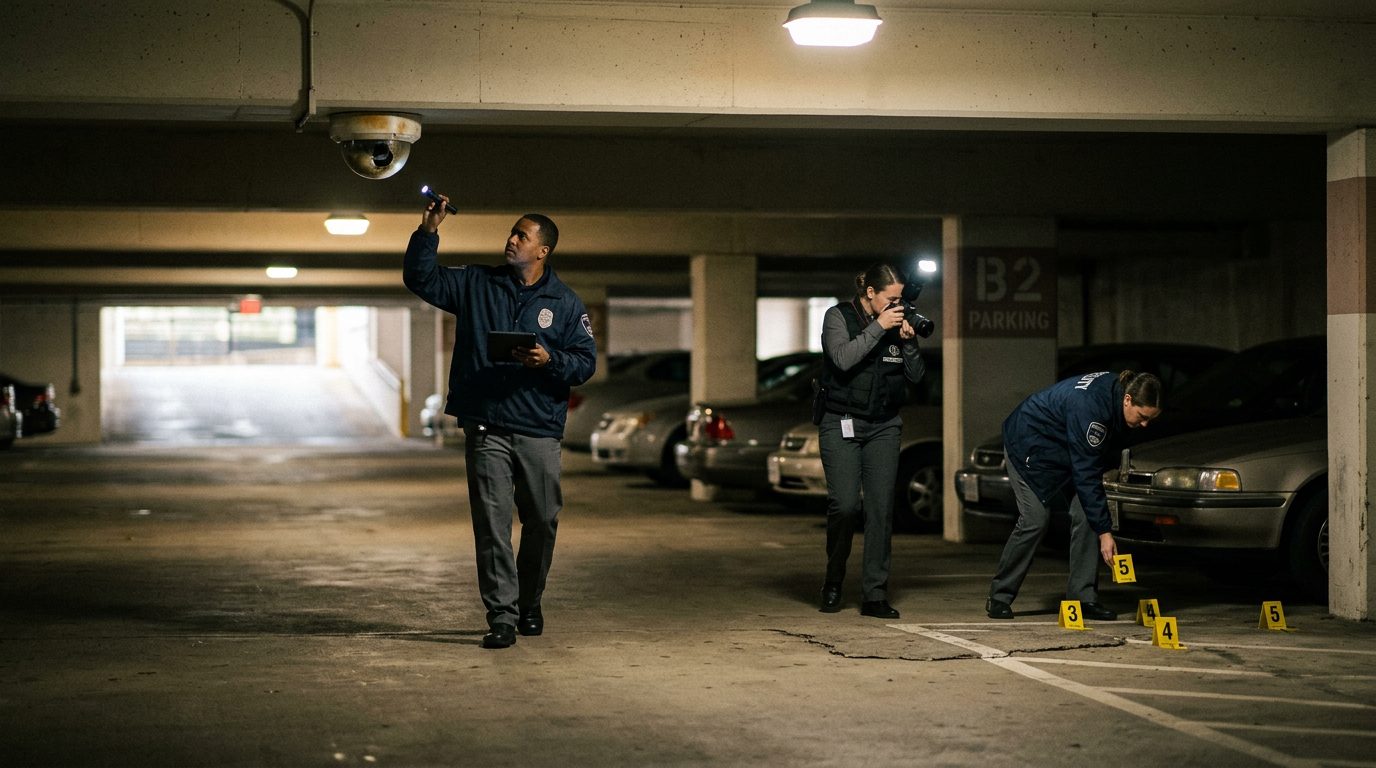
Hotels must provide adequate security measures appropriate to the location and circumstances. This includes functioning locks on guest room doors, adequate lighting in parking lots and stairwells, security cameras where appropriate, and access control to prevent unauthorized entry. The duty extends to foreseeable risks—dangers the hotel should reasonably anticipate based on the location, time of day, and any prior incidents.
Under O.C.G.A. § 51-2-7, a property owner is liable for injuries caused by a dangerous condition when the owner knew or should have known of the hazard and failed to remedy or warn of it. Hotels cannot guarantee perfect safety, but Georgia courts recognize they must act reasonably.
Common Hotel Injury Scenarios
Hotel injuries take many forms. Slip-and-fall accidents happen on wet floors, spilled liquids, or debris in hallways, bathrooms, or common areas. Falls occur due to broken stairs, loose handrails, or elevators in disrepair. Inadequate lighting in parking lots, stairwells, or hallways creates hazards, especially at night.
Assaults or injuries result from negligent security—broken locks, lack of security personnel, poor access control, or failure to respond to prior incidents. Injuries from unsafe pool conditions, broken equipment, or lack of supervision are common in summer months. Falls or injuries stem from poorly maintained furniture, fixtures, or structural defects in guest rooms. Exposure to mold, unsafe air quality, or pest infestations can cause illness or injury over time.
When Is a Hotel Liable for a Guest Injury?
To establish hotel liability, four elements must be proven. First, the hotel must have had a duty to the guest (innkeepers always do). Second, the hotel must have breached that duty—failed to maintain safe conditions or warn of hazards. Third, the breach must have caused the injury (a direct connection between the unsafe condition and what happened). Fourth, the guest must have suffered actual damages (medical bills, lost wages, pain and suffering).
Georgia courts recognize that hotels cannot guarantee perfect safety, but they must act reasonably under the circumstances. The guest’s own carelessness may reduce or eliminate recovery under Georgia’s comparative fault rule, which we’ll explain below.
Proving Negligence: What You Need to Show
Evidence is central to a hotel premises liability claim. You’ll need evidence the hazard existed: photos, maintenance records, prior complaints from other guests, and witness statements. You’ll also need evidence the hotel knew or should have known about it: inspection logs, staff reports, and how long the condition existed before your injury.
Evidence the hotel failed to fix it or warn about it matters too: lack of warning signs, no repairs made, or no barriers preventing access to the danger. Medical records and documentation of your injury and treatment are essential. Witness statements from other guests or staff who saw the condition strengthen your case. Expert testimony may be needed to establish what a reasonable hotel should have done under the circumstances.
Not sure what your next step is?
Talk it through with our team — the first consultation is free, confidential, and carries no obligation.
The Role of Hotel Negligent Security
If your injury resulted from an assault, theft, or crime, the hotel’s security practices become central to your claim. Hotels must provide reasonable security measures based on the location, time of day, and known risks in the area. Negligent security claims focus on whether the hotel failed to prevent a foreseeable criminal act.
Factors include functioning locks on guest room doors, security cameras in common areas, adequate lighting, security personnel on duty, and proper access control. Georgia courts recognize that hotels cannot prevent all crime, but they must take reasonable precautions. If the hotel ignored prior incidents or failed to maintain basic security, negligence may be clear.
Steps to Take After a Hotel Injury
Seek medical attention immediately—your health comes first, and medical records are critical evidence later. Report the injury to hotel management in writing and request a written incident report. Take photos and video of the hazard, the scene, and your injuries if possible.
Collect contact information from witnesses: other guests, staff members, or bystanders who saw what happened. Keep all receipts and records—medical bills, prescriptions, travel expenses, and lost wages. Do not sign anything the hotel offers without understanding it; some forms may limit your rights. Preserve evidence by not allowing the hotel to clean up or repair the hazard immediately.
Georgia’s Comparative Fault Rule and Hotel Claims
Georgia follows a modified comparative fault rule: you can recover even if partially at fault, as long as you are less than 50% responsible. If you are found 30% at fault and the hotel 70%, you recover 70% of your damages. If you are found 50% or more at fault, you cannot recover anything.
Hotels often argue the guest was careless—not watching where they walked, ignoring warning signs, or using the premises in an unexpected way. Your attorney will counter this with evidence of the hotel’s negligence and the foreseeability of the hazard. For example, if the hotel failed to mark a wet floor in a high-traffic area, guest carelessness may not eliminate the hotel’s liability.
Insurance and Hotel Liability Claims
Most hotels carry premises liability insurance to cover guest injuries. Your claim is typically filed against the hotel’s insurance policy, not the hotel directly. Insurance companies investigate claims and may offer a settlement.
You are not required to accept an initial offer—many are below fair value. An attorney can negotiate with the insurance company on your behalf and explain why your claim is worth more. If no settlement is reached, the case may proceed to litigation. Insurance companies know that experienced attorneys often recover more than unrepresented claimants, so they take legal representation seriously.
Damages You May Recover
Recoverable damages include medical expenses: emergency care, hospitalization, surgery, therapy, and ongoing treatment. Lost wages cover income lost while recovering or unable to work. Pain and suffering compensates you for physical pain, emotional distress, and reduced quality of life.
Permanent injury or disability damages apply if the injury causes long-term or permanent harm. Scarring or disfigurement damages cover visible injuries that result. Future medical care damages apply if ongoing treatment is necessary. Punitive damages are rare in premises liability cases but may apply if the hotel’s conduct was grossly negligent—for example, if the hotel ignored a known, dangerous condition for months despite prior guest complaints.
If you were injured at a Georgia hotel and you're trying to understand whether the hotel bears responsibility, reach out—people in your situation contact us regularly to discuss what happened. Talk it through with our team — the first consultation is free, confidential, and carries no obligation.
Statute of Limitations for Hotel Injury Claims in Georgia
You generally have two years from the date of injury to file a lawsuit in Georgia under O.C.G.A. § 9-3-33. This deadline is strict—missing it bars your claim entirely. The clock starts on the date of the injury, not when you discover the full extent of harm.
In some rare cases (such as when injury is discovered much later), the deadline may be extended, but this is uncommon. Contacting an attorney early preserves your rights and allows time for investigation, evidence collection, and negotiation before the deadline approaches.
Why You May Want Legal Help
Hotels and their insurers have experienced claims adjusters and attorneys; you should too. An attorney can investigate the hotel’s maintenance records, prior complaints, and security practices. Attorneys know how to value your claim fairly and negotiate with insurance companies based on similar cases and Georgia law.
Legal representation levels the playing field and often results in higher settlements than unrepresented claimants receive. An attorney can file suit if needed and represent you through trial. Many personal injury attorneys work on contingency: you pay nothing unless you recover, though you may still be responsible for case costs and court expenses.
FAQ
What is the difference between premises liability and negligent security?
Premises liability covers injuries caused by unsafe conditions on the property (wet floors, broken railings, poor lighting). Negligent security covers injuries caused by the hotel’s failure to prevent foreseeable crimes (assault, theft, unauthorized entry due to broken locks or lack of security).
Can I recover if I was partly at fault for my hotel injury?
Yes, under Georgia’s modified comparative fault rule, you can recover if you are less than 50% at fault. Your recovery is reduced by your percentage of fault.
How long do I have to file a hotel injury lawsuit in Georgia?
You have two years from the date of injury to file suit. This deadline is strict and cannot be extended in most cases.
What should I do immediately after a hotel injury?
Seek medical care, report the injury to hotel management in writing, take photos of the hazard and your injuries, collect witness contact information, and preserve all receipts and records.
Do I need an attorney to pursue a hotel injury claim?
You are not required to hire an attorney, but doing so often results in higher settlements and protects your rights. Most personal injury attorneys work on contingency, meaning you pay nothing unless you recover. You may still be responsible for court costs and case expenses.
If you were injured at a Georgia hotel and you’re trying to understand whether the hotel bears responsibility, reach out—people in your situation contact us regularly to discuss what happened. Request a free consultation to speak with an attorney about your injury and your options.
Types of Hotel Injury Claims
Unsafe Conditions
Injuries from wet floors, broken railings, poor lighting, faulty elevators, or other hazardous conditions on hotel property.
Negligent Security
Injuries caused by the hotel's failure to prevent foreseeable crimes, such as assault or theft due to broken locks, inadequate lighting, or lack of security measures.
Slip and Fall
Falls caused by spills, debris, uneven surfaces, or other dangerous conditions that the hotel knew or should have known about.
Inadequate Maintenance
Injuries resulting from the hotel's failure to maintain the property, including structural defects, malfunctioning equipment, or pest infestations.
What We Handle
Premises Liability Claims
We represent guests injured by unsafe conditions, poor maintenance, or hazardous property defects at hotels throughout Georgia.
Negligent Security Cases
If a hotel failed to provide adequate security and you were harmed as a result, we investigate whether the hotel should have foreseen and prevented the incident.
Evidence & Investigation
We gather incident reports, security footage, maintenance records, and witness statements to build your case.
Free Case Review
Call us to discuss your hotel injury claim at no cost. We'll explain your options and next steps.
Important: Time Matters
Georgia law sets time limits for filing premises liability claims. The sooner you contact us, the sooner we can preserve evidence, interview witnesses, and protect your rights.
Frequently Asked Questions
What is the difference between premises liability and negligent security?
Premises liability covers injuries caused by unsafe conditions on the property (wet floors, broken railings, poor lighting). Negligent security covers injuries caused by the hotel's failure to prevent foreseeable crimes (assault, theft, unauthorized entry due to broken locks or lack of security).
Can I recover if I was partly at fault?
Georgia follows a comparative negligence rule. Even if you were partially at fault, you may still recover damages, though your recovery may be reduced by your percentage of fault.
What damages can I claim?
You may seek compensation for medical expenses, lost wages, pain and suffering, and other losses resulting from your injury. We'll evaluate your specific situation during a free consultation.
How long do I have to file a claim?
Georgia law sets strict deadlines for filing premises liability claims. Contact us promptly to ensure your claim is filed within the required timeframe.
Injured at a Georgia Hotel? We're Here to Help.
Related practice areas
- Premises Liability Lawyer in Georgia: Injured on Someone Else’s Property
- Commercial Premises Liability: Tenant vs. Landlord Responsibility in Georgia
- Dog Bite Premises Liability: Property Owner Responsibility in Georgia
- Premises Liability Evidence Georgia: What You Need to Prove