
Premises Liability in Georgia
Are Premises Liability Cases Hard to Win in Georgia?
The outcome depends on your visitor status, the evidence, and what the property owner knew. We'll help you understand your claim.
By Peter F. Jaraysi · Published October 04, 2026
Premises liability cases are not uniformly “hard” or “easy”—their outcome depends on whether you can prove the four legal elements Georgia requires and what evidence you can gather. The property owner’s duty to you, the hazard that caused your injury, your status as a visitor, and your own actions all matter under Georgia law. Understanding what you need to prove helps you see whether your situation is strong or faces obstacles.
What You Must Prove in a Georgia Premises Liability Case
To win a premises liability case in Georgia, you must establish four elements: (1) the property owner owed you a duty of care; (2) the owner breached that duty; (3) the breach caused your injury; and (4) you suffered damages.
Not every injury on someone else’s property creates a legal claim. Under O.C.G.A. § 51-3-1 (Holston v. Aboebarensi, Inc. (2026)), the owner’s duty depends on your status as a visitor—invitee, licensee, or trespasser. The hazard must have been foreseeable or known to the owner, or the owner must have been negligent in failing to discover it through reasonable inspection. You must also show a direct link between the unsafe condition and your injury. Without all four elements, you don’t have a claim, no matter how badly you were hurt.
If you've been injured on someone else's property in Georgia and you're unsure whether you have a claim, reach out—people in your situation contact us regularly to understand their options. Talk it through with our team — the first consultation is free, confidential, and carries no obligation.
The Visitor Classification: Why It Decides Your Case Before It Starts
Georgia law divides visitors into three categories, each with a different level of protection. This classification is foundational—it determines what the owner was legally required to do before your injury ever occurred.
An invitee (a customer in a store, a guest at a business, a visitor invited onto the property for the owner’s benefit) is owed the highest duty. The owner must maintain the property in a reasonably safe condition and warn of hidden dangers. If you’re shopping at a grocery store and slip on a wet floor the manager knew about, you’re an invitee, and the store’s duty is high.
A licensee (a social guest, someone with permission to be there but not for business purposes) is owed a lower duty. The owner must warn of known hazards but is not required to inspect for unknown ones. If you’re visiting a friend’s home and trip on a loose step the friend knew was broken, the friend owed you a duty to warn—but not to inspect the entire property.
A trespasser is owed the lowest duty. The owner generally owes no duty except not to willfully or wantonly injure them. If you’re injured on property you had no right to enter, your claim faces a much higher bar.
Your classification affects what you must prove the owner failed to do. This is why the first question in any premises liability case is: “What was the plaintiff’s status on the property?”
Is Premise Liability Hard to Prove?
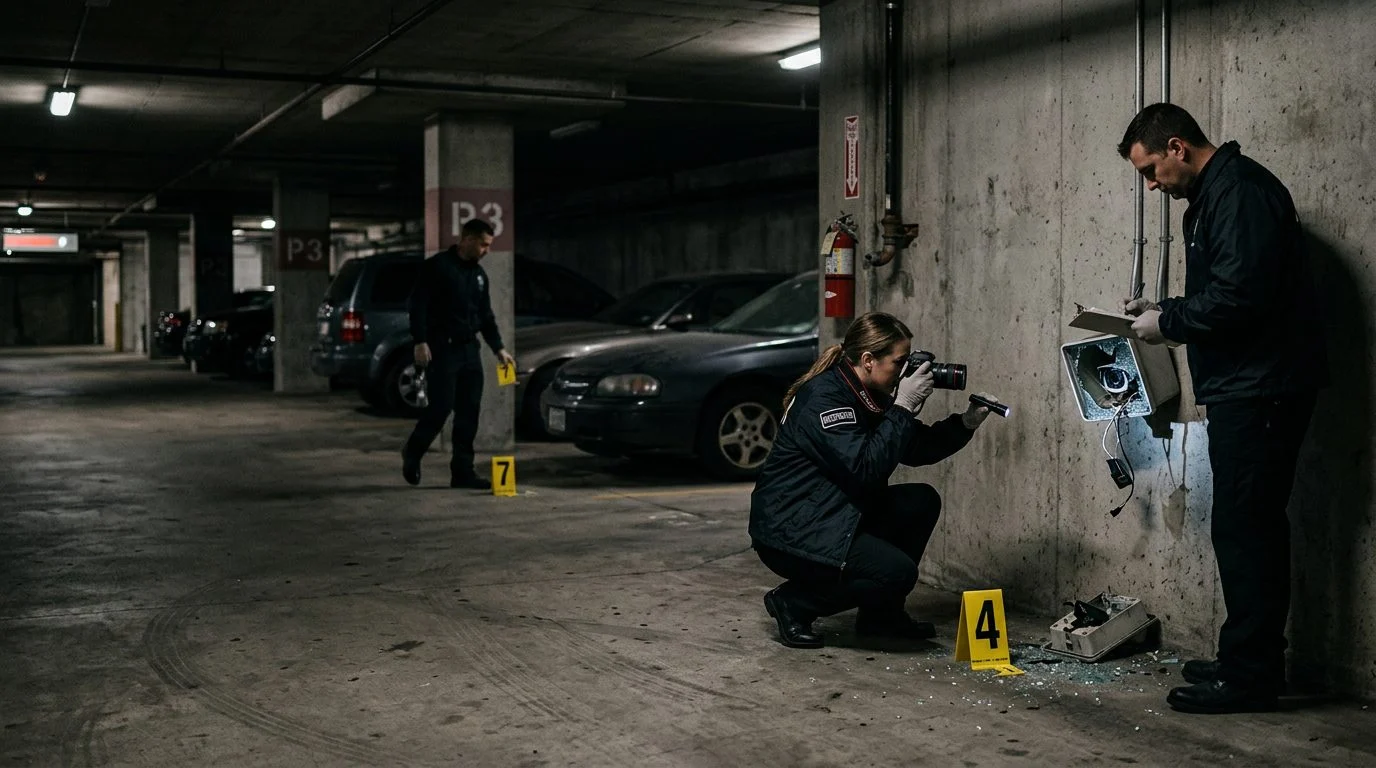
Proving negligence requires evidence: photographs of the hazard, maintenance records, witness statements, and sometimes expert testimony about how long the condition existed. In the premises liability cases our attorneys handle, we’ve seen that the strength of your case depends heavily on what you can gather and preserve early.
Slip and fall cases are often cited as difficult because the property owner may argue the hazard was temporary, you were careless, or there was no notice. However, if the owner had a pattern of neglect, failed to inspect, or ignored a known problem, the case becomes stronger. A single wet spot on a floor is harder to prove than a stairwell that’s been broken for months and the owner did nothing.
Dog bite cases often have clearer liability if the owner knew the dog was dangerous or failed to control it. Under O.C.G.A. § 51-2-7, liability is established when the owner knew the dog was vicious or dangerous. Negligent security cases (assault or theft on the property) require proof that the owner failed to provide reasonable security measures and that the failure foreseeably allowed the crime to occur. Unsafe stairs, broken railings, or poor lighting are often easier to prove because the hazard is visible and the owner’s duty to maintain is clear.
The strength of your case depends on the evidence you can gather and preserve—which is why immediate steps matter.
Georgia’s 50% Rule and Comparative Negligence
Georgia follows modified comparative negligence. Under O.C.G.A. § 51-12-33 (Quynn v. Hulsey, 310 Ga. 473 (2020)), if you are found partially at fault for your injury, your recovery is reduced by your percentage of fault. You can recover damages as long as you are less than 50% at fault; if you are 50% or more at fault, you cannot recover anything.
The property owner will often argue that you were careless—not watching where you walked, ignoring warning signs, or wearing inappropriate footwear. Your attorney’s role includes countering these arguments with evidence of the owner’s duty and breach. This rule means that even a strong case can be weakened if the owner convinces a jury you share responsibility. It also means that a case you think is weak may still be viable if the owner’s negligence was clear.
Common Hazards and Why Some Cases Are Stronger Than Others
Slip and fall cases on wet floors, debris, or uneven surfaces are common but require proof that the owner knew or should have known about the hazard. Dog bite cases often have clearer liability if the owner knew the dog was dangerous or failed to control it. Negligent security cases require proof that the owner failed to provide reasonable security measures.
Unsafe stairs, broken railings, or poor lighting are often easier to prove because the hazard is visible and the owner’s duty to maintain is clear. Cases involving long-standing neglect or repeated complaints are typically stronger than those involving a single, momentary hazard. A property owner who ignores maintenance requests or has a history of similar injuries on the premises is in a weaker position than one facing an isolated accident.
Immediate Steps to Take After an Injury on Someone Else’s Property
Report the injury to the property owner or manager immediately and ask them to document it. Take photographs of the hazard, the surrounding area, and your injuries while evidence is fresh. Collect contact information from witnesses who saw the condition or your fall.
Keep medical records, receipts, and documentation of your treatment and lost wages. Do not sign any documents or give a recorded statement to the owner’s insurance company without legal advice. Preserve evidence: the longer you wait, the more likely the owner will clean up, repair, or remove the hazard. In the cases we handle, early investigation and evidence preservation often make the difference between a strong claim and a weak one.
Not sure what your next step is?
Talk it through with our team — the first consultation is free, confidential, and carries no obligation.
How Long Does a Premises Liability Lawsuit Take?
The timeline varies depending on the complexity of the case, the severity of your injuries, and whether the parties settle or go to trial. Most cases resolve through settlement negotiations, which can take months to over a year. If the case goes to trial, it may take several years from the date of injury to resolution.
Georgia law generally requires that you file a lawsuit within two years after the right of action accrues. Early investigation and evidence preservation can speed up the process by making the case stronger and settlement more likely.
Recoverable Damages in a Premises Liability Case
You may recover economic damages: medical expenses, rehabilitation costs, lost wages, and ongoing care. You may also recover non-economic damages: pain and suffering, emotional distress, and loss of enjoyment of life. The amount depends on the severity of your injury, the strength of the evidence, and the property owner’s degree of negligence. Georgia law does not allow punitive damages in most premises liability cases unless the owner’s conduct was willful or wanton.
Why Evidence and Preparation Matter
The difference between a strong case and a weak one often comes down to evidence collected early. Property owners and their insurers will investigate and may remove or alter evidence; acting quickly protects your rights. An attorney can issue a preservation letter to prevent the owner from destroying evidence and can conduct discovery to obtain maintenance records and prior complaints.
Cases prepared thoroughly—as though they will go to trial—are more likely to settle favorably because the owner’s liability is clear. This is why the first conversation after an injury should focus on preserving what happened, not on predicting the outcome.
Next Steps: Understanding Your Specific Situation
Whether your premises liability case is “hard to win” depends on your visitor status, the evidence available, and the owner’s conduct. A consultation can clarify what Georgia law requires in your situation and what obstacles or strengths your case may have. Many people injured on someone else’s property are unsure whether they have a claim; that uncertainty is exactly why a conversation is the right next step.
FAQ
What makes a premises liability case easy or hard to win?
Strength depends on your visitor classification, the evidence you have, and whether the owner knew or should have known about the hazard.
Can I recover damages if I was partially at fault?
Yes, under Georgia’s 50% rule, you can recover if you are less than 50% at fault; your recovery is reduced by your percentage of fault.
How long do I have to file a premises liability lawsuit in Georgia?
You generally have two years from the date of injury to file a claim.
What evidence do I need to prove premises liability?
Photographs of the hazard, witness statements, maintenance records, medical documentation, and evidence that the owner knew or should have known about the condition strengthen your case.
What is the difference between an invitee, licensee, and trespasser?
An invitee is owed the highest duty of care; a licensee is owed a lower duty; a trespasser is owed the lowest duty—this classification determines what the owner was legally required to do.
If you’ve been injured on someone else’s property in Georgia and you’re unsure whether you have a claim, reach out—people in your situation contact us regularly to understand their options. Request a free consultation with our team to discuss what happened and what Georgia law means for you.
What Determines Your Case
Your Visitor Classification
Georgia law treats invitees, licensees, and trespassers differently. Invitees (like customers) have the strongest legal position because property owners owe them the highest duty of care.
Knowledge of the Hazard
The owner must have known—or reasonably should have known—about the dangerous condition. This is often the central question in slip-and-fall and unsafe property claims.
Your Evidence
Photos, witness statements, maintenance records, and incident reports strengthen your case. The more documentation you gather early, the clearer your claim becomes.
Your Own Actions
Georgia's 50% rule allows you to recover even if you were partially at fault, as long as you were less than 50% responsible. Your recovery is reduced by your percentage of fault.
Act Quickly After an Injury
Evidence can disappear, witnesses' memories fade, and property conditions change. The sooner you document the scene and report the incident, the stronger your claim. Time matters in premises liability cases.
How Slam Dunk Attorney Approaches Your Case
We Investigate Thoroughly
We gather evidence, interview witnesses, review maintenance records, and examine the property to build a complete picture of what happened.
We Handle the Legal Details
From filing deadlines to Georgia's comparative fault rules, we navigate the procedural and substantive law so you can focus on recovery.
We Communicate Clearly
We explain your visitor status, the owner's duty of care, and what your claim is worth in plain language—no legal jargon.
We're Available When You Need Us
Based in Duluth and serving metro Atlanta and Georgia, we're here to answer your questions and guide you through the process.
Ready to Discuss Your Premises Liability Claim?
Related practice areas
- Premises Liability Lawyer in Georgia: Injured on Someone Else’s Property
- Dog Bite Premises Liability Claims in Georgia
- Slip and Fall Atlanta: Premises Liability Claims Explained