
Premises Liability
Comparative Fault in Georgia Premises Liability Claims
You may still recover damages even if you're partially at fault—but Georgia's rules are strict. Learn how comparative fault works and what it means for your case.
By Peter F. Jaraysi · Published September 24, 2026
How Comparative Fault Works in Georgia Premises Liability Claims
In Georgia, you can recover damages for a premises liability injury even if you bear some responsibility for what happened—as long as you’re less than 50% at fault, in which case your recovery is reduced by your share of fault (and if you’re 50% or more at fault, you recover nothing). This is called modified comparative fault, and it’s a critical rule that directly affects how much money you can recover. Understanding how it works helps you know whether you have a viable claim and what evidence matters most.
If you're injured on someone else's property and wondering whether your own actions might affect your recovery, people in that situation reach out to us regularly—let's talk through what happened. Talk it through with our team — the first consultation is free, confidential, and carries no obligation.
What Is Comparative Fault in Premises Liability?
Comparative fault is the legal principle that assigns a percentage of responsibility to each party involved in an injury, recognizing that accidents often result from multiple contributing factors.
In a premises liability case, both the property owner and the injured person may share fault. For example, a person might slip on a wet floor that wasn’t marked with a warning sign—the owner may be at fault for failing to warn or clean, but the injured person may also be partially at fault if they weren’t paying attention or were running. Comparative fault doesn’t eliminate the property owner’s duty to maintain safe premises; it simply acknowledges that your own conduct matters too.
The property owner still has a legal responsibility to keep their premises reasonably safe and to warn visitors of known hazards. Comparative fault just means that responsibility is weighed against your own actions on the day of the injury.
Georgia’s Modified Comparative Fault Rule
Georgia follows a modified comparative fault standard under O.C.G.A. § 51-12-33. Here’s what that means in plain terms:
- You can recover damages even if you’re partially at fault—as long as you’re less than 50% responsible for the injury—though your recovery is reduced by your share of fault.
- If you’re found to be 50% or more at fault, you cannot recover any damages, regardless of the property owner’s negligence.
- The damages you’re awarded are reduced by your percentage of fault. For example, if you’re 20% at fault and your total damages are $10,000, you recover $8,000.
This 50% threshold is sometimes called the “50% bar rule,” and it’s a hard line in Georgia law. Being just slightly over 50% at fault means you lose your entire claim.
How Fault Is Determined in Premises Liability Cases
Courts and juries examine two key questions: Did the property owner breach their duty of care, and did you act reasonably to protect yourself?
The property owner’s conduct: Courts look at whether the owner knew or should have known of the dangerous condition through reasonable inspection and maintenance. Did they ignore a spill? Fail to repair a broken handrail? Neglect to warn visitors of a hazard? The owner’s knowledge—or failure to discover a hazard despite reasonable inspection—weighs heavily in fault assignment.
Your conduct: Courts examine whether you were using reasonable care for your own safety. Were you paying attention? Did you ignore obvious warnings? Were you in an area you were told to avoid?
Evidence that matters: – Photographs and video of the scene, the hazard, and any warnings (or lack thereof) – Witness statements from people who saw the accident or the condition beforehand – The property owner’s maintenance and inspection records – Prior complaints about the condition – Your actions at the time of the injury – Lighting conditions, weather, and other environmental factors
The property owner’s maintenance records are often the most powerful evidence. If they show the owner knew about a hazard and did nothing, or failed to inspect the premises despite a reasonable duty to do so, fault weighs heavily against the owner.
Common Scenarios: How Comparative Fault Applies
Slip and fall on a wet floor: If the owner failed to post a warning sign or clean the spill promptly, they bear significant fault. If you were running, texting, or ignored a visible wet-floor sign, you may share fault. The court weighs both factors.
Dog bite on the owner’s property: If the owner knew the dog was dangerous and failed to restrain or warn visitors, the owner bears primary fault. If you trespassed or provoked the dog, comparative fault may reduce your recovery.
Unsafe stairs or handrails: If the owner failed to maintain or repair a broken handrail, they bear fault. If you were intoxicated or ignored a “caution” sign, comparative fault may reduce what you recover.
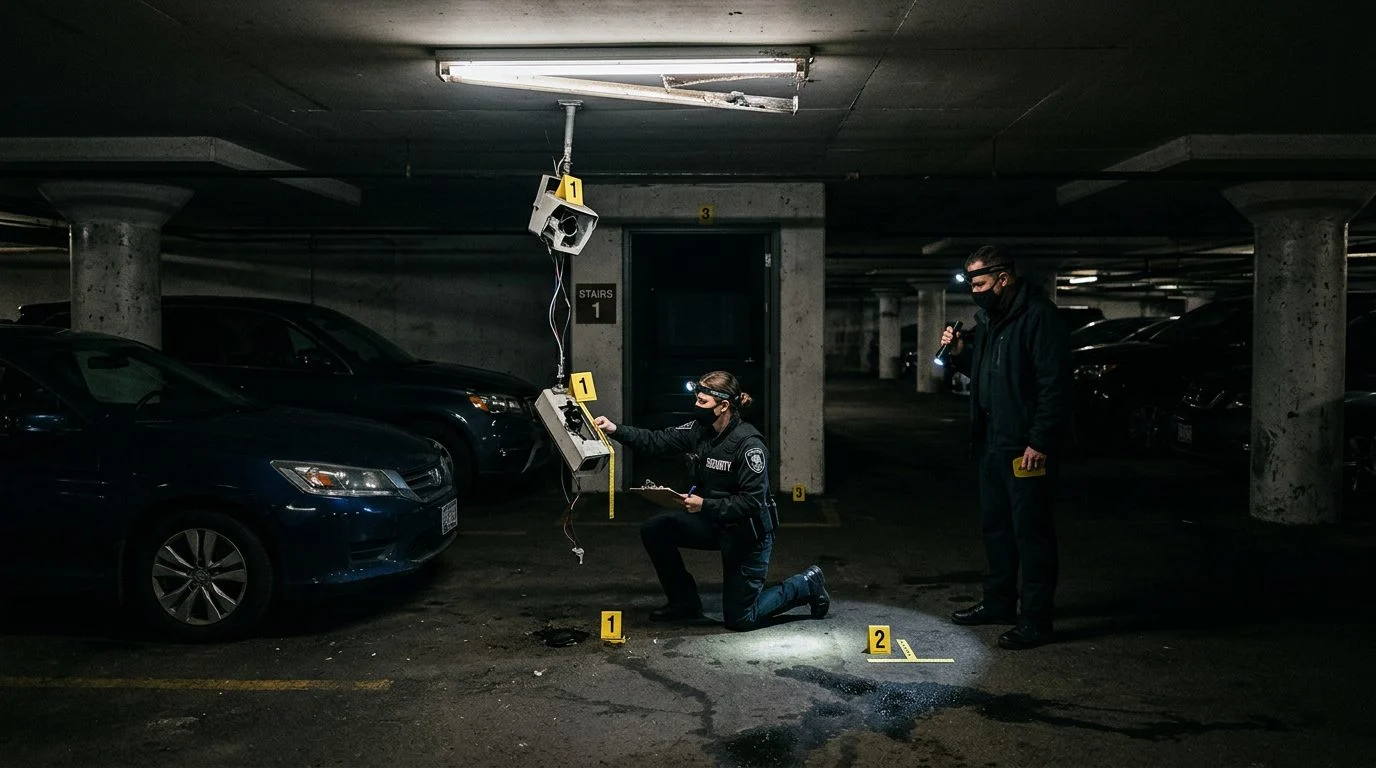
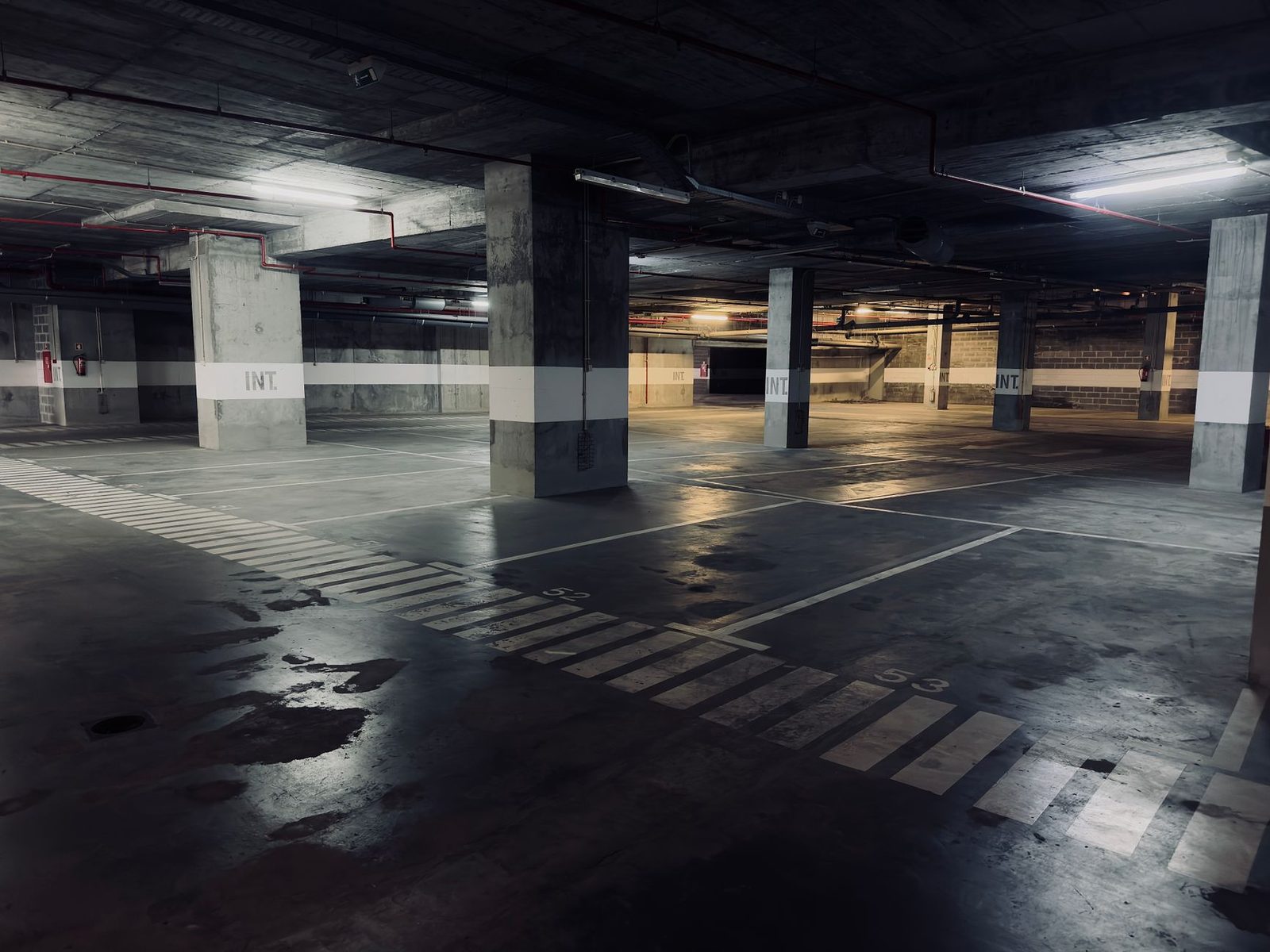
Negligent security (assault on premises): If the owner failed to provide adequate lighting or security despite known crime in the area, they bear fault. If you were in an area you were warned to avoid, comparative fault may apply.
Why Comparative Fault Matters to Your Claim
Your percentage of fault directly reduces the amount you recover. Even a small percentage reduction can mean thousands of dollars in lost compensation. If you’re found 50% or more at fault, you recover nothing.
Insurance companies and defendants often argue for higher percentages of your fault to minimize their payout. They may claim you should have seen the hazard, that you were careless, or that you ignored warnings. Without careful evidence gathering and legal analysis, these arguments can stick—and cost you significantly.
Not sure what your next step is?
Talk it through with our team — the first consultation is free, confidential, and carries no obligation.
Defenses Property Owners Raise Under Comparative Fault
Property owners commonly use comparative fault defenses to reduce or eliminate their liability. Understanding these defenses helps you prepare evidence to counter them.
Assumption of risk: The owner may argue you knowingly accepted the danger—for example, by entering a clearly marked construction zone or a property you knew was unsafe.
Failure to observe: The owner may claim you should have seen and avoided the hazard, even if they failed to warn you.
Trespasser status: If you were trespassing, the owner’s duty of care is lower, and comparative fault may weigh more heavily against you.
Violation of posted warnings: The owner may argue you ignored visible signs or instructions.
These defenses don’t eliminate the owner’s responsibility, but they can shift fault to you if you don’t have strong evidence to counter them.
How to Strengthen Your Premises Liability Claim
Document the scene immediately: Take photos and video of the hazard, any warnings (or lack thereof), lighting, and your injuries. Capture the condition of the property from multiple angles.
Gather witness statements: Ask anyone who saw the accident or the condition beforehand to write down what they saw. Get their contact information.
Obtain maintenance and inspection records: Request records from the property owner showing what they knew about the condition and what steps they took to address it.
Report the incident in writing: Tell the property owner or manager what happened and keep a copy of your report.
Seek medical attention promptly: Follow all treatment recommendations. Gaps in medical care can be used to argue your injuries weren’t serious or were caused by something else.
Avoid social media posts: Anything you post about the incident or your recovery can be used to argue you were not as careful or injured as you claim.
When to Seek Legal Guidance
If you’re unsure whether the property owner’s conduct meets the legal standard for negligence, an attorney can review the facts and advise you on your claim’s strength.
If the property owner or their insurance company is suggesting you bear significant fault, you need someone to evaluate whether that argument is sound. Early legal review can help you preserve evidence and avoid statements that could be used against you.
Frequently Asked Questions
Can I recover any damages if I’m partially at fault in Georgia?
Yes, as long as you’re less than 50% at fault. Your recovery is reduced by your percentage of fault.
What happens if I’m found exactly 50% at fault?
You cannot recover any damages under Georgia’s modified comparative fault rule. The threshold is strict: you must be less than 50% at fault to recover.
How do courts decide what percentage of fault to assign?
Courts and juries weigh the property owner’s duty of care, their breach, your conduct, and the evidence presented by both sides. There’s no formula—it’s a judgment based on the facts.
Does the property owner’s insurance company have to prove I was at fault?
No. The burden of proof varies, but typically the property owner or their insurer must prove comparative fault as an affirmative defense. However, you should be prepared to show your own reasonable conduct.
Should I admit fault at the scene or to the insurance company?
No. Stick to the facts of what happened. Avoid apologizing or making statements that could be interpreted as admitting fault. Let an attorney advise you on what to say.
If you’re injured on someone else’s property in the Atlanta area or elsewhere in Georgia and you’re wondering whether your own actions might affect your right to recover, people in that situation reach out to us regularly. We can review what happened, explain how comparative fault might apply to your case, and help you understand your options. Contact us for a free consultation to discuss your premises liability claim.
Georgia's 50% Bar Rule
Under Georgia law, you can recover damages in a premises liability claim only if you are less than 50% at fault. If you are found to be 50% or more at fault, you cannot recover any damages—even if the property owner bears some responsibility.
How Comparative Fault Affects Your Recovery
Your Fault Is Measured
The court or jury determines what percentage of the accident was your fault based on your actions and the property owner's negligence. This percentage is compared directly to theirs.
Your Recovery Is Reduced
If you are found 30% at fault and the property owner 70% at fault, you can recover—but your award is reduced by your 30% share of responsibility.
The 50% Threshold Matters
Being 49% at fault still allows recovery (reduced by 49%). Being 50% or more bars recovery entirely. This threshold is strict under Georgia law.
Costs May Still Apply
Even if you recover damages, you may owe case costs such as expert fees, filing fees, and investigation expenses—separate from attorney fees.
What Matters in Your Premises Liability Case
Property Owner's Duty
Georgia law requires property owners to maintain reasonably safe premises and warn visitors of known dangers. Your claim focuses on whether they breached this duty.
Your Conduct Counts
The court examines whether you acted reasonably given the circumstances. Were you paying attention? Did you ignore obvious hazards or warning signs?
Evidence Builds the Picture
Photos, witness statements, maintenance records, and incident reports all help establish who was at fault and by how much. Documentation is critical.
Clear Communication
We explain how comparative fault applies to your specific situation—what evidence supports your claim and what challenges the other side may raise.
Uncertain About Your Claim?
Related practice areas
- Premises Liability Lawyer in Georgia: Injured on Someone Else’s Property