
Premises Liability | Dacula, Georgia
Hurt on Someone Else's Property? Talk With Our Team in Dacula
Slam Dunk Attorney represents people injured in slip and falls, negligent security incidents and other unsafe-property accidents across Dacula, metro Atlanta and Georgia. Our lawyers and staff will listen and explain your options in plain language.
By Peter F. Jaraysi · Published October 29, 2026
Dacula Premises Liability: Your Options After a Property Injury
Premises liability is a claim against the person who controls a property when a dangerous condition there causes an injury. If you were hurt on someone else’s property in Dacula or elsewhere in Gwinnett County, this guide explains how these claims work.
Slam Dunk Attorney is a personal injury law firm based in Duluth, Georgia. Our lawyers represent people hurt on property across metro Atlanta and Georgia, including Dacula premises liability cases.
If a fall on someone else's property left you hurt, you may have a claim, and our team can talk through your options in a free, confidential consultation. Talk it through with our team — the first consultation is free, confidential, and carries no obligation.
What Premises Liability Means for Dacula Residents and Visitors
Georgia law defines “owner or occupier” broadly. It includes anyone who owns, leases, occupies, operates, maintains, or manages real property of any kind, and any director, officer, employee, or agent of that person (O.C.G.A. § 51-3-50).
That means the claim is not always against the owner alone. A property manager or a business operating on the site may share responsibility. It depends on who controlled the property and the hazard.
This guide is for shoppers at stores, diners at restaurants, residents of apartment complexes, guests at rental homes, and people using parking lots in Gwinnett County. If you were invited onto the property for a lawful purpose, the owner’s duty of ordinary care applies.
Common Accidents and Property Conditions We Handle
Most premises claims start with a dangerous condition that someone failed to fix or warn about. Our practice covers these situations:
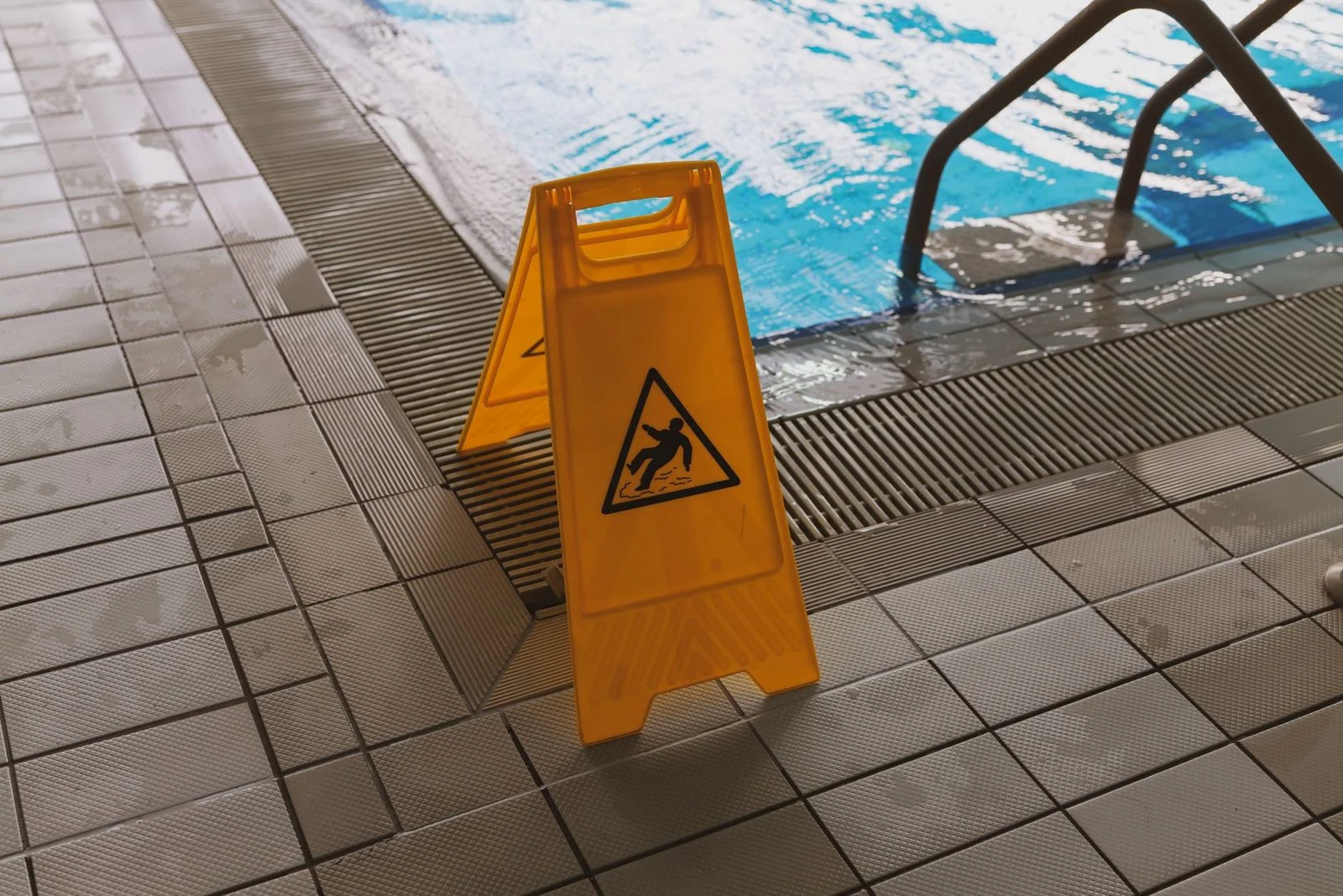
- Slip and fall or trip and fall: wet floors, torn carpet, icy walkways, or unmarked changes in floor level.
- Stair, railing, and balcony failures: loose handrails, broken steps, or weak guardrails.
- Parking lot and common-area hazards: poor lighting, missing warning signs, or potholes left unrepaired.
- Negligent security: an assault or crime linked to known security gaps, such as broken locks or ignored warnings.
- Short-term rental injuries: hidden defects at Airbnb or VRBO properties, such as pool or deck problems.
- Catastrophic injuries: serious falls that cause spinal cord injury or traumatic brain injury.
- Wrongful death: a fatal injury caused by a hazard on someone else’s property.
Rental property has its own rule. A landlord who has fully given up possession is generally not responsible for a tenant’s negligence. The landlord still answers for defective construction and for failing to keep the premises in repair (O.C.G.A. § 44-7-14).
How Georgia Law Sorts Visitors and What Owners Owe Them
Georgia law looks at why you were on the property, because your status affects the care owed to you. Customers and invited guests are usually treated differently from trespassers. For negligent security claims, the statute says an owner is not liable to a trespasser (O.C.G.A. § 51-3-54).
The central question is usually what the owner knew or should have known. An owner who created the hazard, or who received complaints about it, stands in a different position than one with no reason to know. The hazard’s history matters, too.
Negligent security claims carry extra proof. That is why an attack can be harder to prove than a fall.
Evidence that often matters includes:
- incident reports and photos taken soon after the injury
- surveillance video
- maintenance and inspection logs
- prior complaints or repair requests
- witness names and statements
Whether a claim succeeds depends on the facts, including how the injury happened and what the owner knew.
How the Premises Liability Claim Process Works
Most premises claims move from a free consultation to evidence gathering, a settlement demand, and, if needed, a lawsuit. Here is what to expect.
- Free, confidential consultation. We review how the fall happened, the property, and your medical care so far.
- Early evidence requests. Video, incident reports, and maintenance records can be lost if they are not requested promptly.
- Investigation. We look at who owned, managed, or maintained the property and what notice they had.
- Documenting damages. We gather medical bills, lost income records, and proof of how the injury affects daily life. Medical expenses must reflect the reasonable value of medically necessary care (O.C.G.A. § 51-12-1.1).
- Demand and negotiation. We present the claim to the responsible party or its insurer.
- Lawsuit, if needed. Georgia’s general deadline for injury actions is two years after the right of action accrues (O.C.G.A. § 9-3-33). Other deadlines can apply, so timing matters.
Timelines vary because each claim depends on the injuries, the evidence, and how the other side responds.
Why People Choose Slam Dunk Attorney for Premises Liability Claims
Slam Dunk Attorney offers a free, confidential first conversation about your injury. The responsible lawyer for this page is Peter F. Jaraysi. Brian D. Wright is also one of the firm’s lawyers. Our lawyers are supported by assistants and office staff.
The firm is based in Duluth, Georgia. It handles premises liability, negligent security, catastrophic injuries, and wrongful death across metro Atlanta and Georgia.
When you talk with us, you can expect:
- a first conversation at no cost, held in confidence
- a plain explanation of how a premises claim would proceed, step by step
- a clear look at the rules that may apply to your facts
Not sure what your next step is?
Talk it through with our team — the first consultation is free, confidential, and carries no obligation.
Frequently Asked Questions About Dacula Premises Liability
Do I need a police report for a fall at a store or apartment?
A report can help document what happened. Ask the property for an incident report and keep your own photos and notes.
What if I was partly at fault for my fall?
Georgia reduces damages by your share of fault. Under O.C.G.A. § 51-12-33, you recover nothing if you are 50 percent or more responsible.
What losses can a premises claim cover?
General damages, such as pain and suffering, are presumed from the injury. Special damages, such as medical bills, must be proven (O.C.G.A. § 51-12-2).
How are fees and costs handled?
Our first consultation is free, confidential, and carries no obligation to continue. If you hire the firm, you may still be responsible for court costs and case expenses.
Does the deadline matter if I’m still treating?
Yes. Georgia’s two-year general deadline runs from when the right of action accrues, so waiting can cost you options (O.C.G.A. § 9-3-33; Kenneth B. Cameron v. Jmp Pizza, Inc (2026)).
Can I bring a claim if the accident happened outside Dacula?
Yes, if the accident happened in Georgia. The firm serves metro Atlanta and Georgia.
Talk With Our Team About Your Dacula Premises Claim
If you were hurt in a fall at a store, apartment, or rental home, and you aren’t sure what comes next, you don’t have to sort it out alone. Our team can review how your injury happened, which records you have, and the possible next steps and deadlines. Request your free consultation.
General information only; not a promise of any result. Responsible lawyer: Peter F. Jaraysi, Slam Dunk Attorney, Duluth, Georgia.
How We Can Help
Free first consultation
Your first consultation is free, confidential and comes with no obligation to continue.
Building the record
Photos, incident reports, witness names and medical records can all help show what happened. We help you gather and organize them.
Support for you and your family
Our team works with injured people and families, including after serious injuries and wrongful death.
Clear, direct communication
Call or send a message, and our team will talk through your situation and your next steps in plain terms.
Document the Scene Early
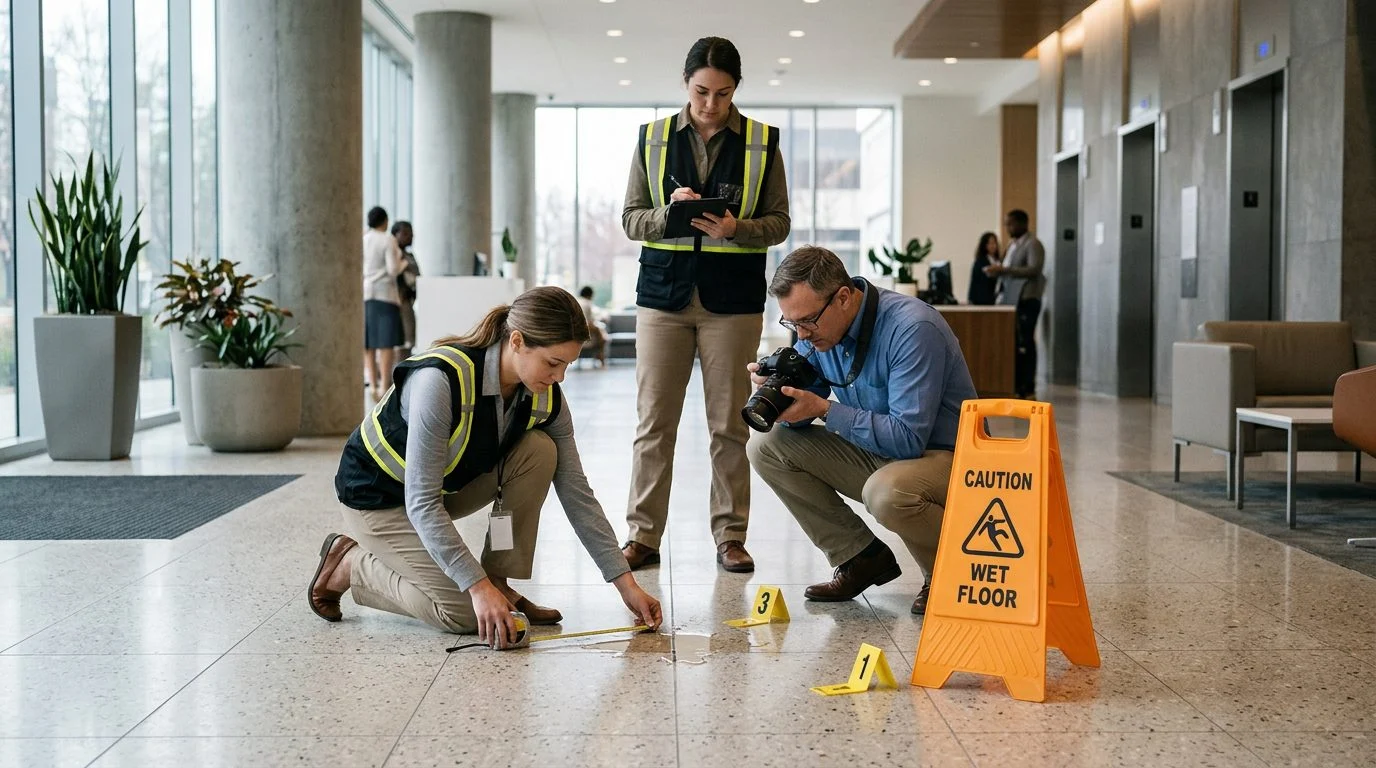
Photograph the hazard and the surrounding area, note the date and time, and ask the property for an incident report. Get medical care even if your injuries seem minor, and keep every bill and appointment record.
Common Premises Liability Situations
Slip and fall
Wet floors, uneven surfaces, poor lighting and unmarked hazards in stores, restaurants and other businesses.
Apartment and complex hazards
Broken stairs, railings, walkways and other unsafe conditions on residential property.
Negligent security
Injuries from assaults or crimes that may have happened because a property did not take reasonable steps to keep people safe.
Short-term and vacation rentals
Injuries at Airbnb, VRBO and similar rentals caused by hazards such as decks, pools, stairs or faulty fixtures.