
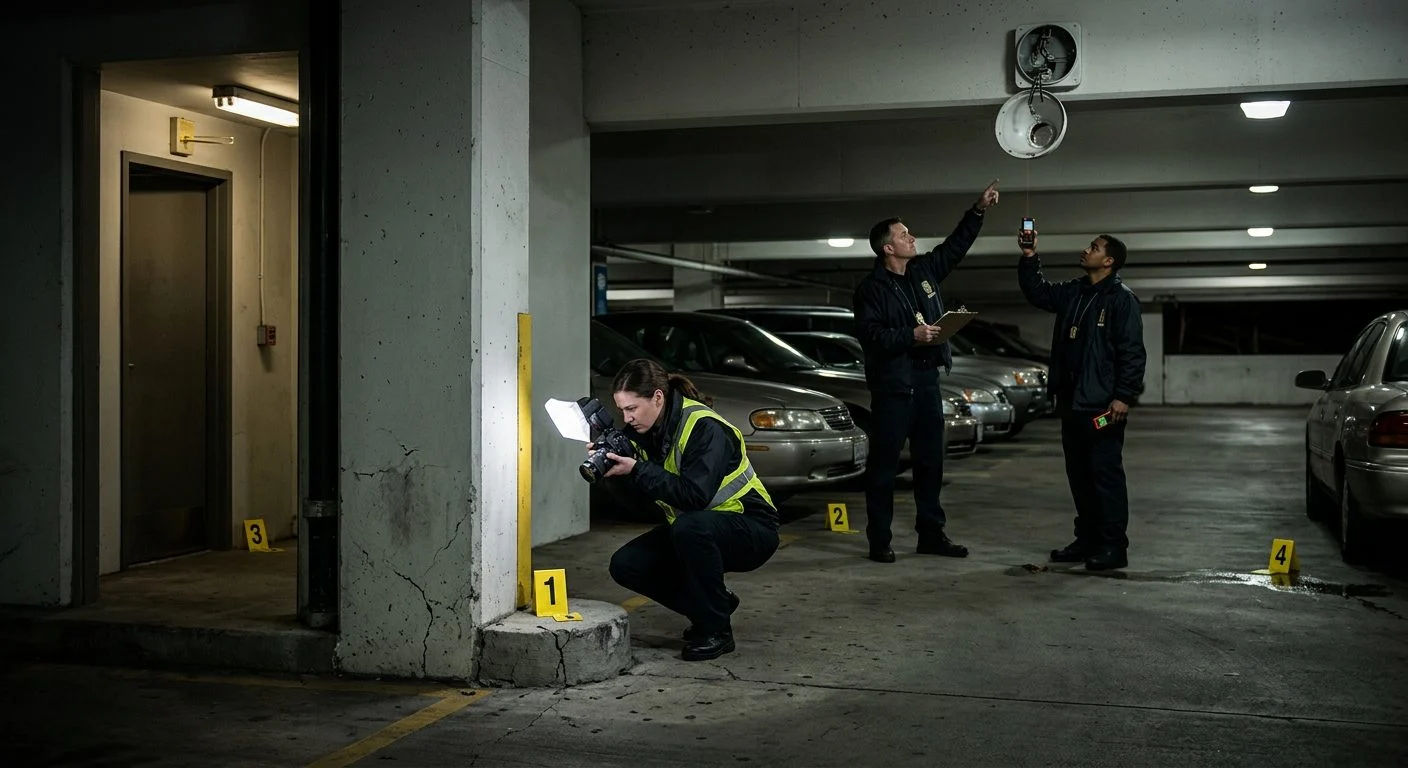
Premises Liability | Georgia
Preserve Your Evidence After an Injury on Someone Else's Property
What you collect in the first days can make the difference in your claim. Learn what to document and how to protect your case.
By Peter F. Jaraysi · Published October 01, 2026
How to Collect and Preserve Evidence After a Premises Liability Injury in Georgia
You need to gather evidence immediately after a premises liability injury—photographs of the hazard, witness information, medical records, and documentation of the property owner’s knowledge of the dangerous condition. The sooner you collect and preserve this evidence, the stronger your claim becomes, because conditions change, witnesses move away, and memories fade quickly.
Premises liability claims in Georgia rest on proof that a property owner or manager knew (or should have known) of a dangerous condition and failed to fix it or warn visitors. Evidence collected right after your injury is fresher, more detailed, and harder to dispute than recollections months later. This guide walks you through the practical steps to document your injury and protect your legal rights.
If you've been injured on someone else's property and aren't sure what evidence matters or how to preserve it, reach out—people in your situation contact us regularly to review what they've documented and understand their next steps. Talk it through with our team — the first consultation is free, confidential, and carries no obligation.
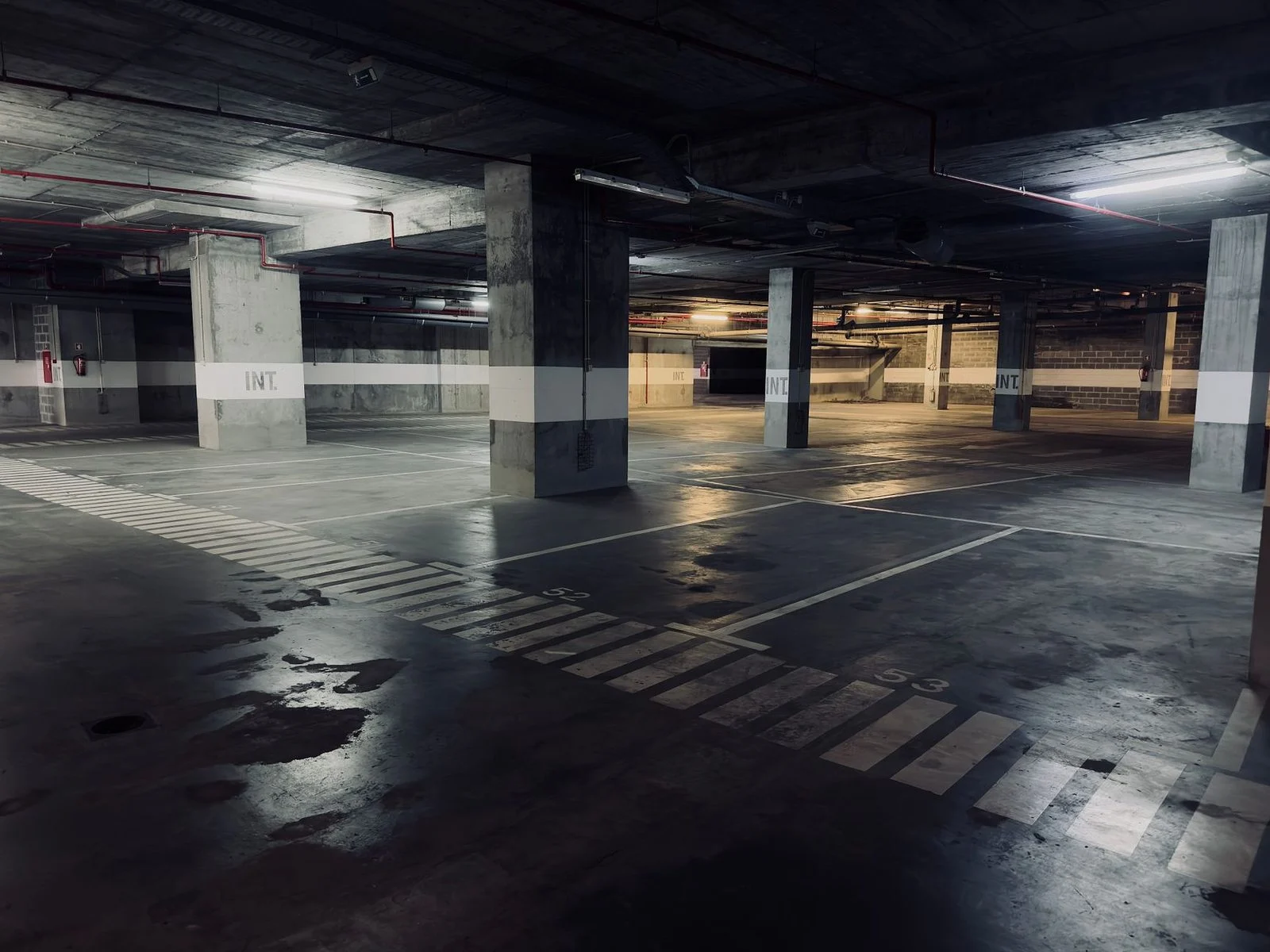
Why Evidence Matters in Georgia Premises Liability Claims
Evidence is the foundation of any premises liability claim because it proves what happened and who is responsible. Georgia law does not require a specific form of evidence, but the stronger and more varied your documentation, the clearer your claim becomes to an insurer or a court.
Property owners and their insurance companies will investigate the scene themselves. Your contemporaneous documentation—collected while conditions are unchanged—creates an independent record that can’t be dismissed as a later reconstruction. Photographs with timestamps, witness statements recorded while details are fresh, and medical records showing the immediate aftermath of your injury all carry weight that your memory alone cannot.
Immediate Steps: Documenting the Scene and Your Injury
Act quickly. Take photographs and video of the exact location where you were injured—the hazard itself, the surrounding area, lighting conditions, and any warning signs (or the absence of them). Include wide shots and close-ups; if your device records timestamps, let it. If you’re injured and unable to photograph, ask a companion, bystander, or family member to do so as soon as possible.
Document the date, time, and weather conditions in writing or a voice memo right away. Was the floor wet? Was there ice or debris? Was lighting poor? These details matter because they show whether the hazard was obvious and whether the property owner should have addressed it.
If your injuries are visible, photograph them. Medical records will document internal injuries, but visual evidence of cuts, bruising, or swelling can be compelling and immediate.
Gathering Witness Information
Witnesses are often the most persuasive evidence in premises liability cases. Their independent observations carry weight that your own account cannot achieve alone.
Obtain the names, phone numbers, and email addresses of anyone who saw your injury or the hazardous condition. Ask them to briefly describe what they saw; write it down or ask them to text you a summary while details are fresh. If witnesses are reluctant to provide contact information, ask the property manager or business to provide their names. Security footage may also identify them later.
Preserving Physical Evidence and Records
Keep the clothing and shoes you were wearing. They may show damage, stains, or wear patterns consistent with your account. If it’s safe and legal to do so, preserve any object that caused your injury—a broken step, a defective handrail, a foreign object on the floor.
Request and retain any incident report filed with the property owner, business, or facility. These documents are often the first official record of what happened.
Maintenance and inspection records are critical. They show whether the property owner knew or should have known of the hazardous condition. Ask for:
- Maintenance logs and repair requests for the area where you were injured
- Inspection records
- Any prior complaints about the same location or hazard
- Safety policies or training records
Make your request in writing; a formal request creates a paper trail and may trigger legal obligations to preserve evidence.
Security camera footage must be requested immediately. Most businesses overwrite security footage within 30 to 90 days. A written request for preservation creates a record of your demand and may prevent the footage from being destroyed.
Medical Documentation as Evidence
Seek medical attention promptly. Medical records are objective evidence of your injuries and their severity, and they create a contemporaneous record of causation.
Tell your healthcare provider exactly how the injury occurred and where. This creates a medical record linking your injury directly to the premises liability incident. Keep all medical bills, imaging reports, treatment notes, and prescriptions. If you required emergency care, that record itself demonstrates the seriousness of your injury.
Not sure what your next step is?
Talk it through with our team — the first consultation is free, confidential, and carries no obligation.
Documenting Your Own Account
Write down your own detailed account of what happened while it is fresh: the time, location, what you were doing, what you saw, how you fell or were injured, and what you felt immediately after. Include sensory details—what the floor felt like, whether there was adequate lighting, whether you saw any warning signs.
Note any prior complaints you had heard about the same location or hazard. Stick to what you directly observed and experienced; do not speculate or guess. Save this account in writing—email it to yourself, text it, or write it in a notebook with the date.
The Four Elements of Negligence: What Evidence Proves What
Georgia premises liability law requires proof of four elements: (1) the property owner owed you a duty of care, (2) the owner breached that duty by failing to maintain safe conditions or warn of hazards, (3) that breach caused your injury, and (4) you suffered damages.
Here’s how evidence maps to each element:
- Duty of care: Property owners owe a duty to maintain reasonably safe conditions for visitors. This is established by law; you prove it by showing you were lawfully on the property.
- Breach of duty: Evidence of the hazardous condition (photos, video, witness statements) proves the breach. Evidence that the owner knew or should have known of the condition (maintenance records, prior complaints, how long the hazard existed) proves knowledge and breach.
- Causation: Medical records and your own testimony prove the breach caused your injury.
- Damages: Medical bills, treatment records, and testimony about your pain, lost wages, and ongoing care prove damages.
No single piece of evidence must be perfect. A collection of consistent documentation builds a compelling picture.
Common Premises Liability Hazards and Evidence to Collect
Different hazards require different evidence:
Slip and fall: Photograph the floor surface, any liquid or debris, lighting, the footwear you were wearing, and any warning signs or lack thereof.
Inadequate security: Document the location, lighting, and visibility. Gather witness statements about whether security measures (cameras, guards, locks, lighting) were present. Request prior incident reports or complaints.
Negligent maintenance: Photograph the defect (broken step, loose railing, crumbling pavement). Document how long it existed. Obtain maintenance records showing when the owner should have repaired it.
Dog bite: Obtain the dog owner’s information, photograph injuries, get witness statements, and request veterinary records or prior bite complaints.
Unsafe property conditions: Photograph hazards like exposed wiring, broken glass, ice, or debris. Document lighting and visibility. Request maintenance and inspection records.
Timeline and Deadlines for Evidence Preservation
Collect evidence as soon as possible after your injury. Conditions change, witnesses move away, and memories fade. Business security footage is often overwritten within 30 to 90 days; request it immediately in writing.
Georgia’s statute of limitations for premises liability is generally two years from the date of injury. However, evidence preservation cannot wait until then. The sooner you preserve evidence, the fresher and more credible it will be.
What Not to Do: Common Evidence Mistakes
Avoid these pitfalls:
- Do not clean or alter the scene. Preserve it as it was when you were injured.
- Do not delay seeking medical attention. Gaps in treatment can be used to argue your injuries were not serious.
- Do not post detailed accounts on social media. Anything you share publicly can be used against you.
- Do not sign any documents or statements from the property owner or their insurance without understanding what you are signing.
- Do not assume the property owner or business will preserve evidence. Take the initiative to request and document it yourself.
If you've been injured on someone else's property and aren't sure what evidence matters or how to preserve it, reach out—people in your situation contact us regularly to review what they've documented and understand their next steps. Talk it through with our team — the first consultation is free, confidential, and carries no obligation.
Frequently Asked Questions
How quickly should I request security footage after an injury?
Request security footage in writing immediately after your injury—within days, not weeks. Most businesses overwrite footage within 30 to 90 days.
Can I take photographs on someone else’s property?
Yes, you can photograph the scene of your injury and the hazard that caused it. Do not trespass or access private areas without permission to gather evidence; work through official channels or with legal counsel.
What if the property owner refuses to provide maintenance records?
Document the refusal in writing. A refusal to produce records can be significant and should be noted. Legal counsel can issue a formal preservation letter or subpoena if necessary.
Do I need a lawyer to collect evidence?
You can collect basic evidence yourself—photos, witness information, medical records. However, an attorney can help you obtain records from the property owner, ensure evidence is preserved, and review what you’ve collected to identify gaps.
How long do I have to file a premises liability claim in Georgia?
Georgia’s statute of limitations is generally two years from the date of injury. However, evidence preservation should begin immediately, not at the end of that period.
Next Steps: When to Seek Legal Guidance
If you have collected evidence of a premises liability injury, an attorney can review it, identify gaps, and advise you on the strength of your claim. Legal counsel can send formal preservation letters to the property owner and their insurance company, ensuring evidence is not destroyed. An attorney can help you navigate requests for records, negotiate with insurers, and protect your rights.
Many premises liability claims are resolved through negotiation; an attorney’s involvement often signals that you are serious and can accelerate settlement discussions.
If you’ve been injured on someone else’s property in Georgia and have gathered evidence but aren’t sure what happens next, our team at Slam Dunk Attorney can review your documentation and advise you on your claim. Request a free consultation to discuss what you’ve documented and what your case may involve. People in your situation reach out regularly—you don’t have to navigate this alone.
For more information on premises liability in Georgia, see our Premises Liability Lawyer Georgia guide, or learn about specific injury types like slip and fall injuries or dog bite claims.
Act Fast on Security Footage
Most businesses overwrite security footage within 30 to 90 days. Request it in writing immediately after your injury—waiting weeks can mean the evidence is gone forever.
What to Document at the Scene
Photograph the Hazard
Take clear photos of what caused your injury—the wet floor, broken step, loose railing, or debris. Capture the area from multiple angles and distances. You have the right to photograph the scene of your injury on someone else's property.
Record the Conditions
Document lighting, weather, time of day, and any warning signs (or lack of them). These details show whether the property owner knew or should have known about the danger.
Collect Witness Information
Get names, phone numbers, and email addresses from anyone who saw your injury or the hazard. Write down what they observed while it's fresh in their memory.
Preserve Your Own Records
Keep all medical records, receipts for treatment, photos of injuries, and a written account of what happened. Note dates, times, and any communication with the property owner or manager.
How We Help You Build a Strong Claim
Evidence Preservation Letters
We send formal written requests to preserve security footage, maintenance records, incident reports, and other evidence before it's destroyed or lost.
Investigation and Documentation
We gather photos, video, witness statements, and property records to establish what happened and whether the owner failed to maintain safe conditions.
Plain-Language Guidance
We explain what evidence matters in your specific situation—whether it's a slip and fall, dog bite, negligent security, or unsafe property condition.
Direct Communication
We handle all contact with property owners, insurance companies, and other parties so you can focus on recovery.