
Premises Liability | Lawrenceville
Property Owner Liability in Lawrenceville
If you were injured on someone else's property due to unsafe conditions or negligent security, you may have a claim. Slam Dunk Attorney represents injured people across Georgia.
By Peter F. Jaraysi · Published September 21, 2026
Premises Liability Claims in Lawrenceville: What You Need to Know
If you’ve been injured on someone else’s property in Lawrenceville—whether at a retail store, apartment complex, restaurant, or office building—the property owner may be legally responsible for your injuries. Under Georgia law, property owners have a duty to maintain safe premises and warn visitors of known hazards. When they fail to do so, you may have a premises liability claim.
If you've been injured on someone else's property in Lawrenceville due to an unsafe condition or poor maintenance, you may have a premises liability claim—and people in your situation reach out to us regularly for a free case review. Talk it through with our team — the first consultation is free, confidential, and carries no obligation.
What Is Premises Liability in Georgia?
Premises liability is the legal responsibility a property owner or occupant has to keep their property safe and warn people of known dangers. Georgia law holds property owners accountable when negligent maintenance, unsafe conditions, or failure to warn result in injury to visitors.
This duty applies across a wide range of properties: retail stores and shopping centers along Lawrenceville’s commercial corridors, restaurants, apartment complexes, office buildings, parking lots, and private residences. The specific duty a property owner owes depends on your visitor status under Georgia common law—whether you were an invitee (a customer or invited guest), a licensee (someone with permission but not an invited guest), or a trespasser. Invitees receive the highest level of protection; property owners owe them a duty to inspect regularly and maintain safe conditions.
Common Premises Liability Injuries in Lawrenceville
Slip and fall accidents are among the most frequent premises liability injuries in Lawrenceville. These happen in grocery stores, shopping centers, and restaurants when floors are wet, icy, or obstructed without warning or adequate cleanup.
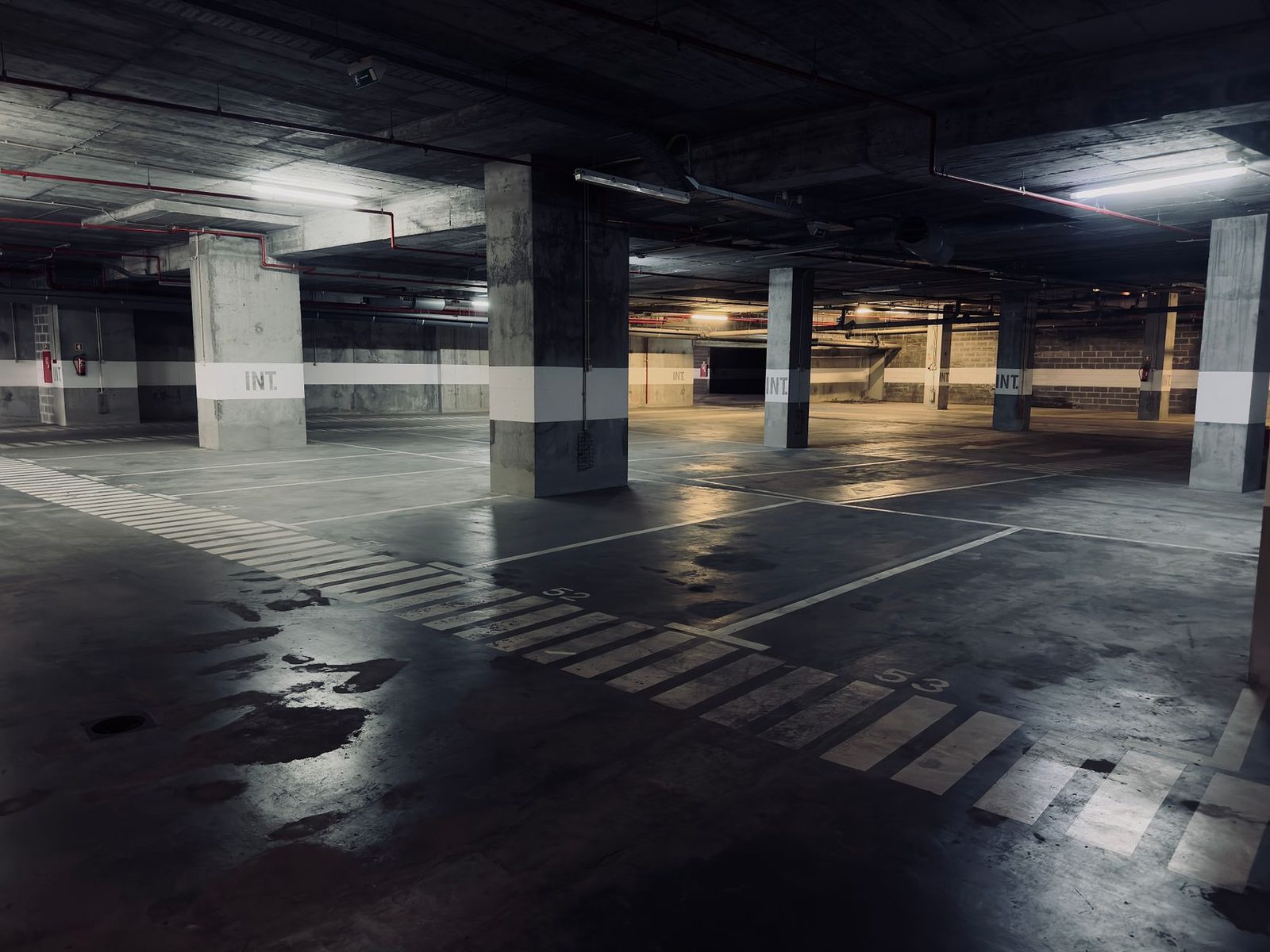
Stairwell and entryway falls occur in apartment complexes and office buildings when handrails are broken, steps are uneven, or lighting is poor. Inadequate lighting and poor security in parking areas and common spaces can lead to falls, injuries, or even assault. Broken handrails, uneven flooring, and debris left in retail and hospitality venues create trip hazards. Pool and recreational area injuries at residential communities result from missing lifeguards, broken equipment, or unsafe conditions. Each of these scenarios can form the basis of a premises liability claim if the property owner knew or should have known of the hazard and failed to fix or warn of it.
Property Owner Duties Under Georgia Law
Property owners in Georgia must inspect their premises regularly for hazardous conditions. They have an obligation to repair or remedy known unsafe conditions within a reasonable time—not weeks or months after becoming aware of a problem.
Owners must warn visitors of non-obvious dangers, such as wet floors, construction zones, or temporary obstacles. They must maintain adequate lighting, working locks, and appropriate security measures. They must remove or secure debris, obstacles, and other trip hazards. When a property owner fails to meet these duties and someone is injured as a result, that failure can establish negligence. The injured party can then pursue compensation for medical bills, lost wages, pain and suffering, and other damages.
When You May Have a Premises Liability Claim
To have a valid premises liability claim in Georgia, several elements must be present. You must have been lawfully on the property—as an invited guest, customer, tenant, or other authorized visitor. The property owner or occupant must have known or should have known of an unsafe condition (this often requires inspection records, maintenance logs, or prior complaints). The owner must have failed to repair, remedy, or warn of that condition. Your injury must have been a direct result of that unsafe condition. You must have suffered actual damages: medical bills, lost wages, pain and suffering, or other measurable harm.
Georgia’s comparative negligence rule (shared fault) is important here. You may recover compensation even if you were partially at fault for your injury—unless your own negligence was greater than the property owner’s. This means that if you were 30% responsible and the owner was 70% responsible, you can still pursue a claim and recover 70% of your damages. This rule gives injured people meaningful recourse even in situations where they bear some responsibility for what happened.
Challenges in Premises Liability Cases
Proving that a property owner knew or should have known of a hazard is often the hardest part of a premises liability case. You’ll need inspection records, maintenance logs, prior complaints from other visitors, or evidence that the condition existed long enough for a reasonable owner to discover and fix it.
Insurance companies often argue that a hazard was “open and obvious”—meaning any reasonable person would have seen and avoided it. This defense can reduce your recovery or bar it entirely if successful, so distinguishing between obvious hazards and hidden or inadequately warned dangers is critical. Insurance adjusters will also argue that you were careless or that you should have been more careful. Gathering evidence quickly—photographs, witness contact information, incident reports, and medical documentation—before property conditions change or are remedied is essential to countering these defenses.
Not sure what your next step is?
Talk it through with our team — the first consultation is free, confidential, and carries no obligation.
Why Local Representation Matters in Lawrenceville
An attorney familiar with Lawrenceville’s commercial districts, residential complexes, and common injury locations brings practical knowledge that generic legal advice cannot. Local counsel understands Lawrenceville’s property management practices and local code enforcement standards. They have relationships with Gwinnett County medical providers and expert witnesses who can support your case. They know how Lawrenceville juries and judges typically approach premises liability claims. And they can respond quickly to preserve evidence and interview witnesses while details are still fresh.
Steps to Take After a Premises Liability Injury
Seek immediate medical attention and document all injuries and treatment. Report the incident to the property owner or manager in writing and request a copy of the incident report. Take photographs of the hazardous condition, lighting, signage, and surrounding area if you can do so safely. Collect contact information from witnesses who saw the condition or your fall. Keep all medical records, receipts, and documentation of lost wages or other expenses. Avoid posting about the incident on social media—insurance adjusters monitor these accounts and may use your posts against you. Do not sign anything or give a recorded statement to the property owner’s insurance company without legal advice first.
How Slam Dunk Attorney Can Help
Our team offers a free case review to evaluate whether you have a viable premises liability claim. We investigate the property’s maintenance history, prior complaints, and inspection records to build a strong case. We coordinate with medical experts to document the extent and cause of your injuries. We negotiate with property owner insurance companies to pursue fair compensation. If a settlement cannot be reached, we provide litigation support. Throughout the process, we maintain transparent communication about your case status and next steps.
FAQ
What’s the difference between premises liability and negligent security?
Premises liability covers injuries from unsafe physical conditions (wet floors, broken stairs, poor lighting). Negligent security involves injuries from criminal acts on the property that the owner failed to prevent through adequate security measures.
How long do I have to file a premises liability claim in Georgia?
Georgia law provides a two-year deadline to file a lawsuit for personal injury claims. This deadline is strict, so it’s important to contact an attorney as soon as possible after your injury.
Can I recover if I was partially at fault?
Yes. Under Georgia’s comparative negligence rule, you can recover even if you were partially responsible, as long as your negligence doesn’t exceed the property owner’s.
What evidence is most important in a premises liability case?
Photographs of the hazard, witness statements, the property’s maintenance records, incident reports, and your medical documentation are all critical.
If you’ve been injured on someone else’s property in Lawrenceville due to an unsafe condition or poor maintenance, you may have a premises liability claim—and people in your situation reach out to us regularly for a free case review. Contact Slam Dunk Attorney today to discuss what happened and learn about your options.
Types of Premises Liability Claims
Slip and Fall
Injuries from wet floors, broken stairs, poor lighting, or other unsafe physical conditions on a property.
Negligent Security
Injuries resulting from criminal acts on the property that the owner failed to prevent through adequate security measures.
Unsafe Conditions
Harm caused by maintenance failures, structural defects, or hazardous materials left unaddressed by the property owner.
Dog Bites
Injuries from a dog attack when the owner knew or should have known of the animal's dangerous propensities.
Why Property Owners Have a Duty to You
Legal Duty of Care
Property owners in Georgia have a legal obligation to maintain their premises in a reasonably safe condition and to warn visitors of known hazards.
Foreseeability Matters
If an injury was foreseeable—such as a slip hazard that should have been obvious—the owner may be liable for failing to prevent or warn of it.
Documentation Is Key
Evidence of prior complaints, maintenance records, or security lapses can strengthen your claim that the owner knew or should have known of the danger.
We Handle the Details
From gathering evidence to negotiating with insurers, we manage every step so you can focus on recovery.
Time Matters
Georgia law sets strict deadlines for filing premises liability claims. Waiting too long can cost you your right to recover. Contact us promptly to protect your claim.
Common Questions About Premises Liability
What's the difference between premises liability and negligent security?
Premises liability covers injuries from unsafe physical conditions like wet floors, broken stairs, or poor lighting. Negligent security involves injuries from criminal acts on the property that the owner failed to prevent through adequate security measures.
Do I have a claim if I was partially at fault?
Georgia law allows recovery even if you share some responsibility for the injury. Your recovery may be reduced by your percentage of fault, but you may still have a valid claim.
What evidence do I need?
Photos of the hazard, witness statements, medical records, and the property owner's maintenance history are all valuable. We help gather and organize this evidence for your claim.
How long does a premises liability case take?
Every case is different. Some resolve through negotiation within months; others require litigation. We keep you informed at every stage and work toward the fastest fair resolution.
Injured on Someone Else's Property in Lawrenceville or Nearby?
Related practice areas
- Premises Liability Lawyer in Georgia: Injured on Someone Else’s Property