

Georgia Injury Guide | Duluth, Georgia
What Is a General Liability Lawyer? A Plain-Language Guide for Georgia Injury Claims
The phrase "general liability" covers many kinds of legal responsibility. Here is what it means, and how it relates to the injury claims Slam Dunk Attorney handles across Georgia.
By Peter F. Jaraysi · Published October 15, 2026
A “general liability lawyer” is a lawyer who works on claims about legal responsibility for harm. The phrase is broad and everyday, so its meaning depends on who uses it and where. This guide explains the common meanings and how they relate to injury claims in Georgia. Slam Dunk Attorney represents people who were hurt in the practice areas listed on this site. It does not defend businesses against claims.
What “General Liability” Means in Plain Language
General liability is a broad phrase for legal responsibility one party may have when its actions or property cause harm to another. The harm can be a physical injury, damage to property, or both. The phrase covers many situations, so it does not describe one specific claim.
The meaning also shifts with context. A person who reads the term in a letter, a policy or a court filing may see it used in a narrower way. Insurance documents, defense firms and injury lawyers may each use it differently. That is why the exact wording matters.
If you found the term in a document about a fall, a crash or another incident, read the full text first. Then ask a lawyer what it means for your situation. A general definition cannot tell you whether a claim exists. That answer depends on the facts of each case.
You may be reading this because a family member was hurt and you are trying to understand the words in front of you. That is a hard place to be. Taking time to learn the terms is a reasonable step.
If you're reading this after a fall or accident that hurt someone you love, you don't have to untangle the terms alone. Our team can talk through your situation at a free first consultation. Talk it through with our team — the first consultation is free, confidential, and carries no obligation.
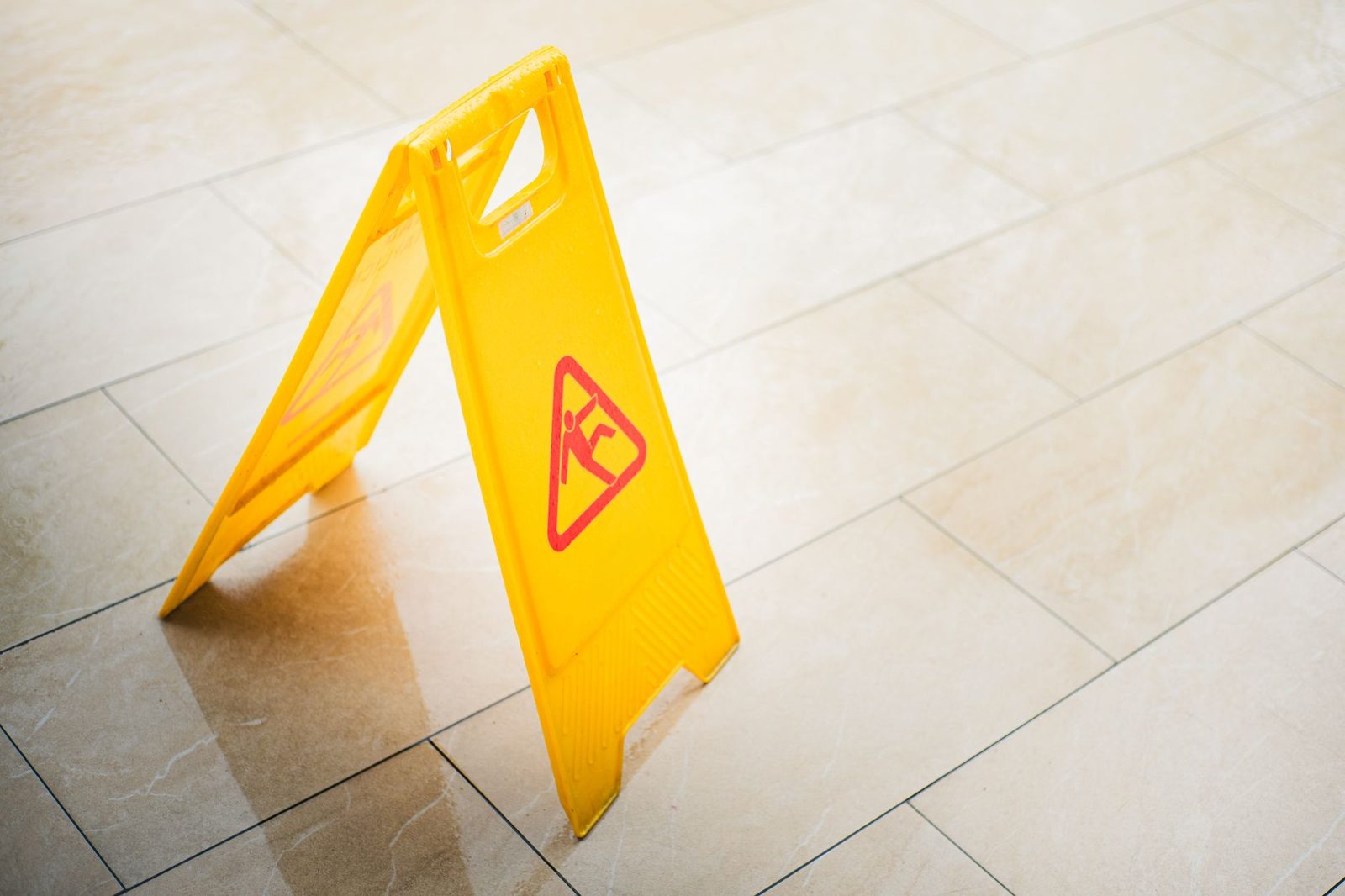
Where the Term Shows Up: Business Insurance and Defense Work
General liability insurance is a business insurance policy. It may respond to certain third-party claims, such as a customer who is injured on business property. Whether it does depends on the policy terms and the facts of the incident. Read the policy itself, because a short summary can leave out limits and exclusions.
Some law firms use the phrase for defense work. In that setting, a lawyer represents a business, a property owner or a person who has been accused of causing harm. That is a different job from the one described on this site.
Slam Dunk Attorney’s listed practice areas center on representing people who were injured. Those areas include car, truck and motorcycle accidents, pedestrian accidents, dog bites, premises liability, slip and fall, negligent security, nursing home abuse and wrongful death. Defending businesses against injury claims is not one of them. If you are a business owner with a policy question, the policy documents are the best place to start.
What “Liability” Means in Legal Terms
In legal terms, liability means being legally responsible for harm caused to another person. Injury claims often look at a few core ideas from negligence law. These include duty (a obligation to act with care), breach (a failure to meet that care), causation (a link between the failure and the harm) and damages (the losses the harm caused).
Each idea depends on the facts. Whether a duty exists often depends on the relationship between the people involved and the place where the harm happened. Georgia’s premises statute, O.C.G.A. § 51-3-1 (Holston v. Aboebarensi, Inc. (2026)), describes an owner’s duty to invitees in certain situations. The statute says the owner may be liable for injuries caused by a failure to use ordinary care in keeping the premises safe. Its application depends on the facts, and exceptions may apply.
Fault can also be shared. Georgia’s apportionment statute, O.C.G.A. § 51-12-33 (Quynn v. Hulsey, 310 Ga. 473 (2020)), says damages may be reduced in proportion to a person’s share of fault, depending on the facts of each case. It also says a plaintiff who is 50 percent or more responsible may not receive damages. This rule is fact-dependent, and exceptions may apply. Talk with a lawyer about how it may affect your own case.
How Negligence Claims Fit the Practice Areas This Firm Handles
Premises liability is the practice area where general ideas of responsibility most directly meet injury law. It covers the duties that owners and occupiers may owe to people on their property. Under O.C.G.A. § 51-3-1, a visitor who is invited or led onto the premises for a lawful purpose may have a different claim than a licensee. For licensees, O.C.G.A. § 51-3-2 generally limits an owner’s liability to willful or wanton injury, depending on the facts of each case and subject to possible exceptions. Visitor status therefore matters, and the result depends on the facts.
Slip and fall cases are one common example of premises questions. Negligent security is another. Under Georgia law, a negligent-security claim generally seeks damages for bodily injury or wrongful death, depending on the facts of each case. Such a claim may involve an alleged failure to keep the premises reasonably safe from the wrongful conduct of third parties, depending on the facts of each case. The statute lists specific elements a plaintiff must prove, and whether they are met depends on the facts of each case.
This site also covers car, truck, motorcycle and pedestrian accidents, dog bites, nursing home abuse and wrongful death. Each area has its own rules. This page does not describe how any of these claims would be valued. For a fuller overview of Georgia premises claims, see the premises liability guide on this site.
Insurance and Policy Questions That Depend on the Facts
Whether insurance pays a claim depends on the policy, the parties involved and the facts of the incident. Georgia’s Office of the Commissioner of Insurance and Safety Fire explains Georgia auto insurance requirements, including required liability coverage and coverage types. Those general descriptions do not decide any particular claim.
Readers often have simple questions. Who holds the policy? What does it cover? What are its limits? Does the policy apply to this type of incident? Each question has a factual answer that lives in the policy and the incident report. A lawyer can help you read those documents, and the answers still depend on your facts.
Some claims also involve federal rules. Some medical costs may be handled under benefit or coordination rules that depend on the facts of each case, so please consult a lawyer about how any such rules may apply to your situation. Their effect on any specific matter depends on the facts. This page does not describe how insurers or adjusters behave, because that varies by company and case.

Talking With a Lawyer About Your Situation
A first conversation with a lawyer is a chance to share the basic facts. You can explain what happened, where it happened and who was involved. The lawyer can then explain whether the practice areas on this site may apply. No result can be promised at that stage, and the answer depends on the facts.
If you are reaching out for someone else, you may still contact us to ask about the matter. You may be a spouse, adult child or friend who is trying to help after a fall, a crash or a loss. You do not need every document ready to begin.
Frequently asked questions
Is a general liability lawyer the same as a premises liability lawyer? The terms overlap but are not the same. Premises liability is a specific area about property conditions and the duties owners may owe.
Does general liability insurance cover injuries? It may, depending on the policy terms and the facts of the incident. Read the full policy and talk with a lawyer about your situation.
Do filing deadlines apply to injury claims in Georgia? Filing deadlines can apply, and they depend on the facts of your case. Exceptions exist, so speak with a lawyer about your own timeline.
Our team can answer your questions at a free first consultation. The consultation is confidential and carries no obligation to continue. Reach out through the contact page when you are ready.
Attorney advertising. This page is general information, not legal advice, and it does not create an attorney-client relationship. The responsible lawyer is Peter F. Jaraysi, Slam Dunk Attorney, Duluth, Georgia. Whether a claim exists depends on the facts of each case, and no result can be promised.
What to Know About This Firm's Role
Represents injured people
Slam Dunk Attorney represents people who were hurt in the practice areas listed on this site.
Does not defend businesses
The firm does not defend businesses or insurers against injury claims.
Based in Duluth, Georgia
The firm is based in Duluth, Georgia, and represents clients in metro Atlanta and across Georgia.
Written fee agreement
Fee terms are explained in a written fee agreement. Please review it with the attorney before you decide.
Injury Claims the Firm Handles
Car and Truck Accidents
Claims arising from collisions involving passenger vehicles and commercial trucks, where another party's conduct may be at issue.
Motorcycle and Pedestrian Accidents
Claims for riders and people struck while walking, based on the facts of how the crash happened.
Dog Bites and Unsafe Properties
Claims involving animal attacks and premises liability, including slip and fall injuries and negligent security.
Nursing Home Abuse and Wrongful Death
Claims involving care of residents in facilities and losses suffered by surviving family members.
Not Sure Whether Your Situation Fits?
Whether a legal claim exists depends on the facts of your situation and on Georgia law, which can include exceptions. Consult a lawyer about your own case before relying on any general information.