
Premises Liability | Alpharetta
When a Property Owner's Negligence Leaves You Injured
Property owners have a legal duty to keep their premises safe. If you were hurt on someone else's property in Alpharetta or the Atlanta area, we can help you understand your rights.
By Peter F. Jaraysi · Published September 27, 2026
Premises Liability Claims in Alpharetta: What Property Owners Owe You
When you’re injured on someone else’s property in Alpharetta—whether at a retail store, restaurant, apartment complex, or office building—Georgia law may hold the property owner responsible. A premises liability claim is your legal right to recover damages when a property owner fails to maintain safe conditions or warn of known dangers. Understanding your rights and the steps to take after an injury can make the difference between a successful claim and losing your opportunity for compensation.
If you've been injured on someone else's property in Alpharetta—whether a store, restaurant, apartment, or other location—you may have a premises liability claim; people in your situation contact us regularly for a free case review. Talk it through with our team — the first consultation is free, confidential, and carries no obligation.
What Is Premises Liability in Alpharetta?
Premises liability is the legal duty a property owner or occupant has to keep their property reasonably safe for visitors. In Alpharetta, this applies to shopping centers, restaurants, apartment complexes, offices, retail stores, and any other commercial or residential property where people gather. Under Georgia law, property owners must regularly inspect their premises, fix dangerous conditions promptly, and warn visitors of known hazards they can’t immediately repair.
Premises liability covers a wide range of injuries: slip and falls on wet floors or broken pavement, injuries from broken stairs or railings, accidents caused by inadequate lighting, assaults resulting from negligent security, and harm from falling objects or poor maintenance. If you’ve been hurt by an unsafe condition on someone else’s property, you may have a valid claim.
When Does a Property Owner Owe You a Duty of Care in Alpharetta?
Georgia law recognizes three categories of visitors, each with a different level of protection. Your status determines how much care the property owner must exercise.
Invitees are customers, patients, diners, or guests explicitly invited onto the property for business or social purposes. Property owners owe invitees the highest duty of care—they must regularly inspect the premises, discover hazards, repair them promptly, and warn of dangers they can’t fix. If you’re shopping at an Alpharetta mall or dining at a restaurant, you’re an invitee.
Licensees are people with permission to be on the property but not for the owner’s business benefit—for example, social guests at a home or a delivery person. Property owners owe licensees a moderate duty of care: they must warn of known dangers but don’t have to actively inspect for hazards as thoroughly as they do for invitees.
Trespassers have no permission to be on the property. Property owners generally owe trespassers no duty of care, except to avoid willfully harming them. However, if a trespasser is a child, the duty may be higher.
Georgia law requires property owners to exercise reasonable care to maintain safe conditions and warn of known dangers, regardless of the property type—shopping center, apartment complex, restaurant, or office building in Alpharetta.
Common Premises Liability Injuries in Alpharetta
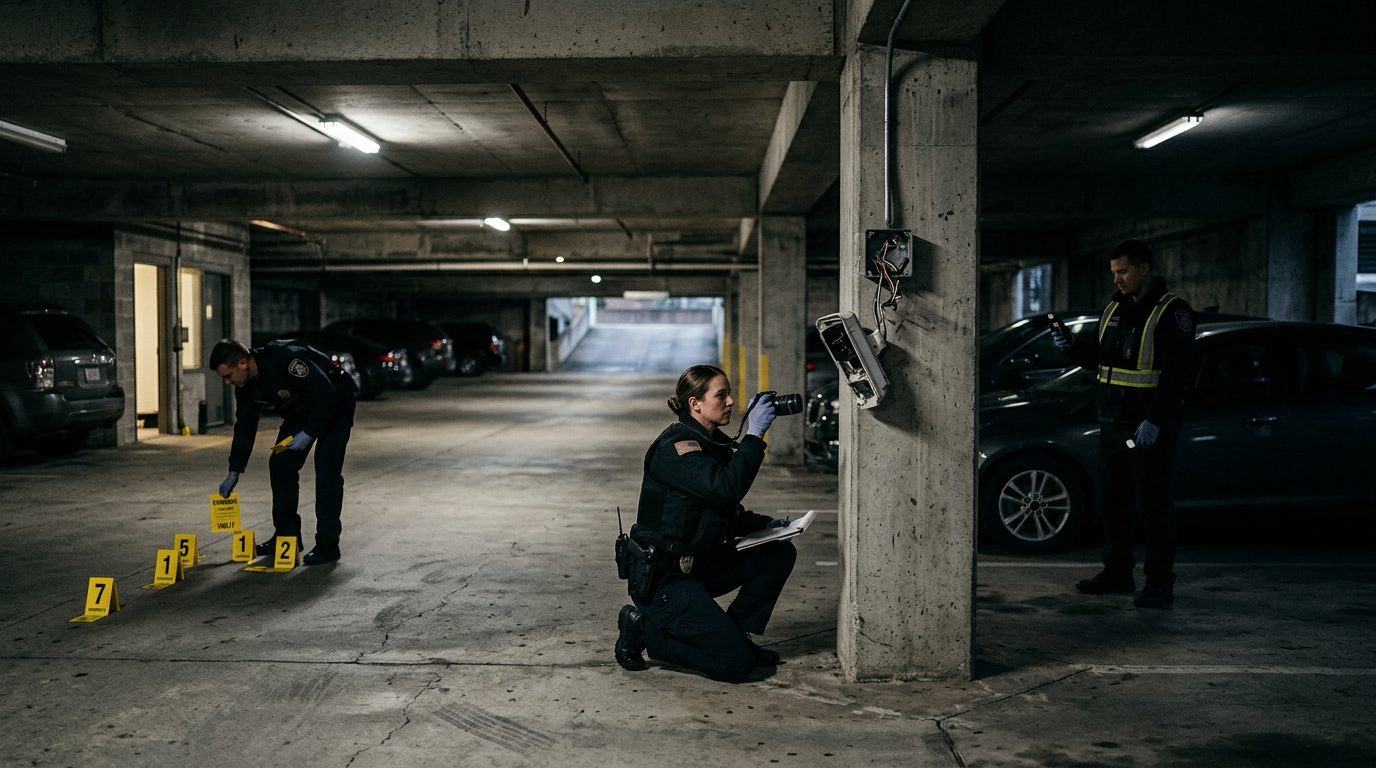
Slip and fall accidents are the most common premises liability claims. These happen in retail stores when floors are wet or cluttered, in parking lots with potholes or debris, and on walkways with broken pavement. Injuries from broken stairs, loose railings, or damaged flooring in residential or commercial buildings are also frequent.
Inadequate lighting in parking lots, stairwells, or entryways can lead to falls or make visitors vulnerable to assault. Negligent security—such as broken locks, absent security personnel, or poor surveillance—can result in robbery or physical assault on the property. Injuries from falling objects, poor maintenance of common areas in apartment complexes, and dog bites on someone else’s property are also premises liability claims.
In the premises liability cases our attorneys handle, we often see property owners delay repairs, ignore maintenance complaints, or fail to warn of known hazards. These failures directly cause serious injuries—broken bones, head trauma, spinal injuries—that require immediate medical care and long-term recovery.
What You Must Prove in an Alpharetta Premises Liability Case
To succeed in a premises liability claim, you must prove four key elements:
-
The property owner owed you a duty of care. This depends on your status as an invitee, licensee, or trespasser. If you were a customer or invited guest, the owner owed you a high duty of care.
-
The owner breached that duty. They failed to maintain safe conditions, didn’t repair a known hazard, or didn’t warn you of a danger they knew about or should have known about.
-
You were injured as a direct result of that breach. Your injury must be causally connected to the owner’s failure—not caused by something unrelated.
-
You suffered actual damages. Medical bills, lost wages, pain and suffering, and other measurable losses must be documented.
Georgia law places the burden on you to show the property owner knew or should have known about the hazardous condition. This is where an investigation into maintenance records, prior complaints, and the property’s condition becomes critical.
How Alpharetta Property Owners Try to Avoid Liability
Property owners and their insurers use several common defenses to avoid paying damages.
Comparative negligence is the most frequent defense. Georgia’s comparative negligence rule allows property owners to argue that you were careless—that you weren’t watching where you were going, didn’t use handrails, or ignored warning signs. However, Georgia law protects you: even if you share some fault, you can still recover damages as long as your negligence is less than 50% of the total fault. If you’re 40% at fault and the owner is 60% at fault, you can recover 60% of your damages.
Property owners often claim a hazard was “open and obvious”—meaning you should have seen it and avoided it. This defense fails if the hazard was genuinely hidden, if you had a legitimate reason not to notice it, or if the owner knew you might not see it despite its visibility.
Owners may also argue they had no actual knowledge of the dangerous condition. This defense is weak if maintenance records show they should have known, if other visitors complained, or if a reasonable inspection would have uncovered the hazard.
Posted warning signs alone are rarely enough to shield a property owner from liability. While warnings help, they don’t eliminate the owner’s duty to repair unsafe conditions or maintain the property safely.
Not sure what your next step is?
Talk it through with our team — the first consultation is free, confidential, and carries no obligation.
Steps to Take After a Premises Liability Injury in Alpharetta
Your actions immediately after an injury can strengthen your claim.
Seek medical attention right away, even if injuries seem minor. Medical records create an official timeline and document the connection between the accident and your injuries. Report the incident to the property owner, manager, or business operator in writing—email is best because it creates a record.
Take photos of the hazardous condition, your injuries, and the accident scene if possible. Get the names, phone numbers, and addresses of any witnesses who saw what happened. Keep all medical records, receipts for treatment, documentation of lost income, and expenses related to your injury.
Do not sign any waivers or settlement offers without legal advice. Property owners and insurers may pressure you to settle quickly for far less than your claim is worth. Avoid posting details about your injury on social media—insurers monitor social media and may use your posts against you.
Why You Need an Alpharetta Premises Liability Attorney
Property owners and their insurers have experienced legal teams and substantial resources. You need equal representation to level the playing field.
An attorney investigates the property thoroughly, obtains maintenance records, interviews witnesses, and identifies all liable parties. We handle all communication with insurers so you can focus on recovery. We understand how Georgia courts in Fulton County apply premises liability law and know the tactics insurers use to minimize payouts.
Early legal guidance protects your rights and strengthens your claim. We work on a contingency basis: you pay no attorney fees unless we recover compensation for you, though you may owe case costs. This means our interests align with yours—we only succeed if you do.
How Slam Dunk Attorney Handles Your Alpharetta Premises Liability Claim
We start with a free initial consultation to review your injury and the circumstances surrounding it. We conduct a thorough investigation of the property, gather maintenance records, and identify any prior incidents or complaints. Our team provides expert analysis of liability under Georgia law and negotiates with property owners’ insurers for fair settlement.
If a settlement cannot be reached, we prepare your case for trial. Throughout the process, we maintain clear communication so you understand your options and what to expect. You’re never left in the dark about your claim.
Frequently Asked Questions
What is the statute of limitations for filing a premises liability claim in Georgia?
Georgia law generally allows two years from the date of injury to file a premises liability lawsuit; waiting longer may bar your claim entirely.
What counts as an “open and obvious” hazard?
A hazard is open and obvious only if a reasonable person would have noticed it and had time to avoid it; hidden dangers or those requiring careful attention don’t qualify.
Can I recover damages for pain and suffering in a Georgia premises liability case?
Yes, you can recover damages for physical pain, emotional distress, and reduced quality of life caused by your injury, in addition to medical bills and lost wages.
What is comparative negligence and how does it affect my claim?
Comparative negligence allows you to recover even if partially at fault, provided your negligence is less than 50%; your recovery is reduced by your percentage of fault.
Do property owners have a duty to protect me from criminal acts on their property?
Yes, under negligent security law, property owners must provide reasonable security measures to protect visitors from foreseeable criminal acts like assault or robbery.
If you’ve been injured on someone else’s property in Alpharetta—whether a store, restaurant, apartment, or other location—you may have a premises liability claim. People in your situation contact us regularly for a free case review. Request a free consultation with Slam Dunk Attorney today or call us to discuss your injury and learn what your claim may be worth.
What Property Owners Owe You
A Duty of Care
Property owners must maintain their premises in a reasonably safe condition and warn visitors of known hazards. This includes regular inspections, timely repairs, and clear notice of dangers.
Reasonable Foresight
Owners are responsible for hazards they should have anticipated—like a wet floor in a grocery store, poor lighting in a parking lot, or broken stairs in an apartment complex.
Open & Obvious Doesn't Always Mean Safe
Even if a hazard is visible, a property owner may still be liable if they failed to fix it or warn you adequately. Context matters—what seems obvious to one person may not be to another.
Documentation Matters
We gather evidence of the property's condition, maintenance records, prior complaints, and security measures to build a clear picture of the owner's negligence.
Common Premises Liability Claims We Handle
Slip and Fall
Injuries from wet floors, debris, uneven surfaces, or poor maintenance on commercial or residential property.
Negligent Security
Harm resulting from inadequate security measures, broken locks, poor lighting, or failure to prevent foreseeable criminal acts.
Unsafe Conditions
Injuries caused by broken railings, defective stairs, falling objects, or other structural or maintenance failures.
Dog Bites
Attacks by a dog on someone else's property, where the owner knew or should have known of the animal's dangerous propensity.
Know Your Timeline
Georgia law generally allows two years from the date of injury to file a premises liability lawsuit. Waiting longer may bar your claim entirely. The sooner you act, the sooner we can preserve evidence and investigate what happened.
Questions About Premises Liability?
What counts as an 'open and obvious' hazard?
A hazard is open and obvious only if a reasonable person would have noticed it and had a fair opportunity to avoid it. Even then, the property owner may still be liable if they failed to address a known danger.
Do I have a claim if I was trespassing?
Property owners owe different duties to trespassers than to invited guests or customers. The specifics depend on your status on the property and the circumstances of your injury.
What if I was partly at fault?
Georgia recognizes comparative negligence. You may still recover damages even if you were partially responsible, though any award would be reduced by your percentage of fault.
How much does it cost to hire an attorney?
We work on a contingency basis: no fees unless there is a recovery. You may still owe certain case costs; we'll discuss all fees and expenses upfront during your free consultation.
Ready to Discuss Your Premises Liability Claim?
Related practice areas
- Premises Liability vs. Negligence: Georgia Injury Law