
Premises Liability | Georgia
When an Unsafe Property Causes Your Injury
Property owners have a duty to maintain safe conditions. If negligence on their property harmed you, you may have a claim. Slam Dunk Attorney helps injured people across Georgia pursue fair compensation.
By Peter F. Jaraysi · Published September 30, 2026
What Are Some Examples of Premises Liability Cases?
Premises liability occurs when a property owner or occupant fails to maintain safe conditions or warn of known hazards, and someone is injured as a result. Property owners have a legal duty to inspect their premises regularly and fix or warn about dangerous conditions—and when they don’t, they can be held responsible for your injuries.
Understanding what qualifies as a premises liability case helps you recognize whether your own injury might be covered. Below, we walk through common scenarios, what the law requires, and how to determine if you have a valid claim.
If you've been hurt on someone else's property due to an unsafe condition, you may have a valid claim—and people in your situation reach out to us regularly to understand their options. Talk it through with our team — the first consultation is free, confidential, and carries no obligation.
What Is Premises Liability?
Premises liability is a legal principle that holds property owners and occupants accountable for injuries caused by unsafe conditions they knew about or should have discovered through reasonable inspection. Under Georgia law, property owners owe visitors and tenants a duty of care—meaning they must maintain reasonably safe conditions and warn of known hazards.
This duty applies to businesses, rental properties, private homes, and public spaces. The key principle: if a property owner knew or reasonably should have known about a dangerous condition, and failed to fix it or warn people about it, they can be held liable for injuries that result.
Can You Give Me an Example of Premises Liability?
A common example is a customer slipping on a wet floor in a grocery store with no warning sign. The store knew (or should have known) the floor was wet and slippery. They had a duty to either clean it up promptly, place a warning sign, or rope off the area. If they failed to do any of that and you fell and were injured, the store may be liable.
Another example: a tenant trips on a broken step at an apartment complex. The landlord knew about the broken step because a tenant reported it weeks earlier—but never repaired it. When the tenant falls and breaks an ankle, the landlord’s failure to fix a known hazard can make them liable.
A third scenario: a retail store customer is struck by a falling item because merchandise was stacked improperly on a high shelf. The store manager should have ensured items were secured safely. The failure to do so resulted in your injury.
These examples share a common thread: the property owner or manager had a duty to fix or warn about the hazard, and they failed to do so.
What Are the Different Types of Premises Liability Cases?
Premises liability encompasses many types of injuries and hazardous conditions:
Slip and Fall Accidents Wet floors without warning signs, spilled liquids, debris, ice, or poor maintenance create slip hazards. These are among the most common premises liability claims.
Fall Accidents Broken or missing stairs, absent handrails, uneven surfaces, and inadequate lighting cause falls. A poorly lit stairwell or a missing handrail on a ramp increases the risk significantly.
Defective Conditions Structural problems, broken equipment, unsecured machinery, or hazardous materials left accessible can injure visitors or tenants.
Inadequate Maintenance Neglected repairs, overgrown landscaping creating trip hazards, broken doors, loose railings, or general poor upkeep create dangerous environments.
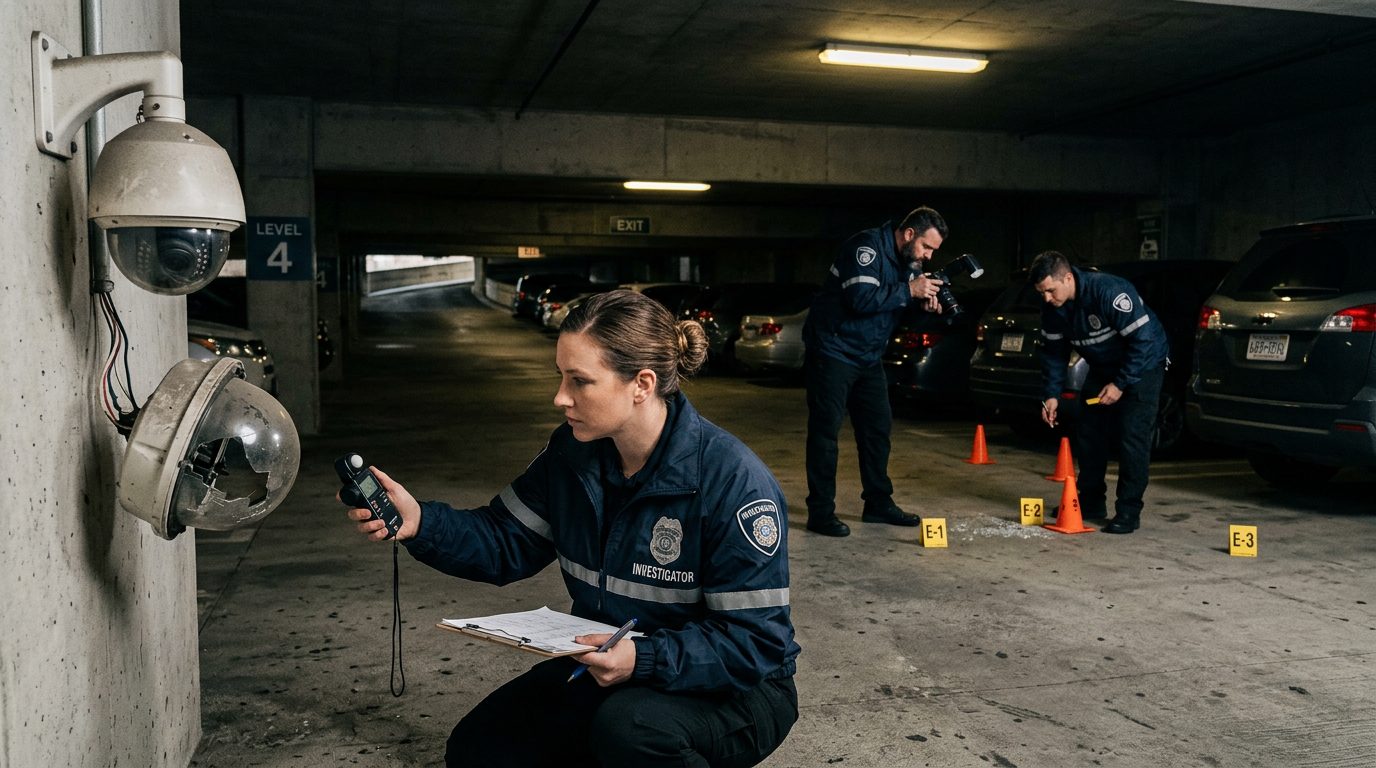
Inadequate Security Non-functioning locks, broken security systems, insufficient lighting, or lack of security personnel can enable criminal activity or leave visitors vulnerable to assault or robbery on the property.
Dog Bites If a dog bites you on the owner’s property and the owner knew or should have known the dog was dangerous, the owner may be liable under premises liability law.
Negligent Security Leading to Injury When a property owner fails to provide adequate security measures and a visitor is harmed as a result—whether by criminal activity or by an unsafe condition made worse by poor security—the owner can be held responsible.
Common Premises Liability Examples in Georgia
Here are real-world scenarios that frequently lead to premises liability claims:
Grocery Store Slip and Fall A customer slips on spilled product with no wet floor sign or cleanup crew present. The store failed to maintain safe conditions.
Apartment Complex Injury A tenant falls down poorly lit stairs or trips on a broken step the landlord ignored despite prior notice. Landlords must maintain common areas safely.
Retail Store Accident A customer is hit by merchandise that fell from an improperly stacked shelf. Store staff should have secured items safely.
Restaurant Injury A diner trips on a torn carpet or slips on a greasy kitchen floor visible to staff. Restaurants must maintain safe dining and service areas.
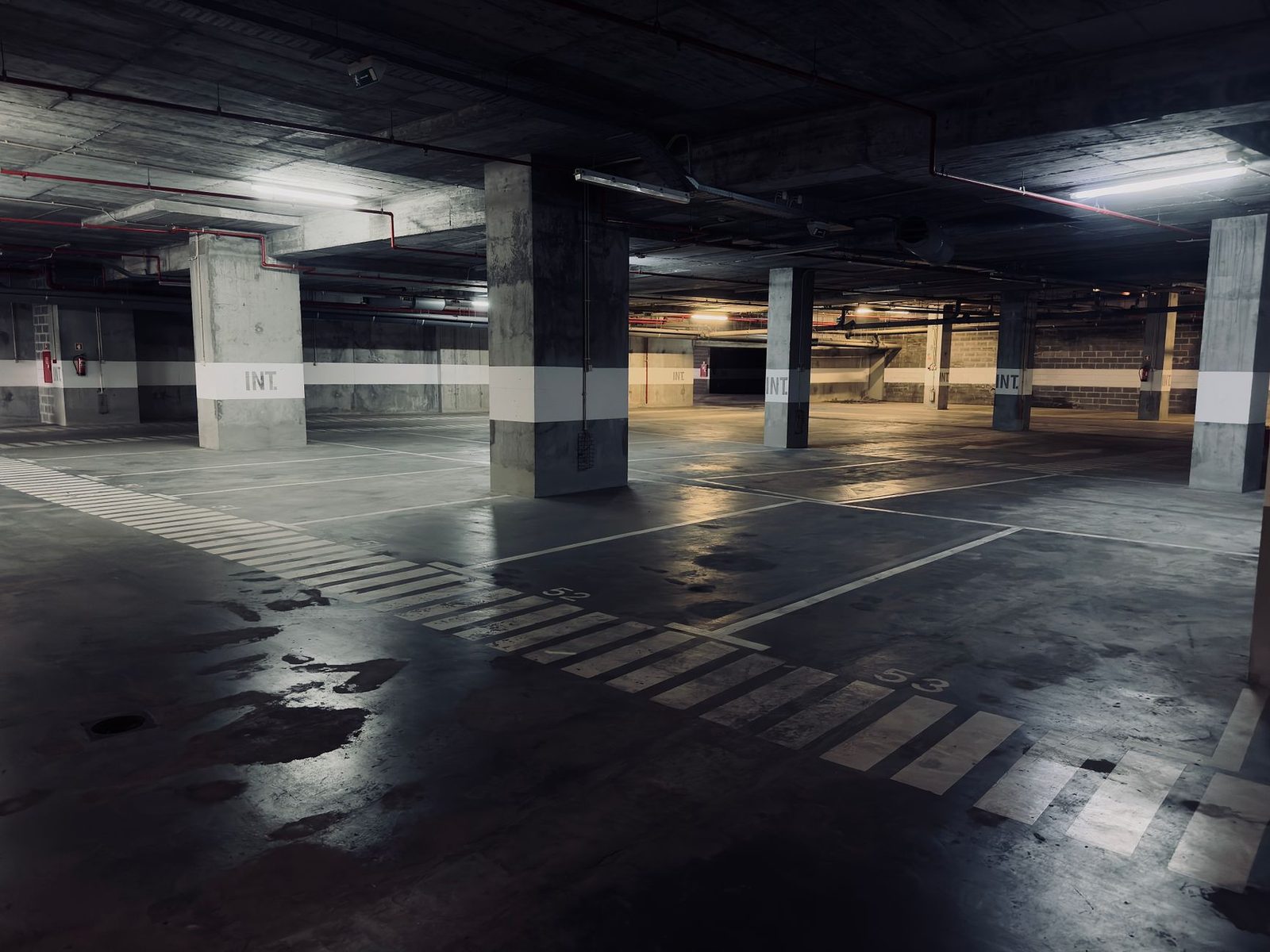
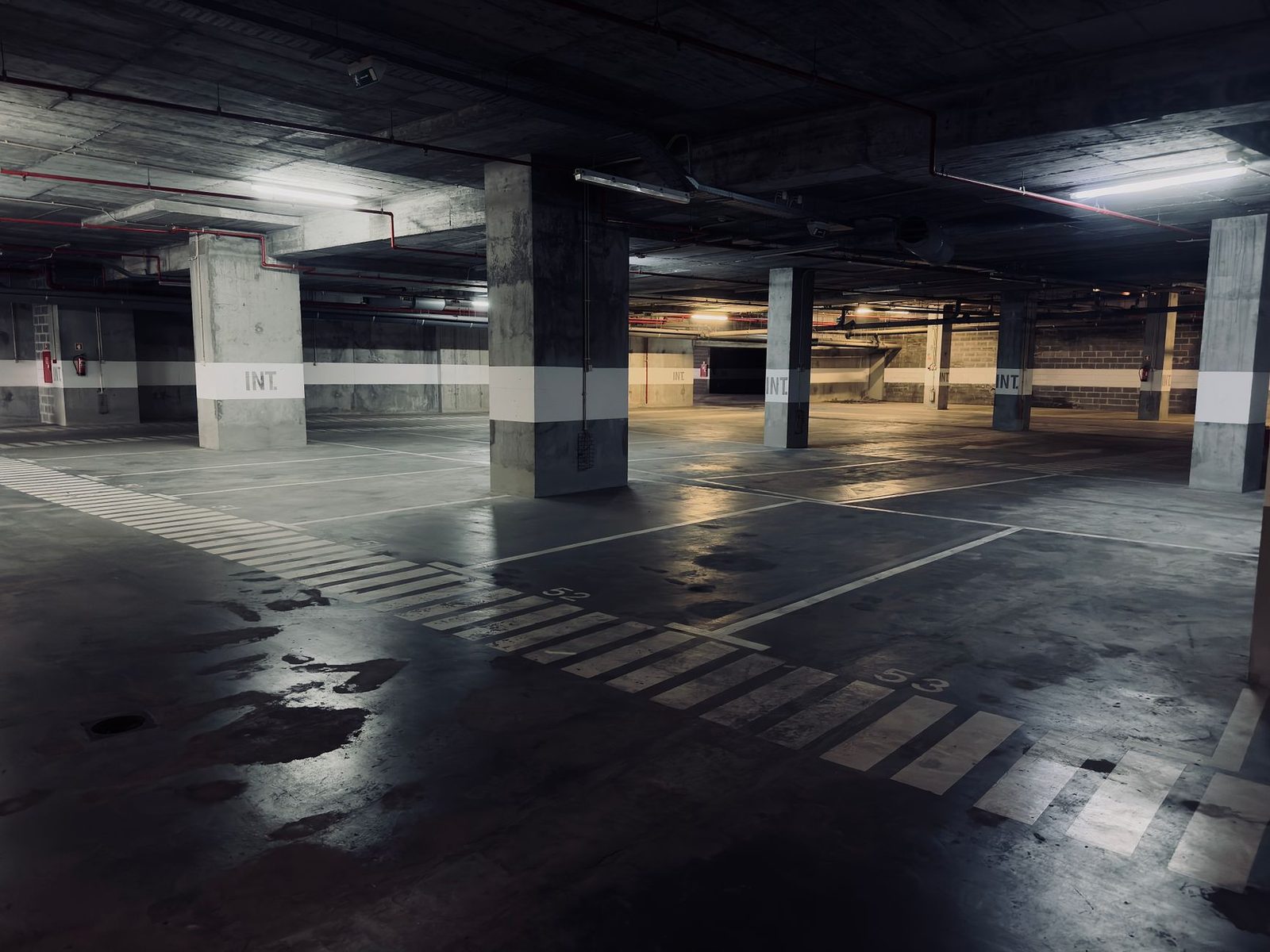
Parking Lot Incident A pedestrian is injured by a pothole or uneven pavement the property owner failed to repair or warn about. Parking areas must be reasonably safe.
Hotel or Motel Injury A guest slips in a bathroom without grab bars or falls due to inadequate maintenance. Hospitality businesses have a duty to maintain guest safety.
Office Building Accident An employee or visitor is injured by a defective condition like a broken door, loose railing, or exposed hazard. Employers and building owners must maintain safe workplaces.
Nursing Home Injury A resident is harmed due to inadequate supervision, poor maintenance, or unsafe conditions. Nursing homes are subject to strict federal care standards under Centers for Medicare & Medicaid Services (CMS) oversight, and must maintain safe environments for vulnerable residents.
Dog Bite on Property A visitor is bitten by a dog on the owner’s property when the owner knew the dog had a history of aggression. The owner failed to warn or restrain the animal.
What Makes a Premises Liability Case Valid in Georgia?
To establish a valid premises liability claim, you must prove four key elements:
1. Duty of Care The property owner or occupant owed you a duty of care. In most cases, this is straightforward—property owners owe a duty to visitors, tenants, and customers.
2. Breach of Duty The owner breached that duty by failing to maintain safe conditions, failing to inspect the property regularly, or failing to warn of known hazards. Georgia law requires property owners to conduct reasonable inspections and address hazards promptly.
3. Direct Causation Your injury was directly caused by the owner’s breach. The unsafe condition—not something else—caused your fall, injury, or harm.
4. Actual Damages You suffered real damages: medical bills, lost wages, pain and suffering, reduced quality of life, or other measurable losses. You must have documented evidence of your injury and treatment.
Additionally, you must show that the property owner knew or reasonably should have known about the dangerous condition. This is where maintenance records, prior complaints, incident reports, and inspection logs become important.
Not sure what your next step is?
Talk it through with our team — the first consultation is free, confidential, and carries no obligation.
What Conditions Typically Lead to Premises Liability Claims?
Property owners are expected to address or warn about these common hazards:
- Wet or slippery surfaces without warning signs or prompt cleanup
- Broken, missing, or inadequate handrails or guardrails
- Poor lighting in hallways, stairwells, parking areas, or entryways
- Uneven flooring, cracked pavement, or trip hazards left unrepaired
- Unsecured or improperly stored merchandise or equipment
- Broken locks, non-functioning security systems, or lack of adequate security measures
- Inadequate supervision or staffing that allows dangerous conditions to persist
- Failure to warn visitors of known hazards
How Do You Prove a Premises Liability Case?
Proof typically requires several types of evidence:
Documentation Photos of the hazardous condition taken soon after your injury, maintenance records, incident reports filed by the property, and inspection logs showing what the owner knew.
Witness Statements Accounts from people who saw the condition before your injury or who witnessed your fall. Their statements help establish that the hazard was obvious and persisted.
Medical Records Evidence of your injuries and all treatment received. Medical documentation links your injury directly to the incident.
Property Owner Knowledge Maintenance logs, prior complaints from other visitors or tenants, or inspection records proving the owner knew or should have known about the hazard.
Expert Testimony Sometimes an expert is needed to establish that the condition was unreasonably dangerous or that the property owner failed to meet industry safety standards.
Timeline Evidence showing how long the hazard existed before your injury. A hazard that persisted for weeks or months is stronger evidence of negligence than one that appeared moments before.
Is Your Situation a Premises Liability Case?
You may have a premises liability claim if:
- You were injured on someone else’s property—a business, rental, apartment, public space, or other location
- The injury resulted from an unsafe condition: something broken, wet, poorly lit, unsecured, or inadequately maintained
- The property owner or manager should have known about the hazard or should have discovered it through reasonable inspection
- You have medical records documenting your injury and treatment
- You’re trying to understand whether you have a valid claim and what your options are
Frequently Asked Questions
What is the difference between premises liability and general negligence?
Premises liability is a specific type of negligence focused on unsafe property conditions. General negligence can apply to any situation where someone’s carelessness causes injury. Premises liability requires proof that a property owner failed in their duty to maintain safe conditions.
Can a property owner be liable if I was trespassing?
Property owners owe trespassers a lower duty of care than they owe customers or tenants. However, they still cannot intentionally harm a trespasser or set traps. If a trespasser is injured by a willfully dangerous condition, liability may still apply.
How long do I have to file a premises liability claim in Georgia?
Georgia has a two-year statute of limitations for personal injury claims. You must file a lawsuit within two years of your injury, or you lose the right to pursue compensation.
What damages can I recover?
You may recover medical expenses, lost wages, pain and suffering, permanent disability or disfigurement, and other losses directly caused by your injury. The amount depends on the severity of your injury and the strength of your evidence.
If you’ve been hurt on someone else’s property—whether it was a slip and fall, a fall from a defective condition, a dog bite, an injury due to inadequate security, or harm at a nursing home—and you believe the property owner’s negligence caused your injury, we encourage you to reach out. People in your situation contact us regularly to discuss what happened and explore whether they have a valid claim. We’re here to listen and help you understand your options.
Common Premises Liability Scenarios
Slip and Fall
Wet floors, broken stairs, poor lighting, or unrepaired hazards that cause you to fall and suffer injury. Property owners must address dangerous conditions or warn visitors.
Negligent Security
Inadequate locks, broken cameras, insufficient lighting, or lack of security personnel that allows a criminal assault or robbery to occur on the property.
Unsafe Conditions
Crumbling pavement, falling objects, exposed wiring, unsecured furniture, or other structural or maintenance failures that injure a visitor or customer.
Nursing Home Abuse
Neglect, mistreatment, or failure to provide proper care or supervision in a residential care facility, resulting in physical or emotional harm.
Key Point: Duty of Care
Property owners and managers owe a duty to keep their premises reasonably safe. This includes inspecting for hazards, repairing known dangers, and warning visitors of risks. When they fail to do so and someone is injured as a result, that failure may form the basis of a premises liability claim.
Why Choose Slam Dunk Attorney for Your Premises Liability Claim
Focused on Your Recovery
We listen to your story, understand how the injury has affected your life, and work to build a strong case on your behalf.
Thorough Investigation
We gather evidence, review property records, interview witnesses, and consult experts to establish how the property owner's negligence caused your harm.
Clear Communication
We explain your options in plain language, keep you informed at every step, and answer your questions honestly.
Serving Metro Atlanta and Georgia
Based in Duluth, we represent injured people throughout the Atlanta area and across Georgia in premises liability matters.
What Happens in a Premises Liability Case
Free Consultation
You tell us what happened. We listen, ask questions, and explain whether you may have a claim and what your next steps could be.
Investigation & Evidence
We obtain photos, incident reports, maintenance records, and witness statements to document the unsafe condition and the property owner's negligence.
Negotiation or Trial
We pursue a fair settlement on your behalf. If the property owner's insurance will not offer reasonable compensation, we are prepared to take your case to trial.
About Legal Fees
We work on a contingency basis: no fees unless there is a recovery. You may still owe case costs such as filing fees, expert witness fees, and investigation expenses. We will discuss all costs with you upfront.
Ready to Discuss Your Premises Liability Claim?
Related practice areas
- Premises Liability Lawyer in Georgia: Injured on Someone Else’s Property