
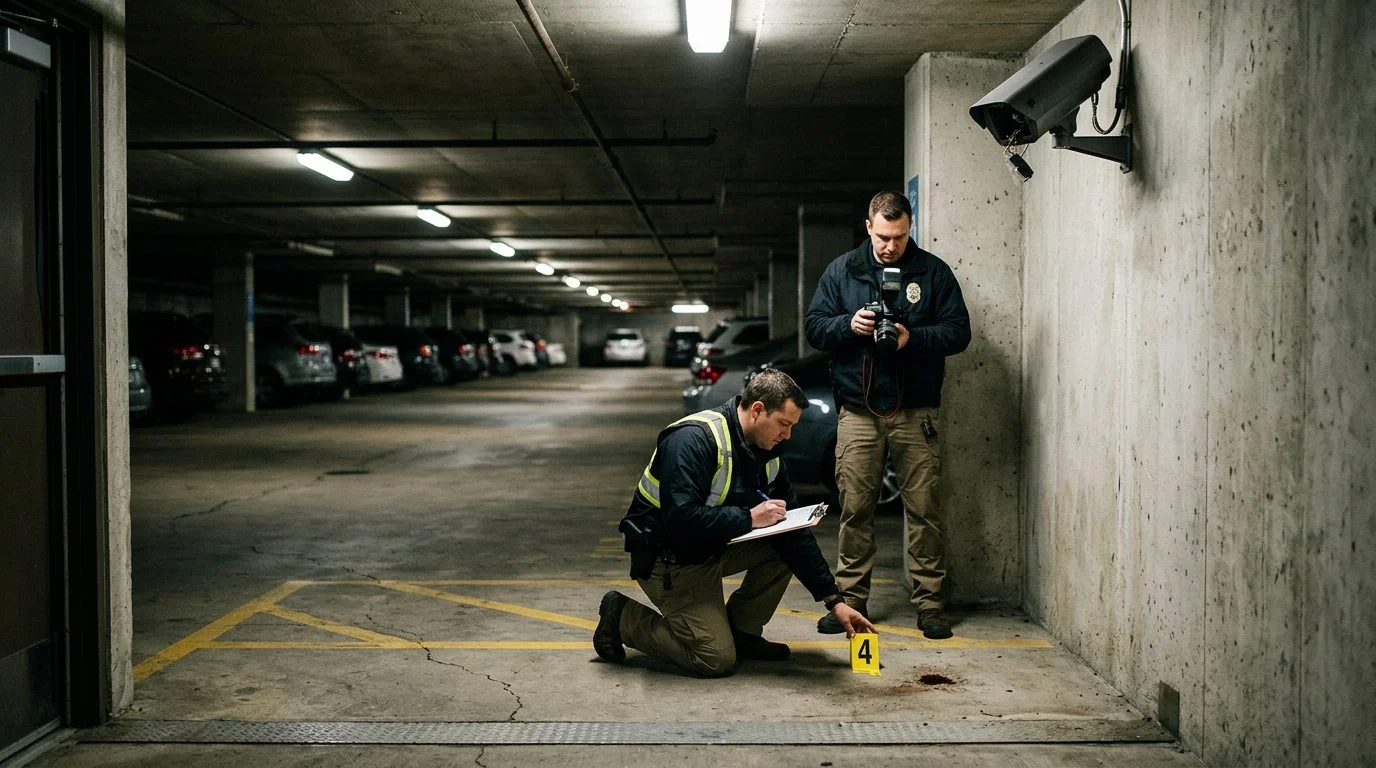
Hurt on Someone Else's Property? Start With a Free Conversation
Slam Dunk Attorney, based in Duluth, Georgia, represents people injured by unsafe property conditions across metro Atlanta and Georgia. Your first consultation is free, confidential, and carries no obligation to continue.
By Peter F. Jaraysi · Published October 16, 2026
Premises liability is the area of personal injury law that deals with injuries caused by unsafe conditions on property. In Georgia, whether a property owner may be responsible depends on the facts, including why you were there and what the owner knew or should have known. This guide explains the general rules for readers searching for premises liability 30339 information. It is general information, not legal advice about your own case.
What Premises Liability Means in Georgia
Premises liability is a branch of personal injury law. It usually covers injuries from a condition on a property, such as a wet floor, a broken step, or a pothole in a parking lot. Some claims also involve harm caused by a third person’s crime, which we cover later in this guide.
Georgia law starts with a basic duty. Under O.C.G.A. § 51-3-1 (Holston v. Aboebarensi, Inc. (2026)), an owner or occupier who invites or leads others onto the premises for a lawful purpose may be liable for injuries caused by a failure to use ordinary care in keeping the premises and approaches safe. What ordinary care means in a given case depends on the facts.
Your status on the property also matters. Lawyers often describe visitors as invitees, licensees, or trespassers. Georgia law treats these groups differently. Under O.C.G.A. § 51-3-2, a licensee generally is someone who goes on the property for their own interests, and the owner is generally liable to a licensee only for willful or wanton injury. Whether a claim exists depends on the facts of each case.
If you were hurt while walking across a property you don't own, our team can talk through your situation in a free, confidential initial consultation with no obligation to continue. Talk it through with our team — the first consultation is free, confidential, and carries no obligation.
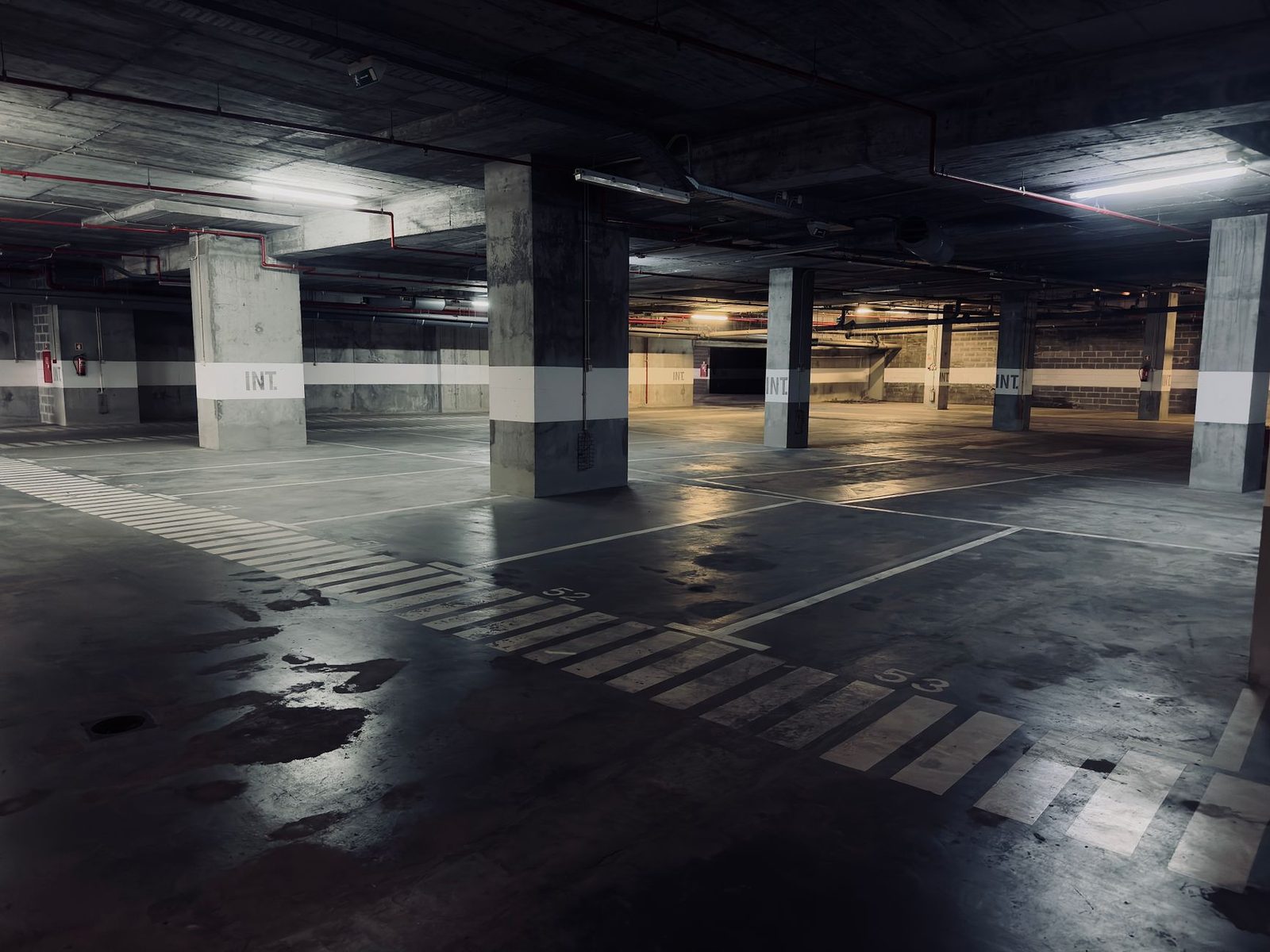
Who May Be Responsible for an Injury on Private Property
Responsibility may fall on more than one party. Depending on the facts, it could involve an owner, a tenant or other occupier, a property management company, or a contractor working in the area where you were hurt.
Control is often the central question. Lease terms, maintenance contracts, and who created or knew about a hazard may all be relevant. These answers depend on the facts of each case.
Being hurt on a property does not automatically make anyone responsible. An injured person still has to show the elements of their claim. Peter F. Jaraysi can review the details with you in a free, confidential consultation.
Common Hazards on Private Property
Possible hazards that may be relevant include wet or uneven floors, damaged steps or walkways, potholes or cracked pavement, poor lighting, loose handrails, and debris on walking paths. These are possible hazards, not proof of what caused any particular injury.
Negligent security is another category. It involves harm from a third person’s wrongful conduct, such as an assault, on premises where the owner may have failed to address a foreseeable risk. The legal requirements that may apply to these claims depend on the facts of each case, and Peter F. Jaraysi can discuss how they may apply to yours in a free, confidential consultation. Whether any element is met depends on the facts.
Picture a pedestrian crossing a retail parking lot at night. The pedestrian trips on a cracked curb that is hard to see. This is only an illustration. Whether anyone was responsible would depend on who controlled the lot, what they knew, and what care they took.
How Notice and Reasonable Care Are Usually Examined
Courts and the parties often ask whether the owner knew about the condition or should have known about it. Actual knowledge means the owner knew of the condition. Constructive knowledge means the owner should have known, for example because the condition existed long enough that a reasonable inspection would likely have found it. How these ideas apply depends on the facts and the specific rules involved.
A person bringing a claim generally must show the elements of negligence. Maintenance logs, incident reports, and similar records may document a property’s condition and upkeep. Whether they bear on any question depends on the facts. They do not decide a claim by themselves.
No outcome can be promised. Every case depends on its own facts.
Comparative Fault and How Georgia Law May Apply
Georgia uses an apportionment approach to fault. Under O.C.G.A. § 51-12-33 (Quynn v. Hulsey, 310 Ga. 473 (2020)), the damages award may be reduced in proportion to the injured person’s percentage of fault, depending on the facts of the case. The same statute says a plaintiff who is 50 percent or more responsible for the injury or damages claimed is not entitled to receive damages.
This rule depends on the facts, and exceptions may apply. The statute also says the fact-finder (the jury or judge deciding the case) considers the fault of all persons who contributed to the injury. That can include people who were never named in a lawsuit.
Insurers and courts may raise fault questions. How they do so depends on the facts of your case. Talk with a lawyer about how comparative fault may apply to your situation (O.C.G.A. § 51-12-33; Quynn v. Hulsey, 310 Ga. 473 (2020)).
Time Limits and Notice Rules for Premises Claims
Georgia generally allows two years to file a lawsuit for injuries to a person (O.C.G.A. § 9-3-33; Cameron v. JMP Pizza, Inc. (2026)). Under O.C.G.A. § 9-3-33, this period generally applies, subject to exceptions that may apply depending on the facts of your case. Other rules may apply, so whether a deadline applies to your situation depends on the facts.
Claims against a city may follow different steps. Under O.C.G.A. § 36-33-5, depending on the facts of your situation and subject to possible exceptions, a written claim generally must be presented to the city’s governing authority within six months of the event. Whether this applies depends on who owns the property and other facts. Review it with a lawyer about your own situation.
Not sure what your next step is?
Talk it through with our team — the first consultation is free, confidential, and carries no obligation.
Talk With Peter F. Jaraysi About Your Situation
If you were hurt on property you were walking across, you may have questions about who was responsible. Peter F. Jaraysi is the responsible lawyer for this page. The practice is based in Duluth, Georgia, and support staff help with intake.
Can a tenant be responsible instead of the owner? It may be, depending on who controlled the area and what the lease says. The answer depends on the facts.
Is a slip and fall the same as premises liability? A slip and fall is one kind of premises claim. Premises liability is the broader area covering injuries from unsafe conditions on property.
How long do I have to file? Georgia generally allows two years for injury claims under O.C.G.A. § 9-3-33, but exceptions may apply. Talk with a lawyer about your own deadline.
If you were hurt while walking across a property you don’t own, our team can talk through your situation in a free, confidential initial consultation with no obligation to continue. For more background, see our premises liability in Georgia guide.
This page is general information, not legal advice. Outcomes depend on the facts of each case, and no result can be promised.
Conditions That May Be Relevant to a Premises Claim
Wet or Uneven Floors
Spills, poor drainage, torn carpeting, or cracked walkways are examples of conditions that may be relevant to a slip, trip, or fall. Whether they matter legally depends on the facts.
Stairs and Walkways
Missing handrails, broken steps, and poor lighting are possible hazards in stairwells, parking areas, and entryways. Responsibility depends on the property and the circumstances.
Inadequate Security
In some situations, injuries caused by criminal acts on property may involve questions about security measures. These cases are fact-specific and are reviewed individually.
Animals on Property
Dog bites and other animal incidents on a property may raise premises questions in addition to other legal issues. Each situation depends on who controlled the property and the animal.
How Our Team Can Help
Plain-Language Answers
We explain general premises liability concepts in clear terms so you can understand your options before making decisions.
Confidential Consultation
Your first consultation is free, confidential, and carries no obligation to continue. You can share your situation without commitment.
Support Staff Assistance
Our office staff help coordinate scheduling and communication, while Peter F. Jaraysi is the lawyer responsible for the firm's matters.
Written Fee Agreement
Fee terms are explained in a written fee agreement. Please review it carefully and ask questions before you sign.
Important: General Information Only
This page is not legal advice about your own situation. Whether a property owner may be responsible depends on the facts, and exceptions may apply under Georgia law. Please consult a lawyer about your own case.
Talk With Peter F.
Related practice areas
- Premises Liability Lawyer in Georgia: Injured on Someone Else’s Property
- Hotel Premises Liability
- Hit and Run in Georgia: What Happens After a Crash?