
Premises Liability | Serving Metro Atlanta and Georgia
Hurt on Someone Else's Property? Talk With Slam Dunk Attorney.
Premises liability questions depend on the facts of each case. Our Duluth, Georgia firm can explain how these claims generally work and what your options may be, starting with a free consultation.
Why Start the Conversation With Us
Plain-Language Answers
We explain Georgia premises liability concepts in everyday terms so you can make informed decisions about your situation.
Based in Duluth, Serving Metro Atlanta
Slam Dunk Attorney is based in Duluth, Georgia, and represents people across metro Atlanta and the rest of the state.
Free Consultation
Contact us to discuss your situation. There is no obligation, and we will review the details of your matter with you.
Respectful, Patient Guidance
We understand that an injury can be stressful and disruptive. We aim to listen carefully and answer your questions clearly.
By Peter F. Jaraysi · Published October 13, 2026
If you’re looking for a premises liability attorney Atlanta GA residents can talk with, this guide explains how these claims generally work in Georgia. Premises liability is a claim that may arise when someone is hurt by a dangerous condition on property they were lawfully visiting. Whether a claim exists depends on the facts of each case. Slam Dunk Attorney is based in Duluth, Georgia, and represents people across metro Atlanta and the rest of the state. Read on to understand the basics before you decide what to do next.
What Premises Liability Means and Who It May Apply To
Premises liability covers injuries that happen on someone else’s property, such as a store, apartment complex, restaurant, parking lot, or office building. The person who owns, occupies, or controls the property may be a responsible party.
Georgia’s negligent security statute defines “owner or occupier” broadly. It can include anyone who owns, leases, operates, maintains, or manages real property, plus their employees and agents, as described in O.C.G.A. § 51-3-50, though how that definition applies depends on the facts of each case. Who is responsible depends on the facts. A claim can involve more than one party.
A central question is whether the property’s condition, or how the property was kept, may have played a role in the injury. Getting hurt on a property does not, by itself, answer that question.
This guide is written for two groups. The first is the injured person. The second is a family member or friend researching for someone who was hurt. Whether a claim exists depends on the facts of your situation, so talk with a lawyer about your own case.
Situations This Practice Covers in Atlanta and Across Georgia
This practice generally covers three kinds of property incidents:
- Slip and fall or trip and fall. A wet floor, uneven surface, broken stair, poor lighting, or missing warning sign may be a hazard relevant to a claim.
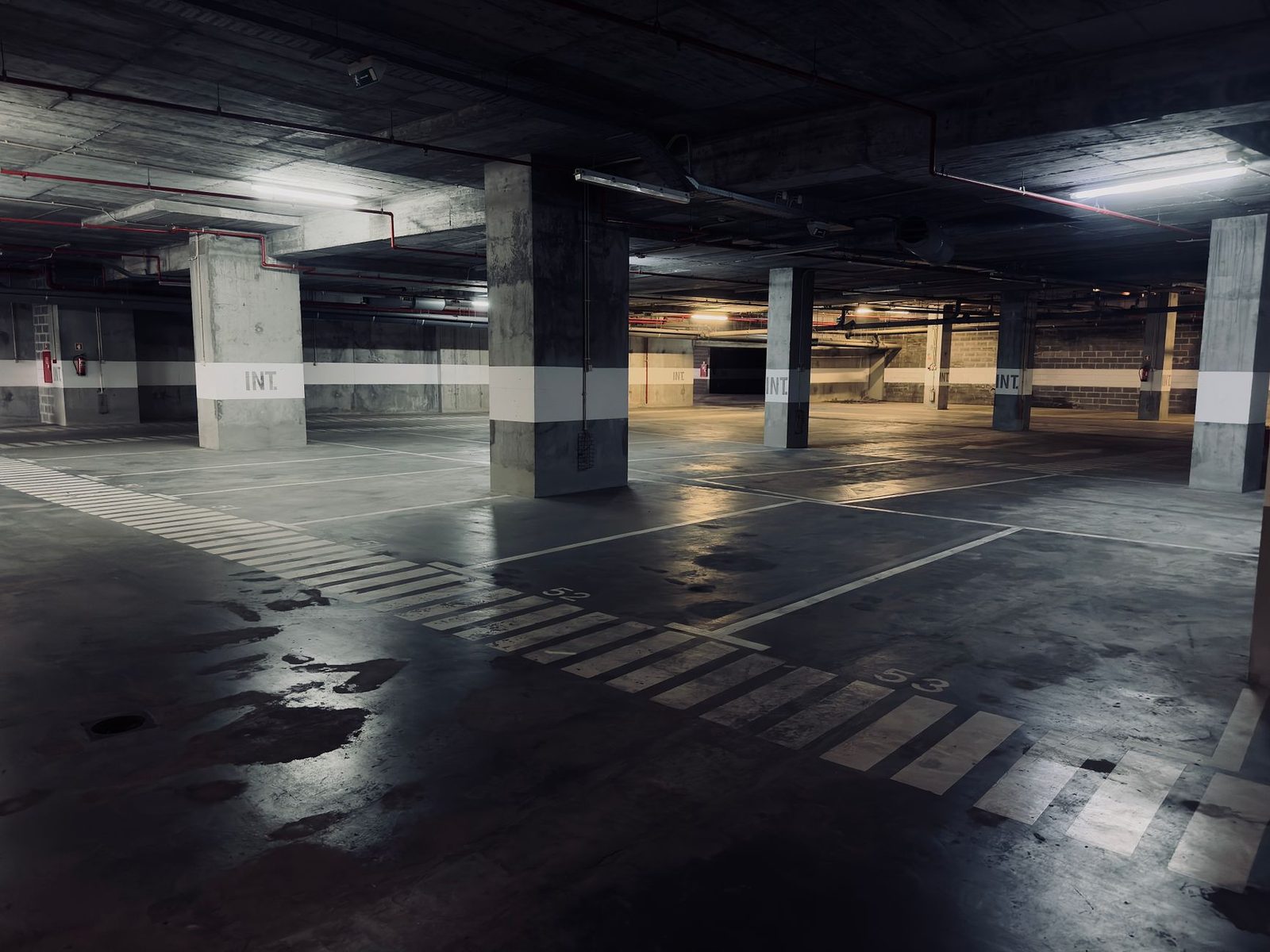
- Negligent security. An assault or other crime on a property may lead to a claim if the facts show the wrongful conduct was reasonably foreseeable.
- Unsafe property conditions. Defective handrails, falling objects, or poorly maintained structures may be relevant hazards.
Claims involving car, truck, motorcycle, pedestrian, dog bite, nursing home, or wrongful death matters work differently. The firm handles those areas too, but this guide covers only property-based claims.
The firm is based in Duluth, Georgia. It represents people in metro Atlanta and across Georgia, including Lawrenceville, Johns Creek, Alpharetta, Marietta, Norcross, Kennesaw, and Dunwoody.
How Georgia Law Approaches a Property Owner’s Duty to Visitors
Under Georgia law, an owner or occupier generally must use ordinary care to keep premises and approaches safe for people invited onto them.
The main rule comes from O.C.G.A. § 51-3-1, which generally applies depending on the facts of each case and may be subject to exceptions. It says an owner who invites or leads others onto the property for a lawful purpose may be liable for injuries caused by a failure to use ordinary care. How that rule applies depends on the facts.
Why a person was on the property can matter. Georgia law draws distinctions based on a visitor’s reason for being there. Those distinctions can change which rules apply, and exceptions may exist.
Whether the owner knew, or should have known, about a hazard may also be an important question. The answer depends on the facts of each case.
Georgia also uses a modified comparative fault rule, which is a shared-fault rule (O.C.G.A. § 51-12-33; Quynn v. Hulsey, 310 Ga. 473 (2020)). O.C.G.A. § 51-12-33 generally allows an award to be lowered in proportion to the injured person’s share of fault, depending on the facts of the case. Subsection (g) says a plaintiff who is 50 percent or more responsible may not receive damages. Exceptions may apply, so consult a lawyer about your own facts.
Are Premises Liability Cases Hard to Win?
Whether a premises liability case is hard depends on the facts. No result can be promised, and this page does not predict how any matter will turn out.
A lawyer reviewing a case may look at questions like these:
- Where the hazard was, and how it came to be there
- What the property owner knew or should have known
- What the injured person was doing at the time
- What records, photos, and witnesses are available
These questions depend on the facts. They are not predictions. Answering them does not tell you how a claim will end.
Negligent security cases add another layer. O.C.G.A. § 51-3-51 generally lists several elements an injured invitee is required to show, and how they apply depends on the facts of each case. One is that the third person’s wrongful conduct was reasonably foreseeable. The statute ties foreseeability to a particularized warning, or to prior, substantially similar wrongful conduct that the owner actually knew about. That conduct may have occurred on the premises, on adjoining property, or within 500 yards. O.C.G.A. § 51-3-54 sets out exceptions, and how these rules apply depends on the facts of each case.
Georgia law also does not require an owner to use extraordinary care against third-person crime. O.C.G.A. § 51-3-55 generally provides that a property owner does not have to take on the government’s law-enforcement duties, though how this applies depends on the facts of each case. Whether the standard was met depends on the facts.
What to Expect When You Contact a Premises Liability Lawyer
One way to start is a free consultation, where you describe what happened in your own words. The steps below describe how that conversation may unfold.
- Share the basics. Tell the lawyer the date, the location, what happened, and who was there. Describe your injuries and the care you have received.
- Review the facts and documents. Photos, incident reports, and medical records may be reviewed. Medical records document your care and the incident. They do not decide how a matter turns out.
- Talk through options. A lawyer can explain possible next steps. Whether representation may be appropriate depends on the facts.
- Read the written fee agreement. If you choose to move forward, the written fee agreement sets out fee terms. You may still be responsible for court costs and case expenses. Review that agreement closely before you sign.
Timelines vary. They depend on the facts, the parties involved, and court schedules.
Why Readers Contact Slam Dunk Attorney
Slam Dunk Attorney is based in Duluth, Georgia. It serves as a premises liability attorney Atlanta GA residents can reach for a free consultation.
The firm handles car, truck, and motorcycle accidents, pedestrian accidents, dog bites, premises liability, slip and fall, negligent security, nursing home abuse, and wrongful death matters.
This guide is a plain-language explanation. It does not list case results, and it does not compare the firm with other lawyers. A free consultation gives you a chance to talk about your own facts and ask questions.
Disclaimer: This page is general information, not legal advice, and it does not create an attorney-client relationship. Slam Dunk Attorney, based in Duluth, Georgia, is responsible for this content. Contact details are on our contact page.
Premises Liability Questions Readers Ask
Here are short answers to common questions. Each one depends on the facts of your situation.
Is there a deadline for a premises liability claim in Georgia? Georgia’s general time limit for many injury claims is two years under O.C.G.A. § 9-3-33 (Cameron v. JMP Pizza, Inc. (2026)), but exceptions may apply and the deadline depends on the facts, so talk with a lawyer about your own case. Exceptions exist, and the deadline depends on your facts, so talk with a lawyer about your own case.
What are some examples of premises liability cases? A grocery store spill, a broken apartment stairwell, or an assault in an unsecured parking lot are examples. Whether any of them supports a claim depends on the facts.
What should I do after a slip and fall? Get medical care for your injuries and keep records of that care. Write down what you remember, and talk with a lawyer about your options.
Can I still have a claim if I was partly at fault? Georgia’s comparative fault rule, found in O.C.G.A. § 51-12-33 (Quynn v. Hulsey, 310 Ga. 473 (2020)), can lower an award, and a person found to be 50 percent or more at fault generally may be barred from recovering; how the rule applies depends on the facts and exceptions may apply, so consult a lawyer about your own case. Exceptions may apply, so ask a lawyer how the rule fits your facts.
Do I have a claim? Whether you have a claim depends on the facts. A free consultation is a chance to talk through what happened.
If you were hurt on someone else’s property and are still sorting out what happened, we’d be glad to talk it through in a free consultation. Reach out through our contact page when you’re ready.
Please Note
This page is general information, not legal advice. No particular result can be promised, and whether a claim exists depends on the facts of your case. Attorney fees are explained in a written fee agreement: you may not pay attorney fees unless there is a recovery, but you may still be responsible for court costs and case expenses. Please consult a lawyer about your own situation. Responsible attorney: By Peter F. Jaraysi, Slam Dunk Attorney, Duluth, Georgia.
Conditions That May Be Relevant to a Premises Claim
Wet or Slippery Floors
Spills, recently mopped areas, or missing warning signs may be relevant to whether a hazard was present and whether it was addressed.
Uneven Walkways and Stairs
Cracked pavement, loose handrails, or poorly maintained steps are examples of conditions that may be reviewed when a fall occurs.
Inadequate Lighting
Dim parking areas, hallways, or entrances can make hazards harder to see. Whether lighting played a role depends on the facts.
Negligent Security
In some situations, inadequate locks, lighting, or security measures may be relevant when a visitor is harmed by a third party. Each situation is different.