
Premises Liability
Commercial Premises Liability: When Landlords and Tenants Are Responsible
Understand who bears the duty to maintain safe spaces—and what to do if you've been injured on commercial property in Georgia.
By Peter F. Jaraysi · Published September 26, 2026
Commercial Premises Liability: Tenant and Landlord Responsibilities in Georgia
When someone is injured in a commercial building, determining who bears legal responsibility depends on where the injury occurred and who controlled that area. In Georgia, premises liability law divides duties between landlords and tenants based on the principle that each party must exercise reasonable care over the areas they control—but landlords retain core obligations for common areas and building safety regardless of what a lease says.
If you've been injured in a commercial building and aren't sure who's responsible, people in your situation reach out to us regularly—we can help you understand your options. Talk it through with our team — the first consultation is free, confidential, and carries no obligation.
Understanding Commercial Premises Liability
Premises liability in commercial settings means that property owners and occupants have a legal duty to keep their premises reasonably safe and to warn of known dangers. In a commercial building, this duty isn’t held by just one person; it’s shared and divided based on control and responsibility.
Why this matters: when you’re injured in a commercial building, the answer to “who pays?” depends on whether the unsafe condition was in a common area (like a hallway or parking lot) or in a tenant’s leased space, and whether the responsible party knew or should have known about the hazard. Understanding this division helps you identify who may be liable for your injury and what evidence matters most to your claim.
Georgia’s approach to commercial property liability reflects a practical rule: the party in control of an area has the primary duty to maintain it safely. This is true even when a commercial lease tries to shift that responsibility. A lease agreement can allocate maintenance tasks between landlord and tenant, but it cannot eliminate a landlord’s fundamental duty to keep common areas safe or shield a landlord from liability for gross negligence or willful misconduct.
Landlord Responsibilities in Commercial Buildings
Landlords in Georgia retain primary responsibility for maintaining common areas and the structural integrity of the building, even when they lease space to tenants.
Common areas include hallways, stairwells, parking lots, entrances, restrooms, elevators, and lobbies. A landlord must inspect these areas regularly, repair hazards promptly, and keep them reasonably safe. If you slip on a wet floor in a common hallway and no “wet floor” sign was posted, or if a parking lot pothole goes unfixed for months, the landlord may be liable.
Building systems and structural integrity are the landlord’s responsibility. This includes the roof, electrical systems, plumbing, HVAC, fire suppression systems, and structural elements. If a ceiling tile falls and injures you, or if faulty wiring causes a fire, the landlord is typically liable because these systems affect the entire building.
Compliance with building codes and safety regulations is a landlord’s legal obligation. Georgia building codes, fire codes, and workplace safety standards establish baseline requirements for safe premises. A landlord who ignores these standards and someone is injured as a result may be held liable for negligence.
Disclosure of known hazards is a critical landlord duty. If a landlord knows about an unsafe condition—a loose railing, a dark stairwell, a history of break-ins—the landlord must warn tenants and their visitors. Failure to disclose a known hazard can make the landlord liable even if the hazard is in a leased space.
Negligent hiring or supervision of maintenance staff can also create landlord liability. If a landlord hires an unqualified or negligent maintenance worker, or fails to supervise them, and someone is injured as a result, the landlord may be responsible.
Security and prevention of foreseeable criminal acts may impose liability on a landlord. If criminal activity on the property was foreseeable (prior break-ins, assaults, or thefts) and the landlord failed to provide reasonable security or warn tenants, the landlord may be liable for injuries caused by that criminal act.
Tenant Responsibilities in Commercial Buildings
Tenants in commercial buildings are responsible for maintaining the space they lease and for injuries caused by their own negligence or the negligence of their employees.
A tenant must keep the leased space in a reasonably safe condition. This includes regular inspection, prompt repair of hazards, and maintenance of equipment and fixtures within the leased area. If a customer is injured because a tenant failed to maintain the space, the tenant is typically liable.
Tenants must also report hazards to the landlord promptly. If a tenant discovers a structural problem, a plumbing leak, or any condition that affects the building’s common areas or systems, the tenant has a duty to notify the landlord so it can be repaired.
A tenant is liable for injuries caused by the tenant’s own negligence or the negligence of the tenant’s employees. If a tenant’s employee causes an unsafe condition and someone is injured, the tenant bears responsibility. Similarly, if a tenant’s business practices create a hazard—for example, leaving merchandise on a walkway or failing to clean up a spill in a common area the tenant uses—the tenant is liable.
Tenants must also warn visitors of known dangers within their leased space. If a tenant knows about a hazard in the leased area, the tenant has a duty to warn customers or other visitors.
How Liability Is Divided: Common Scenarios
Injury in a common area. You slip and fall in a building hallway. The landlord is typically liable because the landlord controls and is responsible for maintaining common areas. The landlord should have inspected the area, identified the hazard (wet floor, debris, uneven surface), and either fixed it or warned of it.
Injury in a leased space due to tenant negligence. You visit a retail tenant’s store and are injured because merchandise was stacked unsafely or a spill wasn’t cleaned up. The tenant is typically liable because the tenant controls the leased space and failed to maintain it safely.
Injury from landlord’s failure to maintain despite lease terms. A commercial lease assigns certain maintenance duties to the tenant (for example, floor cleaning). However, if the landlord knew the tenant wasn’t performing those duties and the landlord failed to enforce the lease or repair the condition, the landlord may still be liable. A lease cannot eliminate the landlord’s duty to ensure the building remains reasonably safe.
Injury from a condition the landlord knew about but didn’t disclose. A landlord knows a stairwell is poorly lit but doesn’t warn tenants or their visitors. Someone is injured in that stairwell. The landlord is liable for failing to disclose a known hazard.
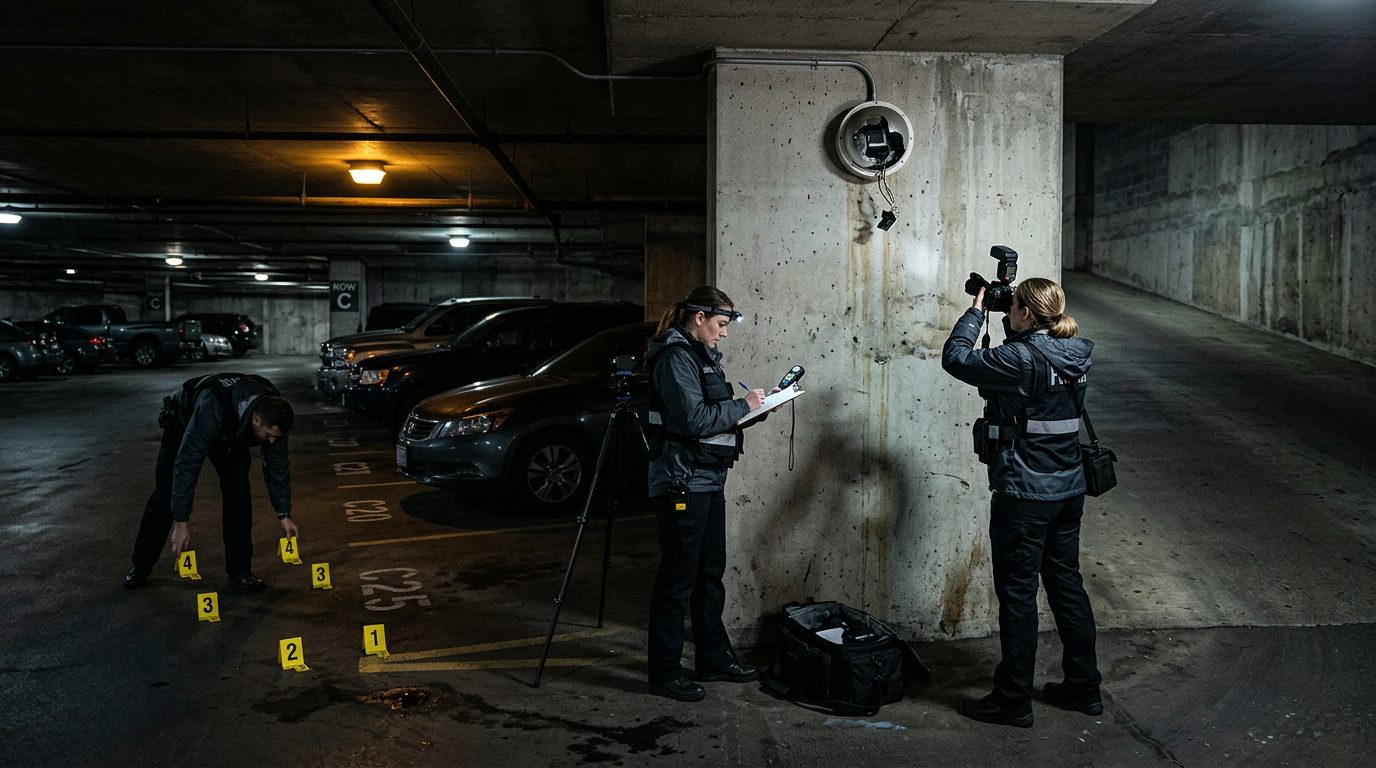
Injury from criminal activity or security failure. If criminal activity on the property was foreseeable and the landlord failed to provide reasonable security or warn of the risk, the landlord may be liable. For example, if there have been prior break-ins or assaults and the landlord installed no locks or security cameras, a landlord may bear responsibility for a subsequent crime.
Lease Agreements and Liability Allocation
Commercial leases often attempt to shift liability between landlord and tenant through specific clauses.
Indemnification clauses state that one party will “hold harmless” the other—meaning one party agrees to cover the other’s legal liability. For example, a lease might say the tenant will indemnify the landlord for any injury that occurs in the leased space. However, Georgia law does not permit a lease to eliminate a landlord’s liability for the landlord’s own negligence, particularly in common areas or for failure to maintain building systems.
Insurance requirements in a lease often specify that the tenant must carry liability insurance and name the landlord as an additional insured. This doesn’t eliminate the landlord’s liability; it simply ensures there’s a source of recovery. If both parties are at fault, their respective insurance may cover their portions of liability.
Maintenance responsibility clauses define who performs specific tasks—for example, the tenant cleans floors, the landlord maintains the roof. These clauses help organize responsibilities but don’t override Georgia law. A landlord remains liable for failing to maintain common areas and building systems, even if the lease assigns some tasks to the tenant.
Limits on what a lease can shift: Georgia law does not permit a lease to eliminate a landlord’s duty to maintain common areas, comply with building codes, or disclose known hazards. A lease also cannot shield a landlord from liability for gross negligence, willful misconduct, or reckless conduct. Courts will enforce reasonable lease terms that fairly allocate risk, but not terms that contradict fundamental premises liability duties.
Not sure what your next step is?
Talk it through with our team — the first consultation is free, confidential, and carries no obligation.
When Both Landlord and Tenant May Share Liability
Georgia applies comparative negligence principles, which means fault can be divided between multiple parties if both contributed to an unsafe condition.
Suppose a building hallway (a common area) has poor lighting (landlord’s responsibility), and a tenant has left boxes stacked in the hallway (tenant’s responsibility). Someone trips and is injured. Both the landlord and tenant may share liability because both contributed to the unsafe condition. A court or jury would assign a percentage of fault to each party based on the evidence.
In these situations, a plaintiff’s recovery may be reduced by their own percentage of fault. For example, if you were injured and you were 10% at fault for not paying attention, your recovery would be reduced by 10%, even if the landlord and tenant were 90% at fault combined.
What to Do If You’re Injured in a Commercial Building
If you’re injured in a commercial building, taking these steps immediately helps preserve your claim:
Document the condition. If it’s safe to do so, take photos or video of the hazard that caused your injury—the wet floor, the broken step, the debris, the poor lighting. Write down what you saw and when.
Report the incident. Tell the property manager, the tenant’s representative, or the building owner what happened. Ask for an incident report and keep a copy. This creates a record that the property was on notice of the hazard.
Gather witness information. Get names and contact information from anyone who saw the incident or the hazard. Witnesses are critical to proving what caused your injury.
Seek medical attention. Get evaluated by a doctor and keep all medical records, bills, and documentation of your injury and treatment.
Preserve evidence. Don’t clean up or remove the hazard if you can help it. The condition that caused your injury is evidence. If the property is cleaned or repaired immediately after your injury, that’s suspicious and may suggest the property owner was aware of the hazard.
Understand that determining liability requires investigation. You may not know immediately whether the landlord, the tenant, or both are responsible. An attorney can investigate the lease, the maintenance records, the property’s history, and the specific facts of your injury to identify who bears liability.
FAQ
Who is liable if I slip and fall in a commercial building hallway?
The landlord is typically liable for injuries in common areas like hallways because the landlord is responsible for maintaining those spaces and warning of hazards.
Can a landlord be held responsible for an injury in a tenant’s leased space?
Yes, if the landlord knew about a hazard in the leased space and failed to warn or disclose it, or if the landlord failed to maintain building systems that affect that space.
What is comparative negligence in commercial premises liability?
Comparative negligence means that fault can be divided between multiple parties if both contributed to an unsafe condition; your recovery may be reduced by your own percentage of fault.
Does a commercial lease determine who pays for an injury claim?
A lease can allocate maintenance responsibilities, but it cannot override Georgia law or eliminate a landlord’s duty to maintain common areas or disclose known hazards.
How long do I have to file a premises liability claim in Georgia?
Georgia law generally provides a two-year deadline to file a personal injury lawsuit. Consult an attorney promptly to ensure your claim is filed within the deadline.
If you’ve been injured in a commercial building and aren’t sure who’s responsible, people in your situation reach out to us regularly. We can help you understand whether a landlord, a tenant, or both may be liable for your injury. Contact us for a free case review—we serve people throughout metro Atlanta and Georgia.
Key Point
Liability in commercial premises cases often depends on who controlled the space where the injury occurred and whether they knew—or should have known—about the hazard. Both landlords and tenants can bear responsibility under Georgia law.
Landlord and Tenant Duties in Commercial Spaces
Landlord Responsibilities
Landlords typically maintain common areas (hallways, lobbies, parking lots, stairwells) and must warn of known hazards or defects. They are responsible for structural safety and upkeep of shared spaces, even if a tenant leases part of the building.
Tenant Responsibilities
Tenants are usually responsible for maintaining safety within their leased space and must warn customers and visitors of hazards they know about. Tenants may also be liable for injuries caused by their negligence or failure to maintain their area.
Overlapping Liability
In some cases, both landlord and tenant can be liable—for example, if a landlord failed to repair a defect in a common area that a tenant also had a duty to report or address.
Visitor Expectations
Property owners and occupants must maintain reasonably safe conditions for customers, clients, and other lawful visitors. This includes regular inspection, prompt repair of hazards, and clear warnings when dangers exist.
How We Help You Navigate Commercial Premises Liability Claims
Investigate Responsibility
We determine whether the landlord, tenant, or both failed to maintain safe conditions and whether they knew or should have known about the hazard that caused your injury.
Gather Evidence
We collect maintenance records, inspection reports, prior complaints, and incident documentation to establish negligence and build your claim.
Clear Communication
We explain your rights in plain language and keep you informed every step of the way, so you understand what happened and what comes next.
Focused Advocacy
We focus exclusively on holding negligent property owners and occupants accountable and pursuing fair compensation for your injuries and losses.