
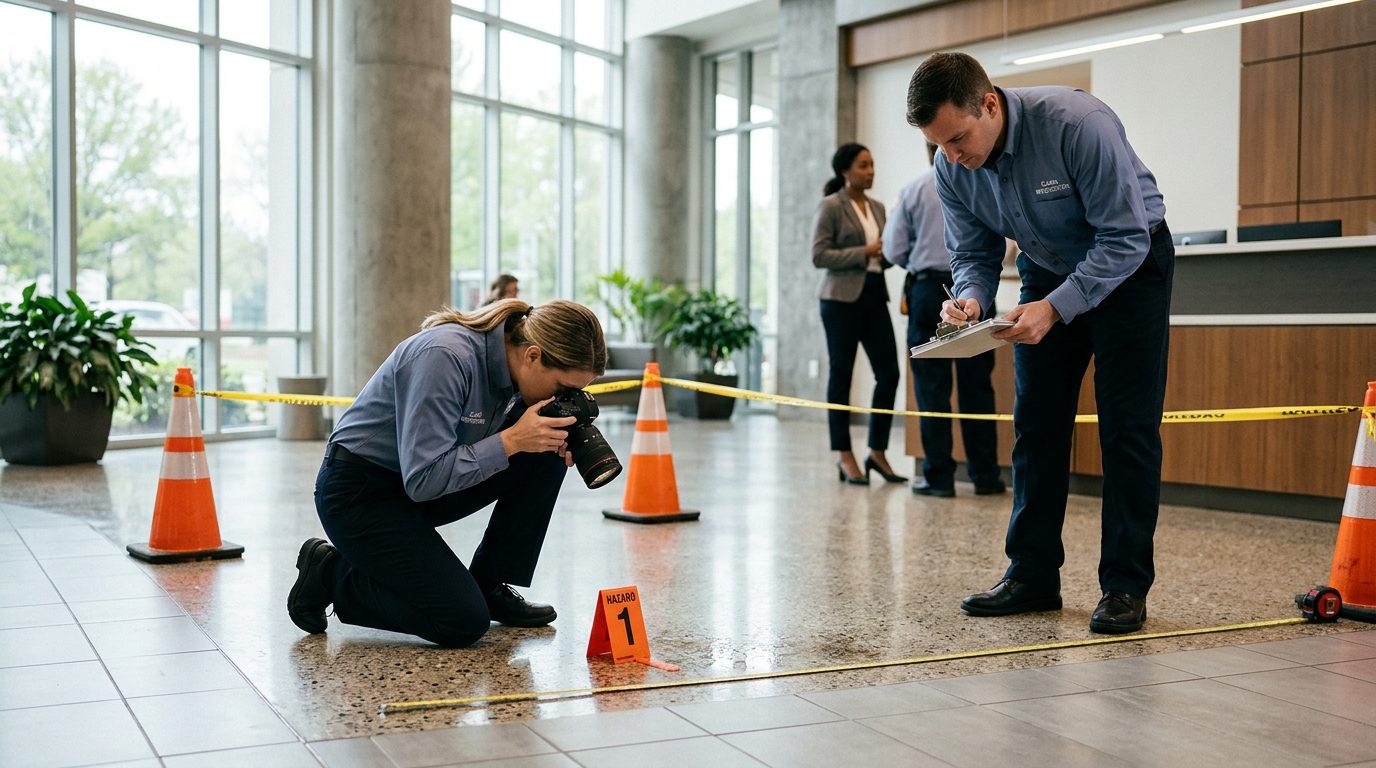
Premises Liability | Duluth, Georgia
Premises Liability Insurance: What the Term Means
Plain-language answers to a term that can mean two different things: a legal idea about property owners and the insurance coverage that may respond to it.
By Peter F. Jaraysi · Published October 16, 2026
Premises liability means a property owner or occupier may be legally responsible for injuries caused by unsafe conditions on the property. In insurance, the same phrase usually refers to the liability part of a policy that may pay those claims, subject to the policy’s terms. This guide explains both meanings in plain language for Georgia readers.
Short answer: two meanings of the term
Premises liability is a legal idea, and premises liability insurance is the coverage that may respond to it. “Premises” means land and buildings, including areas a visitor may reasonably be expected to use, such as a store aisle, a stairwell, or a shared apartment hallway.
The two meanings connect. The legal responsibility is the basis a claim is made under. The insurance policy is what may pay that claim, if the policy covers it. Policy language controls coverage, so the wording of the actual policy matters most.
People often hear this phrase after a fall, a dog bite, or another accident on someone else’s property. The term can sound technical. The core idea is simple: who controls a space, and what they may owe people who enter it. Both meanings come up in everyday life. A property manager may ask an insurer about coverage, while an injured visitor may ask a lawyer whether a claim exists.
If someone you care about was hurt on a property, you don't have to sort out the policy and the legal questions alone; our team at Slam Dunk Attorney can talk them through with you. Talk it through with our team — the first consultation is free, confidential, and carries no obligation.

The legal idea behind premises liability
Georgia law ties a property owner’s duty to the visitor’s legal status. The duty may differ for an invitee than for a licensee.
Under O.C.G.A. § 51-3-1 (Holston v. Aboebarensi, Inc. (2026)), an owner or occupier who invites people onto the premises for a lawful purpose may be liable for injuries caused by a failure to use ordinary care to keep the premises and approaches safe, and how this applies depends on the facts of each case.
A licensee is treated differently. Under O.C.G.A. § 51-3-2, a licensee is generally treated as neither a customer, servant, nor trespasser, and how this applies depends on the facts of each case. A licensee has no contract with the owner and goes on the property merely for their own interests, convenience, or gratification. Under the rules that generally apply to licensees, an owner’s liability may be limited to willful or wanton injury, but how that standard applies depends on the facts of each case, and exceptions may apply. Consult a lawyer about your own situation.
Whether any duty applies in a particular situation depends on the facts, including the visitor’s status and what the owner knew or should have known. Exceptions may apply, so talk with a lawyer about your own situation.
What premises liability insurance coverage typically addresses
Premises liability insurance is the liability part of a policy. It may pay claims made against the insured for injuries or property damage on covered property. Commercial general liability policies may include this coverage. Some homeowners and landlord policies may include premises-related protection too.
Policies usually have several parts. The insuring agreement describes what the insurer agrees to cover. Limits of liability set the most the policy may pay. A deductible is the amount the policyholder pays first. Policies may also include a duty to defend, and exclusions list situations the policy does not cover.
Coverage depends on the policy language, any endorsements, the declarations page, and who is named as the insured. Read the actual documents, not a summary.
Liability coverage pays claims made against the insured. It is different from a policy that pays the policyholder’s own medical bills. Coverage types vary, so the name of a policy alone doesn’t answer the question.
How premises liability differs from personal liability and other coverages
Personal liability coverage in a homeowners or renters policy may address certain injuries caused by the policyholder’s own actions. Premises liability focuses on the condition of the property. The difference is the source of the risk, not who gets hurt.
Auto liability, professional liability, and premises liability respond to different kinds of risk. One policy may not cover everything. A single incident may involve more than one policy, and each policy has its own limits and exclusions.
Which policy is relevant turns on how the incident happened and what each policy says. Ask for the full policy and read its definitions section first.
Examples of conditions that may be relevant to a premises claim
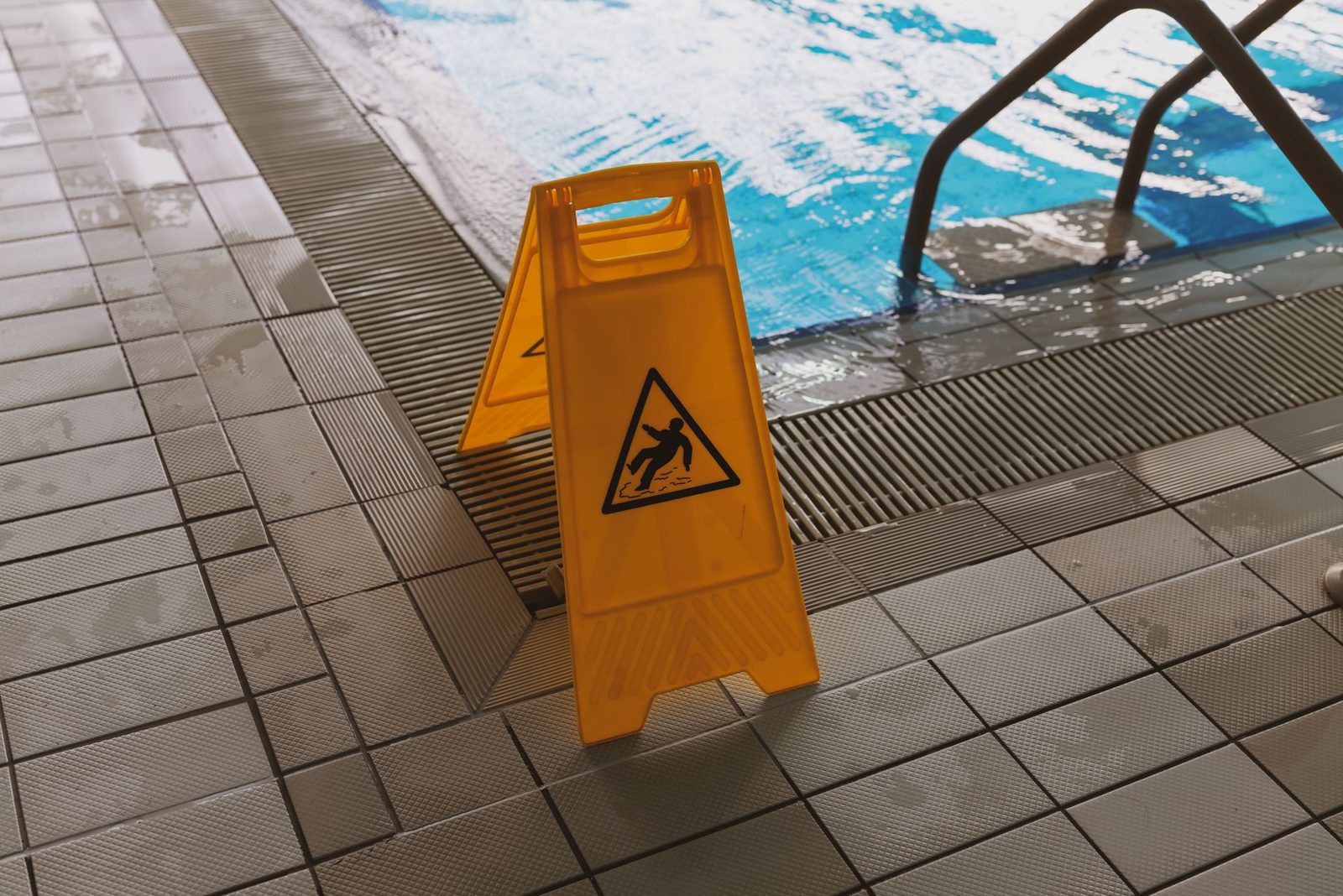
Possible hazards that may be relevant include wet or uneven floors, broken stairs or handrails, poor lighting, defective walkways, and poorly kept common areas. These are examples of conditions. They are not proof of fault, cause, or the value of any claim.
Negligent security is a related category. It involves harm from the wrongful acts of a third person on a property. Under O.C.G.A. § 51-3-51, an owner may be liable to an invitee only if the injured person proves listed elements, and how this applies depends on the facts of each case. These include that the third person’s conduct was reasonably foreseeable and that the owner’s failure to use ordinary care was a proximate cause of the injury. Under O.C.G.A. § 51-3-55, an owner generally is not required to exercise extraordinary care or to take on the responsibilities of government for law enforcement, and how this applies depends on the facts of each case.
Dog bites may also fall within this topic. Under O.C.G.A. § 51-2-7, a person who owns or keeps a vicious or dangerous animal may be liable for injuries caused by careless management or by letting the animal go at liberty, and how this applies depends on the facts of each case. The statute applies when the injured person did not provoke the injury.
Common defenses and concepts that may come up
Insurers and other parties may raise defenses. How any defense applies turns on the details of each case.
Fault can also be divided. Under O.C.G.A. § 51-12-33 (Quynn v. Hulsey, 310 Ga. 473 (2020)), a plaintiff’s damages may be reduced in proportion to the plaintiff’s percentage of fault, depending on the facts of the case and any exceptions that may apply. The same statute says a plaintiff may not receive damages if 50 percent or more responsible for the injury. Exceptions may apply, and the result turns on the facts. The statute also directs the fact-finder to consider the fault of all persons who contributed to the injury, whether or not they were named as parties.
Arguments about whether a hazard was visible or known may also come up. How those arguments apply in a specific claim is a question for a lawyer to review.
Not sure what your next step is?
Talk it through with our team — the first consultation is free, confidential, and carries no obligation.
Reading your policy and your records
Start with the declarations page. It typically lists the named insured, the policy period, and the limits. Then read the liability section, any endorsements that change it, and the exclusions.
Medical records document the care a person received. They describe treatment. They do not decide who is at fault or which coverage applies. Those are separate questions.
Georgia law sets time limits for filing injury lawsuits, and exceptions may apply. Because timing rules can vary, talk with a lawyer about deadlines for your own matter.
Write down questions as you read. Note which party is named as the insured and whether any endorsement changes the liability limits.
If someone you care about was hurt on someone else’s property
Maybe you’re reading this while worried about a family member, a friend, or a tenant who was hurt. Maybe a claim came up that you never expected to face. Either way, it’s a stressful place to start.
A fall, a dog bite, a security failure, or an unsafe condition can leave people with medical care, missed work, and hard decisions. Insurance terms can be hard to sort out on your own.
Slam Dunk Attorney is a personal injury practice in Duluth, Georgia. Peter F. Jaraysi is the responsible lawyer. Our team represents people hurt in car, truck, and motorcycle accidents, dog bites, unsafe properties, nursing home abuse, and wrongful death across metro Atlanta and Georgia. The firm offers a free first consultation, which is confidential and carries no obligation to continue.
Does premises liability insurance pay the injured person’s bills?
Liability coverage typically responds to claims made against the policyholder. Whether any payment applies depends on the policy language.
Are time limits for injury claims in Georgia fixed?
Georgia law sets filing deadlines, and exceptions may apply. Talk with a lawyer about the timing in your own situation.
Can a homeowners policy cover a fall on my porch?
It may, if the policy includes premises liability protection and the facts fit its terms. Read the declarations page and the exclusions.
If you have questions about a property injury, you can reach our team through the contact page for a free case review.
Disclaimer: This page is general information, not legal advice, and reading it does not create a lawyer-client relationship. Peter F. Jaraysi is the responsible lawyer for Slam Dunk Attorney in Duluth, Georgia. Contact information is on our contact page. Outcomes cannot be promised.
Key points to understand
Two meanings of one phrase
Premises liability is a legal concept. Premises liability insurance is the policy coverage that may pay claims based on that concept. Knowing which meaning applies helps you ask the right questions.
Coverage depends on the policy
Limits, exclusions, and conditions vary from policy to policy. What a particular policy covers depends on its exact language and the facts of the situation.
Liability is fact-dependent
Whether a property owner or occupier may be legally responsible depends on the facts of each case. Exceptions may apply, so the outcome cannot be predicted from general information.
General information, not legal advice
This guide explains terms in general terms. It does not apply the law to your situation. A lawyer can review your facts and documents.
Review your own documents with a lawyer
How a policy applies to your injury, and whether any legal claim exists, depends on your specific policy and the facts of your situation. Reading the general meaning of a term is not a substitute for reviewing your documents with a lawyer.
Questions readers often ask
Is premises liability the same as insurance?
No. Premises liability describes a legal idea about responsibility for unsafe property conditions. Premises liability insurance describes coverage that may respond to claims under that idea.
Where do I find my policy's terms?
Policy terms are usually found in the policy document itself, including the declarations page, coverage sections, and endorsements. Your insurer can also explain what the documents say.
Does coverage always apply?
Not necessarily. Whether coverage applies depends on the policy, its limits, its exclusions, and the facts involved. Exceptions may apply, so review with a lawyer is recommended.
Who can help me understand my options?
Slam Dunk Attorney, based in Duluth, Georgia, offers a free, confidential first consultation with no obligation to continue. Peter F. Jaraysi and our team can discuss your questions.