
Premises Liability | Georgia
Injured on Someone Else's Property? Here's What to Do Next
A clear roadmap for documenting your injury, protecting your claim, and getting the support you need.
By Peter F. Jaraysi · Published October 01, 2026
What to Do After a Premises Liability Injury in Georgia
If you’ve been injured on someone else’s property in Georgia—whether at a business, apartment complex, or private home—the actions you take in the first hours and days can significantly affect your ability to recover compensation. Start by prioritizing your safety and medical needs, then systematically document everything while evidence and memories are fresh. This guide walks you through the essential steps to protect your claim.
If you're sorting through what happened after an injury on someone else's property, you don't have to figure out the next steps alone—reach out to discuss your situation. Talk it through with our team — the first consultation is free, confidential, and carries no obligation.
Immediate Steps at the Scene
Your first priority after a premises liability injury is your safety and health. If you’re in immediate danger or experiencing severe symptoms, remove yourself from the hazard and seek emergency medical care right away.
Once you’re safe, report the incident to the property owner, manager, or staff member on duty. Tell them exactly what happened and where. Ask them to file an incident report and request a copy for your records—don’t leave without it.
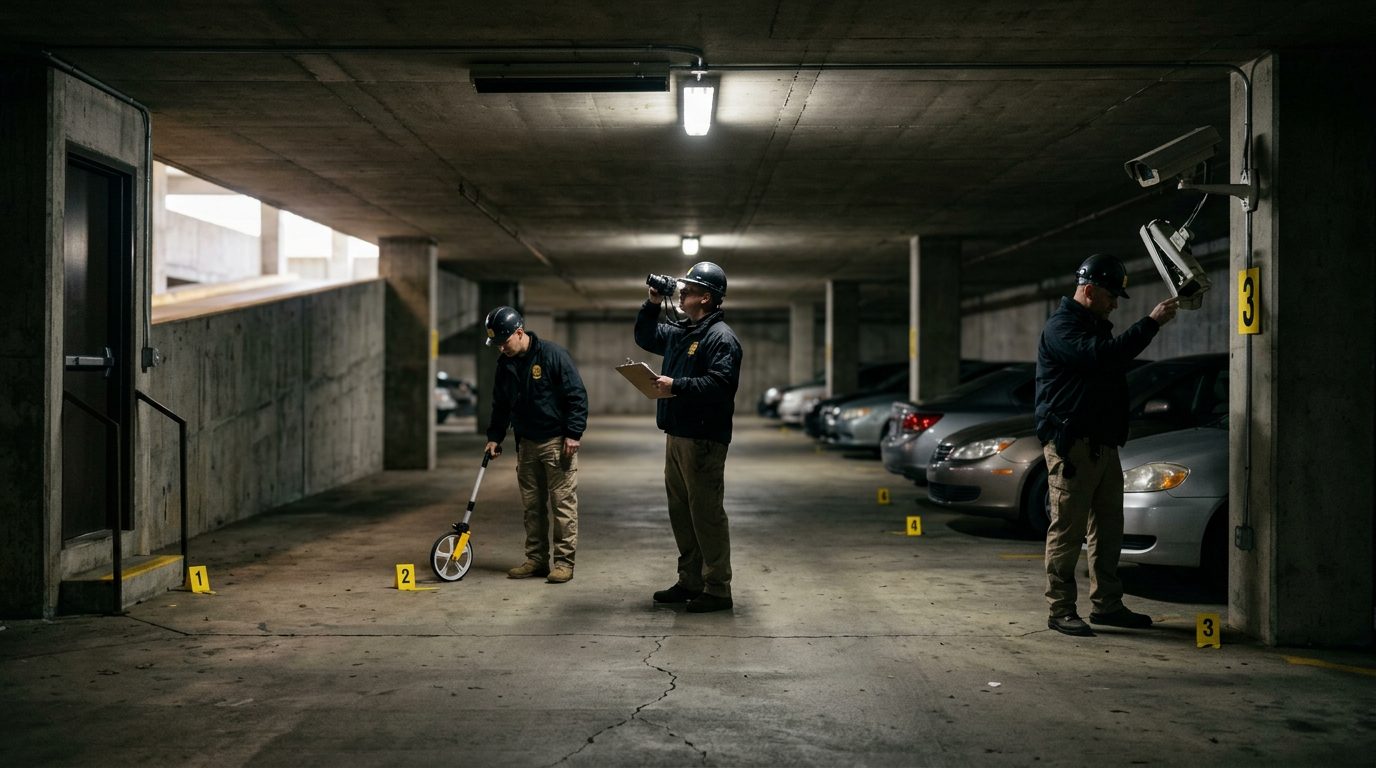
Photograph and video-record the hazardous condition from multiple angles. Capture the exact spot where you fell or were injured, the surrounding area, your visible injuries, and any relevant details like weather, lighting, or debris. Take notes of the date, time, and conditions. These images may disappear if the property owner repairs or cleans the area, so document everything now.
Identify anyone who witnessed the incident. Ask for their full name, phone number, email, and address. Witness memories fade quickly, and their availability may change. Write down what each person saw while they’re still present.
Do not sign any waivers, releases, or agreements at the scene. Politely decline to give a recorded statement to anyone other than emergency responders if needed.
Seek Medical Attention
Get evaluated by a healthcare provider as soon as possible, even if your injuries seem minor. Some injuries—like internal bleeding, concussions, or soft-tissue damage—aren’t always obvious immediately. A medical record created on the day of injury establishes the connection between the premises hazard and your injuries, which is essential to your claim.
Keep every medical receipt, bill, and record. Follow all treatment recommendations and attend every follow-up appointment. Document how your injuries affect your daily activities, work, and quality of life. This information becomes part of your damages claim.
Document Everything in Writing
Write a detailed account of what happened while the memory is fresh. Include the exact location, what caused the hazard, what you were doing when injured, and the sequence of events. Note the date and time, weather conditions, and how many people were present.
Record any prior complaints or warnings you’re aware of regarding the hazard. For example, if you heard other customers mention a broken step or slippery floor before your injury, note that.
Keep a journal of your pain levels, recovery progress, mobility limitations, and how the injury affects your work and personal life. This contemporaneous record is powerful evidence of your damages.
Save all receipts and expenses related to the injury: medical care, medications, transportation to appointments, and any items you had to replace or repair. Preserve text messages, emails, photos, and other communications about the incident.
Preserve Evidence
Do not clean, repair, or alter the area where you were injured. The hazardous condition itself is critical evidence. If possible, keep the clothing and shoes you wore during the incident—they may show dirt, tears, or other marks relevant to your claim.
If any object was involved (a broken step, a spilled substance, a defective handrail), preserve it if you can do so safely.
Request surveillance footage from the property. Businesses often have security cameras that recorded the incident. Ask the property owner or manager in writing (email or certified letter) to preserve any video footage. Document the date and time of your request.
Ask about maintenance records for the area where you were injured. Property owners typically maintain logs of inspections, repairs, and cleaning. These records may show whether the owner knew about the hazard or failed to inspect the premises.
Notify the Property Owner or Business
Send a written notice to the property owner or business describing the incident and your injuries. Include the date, time, exact location, and how the injury occurred. Use email or certified mail so you have proof of delivery. Keep a copy.
Write factually without admitting fault or apologizing in a way that suggests you caused the injury. For example: “On [date] at [time], I was injured at [location] when I fell on a wet floor with no warning sign. I have sought medical treatment and incurred the following expenses…” Do not speculate about why the hazard existed or make legal arguments.
Avoid detailed conversations with the property owner about your injuries or the incident. Anything you say can be used against you later.
Not sure what your next step is?
Talk it through with our team — the first consultation is free, confidential, and carries no obligation.
Understand Georgia’s Premises Liability Rules
Property owners in Georgia have a legal duty of care to maintain their premises in a reasonably safe condition. The scope of that duty depends on your visitor status.
Invitees are customers, guests, or people invited onto the property for business purposes. Property owners owe invitees the highest duty of care: to inspect the premises regularly, discover hazards, and either fix them or warn visitors.
Licensees are people permitted to be on the property but not for the owner’s business benefit (like a social guest). Owners must warn licensees of known hazards but don’t have to inspect as thoroughly.
Trespassers have limited legal protections. Property owners generally don’t owe trespassers a duty of care, though they can’t intentionally harm them.
Georgia follows comparative fault rules, meaning your recovery may be reduced if you’re found partially at fault. For example, if you were texting and didn’t notice a clearly visible hazard, your award might be reduced. This makes documentation of the hazard’s condition and visibility crucial.
The property owner’s knowledge of the hazard matters legally. They may be liable if they actually knew about it or should have known through reasonable inspection. Maintenance records and prior complaints help prove this.
How Long Does It Take to Settle a Premises Liability Case?
Settlement timelines vary widely. Simple cases with clear liability and minor injuries may settle within a few months. Cases involving serious injuries, disputed facts, or multiple defendants can take one to three years or longer.
Your medical treatment must be substantially complete before settlement discussions typically begin. Insurance companies want to know the full extent of your injuries and costs. Settling too early often means accepting less than you’re entitled to.
An experienced attorney can manage negotiations and keep the process moving while protecting your interests.
What Not to Do
Don’t post about the incident on social media. Insurance companies monitor social media. Photos, comments, or updates about your injury can be twisted to suggest your injuries aren’t as serious as you claim or to contradict your account of what happened.
Don’t accept a settlement offer without understanding its full terms. Settlements are usually final. Once you sign, you typically can’t pursue additional claims for that injury.
Don’t give a recorded statement to the property owner’s insurance company without legal advice. Insurance adjusters are trained to gather information that protects their company, not you. An attorney can advise you on what to say and how to protect yourself.
Don’t delay seeking medical care or legal guidance. Injuries can worsen, and evidence can disappear. Early action protects your health and your claim.
Don’t discuss the incident in detail with anyone except your attorney. Casual conversations can be repeated and misinterpreted.
When to Contact an Attorney
Reach out to an attorney as soon as possible after your injury. Evidence can disappear, memories fade, and witnesses become harder to locate. An early consultation helps you understand your rights and the strength of your claim without obligation.
A lawyer can help you navigate communications with insurance companies, preserve critical evidence, investigate the scene, and identify liable parties. Legal representation protects you during a vulnerable time when you’re focused on recovery, not legal strategy.
Frequently Asked Questions
What if I was partially at fault for my fall?
Georgia’s comparative fault rule means you can still recover even if you were partially responsible, though your award is reduced by your percentage of fault. Thorough documentation of the hazard’s condition and visibility helps establish the property owner’s share of responsibility.
How long do I have to file a premises liability claim in Georgia?
Georgia has a two-year statute of limitations for personal injury claims. You must file a lawsuit within two years of your injury or lose the right to sue. Don’t wait—contact an attorney early.
Should I accept the property owner’s insurance offer?
Not without understanding the full terms and having legal advice. Initial offers are often lower than what you’re entitled to. An attorney can evaluate whether an offer is fair and negotiate on your behalf.
What if the property owner denies the hazard existed?
Your photographs, witness statements, and medical records establish what happened. Maintenance records and prior complaints can also prove the hazard existed. This is why immediate documentation is so important.
Do I need an attorney for a premises liability claim?
You’re not required to hire one, but an attorney protects your interests, handles complex negotiations, and ensures you don’t miss deadlines or make statements that hurt your claim. Many people find legal representation invaluable, especially in cases involving serious injuries.
If you’re in the early days after an injury on someone else’s property and trying to figure out what comes next, you’re not alone—people in this situation reach out regularly. We’re here to answer your questions and help you understand whether you have a claim worth pursuing. Contact us for a free case review to discuss what happened and explore your options.
Immediate Steps After Your Injury
Prioritize Your Health
Seek medical attention right away, even if your injury seems minor. A medical record establishes both the injury and the date it occurred—critical facts for any claim.
Document the Scene
If you're able, take photos or video of the hazard, the surrounding area, lighting, and any warning signs (or lack thereof). Note the date, time, and weather conditions.
Report the Incident
Tell the property owner, manager, or staff about your injury and how it happened. Ask that they file an incident report and request a copy for your records.
Gather Witness Information
Get names and contact details from anyone who saw the incident or the hazardous condition. Their account can strengthen your claim.
Don't Delay—Time Matters
Georgia law sets a deadline for filing a premises liability claim. The sooner you document details and consult an attorney, the better your chances of preserving evidence and protecting your rights.
What Property Owners Owe You
A Safe Environment
Property owners must maintain their premises in a reasonably safe condition and warn visitors of known hazards. This includes fixing dangerous conditions, removing obstacles, and maintaining adequate lighting.
Reasonable Inspections
Owners should regularly inspect their property for hazards. If a dangerous condition exists for a long time without being addressed, they may be held responsible for injuries it causes.
Clear Communication
If a hazard cannot be immediately fixed, the owner must warn visitors through signs, barriers, or other clear notice so people can avoid the danger.
Why You Need Legal Guidance
Protect Your Claim
Property owners and their insurers often minimize or deny liability. An attorney ensures your rights are protected and evidence is properly preserved.
Navigate Complex Rules
Georgia premises liability law involves comparative fault, notice requirements, and strict deadlines. We handle the legal complexity so you can focus on recovery.
Handle Communications
Insurance companies may contact you early. We manage all negotiations and communications to prevent statements that could hurt your claim.
Build a Strong Case
We investigate the incident, gather evidence, consult experts if needed, and develop a clear picture of how the property owner's negligence caused your injury.
Common Premises Liability Scenarios
Slip and Fall
Wet floors, spilled liquids, debris, or uneven surfaces in stores, restaurants, or other businesses. The owner's failure to clean, repair, or warn of the hazard may create liability.
Unsafe Property Conditions
Broken stairs, missing handrails, poor maintenance, or structural defects in rental properties, commercial buildings, or public spaces that cause injury.
Negligent Security
Inadequate lighting, broken locks, lack of security personnel, or failure to warn of known dangers that allow crime or assault to occur on the property.
Dog Bites
Injuries from a dog on the owner's property, or when the owner knew the dog was dangerous and failed to prevent the attack or warn visitors.
Ready to Discuss Your Injury?
Related practice areas
- Premises Liability Lawyer in Georgia: Injured on Someone Else’s Property
- Premises Liability in Atlanta
- Premises Liability in Lawrenceville
- Premises Liability in Johns Creek