
Premises Liability | Duluth, Georgia | Metro Atlanta
Hurt on Someone Else's Property? Get Clear Answers Before You Decide Your Next Step
Slam Dunk Attorney represents people injured by dangerous conditions in homes, businesses, apartments, and short-term rentals across metro Atlanta and Georgia. Your first consultation is free, confidential, and comes with no obligation to continue.
By Peter F. Jaraysi · Published October 20, 2026
If you were hurt on property you did not own, a premises liability law firm Atlanta GA residents can contact may help you understand your options. This guide explains how these claims work, what Georgia courts look at, and what to do first after a fall or injury.
What Premises Liability Means in Atlanta and Georgia
Premises liability is a claim for injuries caused by a dangerous condition on someone else’s property. Under O.C.G.A. § 51-3-1, an owner or occupier who invites or leads people onto its premises for a lawful purpose is liable for injuries caused by its failure to use ordinary care in keeping the premises and approaches safe.
A shopper in a store or a guest in an apartment building is typically a person the owner invited onto the property. That is the kind of visitor this rule protects. Owners and occupiers can include businesses, landlords, property managers and private homeowners.
Who controls the space matters. Under O.C.G.A. § 44-7-14, a landlord that has fully parted with possession and the right of possession is generally not responsible to third persons for damages resulting from the negligence or illegal use of the premises by the tenant. It remains responsible for defective construction and for failing to keep the premises in repair. For a broader overview, read our premises liability guide.
Hurt in a fall at a store, apartment or rental? Contact our team for a free case review, and we'll look at whether you may have a claim. Talk it through with our team — the first consultation is free, confidential, and carries no obligation.
Common Premises Incidents Our Team Handles
Most premises cases start with a fall, an assault or an injury at a rental. Our team handles matters like these:
- Slip and fall or trip and fall in stores, restaurants, parking lots and apartment common areas.
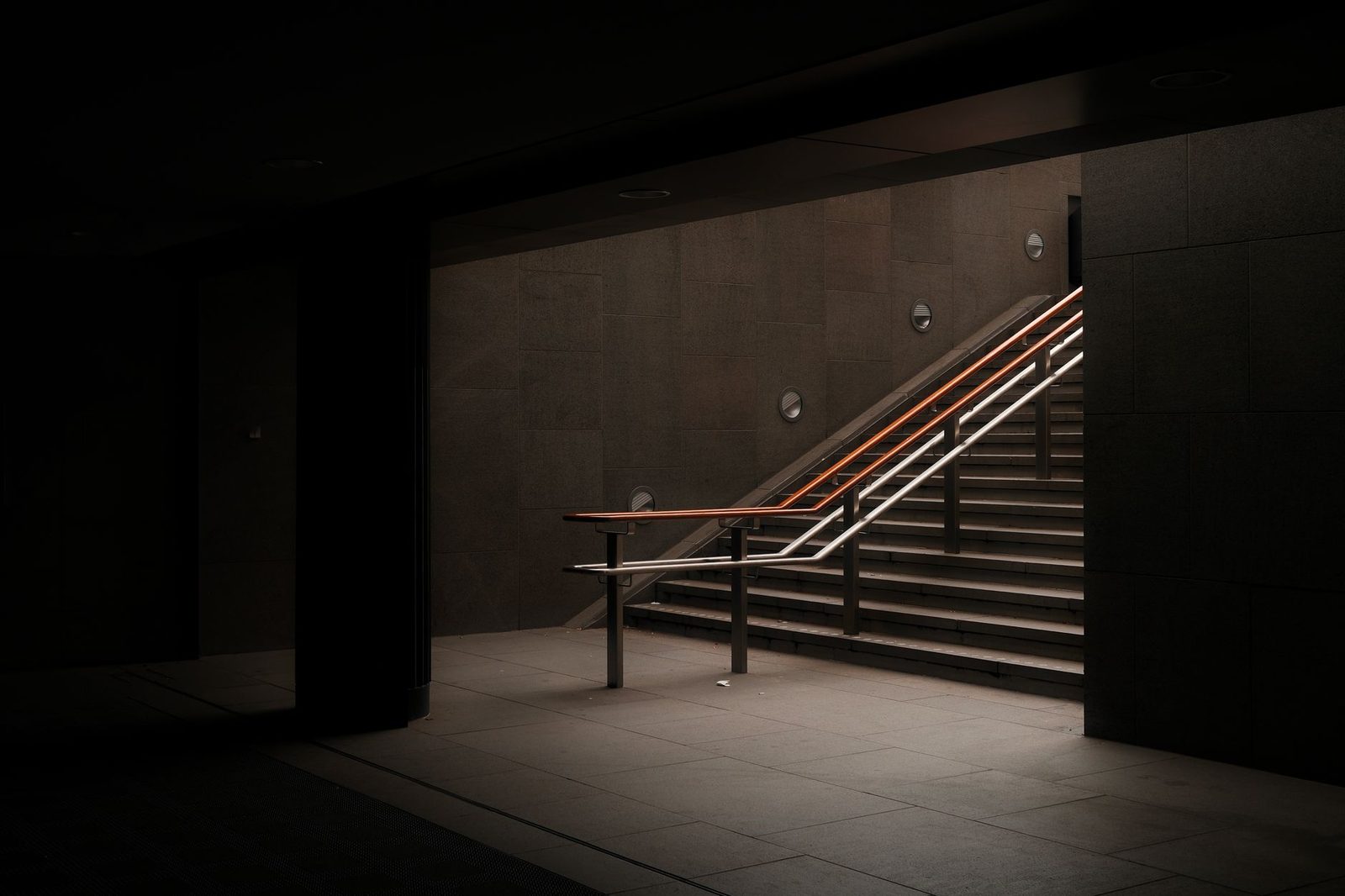
- Injuries from stairs, broken handrails, cracked walkways and hazards that were not marked.
- Negligent security, such as an assault in a poorly lit or unguarded property.
- Injuries at short-term and vacation rentals, including Airbnb and VRBO properties.
- Dog bites on another person’s property, where control of the animal is at issue.
Negligent security follows different rules. Under O.C.G.A. § 51-3-51, an injured invitee must prove several elements, including that the third person’s wrongful conduct was reasonably foreseeable, that it was a reasonably foreseeable consequence of the third person exploiting a specific physical condition of the premises known to the owner or occupier, which created a reasonably foreseeable risk of wrongful conduct on the premises substantially greater than the general risk of wrongful conduct in the vicinity, that the owner or occupier failed to exercise ordinary care to remedy or mitigate that condition, and that this failure was a proximate cause of the injury. Under O.C.G.A. § 51-3-51, prior substantially similar incidents on the property, or within 500 yards of it, of which the owner or occupier had actual knowledge can show that the wrongful conduct was reasonably foreseeable.
Animal injuries have their own rule. Under O.C.G.A. § 51-2-7, an owner or keeper of a vicious or dangerous animal who causes injury through careless management or by allowing the animal to go at liberty may be liable, if the injured person does not provoke the injury by his own act.
How Georgia Courts Evaluate a Property Owner’s Responsibility
Time matters. A spill that sat on a floor for an hour may point to different knowledge than one that appeared seconds before a fall. Cleaning logs, staff checks and warning signs can all help show what the owner should have known.
The injured person’s own actions also count. Under O.C.G.A. § 51-12-33, damages are reduced in proportion to the plaintiff’s percentage of fault. Under subsection (g), a plaintiff who is 50 percent or more responsible for the injury is not entitled to receive any damages. When several parties share fault, each liable person pays its own apportioned share, not a joint amount.
How these rules apply to your incident turns on its details.
Injuries and Losses That May Be Part of a Claim
Premises falls and attacks can cause fractures, head injuries, back and spine injuries, and soft-tissue injuries. Some injuries are catastrophic, including spinal cord injury, paralysis, amputation and severe burns. These injuries often bring long recovery periods and large medical needs.
Under O.C.G.A. § 51-12-2, general damages are those the law presumes to flow from a wrongful act. Special damages actually flow from the act and must be proved. Medical bills and lost wages are examples of losses that need records to support them.
Keep every bill and letter you receive about the injury.
Preserving Evidence Before It Disappears
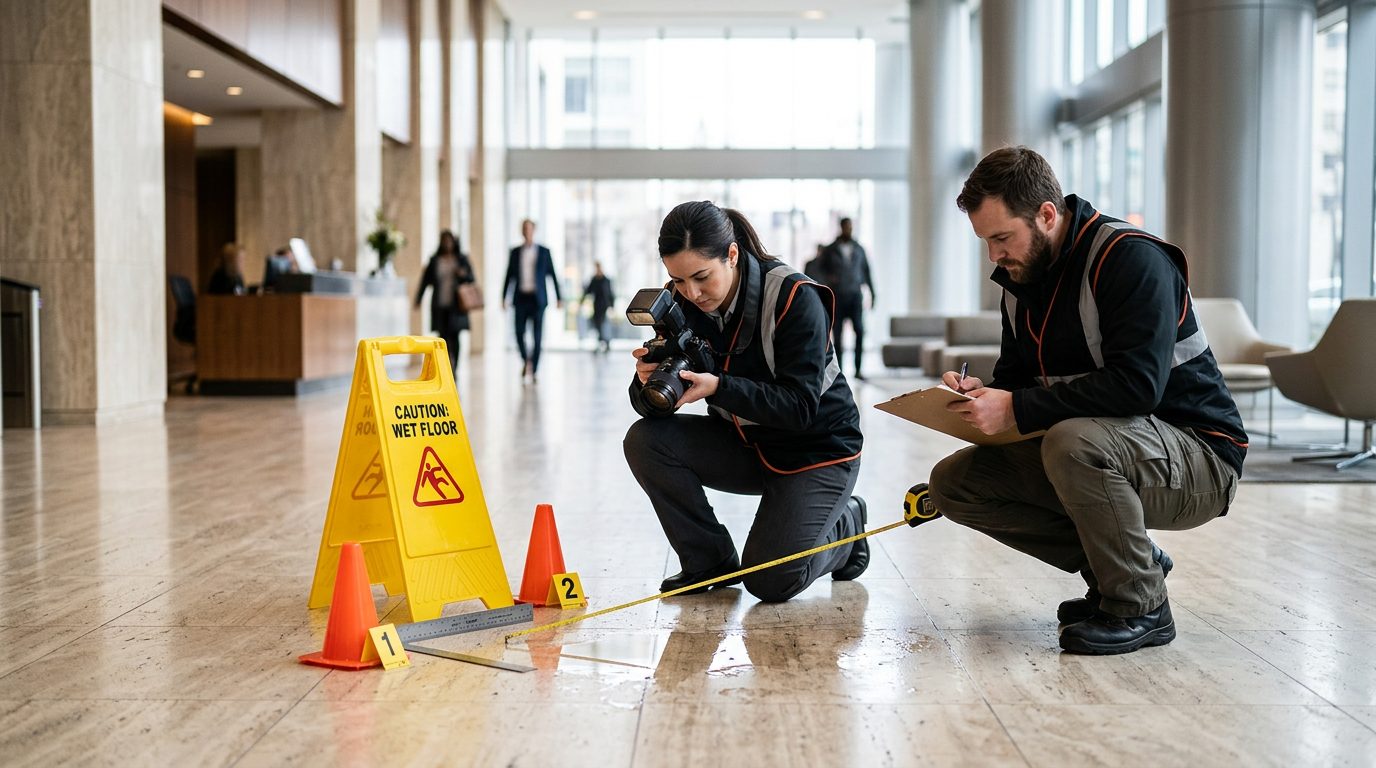
Start by documenting the hazard and your injuries as soon as it is safe. Take clear photos of the spot, the lighting, the surrounding area and any warning signs or missing signs. Then gather these items:
- Names and phone numbers of witnesses and any staff who responded.
- A copy of any incident report the property prepared.
- Medical records and bills from every visit.
- The shoes, clothing and other items involved in the fall.
Surveillance video and maintenance records can be overwritten or discarded. Early action gives these records the best chance of being kept. Many people wait to see whether the pain fades before taking photos. By then the scene may have changed. Be careful about what you post online about the fall, since others may use it to question your injuries.
Georgia’s Two-Year Deadline for Most Injury Claims
Georgia generally allows two years to file a personal injury lawsuit. Under O.C.G.A. § 9-3-33, actions for injuries to the person must generally be brought within two years after the right of action accrues, except actions for injuries to the person involving loss of consortium, which must be brought within four years.
Other deadlines can apply, and they are often shorter. Under O.C.G.A. § 50-21-26, written notice of a tort claim against the state must be given within 12 months of when the loss was discovered or should have been discovered. Under O.C.G.A. § 36-33-5, a claim against a city must be presented in writing to its governing authority within six months of the event.
Which rule applies turns on the facts, including who owns or controls the property. Waiting can also make evidence harder to gather and witnesses harder to find.
Not sure what your next step is?
Talk it through with our team — the first consultation is free, confidential, and carries no obligation.
Talk With a Premises Liability Lawyer in Atlanta About Your Fall or Injury
Our free first consultation is confidential and comes with no obligation to continue. Peter F. Jaraysi is the responsible lawyer for this page. Our firm is based in Duluth, Georgia, and our lawyers include Peter F. Jaraysi and Brian D. Wright.
We handle premises matters across metro Atlanta, including Atlanta, Dunwoody, Marietta, Kennesaw, Alpharetta, Johns Creek, Lawrenceville and Norcross. Read more about Atlanta premises claims or Gwinnett County premises claims.
Frequently asked questions
Is a slip and fall a premises liability claim?
A slip and fall can be a premises claim when a dangerous condition on someone else’s property caused it. The owner’s control of the area and its knowledge of the hazard often decide the question.
How long do I have to file?
Georgia generally allows two years from the injury for most personal injury lawsuits. Claims against government entities can have shorter notice deadlines.
Can I still have a claim if I was partly at fault?
Georgia reduces damages by your percentage of fault (O.C.G.A. § 51-12-33). If you are 50 percent or more responsible, you cannot recover damages.
If your fall at a store, an apartment common area or a rental left you hurt, our team can review the facts with you. Contact our team through our contact page to request a free case review.
Attorney advertising. Every case turns on its own facts, and no outcome is promised or predicted. Responsible lawyer: Peter F. Jaraysi, Slam Dunk Attorney, Duluth, Georgia. Contact information is on our contact page.
How Our Team Approaches Visitor Injury Cases
Careful Review of the Facts
We look closely at how the injury happened, what condition caused it, and what records, photos, and witness information may be available.
Focus on Responsibility
In premises cases, questions often center on who controlled the property and whether the owner or manager knew about the hazard.
Plain-Language Communication
We explain each step in straightforward terms so you know what is happening and why, without legal jargon.
Respect for Your Recovery
Your health comes first. We work to take the stress of insurance calls and paperwork off your plate while you focus on getting better.
Important: Protect Your Health and Your Record
Get medical attention as soon as you can, even if your injury seems minor, and follow your doctor's advice. Keep copies of medical bills and records, and avoid giving recorded statements to an insurance company before speaking with a lawyer.
Common Visitor Injury Situations We Handle
Slip and Fall
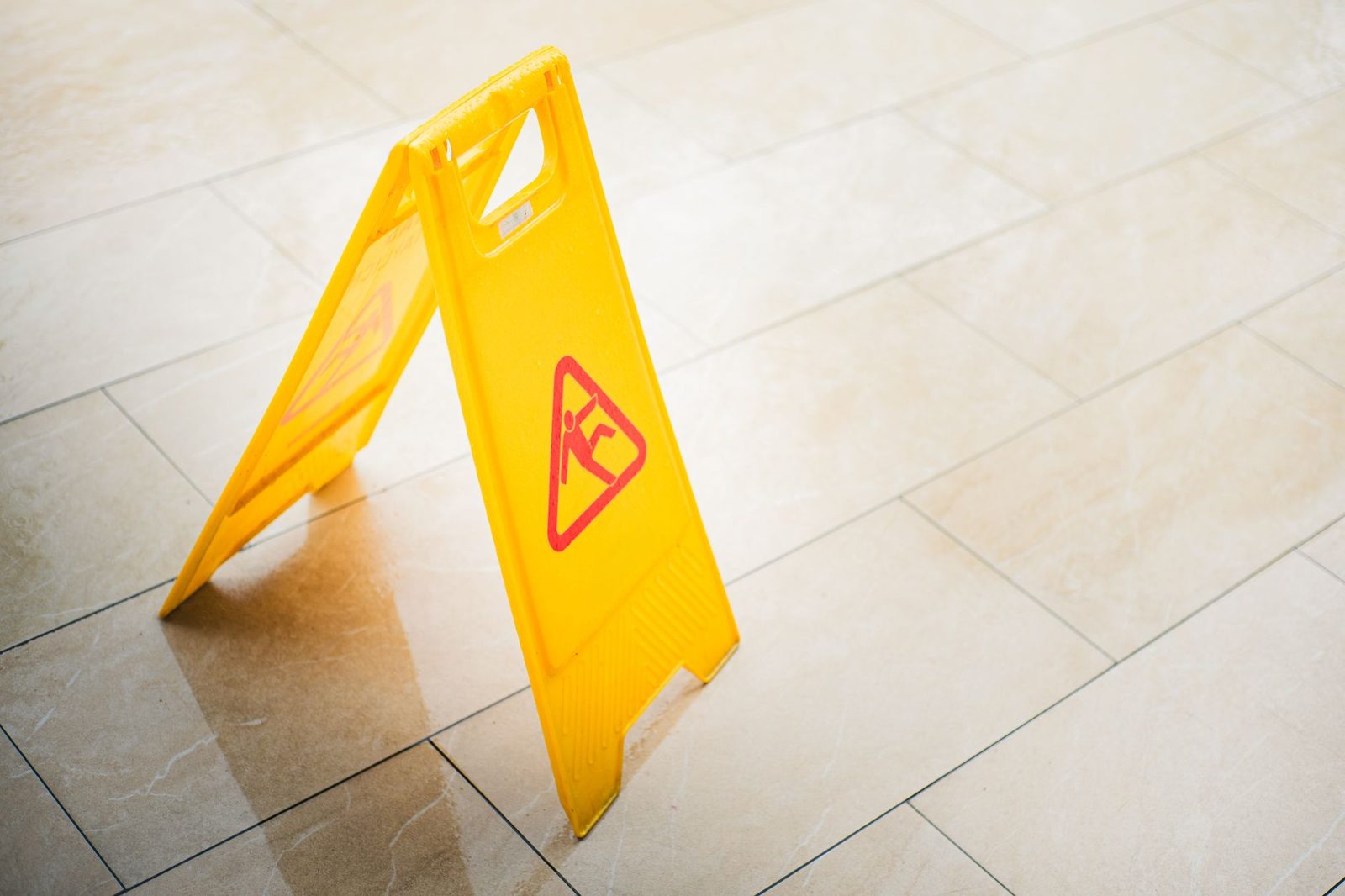
Wet floors, uneven surfaces, icy walkways, and poor lighting can cause serious falls. These claims often turn on whether the property owner knew or should have known about the hazard.
Negligent Security
Some injuries happen because a property failed to provide reasonable security, such as inadequate lighting, broken locks, or ignored warnings about criminal activity.
Short-Term and Vacation Rentals
Injuries at Airbnb, VRBO, and similar rentals can result from broken stairs, railings, hot tubs, or unsafe appliances. We review who owns, manages, and maintains the property.
Dog Bites on Property
A dog attack on someone else's property can cause deep wounds, scarring, and lasting emotional harm. We help injured visitors understand the steps that may follow.