

Premises Liability & Slip and Fall
Slip and Fall Lawyer in Georgia
If you were injured on someone else's property due to negligence, you may have a claim. Slam Dunk Attorney handles premises liability cases across metro Atlanta and Georgia.
By Peter F. Jaraysi · Published October 08, 2026
Slip and Fall Premises Liability Claims in Georgia
A slip and fall premises liability claim is a legal action against a property owner or occupier for injuries caused by unsafe conditions on their property. If you were injured because the property wasn’t maintained safely or hazards weren’t warned about, you may be able to pursue a claim—and we can talk with you about your options.
If you've slipped and fallen on someone else's property in Georgia and are dealing with injuries and medical bills, you may have a premises liability claim—and people in your situation can reach out to us. Talk it through with our team — the first consultation is free, confidential, and carries no obligation.
What Is a Slip and Fall Premises Liability Claim?
A slip and fall premises liability claim holds a property owner responsible for injuries caused by hazardous conditions they failed to fix or warn about. This type of claim is distinct from general negligence because it focuses specifically on the property owner’s duty to maintain safe premises.
Property owners in Georgia have a legal obligation to keep their property reasonably safe. This duty includes:
- Maintaining floors, stairs, walkways, and other surfaces in safe condition
- Promptly cleaning up spills, debris, and other hazards
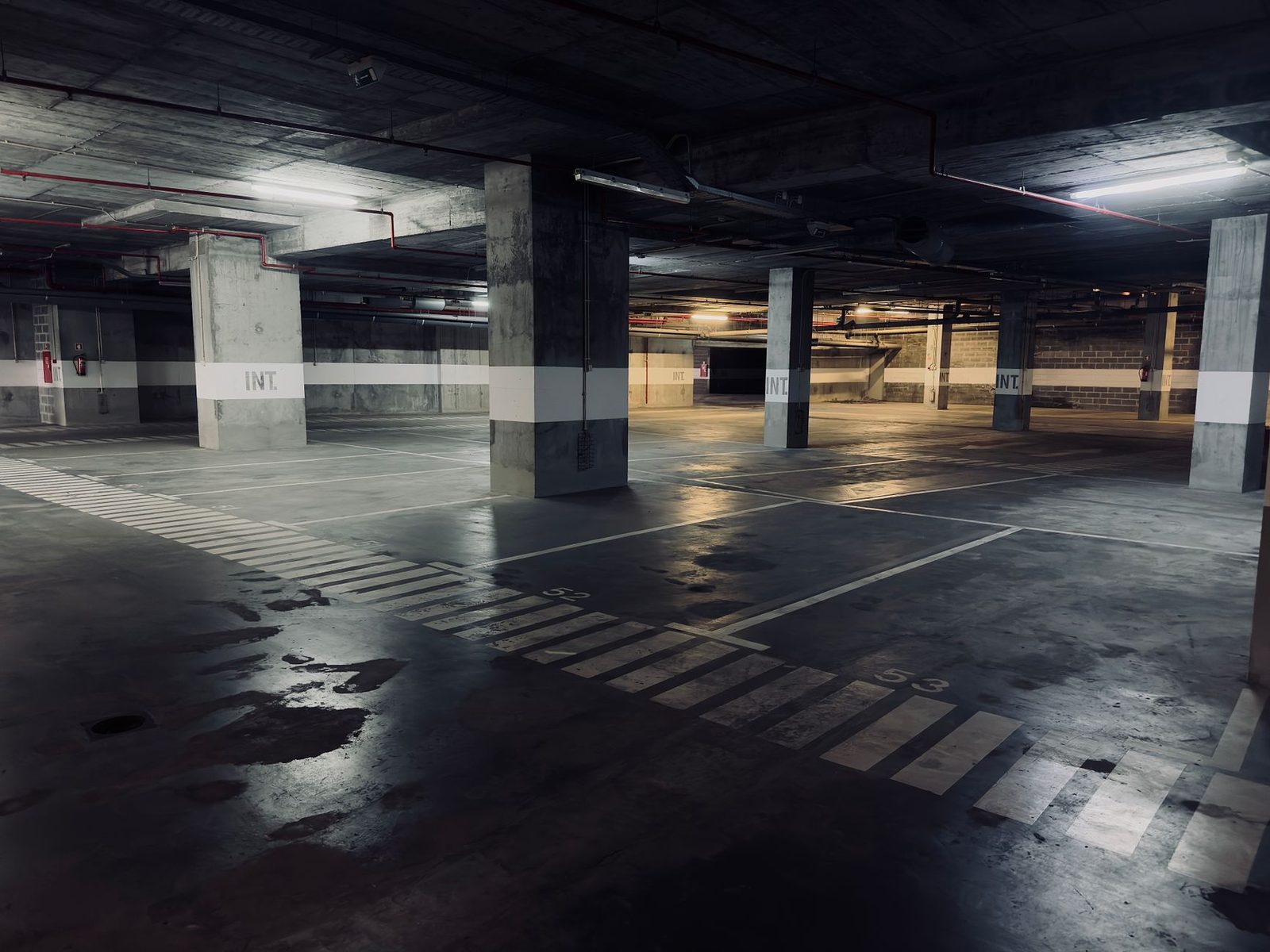
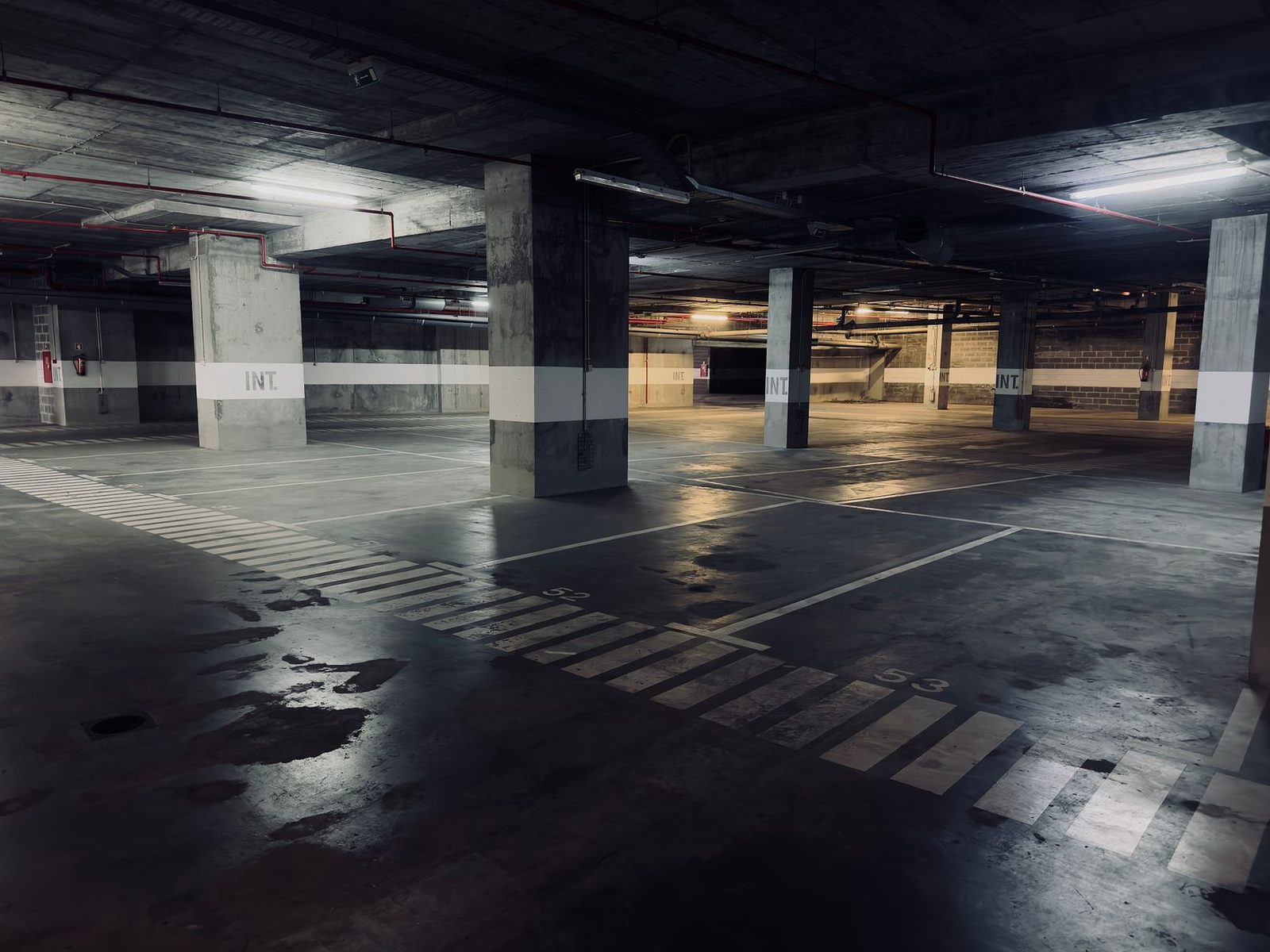
- Providing adequate lighting in parking lots, hallways, and entryways
- Repairing broken or uneven surfaces
- Warning visitors of known dangers
- Inspecting the property regularly to discover hazards before someone gets hurt
Slip and fall claims apply to many types of properties:
- Commercial spaces: grocery stores, restaurants, retail shops, offices, malls, and other businesses
- Residential properties: apartments, rental homes, condominiums, and common areas
- Public or semi-public spaces: parking lots, sidewalks, and community facilities
The key difference between premises liability and general negligence is the focus: premises liability centers on the property owner’s responsibility for the condition of their land and what happens there, rather than on a specific negligent act.
Who Can File a Slip and Fall Claim?
You can file a slip and fall premises liability claim if you were injured on someone else’s property due to an unsafe condition the owner should have prevented or warned about. This includes:
- Customers or clients injured in stores, restaurants, offices, or other businesses
- Tenants or guests injured on residential property due to owner negligence
- Pedestrians injured on public or semi-public property (parking lots, sidewalks, common areas)
- Family members of someone seriously injured or killed in a slip-and-fall accident (in wrongful death cases)
- Anyone whose injury was caused by a hazard the property owner knew about, should have known about, or failed to maintain
Your status as a visitor matters. Generally, property owners owe the highest duty of care to customers and invited guests. They owe a lower duty to trespassers, though liability can still exist in some situations—especially if the trespass was foreseeable or the owner’s conduct was particularly reckless.
What Does a Slip and Fall Claim Cover?
Slip and fall premises liability claims in Georgia can recover a wide range of damages if you’re injured. These include:
- Medical expenses: emergency room visits, hospitalization, surgery, ongoing treatment, physical therapy, prescription medications, and future medical care related to your injury
- Lost wages: income you lost while recovering and unable to work, plus reduced earning capacity if the injury affects your ability to earn in the future
- Pain and suffering: compensation for physical pain, emotional distress, anxiety, depression, and reduced quality of life
- Permanent disability or disfigurement: additional damages if the injury causes lasting harm or changes your appearance
- Property damage: if personal belongings (phone, glasses, clothing) were damaged in the fall
- Wrongful death damages: if the fall resulted in death, surviving family members may recover funeral and burial costs, lost income the deceased would have earned, and loss of companionship and support
The amount you can recover depends on the severity of your injury, the clarity of the evidence, and the specific circumstances of your case.
How Slip and Fall Claims Work: The Legal Process
Understanding what to expect helps you make informed decisions about your claim. Here’s how the process typically unfolds:
Step 1 – Initial Consultation
You meet with an attorney to discuss what happened, your injuries, and the property conditions. This meeting is free and confidential. We listen to your account, ask detailed questions, and begin evaluating whether you have a viable claim.
Step 2 – Investigation
This is where the real work begins. We gather evidence to build your case:
- Photos and video of the hazard and the property layout
- Witness statements from people who saw the fall or the hazard
- Property maintenance records (if available) showing whether the owner inspected or maintained the area
- Security footage from the property
- Medical records documenting your injuries and treatment
- Incident reports filed with the property owner
- Expert opinions (if needed) on maintenance standards or injury causation
Step 3 – Demand Letter
Your attorney prepares a formal demand letter to the property owner’s insurance company. This letter outlines:
- What happened and why the owner was negligent
- The hazard that caused your injury
- Your damages (medical bills, lost income, pain and suffering)
- A specific dollar amount you’re demanding as compensation
Step 4 – Negotiation
The insurance company reviews the demand and typically responds with a counteroffer or questions. Your attorney negotiates on your behalf, presenting evidence and legal arguments to reach fair compensation. Most claims settle during this phase.
Step 5 – Settlement or Litigation
If a fair settlement is reached, the claim closes and you receive compensation. If the insurance company won’t offer reasonable terms, your attorney may file a lawsuit to protect your rights and prepare for trial.
Step 6 – Trial (if necessary)
If settlement isn’t reached, your case goes to trial. Your attorney presents evidence to a judge or jury, who decides whether the property owner was liable and what damages you’re owed. Most slip-and-fall claims never reach trial because settlement is reached earlier.
Timeline: Most slip-and-fall premises liability claims take 6–18 months to resolve, depending on injury severity, evidence clarity, and whether settlement is reached quickly or litigation is necessary.
What Must Be Proven in a Slip and Fall Case?
To win a slip and fall premises liability claim, four elements must be proven:
-
The property owner owed you a duty of care – This is straightforward: all property owners owe a duty to maintain safe premises and warn of hazards.
-
The owner breached that duty – The owner failed to maintain safe conditions or warn you of a known hazard. For example, a wet floor without a warning sign, broken stairs left unrepaired, or poor lighting that made a hazard hard to see.
-
The hazard directly caused your fall and injury – Your injury must have been caused by the unsafe condition, not by something unrelated.
-
You suffered measurable damages – You must have actual injuries and losses (medical bills, lost income, pain and suffering) that can be documented.
Evidence is critical. The strongest cases include:
- Photos of the hazard and the scene
- Witness names and contact information
- An incident report filed with the property owner
- Medical records showing your injuries
- Your own detailed account of what happened
- Proof of the property owner’s maintenance (or lack thereof)
Not sure what your next step is?
Talk it through with our team — the first consultation is free, confidential, and carries no obligation.
Common Slip and Fall Scenarios We Handle
In the premises liability cases our attorneys handle, we see recurring patterns of negligence. These include:
- Wet or slippery floors in grocery stores, restaurants, or retail shops without warning signs or prompt cleanup
- Broken, uneven, or poorly maintained stairs or walkways that create trip hazards
- Inadequate lighting in parking lots, hallways, or entryways that prevents visitors from seeing hazards
- Debris, clutter, or obstacles left on floors or walkways
- Spills or leaks not cleaned up promptly or cordoned off
- Worn or damaged flooring that creates trip hazards or uneven surfaces
- Icy or snow-covered parking lots and sidewalks not treated or salted during winter weather
- Negligent security: falls caused by inadequate security measures or failure to prevent criminal activity on the property
Why Choose Slam Dunk Attorney for Your Slip and Fall Claim?
Local Knowledge
We’re based in Duluth, Georgia, with deep knowledge of Georgia premises liability law and extensive experience handling cases across metro Atlanta and the state. We understand local property standards, insurance practices, and how Georgia courts evaluate these claims.
Dedicated Focus
Slip and fall and premises liability claims are our core practice. We don’t handle these cases as a side service—we focus on them. This focus means we know the details, the strategies, and the common defenses insurers use.
Thorough Investigation
We don’t rely on your account alone. We investigate the property, gather evidence, interview witnesses, obtain maintenance records, and build a strong factual foundation for your claim. This preparation strengthens our negotiating position and protects your interests.
Insurance Company Experience
We know how insurers evaluate premises liability claims, what evidence they find persuasive, and how to negotiate effectively on your behalf. We handle enough of these cases to recognize when an offer is fair and when it’s too low.
No Upfront Costs
You pay no attorney fees unless we recover compensation for you. This means we’re motivated to work hard on your case because we only get paid if you do. However, you may still owe case costs (such as expert fees, court filing fees, or investigation expenses), which we discuss with you upfront so there are no surprises.
Transparent Communication
We explain your options, realistic timelines, and what to expect in plain language—no legal jargon or vague promises. You’ll understand your case and feel confident in the decisions you make.
Frequently Asked Questions
Q: Do I have to prove the property owner knew about the hazard?
No. In Georgia, a property owner can be liable if they should have known about the hazard through reasonable inspection and maintenance. For example, a store owner may be liable for a spill even if they didn’t see it happen, if they should have discovered it during normal floor checks.
Q: What if I was partially at fault for the fall?
Georgia follows comparative negligence rules. You can still recover damages even if you were partly at fault, but your recovery is reduced by your percentage of fault (O.C.G.A. § 51-12-33; Quynn v. Hulsey, 310 Ga. 473 (2020)). Under O.C.G.A. § 51-12-33, where the plaintiff is to some degree responsible for the injury or damages claimed, the trier of fact determines the plaintiff’s percentage of fault and the judge reduces the damages otherwise awarded in proportion to that percentage of fault.
Q: How much is my slip and fall claim worth?
Every case is unique. Value depends on injury severity, medical costs, lost income, your age, and the impact on your life. We evaluate all factors and give you a realistic range after investigation.
Q: What if the property owner says I was trespassing?
Property owners still owe a duty of care to trespassers in some situations, especially if the trespass was foreseeable. We assess your status and rights based on the circumstances.
Q: How long do I have to file a slip and fall claim?
In Georgia, the statute of limitations for premises liability is generally two years from the date of injury. Don’t wait—evidence can disappear and memories fade. Contact us promptly.
Q: Will my case go to trial?
Most slip-and-fall claims settle before trial. We prepare every case as if it will go to trial, which strengthens our negotiating position and protects your interests.
What to Do Right After a Slip and Fall
Your actions immediately after a fall can significantly impact your claim. Here’s what to do:
- Seek medical attention immediately, even if you feel okay. Some injuries appear hours or days later, and medical records are crucial evidence.
- Report the incident to the property owner or manager and ask for a written incident report.
- Take photos of the hazard, the scene, and your injuries if possible.
- Get names, phone numbers, and email addresses of any witnesses.
- Keep all medical records, receipts, bills, and documentation of lost income.
- Do not sign anything or give a recorded statement to the property owner’s insurance company without legal advice.
- Contact Slam Dunk Attorney as soon as possible so we can preserve evidence and protect your rights.
Get Your Free Consultation Today
If you’ve slipped and fallen on someone else’s property in Georgia and are dealing with injuries and medical bills, you may have a premises liability claim—and people in your situation can reach out to us. We’ll listen to what happened, answer your questions, and explain your options in plain language.
Request a free consultation or call us for a free case review. No obligation, no pressure—just honest legal guidance from attorneys who focus on slip and fall and premises liability claims.
How We Help
Premises Liability Claims
We investigate whether a property owner failed to maintain safe conditions or warn of known hazards—from wet floors and broken stairs to inadequate lighting and negligent security.
Evidence & Documentation
We gather incident reports, maintenance records, witness statements, and photos to build a clear picture of what happened and who was responsible.
Direct Communication
You work directly with our team. We explain your options in plain language and keep you informed every step of the way.
Focused on Your Recovery
We handle the legal work so you can focus on healing. Our goal is to help you recover fair compensation for medical bills, lost wages, and pain and suffering.
Important: Property Owner Liability in Georgia
In Georgia, a property owner can be held liable for your injuries even if they didn't directly cause the hazard. If the owner should have discovered the dangerous condition through reasonable inspection and maintenance—or should have warned you about a known risk—they may be responsible for your damages.
Common Premises Liability Scenarios We Handle
Slip and Fall
Wet floors, spills, debris, or poor maintenance in stores, restaurants, offices, or other commercial spaces.
Unsafe Property Conditions
Broken stairs, missing handrails, uneven surfaces, potholes, or other structural hazards on residential or commercial property.
Negligent Security
Inadequate lighting, broken locks, lack of security personnel, or failure to warn of known dangers that led to your injury.
Dog Bites
Injuries caused by a dog owner's failure to control or contain their animal, or failure to warn of a known aggressive dog.
Frequently Asked Questions
Do I have to prove the owner knew about the hazard?
No. In Georgia, a property owner can be liable if they should have known about the hazard through reasonable inspection and maintenance. For example, a store owner may be liable for a spill even if they didn't see it happen, if they should have discovered it during normal floor checks.
What if I was partially at fault for the fall?
Georgia follows a comparative negligence rule. Even if you were partly responsible, you may still recover damages—though any award may be reduced by your percentage of fault. We'll evaluate the full circumstances of your case.
How long do I have to file a claim?
Time limits apply to premises liability claims in Georgia. It's important to act quickly: contact us as soon as possible so we can preserve evidence and protect your rights.
What costs will I owe?
We handle premises liability cases on a contingency basis—no fees unless there is a recovery. You may still be responsible for court costs and case expenses. We'll discuss all costs with you upfront.
Ready to Discuss Your Slip and Fall Claim?
Related practice areas
- Premises Liability Lawyer in Georgia: Injured on Someone Else’s Property
- Premises Liability vs. Negligence: What’s the Difference?
- Premises Liability Damages in Georgia | What Can You Recover?