
Premises Liability | Georgia
Injured in Dim or Dark Conditions? Inadequate Lighting & Your Right to Compensation
Property owners have a duty to maintain safe lighting. If poor lighting contributed to your injury, you may have a claim.
By Peter F. Jaraysi · Published September 29, 2026
Inadequate Lighting and Premises Liability in Georgia: When Property Owners Fail Their Duty to Light
Inadequate lighting is a failure by a property owner to provide sufficient light in areas where people are expected to walk, work, or gather—and under Georgia law, that failure can create legal liability if it causes injury. The distinction matters: simple darkness is not the same as inadequate lighting. When a property owner knows or should know that poor visibility creates a hazard, and they fail to fix it, they may be responsible for injuries that result.
If you've been injured in a fall, trip, or collision in a poorly lit area—whether in a parking lot, stairwell, or commercial space—you may have a claim against the property owner; people in your situation reach out to us regularly to discuss what happened. Talk it through with our team — the first consultation is free, confidential, and carries no obligation.
What Is Inadequate Lighting in a Premises Liability Context?
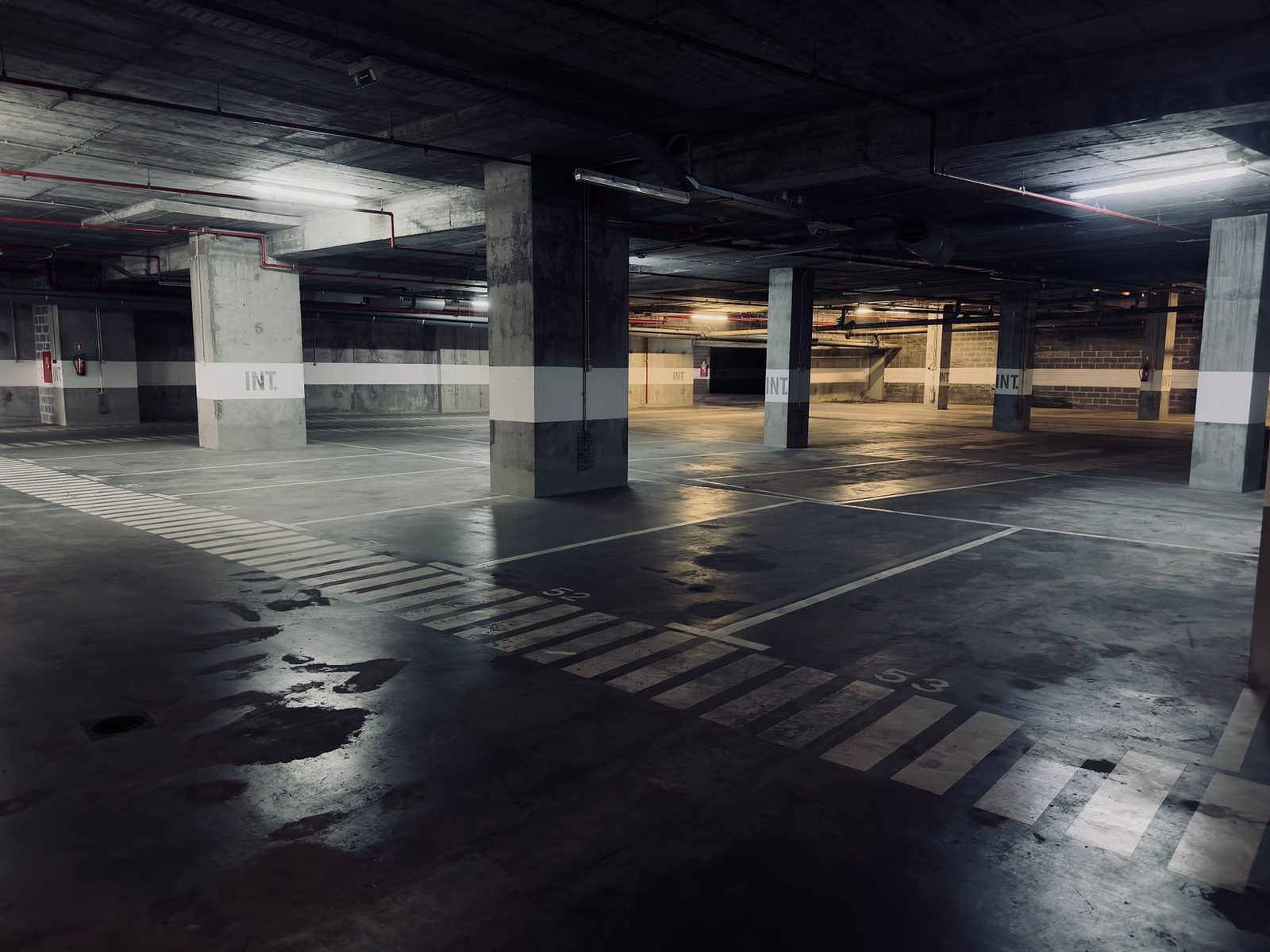
Inadequate lighting is not just the absence of light—it’s the property owner’s failure to maintain safe visibility in spaces where people have a right to be. Common locations include parking lots, stairwells, hallways, entryways, loading areas, outdoor pathways, and storage areas. The key difference is that inadequate lighting is a maintenance and safety issue, not a natural condition. A property owner controls the lighting; darkness in an unlit forest is not the same as darkness in a parking lot the owner operates.
When lights are broken, dim, flickering, or simply absent in areas where people are expected to move about, the property owner has created a hazard. That hazard becomes a legal problem when it causes someone to fall, trip, slip, or collide with an object or another person.
Georgia Property Owner Duty Regarding Lighting
Georgia law requires property owners to maintain their premises in a reasonably safe condition for visitors and invitees. This duty is grounded in common law negligence principles and applies to both indoor and outdoor areas under the owner’s control. The duty includes providing adequate lighting in areas where people are expected to be present.
Property owners must anticipate foreseeable risks—and poor visibility is a foreseeable risk. A reasonable property owner recognizes that people need to see where they’re walking to avoid obstacles, steps, and hazards. If a property owner fails to provide that visibility, and someone is injured as a result, the owner may be liable.
This duty doesn’t mean every space must be brightly lit at all times. It means the lighting must be appropriate for the area’s purpose. A parking lot needs different lighting than a storage closet. A stairwell needs reliable lighting so people don’t miss a step. An entryway needs visibility so visitors don’t trip on the threshold.
When Does Inadequate Lighting Create Legal Liability?
For inadequate lighting to create legal liability in Georgia, several elements must be present:
The property owner knew or should have known the lighting was inadequate. This means the owner either knew the lights were broken or dim, or a reasonable property owner would have discovered the problem through regular inspection and maintenance.
The inadequate lighting created a hazardous condition. Poor lighting must have made it difficult or impossible to see an obstacle, step, uneven surface, or other danger. If the area was safe despite dim lighting, liability is less likely.
The hazard was foreseeable. A reasonable property owner would recognize that poor visibility creates a risk of injury. Parking lots, stairwells, and entryways are obvious places where people need to see where they’re going.
The inadequate lighting was a substantial factor in causing the injury. The poor lighting must have played a real role in why the person fell, tripped, or collided. If someone would have been injured even with adequate lighting, the owner’s failure to light becomes less relevant.
The injured person was lawfully on the property. Georgia recognizes different levels of duty depending on whether someone is an invitee (a customer or visitor invited onto the property), a licensee (someone with permission to be there but not as a business guest), or a trespasser. Property owners owe the highest duty to invitees and a lower duty to licensees and trespassers.
Common Inadequate Lighting Injury Scenarios in Georgia
In the premises liability cases our attorneys handle, inadequate lighting injuries fall into recognizable patterns:
Falls on stairs or steps in dimly lit stairwells or entryways are common. A person misses a step because they can’t see it clearly and falls, sometimes down an entire flight.
Tripping over obstacles, debris, or uneven surfaces in poorly lit parking lots or pathways happens frequently. A pothole, curb, or object left on the ground becomes invisible in poor light.
Slipping on wet or icy surfaces that were not visible due to poor lighting causes injuries in Georgia winters. A person can’t see a puddle or patch of ice and loses their footing.
Collisions with objects, equipment, or other people in inadequately lit commercial or industrial spaces result in bruises, broken bones, and head injuries.
Injuries in apartment complexes, retail stores, restaurants, and office buildings with failed or insufficient lighting are routine. A tenant in a dimly lit hallway falls. A customer in a dark aisle of a store trips. An employee in a poorly lit warehouse collides with equipment.
Evidence That Matters in Inadequate Lighting Claims
To prove that inadequate lighting caused an injury and that the property owner is liable, specific evidence is crucial:
Photographs or video of the lighting conditions at the time and location of the injury are invaluable. If you can return to the scene safely, document how dark or dim the area is. Take photos from the perspective of someone standing or walking in that space.
Maintenance records showing when lights were last inspected, repaired, or replaced tell a story. If a property owner has no maintenance records, or records show lights were never serviced, that strengthens your claim. If records show the owner knew about broken lights and did nothing, that’s powerful evidence.
Witness statements about visibility and lighting conditions corroborate your account. Did others see how dark it was? Did anyone else complain about the lighting?
Expert testimony about industry standards for adequate lighting in that type of space can establish what a reasonable property owner should have provided. Lighting engineers or safety experts can testify about appropriate lux levels (a measure of light intensity) for parking lots, stairwells, and other spaces.
Prior complaints or incident reports about poor lighting in the same area show the property owner knew or should have known about the hazard. If others reported bad lighting before your injury, that’s critical evidence.
The property owner’s own safety policies or lighting standards can be used against them. If their written policies require certain lighting levels, and they failed to meet them, that’s an admission.
Not sure what your next step is?
Talk it through with our team — the first consultation is free, confidential, and carries no obligation.
Defenses Property Owners May Raise
Property owners don’t accept liability without a fight. Common defenses include:
The injured person was negligent. They argue you weren’t watching where you were walking, were distracted by a phone, or should have seen the hazard despite the poor lighting. Georgia’s comparative negligence rule (explained below) means this defense can reduce or eliminate your recovery, but it doesn’t always succeed.
The lighting was adequate for the circumstances. They claim the light level was appropriate for that type of space and that a reasonable person would have navigated safely.
The injured person was a trespasser. If you had no right to be on the property, the property owner’s duty to you is lower or nonexistent.
The hazard was open and obvious. They argue the danger was so apparent that even in poor light, you should have avoided it. This defense is weak in cases of truly inadequate lighting, but property owners raise it.
The property owner did not know and could not reasonably have known about the inadequate lighting. They claim they had no notice of the problem and therefore had no duty to fix it. This defense fails if maintenance records show negligence or if the lighting was obviously broken.
Georgia Comparative Negligence and Inadequate Lighting
Georgia follows a modified comparative negligence rule: an injured person can recover damages if they are less than 50% at fault. This is important. Even if you were partly negligent—even if you weren’t paying full attention or wore dark clothing—you may still have a claim if the property owner’s inadequate lighting was a substantial factor in your injury.
The jury will weigh the conduct of both the property owner and you. If the jury finds you 30% at fault and the property owner 70% at fault, you can recover 70% of your damages. If the jury finds you 50% or more at fault, you cannot recover anything.
This rule means that inadequate lighting cases are rarely black-and-white. Most involve some degree of shared responsibility. But property owners cannot escape liability simply by showing you were partly negligent.
Steps to Take After an Inadequate Lighting Injury
If you’ve been injured in a poorly lit area, act quickly to preserve evidence and protect your rights:
Seek medical attention and document your injuries. Your health comes first. Medical records also create a timeline and establish the seriousness of your injury.
Report the incident to the property owner or manager immediately. Put it in writing if possible. This creates a record that you notified them of the incident and the hazard.
Take photographs or video of the lighting conditions as soon as possible. If it’s safe, return to the location and document how dark or dim it is. Take photos from multiple angles and at the same time of day if you can.
Collect contact information from any witnesses. Names, phone numbers, and email addresses of people who saw what happened are invaluable.
Keep records of all medical treatment, expenses, and lost wages. Save receipts, bills, medical reports, and documentation of time off work. These establish your damages.
Do not sign any settlement or release without legal advice. Property owners’ insurance companies will contact you. Don’t agree to anything before you understand your rights.
Consult with a premises liability attorney before speaking with the property owner’s insurance company. An attorney can protect your interests and ensure you’re not pressured into a low settlement.
Why Inadequate Lighting Claims Matter
Property owners have a responsibility to maintain safe conditions. Inadequate lighting is a preventable hazard. When property owners fail to provide adequate light, they create unnecessary risk.
Injuries from falls and trips in poorly lit areas can be serious: broken bones, head injuries, spinal damage, and long-term pain and disability. Injured people deserve compensation for medical bills, lost income, pain, and suffering caused by a property owner’s negligence.
Holding property owners accountable also encourages them to maintain adequate lighting and prevent future injuries. When property owners know they can be sued for negligent lighting, they’re more likely to fix broken lights, inspect their premises regularly, and invest in appropriate lighting systems.
FAQ
What counts as “adequate” lighting under Georgia law?
Adequate lighting depends on the area’s purpose and the hazards present. A parking lot needs brighter, more extensive lighting than an indoor hallway. Industry standards and expert testimony establish what’s reasonable for each type of space.
Can I recover damages even if I was partly at fault?
Yes. Under Georgia’s comparative negligence rule, you can recover if you’re less than 50% at fault. Your recovery is reduced by your percentage of fault.
How long do I have to file a premises liability claim in Georgia?
Georgia’s statute of limitations for personal injury claims is generally two years from the date of injury. Don’t wait; consult an attorney promptly.
What if the property owner says they didn’t know the lighting was broken?
Lack of knowledge is not a complete defense. A property owner has a duty to inspect and maintain their property. If they failed to do so, they’re still liable.
Is a property owner liable for injuries in a dark parking lot?
Yes, if the inadequate lighting created a hazard and the property owner knew or should have known about it. Parking lots are high-risk areas for slip-and-fall and trip injuries, so property owners must provide adequate lighting.
If you’ve been injured in a fall, trip, or collision in a poorly lit area—whether in a parking lot, stairwell, or commercial space—you may have a claim against the property owner. People in your situation reach out to us regularly to discuss what happened and explore their options. Contact Slam Dunk Attorney for a free consultation to talk about your inadequate lighting injury.
For more information about premises liability in Georgia, visit our Premises Liability guide.
Know Your Rights
Georgia law holds property owners responsible for maintaining reasonably safe conditions—including adequate lighting. If a business or property owner failed to light a hazardous area, and that failure caused your injury, you may be entitled to pursue a claim for your medical bills, lost wages, and other damages.
Common Inadequate Lighting Injury Scenarios
Parking Lot & Garage Falls
Dimly lit or unlit parking areas where you trip, slip, or fall due to poor visibility of hazards or uneven surfaces.
Stairwell & Hallway Accidents
Insufficient lighting in apartment buildings, office complexes, or commercial spaces that obscures steps or obstacles.
Retail & Entryway Injuries
Inadequate illumination in store aisles, loading areas, or building entrances that masks spills, debris, or structural hazards.
Negligent Security & Assault
Poor lighting that enables criminal activity or assault on a property owner's premises due to failure to maintain safe conditions.
Why Inadequate Lighting Matters in Your Claim
Legal Duty to Maintain Safe Conditions
Georgia property owners must keep their premises reasonably safe for visitors and customers. That includes providing adequate lighting appropriate to the area's purpose and known hazards.
Industry Standards & Expert Evidence
What counts as 'adequate' lighting depends on the type of space, time of day, and potential dangers. Lighting engineers and safety experts can establish whether a property fell short of reasonable standards.
Comparative Fault in Georgia
Even if you were partly at fault, you may still recover damages under Georgia's comparative negligence rule. Your recovery is reduced by your percentage of fault, but you can proceed if the property owner's negligence was a substantial factor in your injury.
Time Matters for Your Claim
Georgia law sets strict time limits for filing injury claims. Acting quickly preserves evidence, witness memories, and your right to pursue compensation.
What Happens in an Inadequate Lighting Case
Investigate the Scene & Conditions
We examine lighting levels, maintenance records, prior complaints, and safety violations. Photos, lighting measurements, and expert analysis establish whether the property owner breached their duty.
Establish Causation & Damages
We connect the inadequate lighting directly to your injury and calculate your losses: medical expenses, lost income, pain and suffering, and ongoing care needs.
Negotiate or Litigate
We pursue fair compensation through settlement discussions or, if necessary, take your case to trial. You pay no attorney fees unless there is a recovery—though you may owe case costs.
Injured Due to Poor Lighting? Let's Review Your Case.
Related practice areas
- Premises Liability Claim Requirements in Georgia