

Premises Liability — Norcross, Georgia
Injured on Someone Else's Property? Know Your Rights
Property owners have a responsibility to keep their premises safe. If you were hurt due to negligence, you may have a claim.
By Peter F. Jaraysi · Published October 01, 2026
Premises Liability in Norcross, Georgia: What You Need to Know
If you’ve been injured on someone else’s property—whether a store, apartment complex, parking lot, or home—the property owner may be legally responsible. Premises liability is the legal obligation of a property owner to keep their premises reasonably safe for visitors, and to warn of or fix hazards that could cause injury. In Norcross and across Georgia, injured people have rights under state law. This guide explains what premises liability is, what you need to prove, and what happens next.
If you've been hurt on someone else's property in Norcross and aren't sure whether you have a claim, reach out—people in your situation contact us regularly to understand their options. Talk it through with our team — the first consultation is free, confidential, and carries no obligation.
What Is Premises Liability?
Premises liability is a property owner’s legal duty to maintain safe conditions on their property and protect visitors from foreseeable harm. It applies to homes, businesses, rental properties, parking lots, and public spaces throughout Norcross. Unlike product liability (injury from a defective product) or vehicle accidents, premises liability focuses on the condition of the property itself and whether the owner failed to maintain it safely.
What Falls Under Premises Liability?
Premises liability claims cover a wide range of injuries caused by unsafe property conditions:
- Slip and fall accidents from wet floors, debris, spills, or poor maintenance
- Broken stairs, handrails, or structural defects that cause falls or injuries
- Inadequate lighting that contributes to falls, assaults, or other harm
- Negligent security leading to assault, robbery, or other crimes on the property
- Unsafe conditions in common areas of apartment complexes, shopping centers, or office buildings
- Attractive nuisances such as unsecured pools, abandoned equipment, or open pits that injure children
- Dog bites on the property owner’s premises
In the cases our attorneys handle in the Norcross area, slip and fall accidents in retail stores and restaurants, injuries in poorly maintained parking lots, and security failures in apartment complexes are among the most common premises liability claims.
Property Owner Duties Under Georgia Law
Georgia law requires property owners to maintain their premises in a reasonably safe condition. However, the specific duty a property owner owes depends on the visitor’s status:
Invitees (customers, business visitors, guests invited for a purpose) receive the highest level of protection. Property owners must inspect the premises for unsafe conditions, remedy hazards, and warn invitees of known dangers.
Licensees (social guests, people on the property with permission but for their own purpose) are owed a duty to warn of known hazards, but the owner is not required to inspect for unknown dangers.
Trespassers (people on the property without permission) generally receive limited protection. However, Georgia recognizes an exception for attractive nuisances—hazards that are likely to attract children and cause injury.
What Are the Four Proofs of Negligence?
To win a premises liability claim in Georgia, you must prove four elements of negligence:
- Duty: The property owner owed you a legal duty to keep the premises safe for visitors.
- Breach: The owner failed to maintain safe conditions or warn you of hazards.
- Causation: The unsafe condition directly caused your injury.
- Damages: You suffered measurable harm—medical bills, lost wages, pain and suffering, or other losses.
If any one of these elements is missing or weak, your claim may fail. An attorney can help you gather evidence to prove each element.
What Laws Govern Premises Liability in Georgia?
Georgia premises liability law is built on common law principles and state statutes. Under Georgia’s comparative fault statute, you can recover damages even if you are partially at fault—as long as you are less than 50% responsible for the injury. Your recovery is reduced by your percentage of fault.
Georgia imposes a two-year statute of limitations on premises liability claims, meaning you must file a lawsuit within two years of the date of injury. After two years, you lose the right to sue.
Georgia also recognizes the “open and obvious” defense. If a hazard is clearly visible and a reasonable person would have noticed it, the property owner may have limited liability. For example, a wet floor sign placed directly next to a spill may reduce the owner’s duty to warn.
Not sure what your next step is?
Talk it through with our team — the first consultation is free, confidential, and carries no obligation.
Comparative Fault in Georgia Premises Liability
Georgia is a modified comparative fault state. You can recover damages even if you share some blame for the accident, as long as you are less than 50% at fault, with your recovery reduced by your percentage of fault; if you are 50% or more at fault, you recover nothing.
Example: You slip on a wet floor in a Norcross grocery store. The store failed to place a warning sign, but you were also looking at your phone. A jury determines you are 20% at fault and the store is 80% at fault. Damages are calculated at $10,000. You recover $8,000 (the $10,000 reduced by your 20% share of fault).
Property owners often argue that you were careless, didn’t watch where you were going, or should have noticed the hazard. Your actions at the time of injury—where you were looking, what you were doing, whether you were rushing—matter in these cases.
Common Premises Liability Injuries in Norcross
Norcross has a mix of commercial, residential, and public spaces where premises liability injuries occur:
- Slip and fall accidents in retail stores, restaurants, and office buildings
- Stairway and escalator injuries in commercial complexes and apartment buildings
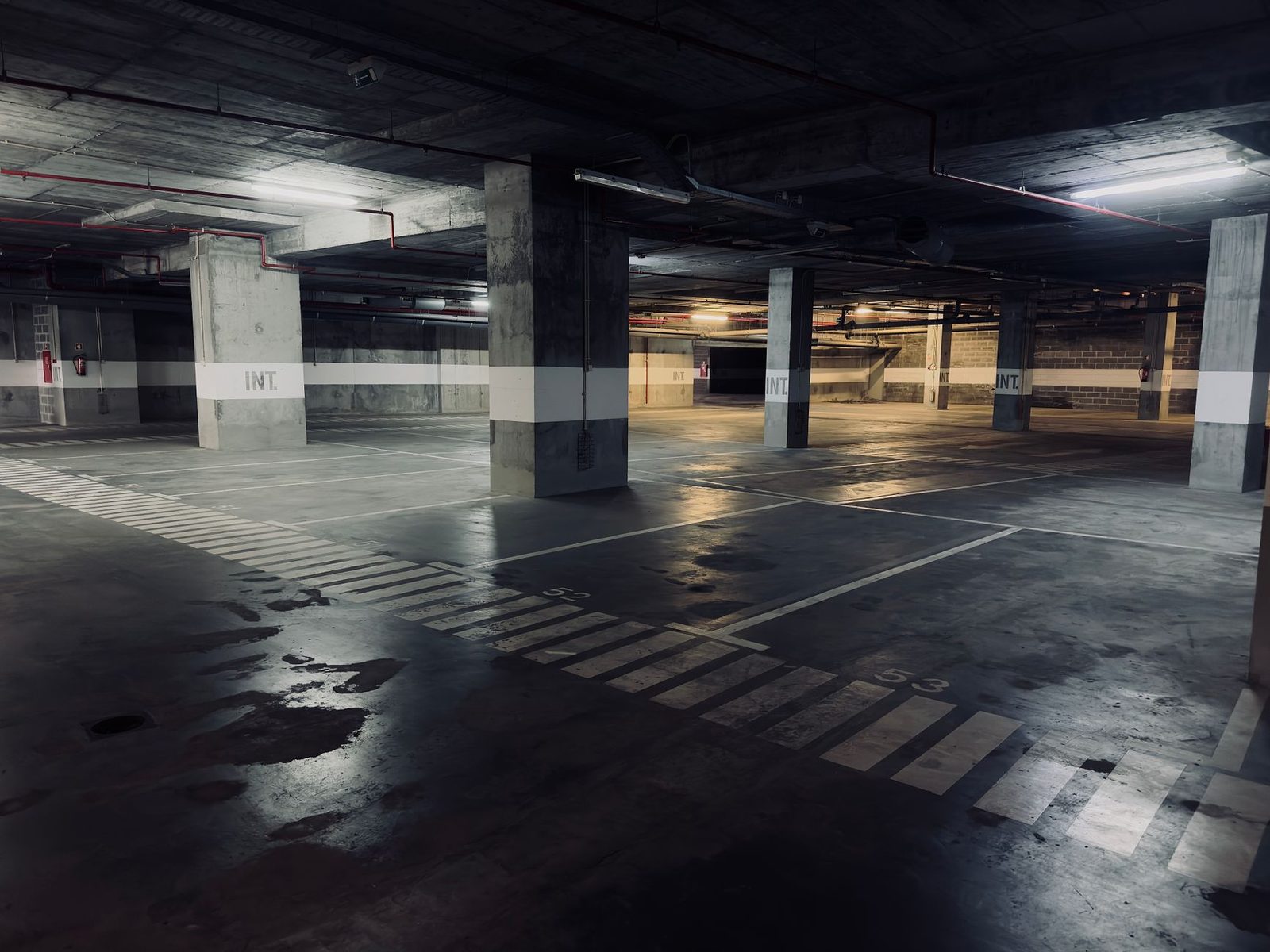
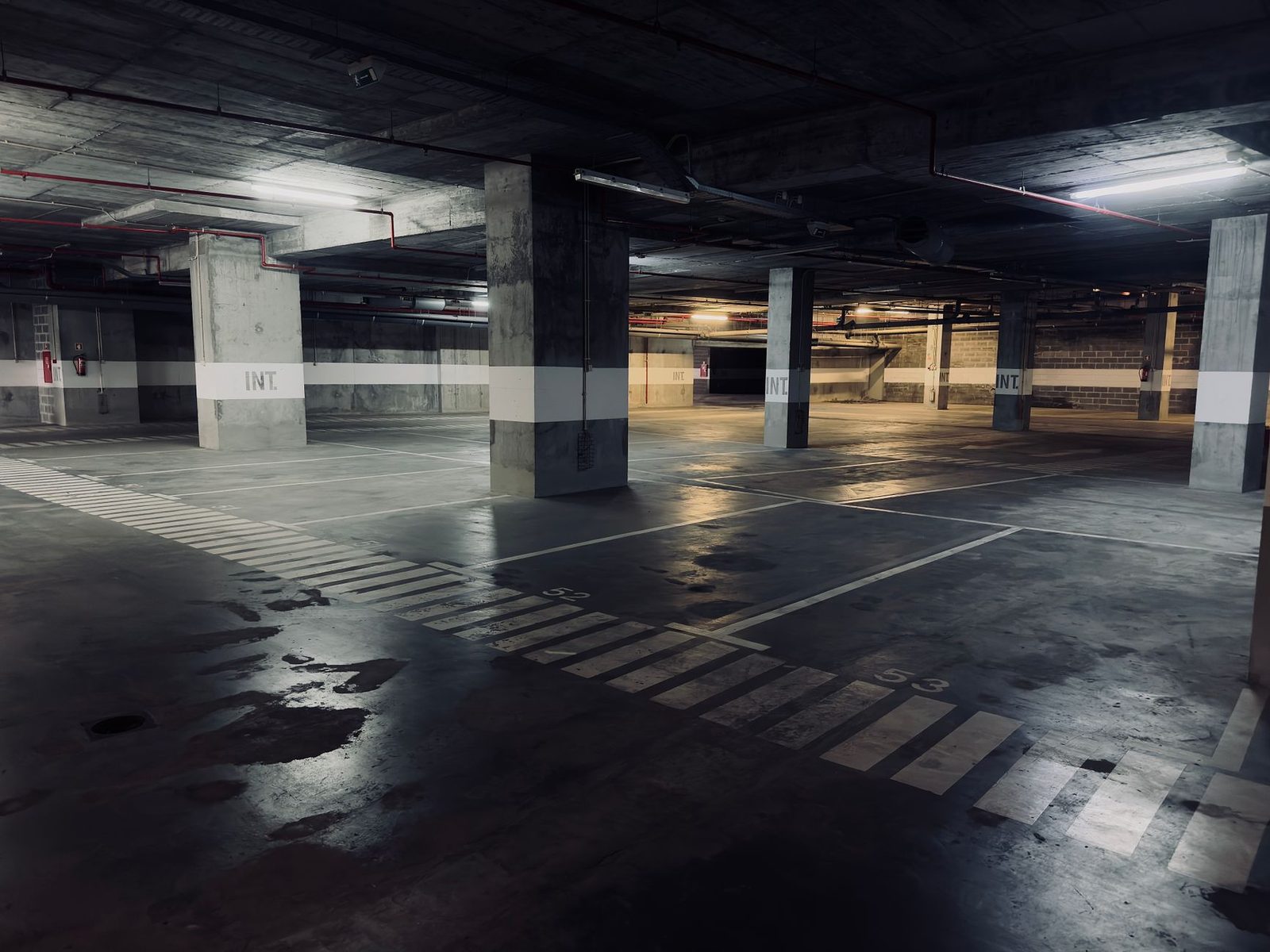
- Injuries in parking lots due to poor maintenance, cracked pavement, inadequate lighting, or security failures
- Swimming pool accidents at residential or commercial properties
- Injuries from negligent security at apartment complexes or shopping centers
- Dog bites on residential or commercial property
Each setting presents different hazards and different property owner duties.
Is It Worth Suing for Pain and Suffering?
Pain and suffering damages compensate you for physical pain, emotional distress, scarring, and reduced quality of life—separate from economic losses like medical bills and lost wages. Georgia law allows recovery for pain and suffering in premises liability cases.
The value of a pain and suffering claim depends on:
- The severity of your injury
- How long your recovery takes
- Whether you have permanent scarring or disability
- How the injury affects your daily life, work, and relationships
- Medical records and testimony about your ongoing treatment
Insurance companies and juries consider both economic losses (what you spent) and non-economic losses (what you endured). An attorney can help you evaluate whether your specific injuries support a meaningful pain and suffering claim.
What Evidence Matters in a Premises Liability Claim?
Strong evidence is critical to proving a premises liability case:
- Photographs or video of the unsafe condition at the time of injury
- Medical records documenting your injuries, treatment, and recovery
- Witness statements from people who saw the hazard or the accident
- Property maintenance records showing whether the owner knew or should have known of the hazard
- Security camera footage from the property
- Prior complaints or incident reports about the same hazard
- Your own account of what happened and how the injury occurred
The sooner you gather this evidence, the stronger your claim. Conditions change, witnesses move away, and memories fade.
What Should You Do Right After an Injury on Someone’s Property?
If you’re injured on someone else’s property in Norcross, take these steps:
- Seek medical attention immediately, even if injuries seem minor. Medical records are crucial evidence.
- Report the incident to the property owner or manager and request a written incident report.
- Take photographs of the hazard and your injuries if safely possible.
- Collect contact information from any witnesses.
- Keep all medical records, receipts, and documentation of expenses and lost time.
- Do not sign any settlement or release without understanding your rights.
- Consult with an attorney before speaking with the property owner’s insurance company.
If you've been hurt on someone else's property in Norcross and aren't sure whether you have a claim, reach out—people in your situation contact us regularly to understand their options. Talk it through with our team — the first consultation is free, confidential, and carries no obligation.
FAQ
How long do I have to file a premises liability claim in Georgia?
You have two years from the date of injury to file a lawsuit; after that, you lose the right to sue.
Can I recover damages if I was partially at fault for my injury?
Yes, under Georgia’s comparative fault rule, you can recover even if you’re partially at fault, as long as you’re less than 50% responsible.
What’s the difference between an invitee, licensee, and trespasser?
Invitees (customers, guests) receive the highest protection; licensees (social visitors) are owed a duty to warn of known hazards; trespassers generally receive limited protection.
What if the hazard was obvious?
Georgia recognizes an “open and obvious” defense; if a hazard is clearly visible, the owner’s liability may be limited.
Do I need an attorney for a premises liability claim?
You don’t have to hire an attorney, but property owners and their insurers have legal teams. An attorney can help you understand your rights and the value of your claim.
If you’ve been hurt on someone else’s property in Norcross and aren’t sure whether you have a claim, reach out to Slam Dunk Attorney. People in your situation contact us regularly to understand their options and next steps. Request a free case review today—there’s no obligation, and we’re here to answer your questions.
What We Handle in Premises Liability Cases
Slip and Fall Injuries
Accidents caused by wet floors, poor maintenance, uneven surfaces, or lack of warnings on a property owner's premises.
Negligent Security
Injuries or harm resulting from inadequate security measures, such as broken locks, poor lighting, or lack of security personnel where reasonably expected.
Dog Bites
Injuries from a dog bite or attack on someone else's property, where the owner failed to control or properly contain the animal.
Unsafe Conditions
Harm from hazardous conditions like broken stairs, falling objects, debris, or failure to repair known dangers on the property.
Key Facts About Premises Liability in Georgia
Property Owner Responsibility
Property owners in Georgia are legally required to maintain their premises in a reasonably safe condition and warn visitors of known dangers. Failure to do so may make them liable for injuries.
Comparative Fault
Georgia law allows you to recover damages even if you share some responsibility for your injury, as long as you are not primarily at fault. Your recovery may be reduced by your percentage of fault.
Time Limits Matter
There is a deadline to file a premises liability claim in Georgia. Acting promptly protects your right to pursue compensation and preserves evidence.
Burden of Proof
You must show that the property owner knew (or should have known) about the dangerous condition and failed to fix it or warn you. Documentation and witness accounts are important.
Act Quickly
Premises liability claims are subject to strict time limits under Georgia law. Waiting too long can cost you the right to file. Report your injury, gather evidence, and reach out to us as soon as possible.
Why Choose Slam Dunk Attorney
Local to Norcross and Metro Atlanta
We are based in Duluth, Georgia, and serve injured people throughout the Atlanta area and across Georgia. We know the local courts and insurance practices.
Plain-Language Guidance
We explain your rights and options in clear, straightforward terms—no legal jargon. You'll understand what happened and what comes next.
Thorough Case Investigation
We gather evidence, interview witnesses, review property maintenance records, and build a strong case on your behalf.
Free Case Review
Contact us for a free consultation. We'll listen to your story and explain whether you have a claim and how we can help.
Ready to Discuss Your Premises Liability Claim?
Related practice areas
- Premises Liability Lawyer in Georgia: Injured on Someone Else’s Property
- Premises Liability Claims in Kennesaw, Georgia
- Negligence vs. Wrongful Death: Georgia Legal Guide
- Premises Liability Johns Creek, GA | Property Owner Duty