
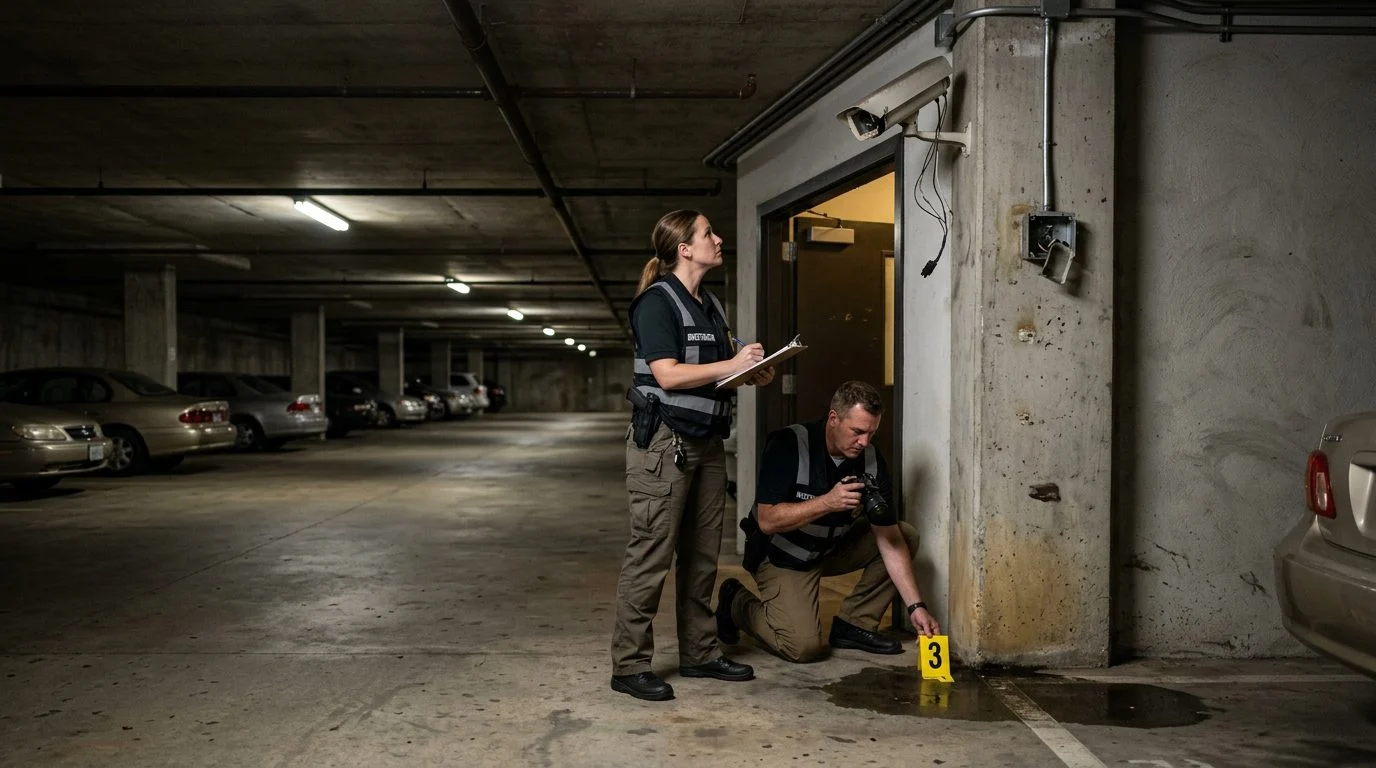
Apartment Premises Liability | Duluth, Georgia
Hurt at an Apartment Complex? Learn How Georgia Premises Liability Can Apply
Slam Dunk Attorney, based in Duluth, represents people injured by unsafe conditions at apartment communities across metro Atlanta and Georgia. Get a clear, plain-language explanation and a free consultation.
By Peter F. Jaraysi · Published October 09, 2026
Apartment complex premises liability is a claim against a property owner or manager whose failure to keep the grounds safe caused someone’s injury. In Georgia, the duty to keep property reasonably safe applies to people invited onto it. This guide explains how these claims work, who may be responsible, and what to do first. Slam Dunk Attorney is a personal injury law firm based in Duluth, Georgia. This page is general information, not legal advice.
What Apartment Complex Premises Liability Means in Georgia
Apartment complex premises liability means a property owner or occupier may be legally responsible when an unsafe condition causes harm. The claim rests on negligence, which means the owner failed to act with reasonable care.
Under O.C.G.A. § 51-3-1, an owner or occupier who invites people onto land for a lawful purpose is liable for injuries caused by a failure to exercise ordinary care. That care covers keeping the premises and approaches safe.
Your status on the property matters. Tenants, guests, delivery drivers, and visitors may be treated differently depending on why they were there. Georgia applies different tests in some security cases based on that status.
Being hurt on property isn’t a claim by itself. You’ll need to show the owner knew or should have known about the danger and didn’t fix it or warn you. Georgia’s rules have exceptions that depend on the facts, so a lawyer should review your situation.
If you were hurt on an apartment property, or lost a loved one there, you may have a claim worth reviewing, so reach out to us for a free case review. Talk it through with our team — the first consultation is free, confidential, and carries no obligation.
Common Injuries and Hazards on Apartment Properties
Apartment injury claims usually involve a dangerous condition, a security failure, an animal, or an amenity that wasn’t kept safe.
- Slip, trip, and fall. Icy walkways, broken stairs, missing handrails, uneven pavement, and water from leaks that were never repaired.
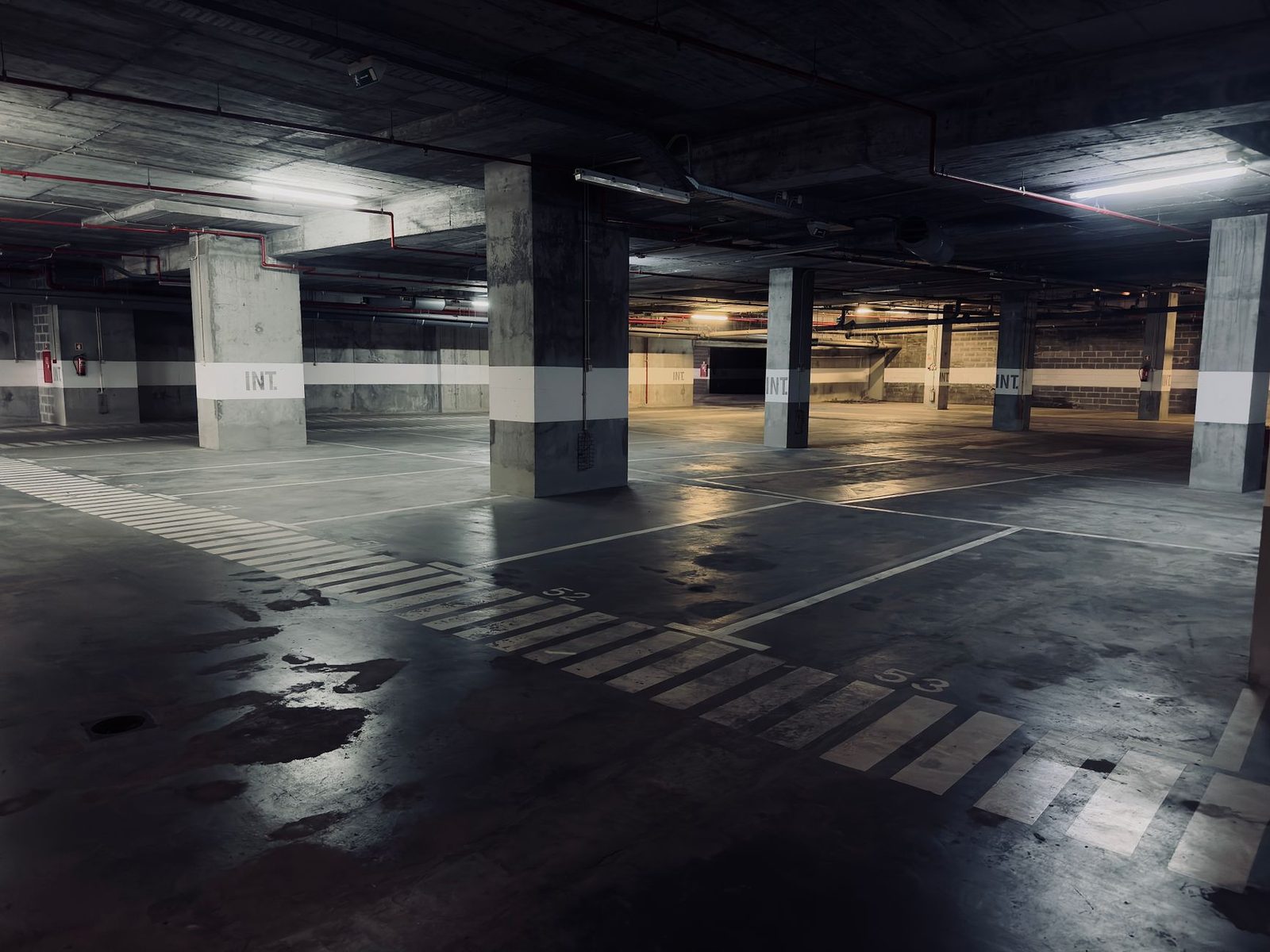
- Negligent security. Poor lighting, broken gate locks, and ignored complaints about trespassers, especially around parking lots and stairwells.
- Pool and playground injuries. Unfenced pools, damaged equipment, and missing supervision or safety signs.
- Dog bites. Animals kept on the property, including in common areas. Georgia law may hold an owner or keeper liable when careless management or letting an animal run loose causes injury, under O.C.G.A. § 51-2-7.
- Structural and environmental hazards. Balconies or railings that give way, falling ceiling material, electrical faults, and mold or water damage.
- Fatal incidents. Wrongful death claims when a dangerous condition or security failure causes a death.
Negligent security cases are the hardest to evaluate. Under O.C.G.A. § 51-3-51, the plaintiff must prove the criminal act was reasonably foreseeable. Proof can include prior similar incidents on the property that the owner actually knew about, or on nearby property within 500 yards. A crime on the property does not prove the owner was negligent.
Who May Be Responsible for an Apartment Injury
The owner, the management company, and outside contractors may each be responsible, depending on who controlled the hazard.
- The owner. This may be an individual, an LLC, or an investment entity that holds the property.
- The management company and on-site staff. Their responsibility depends on how much control they had over maintenance, security, and repairs.
- Outside contractors. Repair crews, landscapers, pool companies, and security firms can be involved if their work was careless. A security contractor faces liability only to the same extent as an owner, under O.C.G.A. § 51-3-57.
Georgia divides fault among the parties. Under O.C.G.A. § 51-12-33, each liable person is responsible for its own apportioned share, and that share is not joint. Fault can also be assigned to others who contributed to the harm.
Insurance matters too. The owner’s liability policy, and sometimes the management company’s policy, may respond. Coverage limits can shape how a claim is handled, so ask early which policies may apply.
How an Apartment Premises Liability Claim Works
A claim usually moves from medical care and evidence gathering to a case review, an investigation, insurer negotiations, and, if needed, a lawsuit.
- Get medical care and document it. Some injuries show up days later. Keep every bill, report, and work note.
- Report the incident in writing. Send a written report to the management company and keep a copy.
- Preserve evidence. Take photos, collect witness names, and request security footage and maintenance records in writing.
- Free consultation or case review. A lawyer asks about the incident, your injuries, your lease, and any insurance contact so far.
- Investigation. This can include records requests, a property inspection, and a review of prior incidents or code violations.
- Claim and, if needed, suit. The claim goes to insurers. If it isn’t resolved, a lawsuit may be filed in the proper Georgia court.
Georgia generally allows two years from the injury to file most personal injury lawsuits, under O.C.G.A. § 9-3-33 (Cameron v. JMP Pizza, Inc. (2026)). Exceptions exist, including some for minors and for people with certain disabilities, under O.C.G.A. § 9-3-90. Don’t wait to ask a lawyer about your deadline.
Why Work With Slam Dunk Attorney
Slam Dunk Attorney is a personal injury law firm in Duluth, Georgia. The firm handles apartment complex premises liability, negligent security, slip and fall, and dog bite claims.
The firm also represents people in car, truck, motorcycle, and pedestrian accident cases, and in nursing home abuse and wrongful death matters. It serves Atlanta and communities including Lawrenceville, Johns Creek, Alpharetta, Marietta, Norcross, Kennesaw, and Dunwoody.
The firm explains each step in plain language. It answers your questions about the process and what a lawyer will need from you.
Fees are explained in the written fee agreement. Clients may still owe court costs and case expenses under that agreement, so read it closely before you sign.
This page does not list case results, verdicts, or settlement amounts. No outcome is predicted or promised, because every case depends on its own facts.
Frequently Asked Questions About Apartment Premises Liability
Can I file a claim if I was a guest, not a tenant?
Visitors and guests may have claims, depending on why they were there and the facts. A lawyer can review your status.
What if I was partly at fault?
Georgia reduces damages by your share of fault, and you cannot recover if you are 50 percent or more responsible, under O.C.G.A. § 51-12-33. Ask a lawyer how this applies to your facts.
Does my lease stop me from suing?
Lease terms, including waiver or arbitration language, can affect a claim. Review them with a lawyer before you sign anything new.
Should I talk to the property’s insurance adjuster?
Speak with a lawyer before giving a recorded statement or signing a release. The adjuster works for the insurer, not for you.
What if my child was hurt in an apartment pool or playground?
Minors may have different deadlines under Georgia law. Have a lawyer review the case promptly.
What if the injury was caused by a criminal attack?
Negligent security claims turn on whether the danger was foreseeable and what steps the property took. The facts decide the analysis.
How much will this cost me up front?
Fee terms are in the written fee agreement. Clients may still owe court costs and case expenses.
Not sure what your next step is?
Talk it through with our team — the first consultation is free, confidential, and carries no obligation.
Talk to Our Team About Your Apartment Injury
If you were hurt on an apartment property, or lost a family member in an incident there, the details you have now matter. Photos, medical records, and witness names are easiest to gather while they’re fresh. Reach out to Slam Dunk Attorney for a free case review, through our contact page.
Responsible attorney: Slam Dunk Attorney, Duluth, Georgia. Contact details are listed on the contact page linked above. This page is general information, not legal advice, and it does not create an attorney-client relationship.
How We Can Help With an Apartment Injury Claim
Review the Property Conditions
We look at where the injury happened, who controlled that area, and whether the hazard was reported or should have been noticed and fixed.
Organize Your Records
Lease agreements, maintenance requests, photos, incident reports, and medical records can all help explain what happened.
Identify Potentially Responsible Parties
Depending on the facts, responsibility may involve a property owner, management company, maintenance contractor, or security provider.
Plain-Language Answers
We explain your options in everyday terms so you can make informed decisions about your situation.
Protect Your Health First
Seek medical care for any injury, even if it seems minor. A medical record also documents your condition. When it is safe, report the hazard to property management in writing and keep a copy.
Common Apartment Hazards We Review
Broken Stairs and Railings
Loose steps, missing handrails, and damaged balconies can cause serious falls in stairwells and walkways.
Poor Lighting and Security Gaps
Dark parking lots, broken gates, and unlocked common doors may lead to assaults in some cases. These claims are fact-specific.
Icy or Uneven Walkways
Cracked pavement, standing water, and untreated ice in shared areas can create hidden dangers for residents and guests.
Dog Bites on the Property
Attacks by a resident's dog or a neighbor's animal in common areas may give rise to a dog bite claim under Georgia law.