
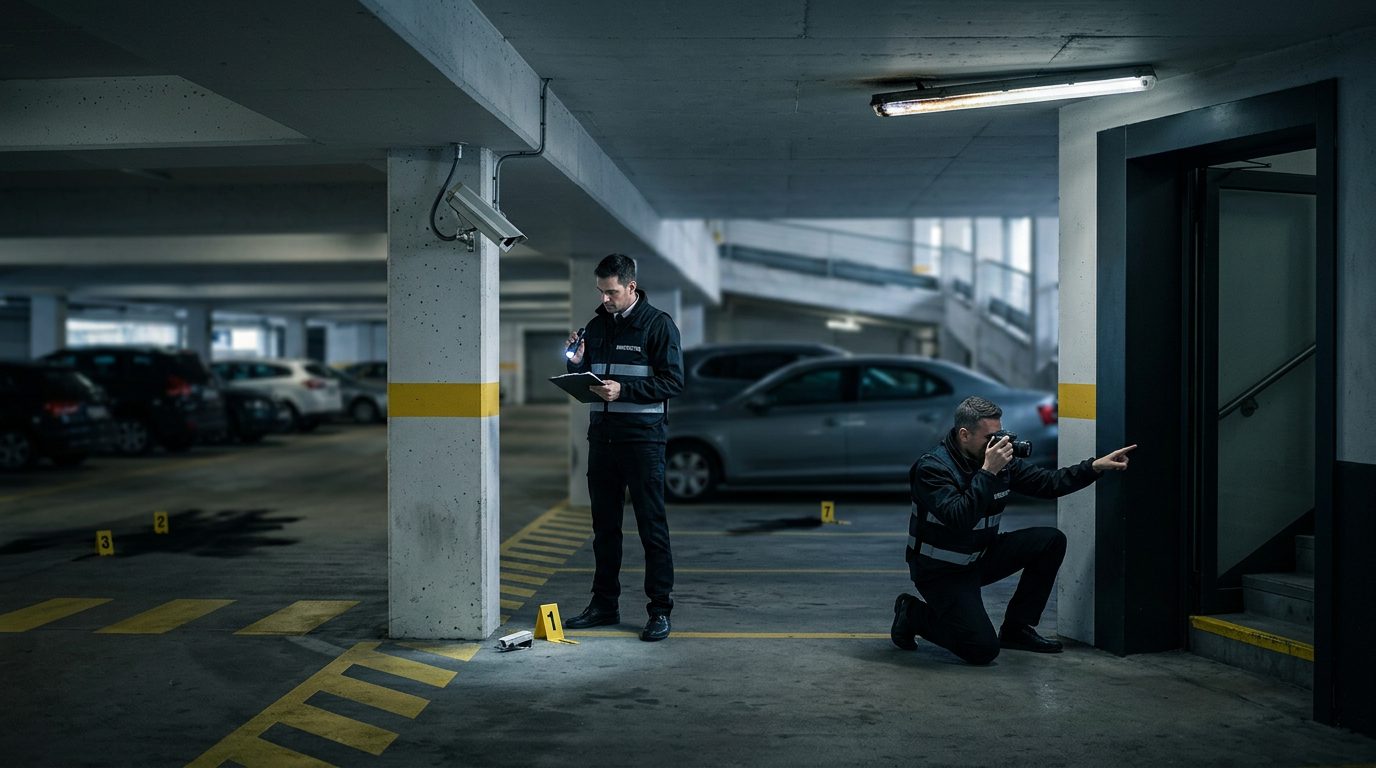
Premises Liability
Negligent Security: When Property Owners Fail to Prevent Injuries
Property owners have a duty to protect visitors from foreseeable harm. If inadequate security led to your injury, whether a claim exists depends on the facts of your situation, and a lawyer can review your own case.
By Peter F. Jaraysi · Published September 25, 2026
Negligent Security: When Property Owners Fail to Prevent Crime
A property owner’s failure to provide reasonable security measures can make them legally responsible if a criminal act harms you on their premises. This is called negligent security, and it’s distinct from the crime itself—it focuses on whether the owner should have done more to prevent or reduce the risk of that crime happening.
If you were assaulted, robbed, or otherwise harmed during a crime at an apartment complex, parking lot, retail store, hotel, or office building, the owner’s inadequate security may have played a role. Understanding what negligent security means, when property owners have a legal duty to protect visitors and tenants, and what evidence courts examine can help you assess whether your situation warrants a conversation with a lawyer.
If you were harmed by a crime on someone else's property, whether a claim exists depends on the facts of your situation. Talk it through with our team — the first consultation is free, confidential, and carries no obligation.
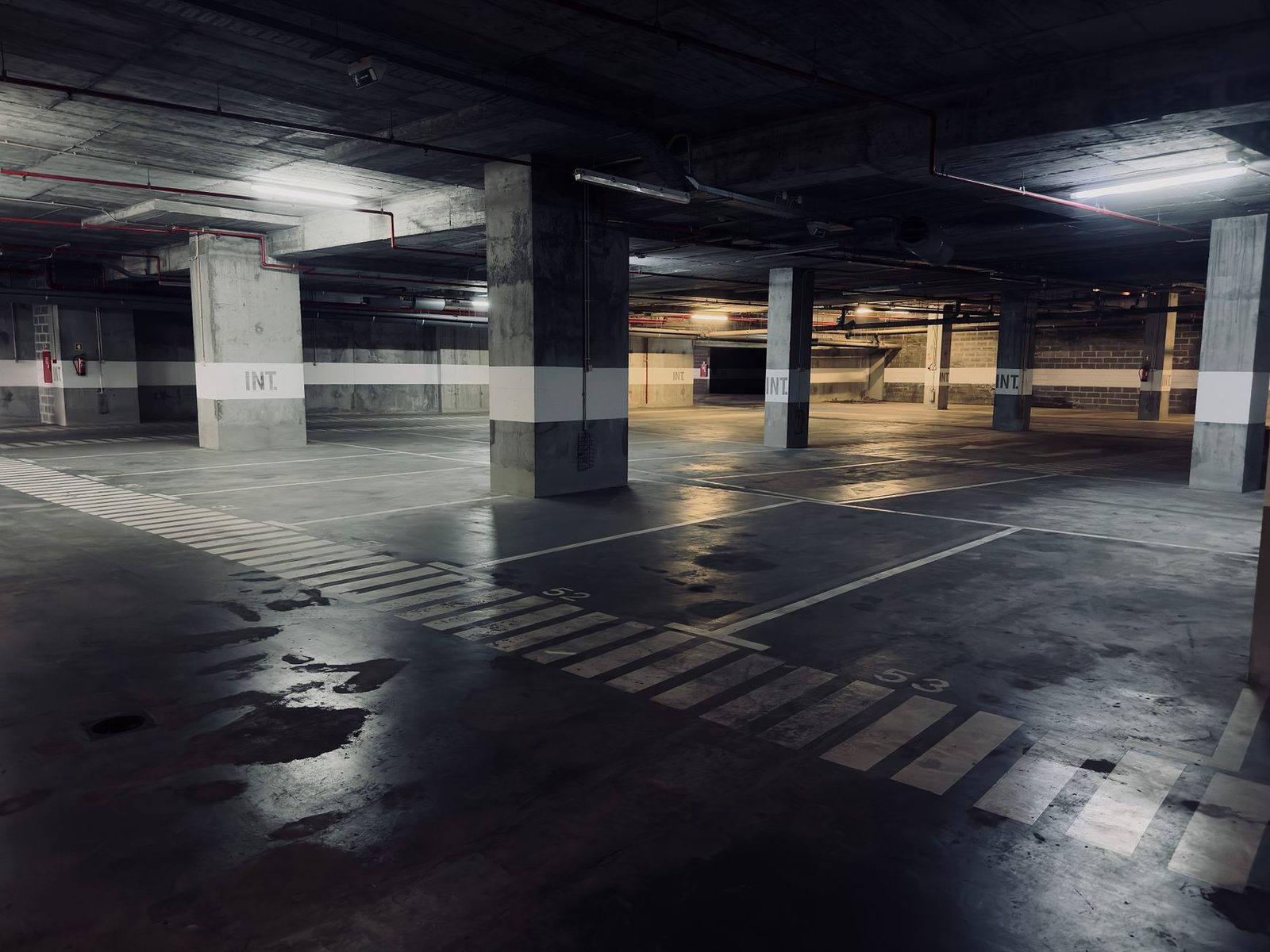
What Is Negligent Security?
Negligent security is a property owner’s failure to provide reasonable protective measures that could have prevented or reduced the risk of criminal activity on their premises.
This isn’t about blaming the property owner for the crime itself—it’s about whether the owner took reasonable steps to protect people lawfully on the property. A broken door lock, missing lighting in a parking lot, absent security cameras, no security personnel, or weak access controls are examples of negligent security. The concept applies to apartments, office buildings, parking lots, retail stores, hotels, and other commercial or residential properties.
The key distinction is this: the criminal is responsible for committing the crime. The property owner is responsible for failing to provide reasonable security that might have made that crime less likely or less severe. These are separate legal responsibilities.
When Does a Property Owner Have a Duty to Provide Security?
Under Georgia law, property owners generally owe a duty of reasonable care to people lawfully on their premises, which may include taking reasonable steps to protect against foreseeable criminal acts, depending on the facts of each case.
That duty isn’t unlimited. A property owner is not an insurer against all crime. But whether the owner acted reasonably depends on the specific circumstances and risks present at the property. One key question in these cases is whether criminal activity was foreseeable. The answer depends on the facts of each case.
Foreseeability means the property owner knew or should have known that criminal activity was a realistic risk. Depending on the facts, a court may consider the property’s history, the surrounding area, and what a reasonable owner would have anticipated. If prior crimes have occurred at or near the property, or if the neighborhood has a known crime pattern, the owner may have had a duty to strengthen security. Tenant complaints about safety, police reports of incidents on the premises, or a security assessment recommending improvements can all show that the owner should have foreseen the risk.
A single prior incident may not be enough to establish foreseeability, and whether a pattern or trend exists depends on the facts of each case. But the nature of the property matters too. A downtown parking garage has different security expectations than a suburban residential street. A hotel in a high-crime area faces different foreseeable risks than one in a quiet neighborhood.
What Is “Foreseeability” in Negligent Security Cases?
Foreseeability is the legal standard that determines whether a property owner should have anticipated criminal activity and taken steps to prevent it.
Courts don’t require the owner to predict the exact crime or the exact criminal. Instead, they ask: given the property’s location, history, and the types of crimes common in the area, should the owner have recognized that crime was a realistic risk?
Evidence of foreseeability includes prior assaults, robberies, or thefts on the property; police reports; written complaints from residents or employees about safety concerns; and known neighborhood crime patterns. If a property owner had access to that information—through police reports, community crime statistics, or tenant complaints—courts may find that the risk was foreseeable.
The property’s physical features also matter. Poor lighting in a parking lot, overgrown landscaping that hides attackers, or broken locks on common doors are conditions that make crime easier. A reasonable owner, knowing the area’s crime patterns, may be expected to address these vulnerabilities, depending on the facts of the case.
Common Negligent Security Scenarios
Negligent security claims arise in many settings where people gather or live.
Apartment complexes often involve broken door locks, missing gate access systems, inadequate lighting in common areas and parking lots, absent security cameras, or no security personnel. Residents expect reasonable measures to control who enters the building and to deter criminal activity in shared spaces.
Parking lots and garages frequently lack adequate lighting, have no attendant or security presence, have no surveillance cameras, or have overgrown landscaping that provides cover for attackers. These are high-risk areas because they’re often isolated and poorly monitored.
Retail stores and malls may fail to maintain sufficient security personnel, lack panic buttons for employees, or fail to respond to known threats or prior incidents of shoplifting, assault, or robbery.
Hotels and motels sometimes have weak key card systems that allow unauthorized access, no security presence in hallways or lobbies, or a failure to respond to guest complaints about suspicious activity or safety concerns.
Office buildings may have unlocked entrances, no visitor screening or sign-in procedures, or no security during evening or weekend hours when fewer people are present.
In each setting, the question is whether the owner took reasonable steps given the foreseeable risks.
What Must Be Proven in a Negligent Security Claim?
First, the property owner owed a duty of care to the person harmed. Whether the duty applies depends on the facts, but generally owners owe a duty to people lawfully on their premises.
Second, the owner breached that duty by failing to provide reasonable security. This requires evidence of what security measures were absent or inadequate and why a reasonable owner would have provided them.
Third, the breach was a cause of the harm. Whether this element can be shown depends on the facts of each case. The injured person must show that the inadequate security made the crime possible or more likely. For example, if a parking lot had no lighting and a victim was assaulted in darkness, the lack of lighting may have contributed to the crime. If a building had no lock on a common door and an intruder entered easily, the broken lock may have enabled the crime.
Fourth, the person harmed suffered actual injury or loss—medical bills, lost wages, pain and suffering, or property damage. Under Georgia law, the injured person generally bears the burden of establishing the connection between the security failure and the crime, and what evidence is needed depends on the facts of each case.
Not sure what your next step is?
Talk it through with our team — the first consultation is free, confidential, and carries no obligation.
Defenses Property Owners May Raise
Property owners and their insurers may contest negligent security claims. Understanding common defenses helps you see why legal analysis is necessary.
An owner may argue that the crime was not foreseeable based on the property’s history and location. If there were no prior crimes at or near the property, and the neighborhood has a low crime rate, the owner may claim they had no reason to anticipate this particular incident.
An owner may also argue that they took reasonable security measures given the circumstances. If the property had good lighting, working locks, security cameras, or a security guard, the owner may contend that they met their duty of care.
Some owners argue that the criminal act was so unusual or extreme that no reasonable security would have prevented it. Whether this defense applies depends on the facts of each case.
An owner may also raise comparative fault (shared responsibility). If the injured person was partially responsible for the harm—for example, by ignoring warning signs or being in an area they were told to avoid—Georgia law may reduce damages accordingly, depending on the facts of the case and how comparative fault rules apply. Consult a lawyer about your own situation.
Finally, an owner may claim they had no notice of prior criminal activity. If they genuinely didn’t know about prior crimes on the property or in the area, they may argue foreseeability was not established.
How Negligent Security Differs from Other Premises Liability Claims
Premises liability is a broad category that includes several types of claims. Negligent security is one, but it’s important to understand how it differs from others.
Slip and fall claims involve injury from a hazardous condition—a wet floor, a broken step, debris left on a walkway. The injury results from a property defect, not a criminal act.
Negligent maintenance claims focus on the owner’s failure to repair or upkeep the property. A broken railing, a leaking roof, or faulty plumbing are maintenance issues. Negligent security is about protective measures against crime.
Negligent hiring or supervision claims target an employer’s failure to screen or monitor employees. If an employee commits a crime or acts recklessly, the employer may be liable. Negligent security focuses on the property itself and the owner’s duty to protect against third-party criminal acts.
All three are premises liability claims, but each requires different evidence and legal analysis. Negligent security is unique because it requires proof of foreseeability and a causal link between the security failure and a criminal act.
What Damages May Be Available?
If negligent security is established, damages for the harm suffered may be available, depending on the facts of your case. No outcome is guaranteed.
Medical expenses include emergency care, hospitalization, ongoing treatment, surgery, physical therapy, mental health counseling, and medications. Keep all receipts and medical records.
Lost wages cover income you lost while recovering or unable to work due to injury.
Pain and suffering compensates for physical pain, emotional distress, anxiety, loss of sleep, and loss of enjoyment of life. This category is harder to quantify, and how it applies depends on the facts of each case.
Property damage covers stolen or damaged personal belongings—a purse, phone, jewelry, or vehicle.
Wrongful death damages apply if the crime resulted in death. Surviving family members may recover damages for funeral expenses, loss of financial support, and loss of companionship.
Each case is unique. Damages depend on the severity of harm, the clarity of the evidence linking the security failure to the crime, and the specific circumstances of your situation.
Steps to Take If You Were Harmed Due to Negligent Security
If you were injured by a crime on someone else’s property, certain immediate steps can protect your legal rights.
Report the crime to police. Obtain a police report number or case reference. This creates an official record and may help establish foreseeability if other crimes have occurred at the same location.
Seek medical attention. Get evaluated and treated for any injuries. Keep all medical records, bills, and receipts. These documents are essential evidence of your harm.
Document the property’s security. If it’s safe to do so, take photos or videos of lighting, locks, cameras, signage, landscaping, and other security features (or the lack thereof). Note the date and time. This visual evidence is powerful in court.
Gather witness information. Collect names and contact details of anyone who saw the incident or can testify about the property’s condition.
Preserve evidence. Keep clothing, personal items, or other physical evidence related to the incident. Don’t clean or discard anything that might be relevant.
Report the incident to the property owner or manager in writing if you haven’t already. A written report creates a record that the owner was notified.
Do not discuss the incident on social media or with people outside your immediate family or legal counsel. Anything you post can be used against you later.
Why Consult a Lawyer About Negligent Security
Negligent security claims are complex and require knowledge of Georgia premises liability law, criminal law, and how courts evaluate foreseeability.
An attorney can investigate the property’s history, prior crimes, and security practices. We can obtain police reports, interview witnesses, review security footage, and consult with security experts to evaluate whether the owner’s measures were reasonable.
A lawyer can also identify all responsible parties. Sometimes the property owner is liable, but so is the property manager, a security company hired to protect the premises, or a contractor who failed to repair a lock or light. Each party may carry insurance, and each may be responsible for part of your damages.
Legal counsel can negotiate with insurance companies and handle settlement discussions. Insurance adjusters often undervalue claims or deny them outright. An attorney knows how to present evidence, counter arguments, and push back on lowball offers.
If a case goes to trial, an attorney can present evidence, cross-examine witnesses, and argue on your behalf before a judge or jury.
Many people don’t realize they have a claim. You might assume the crime was simply bad luck or that the property owner bears no responsibility. A lawyer can evaluate your situation objectively and explain your options.
If you were harmed by a crime on someone else's property, you may have a claim—and many people in your situation reach out to discuss what happened. Talk it through with our team — the first consultation is free, confidential, and carries no obligation.
Frequently Asked Questions
Can I sue a property owner for a crime that happened on their premises?
Yes, if the owner failed to provide reasonable security and that failure was a cause of your harm. Foreseeability and breach of duty must be established.
What’s the difference between negligent security and the criminal’s liability?
The criminal is responsible for committing the crime. The property owner is responsible for failing to provide reasonable protective measures. Both can be held liable.
How long do I have to file a negligent security claim in Georgia?
Georgia law sets a deadline for filing injury claims. Consult an attorney promptly to ensure your claim is filed within the required timeframe.
Who can be held liable—the owner, manager, or security company?
Any of them, depending on who had the duty and who breached it. An investigation will identify all responsible parties.
What if the property owner says they didn’t know about prior crimes?
If police reports, neighborhood crime data, or tenant complaints show a pattern of crime, a court may find the owner should have known, even if they claim ignorance.
If you were harmed by a crime on someone else’s property in Georgia, understanding whether negligent security played a role is an important first step. You’re likely still processing what happened and weighing your options. Reach out to discuss your situation with someone who handles these cases regularly—many people in your position do, and we’re here to listen and help you understand what may come next.
Get a free consultation to discuss your negligent security claim with our team.
What Makes a Property Owner Liable
Foreseeability
The owner knew or should have known that criminal activity or harm was reasonably likely at that location.
Breach of Duty
The owner failed to provide reasonable security measures—such as locks, lighting, cameras, or security personnel—appropriate to the risk.
Causation
The lack of security directly contributed to your injury. The crime or harm would likely not have occurred had proper precautions been in place.
Your Injury
You suffered actual harm—physical injury, emotional distress, medical bills, or other damages—as a result.
Common Negligent Security Scenarios
Assault or Robbery
An attacker targets you in a parking lot, stairwell, or business entrance where lighting is poor or security is absent, despite prior crimes in the area.
Break-In or Burglary
A criminal enters an apartment complex, hotel, or retail space through an unsecured door or window, or a broken lock goes unrepaired for weeks.
Sexual Assault
An individual gains access to a property—a residential building, nightclub, or parking garage—without adequate screening, vetting, or security presence.
Repeated Criminal Activity
A property owner ignores a pattern of crimes on the premises and fails to increase security, hire guards, or install cameras despite notice.
Important Distinction
The criminal who committed the act is responsible for their own conduct. A negligent security claim focuses on whether the property owner failed in their duty to protect you from a foreseeable risk through reasonable security measures.
Questions About Your Negligent Security Claim
Can I sue a property owner for a crime on their premises?
Yes, if the owner failed to provide reasonable security and that failure was a cause of your harm. Foreseeability and breach of duty must be established.
What counts as 'reasonable security'?
It depends on the location, type of property, and history of crime. A high-crime area may require more robust measures than a quiet residential neighborhood.
Does the property owner have to know about prior crimes?
Not always. If criminal activity was foreseeable based on the area, property type, or circumstances, the owner may still owe a duty to provide security even without prior incidents.
What if I signed a waiver?
A waiver may limit liability in some cases, but it cannot eliminate a property owner's duty to protect you from foreseeable criminal harm through negligence.
Why You Need an Attorney for Negligent Security
Complex Liability Analysis
Proving foreseeability and breach requires investigation into prior crimes, security records, industry standards, and the property's specific circumstances.
Evidence Collection
We gather police reports, security footage, maintenance logs, and expert testimony to establish what the owner knew and what they should have done.
Negotiation with Insurers
Property owners' insurance companies often dispute negligent security claims. We handle the legal arguments so you can focus on recovery.
Timely Action
Evidence can disappear and memories fade. Early legal involvement preserves critical facts and protects your rights.
If you were harmed due to inadequate security, we're here to help.
Related practice areas
- Inadequate Lighting Premises Liability in Georgia