

Georgia Premises Liability
Understanding Your Rights When Injured on Someone Else's Property
Georgia law holds property owners accountable for unsafe conditions. Learn how premises liability works and what you need to know.
By Peter F. Jaraysi · Published October 01, 2026
Georgia Premises Liability Laws & Rules Explained
Premises liability is the legal responsibility property owners have when someone is injured on their property. In Georgia, premises liability laws establish clear duties that property owners must follow. These duties vary depending on who is on the property and why.
If you've been hurt on someone else's property in Georgia and you're trying to understand whether you might have a claim, reach out to talk through what happened—people in your situation contact us regularly. Talk it through with our team — the first consultation is free, confidential, and carries no obligation.
What Falls Under Premises Liability?
Premises liability covers injuries caused by unsafe conditions on someone else’s property. This includes slip and fall claims, dog bites, negligent security, broken stairs, inadequate lighting, and similar hazards.
Premises liability applies to homes, businesses, rental properties, and public spaces. The property owner must have failed to maintain safe conditions or warn of known dangers. The owner doesn’t have to have caused the injury directly—only that they failed in their duty to keep the property reasonably safe.
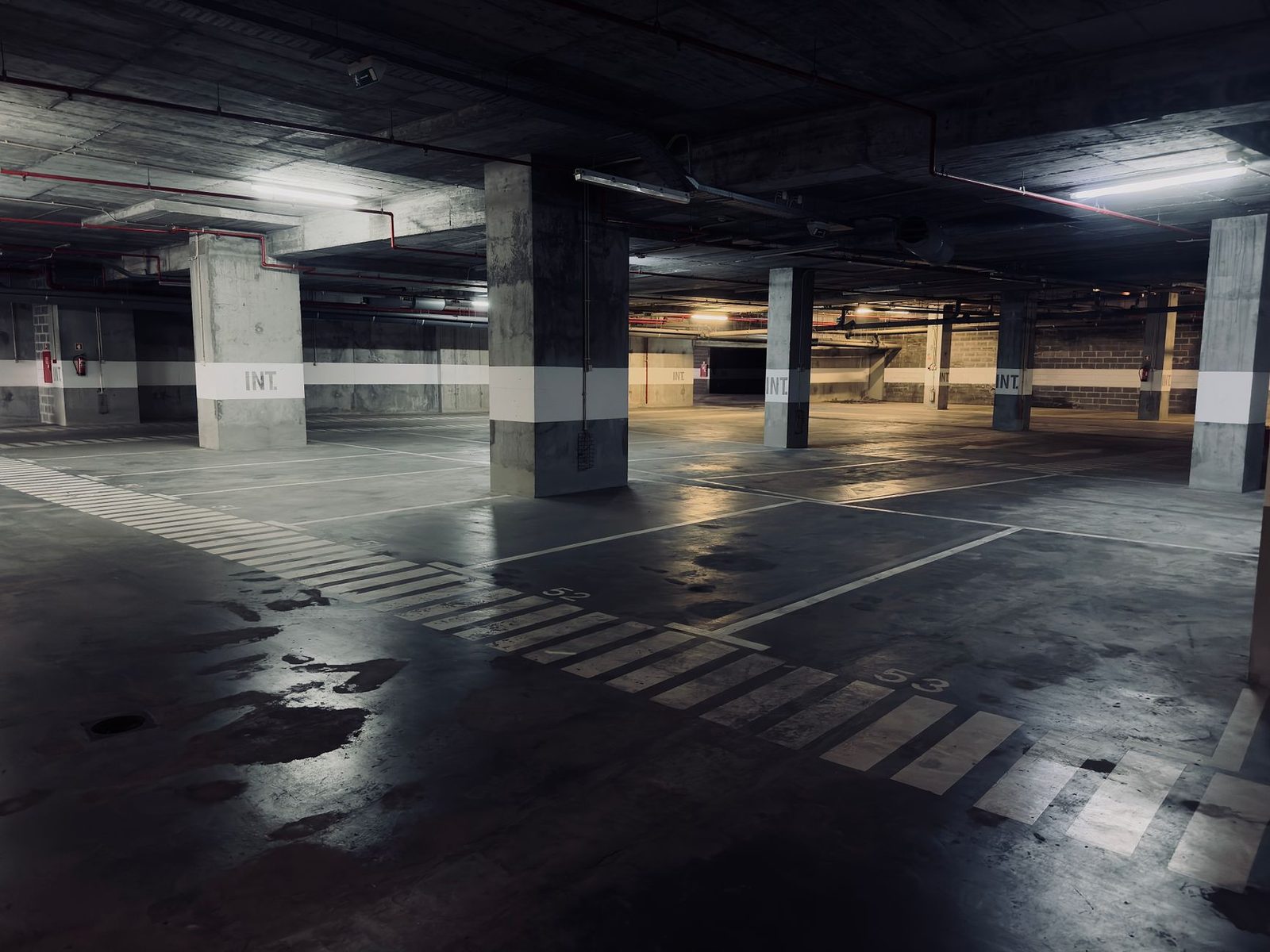
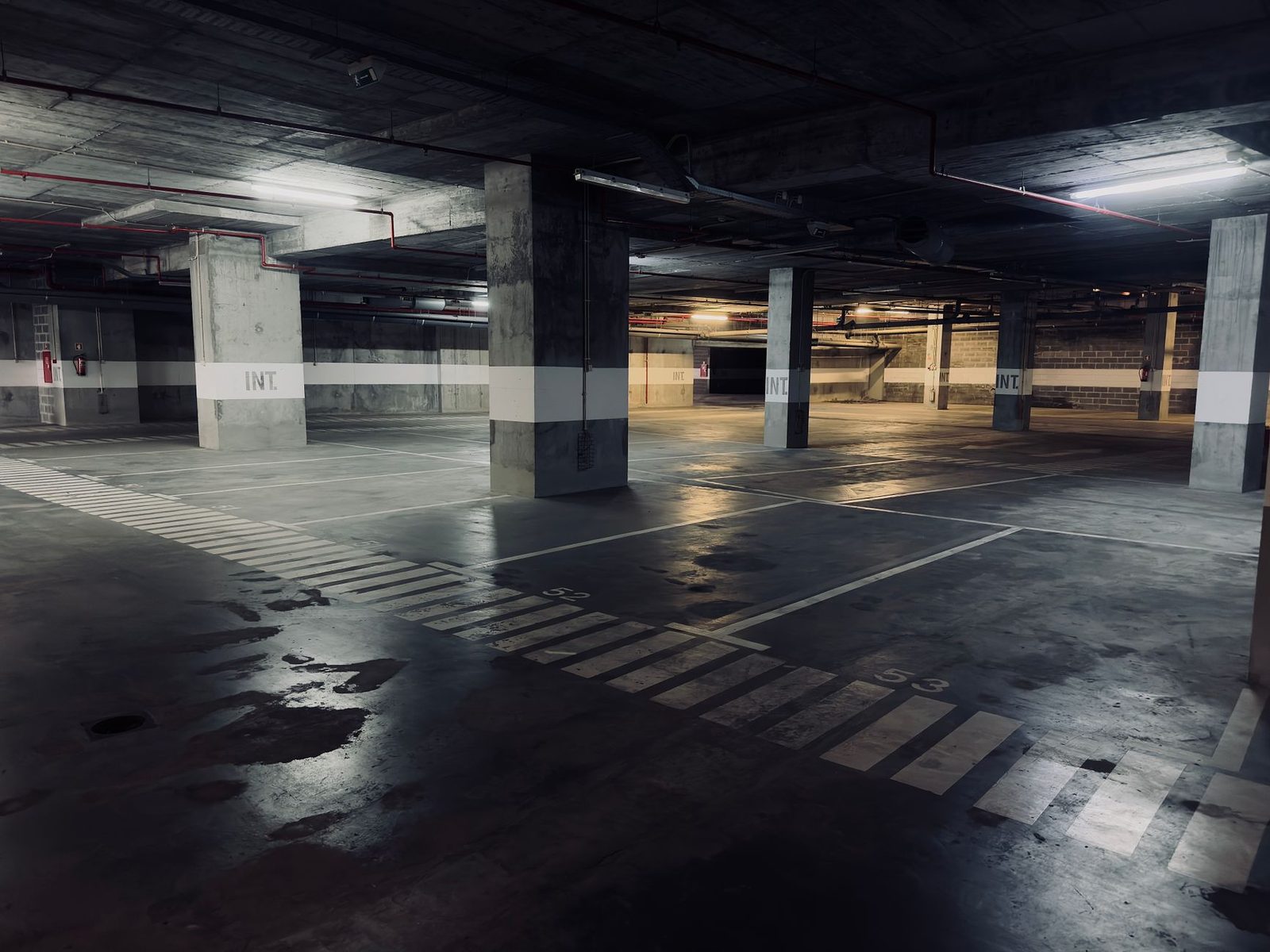
Common premises liability cases involve a customer slipping on a wet floor in a store. A guest might trip on a broken step. A visitor could be bitten by an unsecured dog. Someone might be assaulted in a poorly lit parking lot. Each situation involves a property owner’s failure to prevent or warn of a hazard.
Georgia’s Premises Liability Legal Framework
Georgia recognizes premises liability claims under negligence law and common law principles. The property owner’s duty depends on the visitor’s legal status: invitee, licensee, or trespasser. Georgia courts apply a “reasonable care” standard. They ask whether the property owner acted as a reasonably careful person would in similar circumstances.
The property owner must either maintain the property safely or warn visitors of known hazards. This duty is not absolute. It depends on what the owner knew or should have known about dangerous conditions.
What Are the Four Elements of Negligence?
To win a premises liability claim in Georgia, you must prove all four elements of negligence:
Duty: The property owner owed you a legal duty of care. This depends on your status as invitee, licensee, or trespasser.
Breach: The property owner failed to meet that duty. They either created an unsafe condition, failed to repair a known hazard, or failed to warn of a danger.
Causation: The breach directly caused your injury. The unsafe condition was the reason you were hurt.
Damages: You suffered actual harm. This includes medical bills, lost wages, pain and suffering, or other losses.
If any one of these four elements is missing, you won’t have a viable premises liability claim. In the premises liability cases our attorneys handle, establishing causation is often the most contested element. The property owner may argue that something else caused the injury, not the unsafe condition.
Duties: Trespasser, Licensee, or Invitee?
Georgia law recognizes three categories of visitors. Each has different legal protections:
Invitee (highest duty): Someone invited onto the property for business or mutual benefit. This includes customers in a store, guests at a business event, patients at a medical office, or attendees at a public gathering. The owner must maintain the property safely and warn of hidden dangers. This is the strongest legal protection.
Licensee (moderate duty): Someone on the property with permission but not for business purposes. This includes a friend visiting your home, a social guest, or a delivery person. The owner must warn of known hazards. They are not required to inspect for unknown dangers or maintain the property to the same standard as for invitees.
Trespasser (lowest duty): Someone on the property without permission. The owner generally owes no duty to maintain the property safely or warn of hazards. However, the owner cannot intentionally harm a trespasser or set traps.
Your status as invitee, licensee, or trespasser determines what the property owner owed you. It also determines whether they breached that duty.
Georgia Premises Liability Statute and Deadlines
Georgia Code § 51-3-1 governs premises liability duties in Georgia. Georgia Code § 34-2-3 establishes the statute of limitations for personal injury claims, including premises liability.
Georgia recognizes the “natural accumulation” rule for snow and ice. Property owners are generally not liable for naturally occurring snow or ice. However, they may be liable if they created the hazard or failed to warn of it.
The statute of limitations for premises liability claims in Georgia is two years from the date of injury. This deadline is strict. If you miss it, you lose the right to pursue a claim.
Not sure what your next step is?
Talk it through with our team — the first consultation is free, confidential, and carries no obligation.
Willful and Wanton Conduct in Premises Liability
Beyond ordinary negligence, Georgia recognizes claims for “willful and wanton” conduct. This occurs when a property owner acts with reckless disregard for others’ safety.
Examples include knowingly leaving a dangerous condition unfixed for an extended period. Deliberately concealing a hazard also qualifies. Ignoring repeated complaints about an unsafe condition is another example.
Willful and wanton conduct can support higher damages. It may also affect insurance coverage. It represents a more serious breach of duty than simple negligence.
Negligent Security in Georgia
Property owners have a duty to provide reasonable security measures. They must protect invitees from foreseeable criminal acts. Negligent security claims arise when inadequate lighting, broken locks, lack of security personnel, or failure to respond to prior crimes leads to injury or assault.
The property owner must have known or should have known of the risk of criminal activity on the premises. Georgia courts examine whether the security measures were reasonable. They consider the nature of the property and the foreseeability of crime. In metro Atlanta, negligent security claims often involve parking lots, apartment complexes, retail stores, and entertainment venues.
Examples of Premises Liability Cases
Slip and fall: A customer slips on spilled liquid in a grocery store. The liquid had been there for hours without warning or cleanup.
Dog bite: A visitor is bitten by a dog on the owner’s property. The owner knew the dog was aggressive but failed to restrain or warn the visitor.
Unsafe stairs or railings: A guest falls down stairs with a broken railing. The homeowner knew the railing was damaged but didn’t repair it.
Negligent security: An assault occurs in a parking lot with broken lighting and no security presence. Prior incidents in the area made the risk foreseeable.
Nursing home neglect: A resident falls due to inadequate supervision or unsafe conditions in a facility.
Each case turns on whether the property owner breached a duty of care owed to the injured person.
How Long Are You Liable After Selling a House in Georgia?
A property owner’s liability generally ends when they sell the property. Ownership transfers to the new owner. However, the seller may remain liable for injuries caused by conditions that existed before the sale. This applies if the seller knew of the hazard and did not disclose it to the buyer.
The new owner assumes liability for conditions on the property after taking ownership. This is why property disclosures and inspections are important. They help establish what condition the property was in at the time of sale. They also protect both buyer and seller.
What Damages Are Available for a Premises Liability Claim?
Medical expenses: Past and future treatment, surgery, therapy, and medication.
Lost wages: Income lost due to time away from work during recovery.
Pain and suffering: Compensation for physical pain, emotional distress, and reduced quality of life.
Permanent disability: Additional damages if the injury results in lasting impairment or loss of function.
Property damage: In some cases, damage to personal belongings. This is less common in premises liability.
The amount of damages depends on the severity of your injury. It also depends on the clarity of the property owner’s negligence. The strength of your evidence matters too.
If you've been hurt on someone else's property in Georgia and you're trying to understand whether you might have a claim, reach out to talk through what happened—people in your situation contact us regularly. Talk it through with our team — the first consultation is free, confidential, and carries no obligation.
What to Do After a Premises Liability Accident
Seek medical attention immediately, even if injuries seem minor. Medical records establish the connection between the accident and your injuries.
Report the incident to the property owner or manager. Request a written incident report.
Take photos of the hazardous condition, the scene, and your injuries if possible.
Collect contact information from any witnesses who saw what happened.
Keep records of all medical treatment, expenses, and time away from work.
Do not sign any documents or agree to settlements without legal advice.
Contact a premises liability attorney to understand your rights and options. The two-year deadline moves quickly.
Frequently Asked Questions
What is the statute of limitations for a premises liability claim in Georgia?
You generally have two years from the date of injury to file a premises liability lawsuit in Georgia. After that, you lose the right to pursue a claim.
Can I sue if I was partially at fault for the accident?
Georgia recognizes comparative negligence. You may still recover even if you were partially at fault. However, your recovery is reduced by your percentage of fault.
What if the property owner didn’t know about the hazard?
If the property owner should have known about the hazard through reasonable inspection or maintenance, they may still be liable. Actual knowledge is not always required.
How do I prove the property owner knew about a dangerous condition?
Evidence includes prior complaints, maintenance records, security camera footage, witness statements, and the length of time the condition existed.
Do I need to prove the property owner caused the hazard?
No. You only need to prove the property owner failed to maintain safe conditions or warn of known hazards. You don’t need to prove they created the problem.
If you’ve been hurt on someone else’s property in Georgia, you may have a premises liability claim. Reach out to discuss what happened. People in your situation contact us regularly.
Contact Slam Dunk Attorney for a free consultation
and let us review your case.
Key Premises Liability Concepts in Georgia
Duty of Care
Property owners must maintain their premises in a reasonably safe condition and warn visitors of known hazards. This duty applies to slip-and-fall accidents, dog bites, negligent security, and other unsafe conditions.
Visitor Status Matters
Georgia law recognizes different categories of visitors—invitees, licensees, and trespassers—and the property owner's duty of care varies depending on the visitor's status and whether the hazard was known or should have been known.
Comparative Negligence
Georgia allows recovery even if you bear some responsibility for the injury. Your award is reduced by your percentage of fault, so long as you are less than 50% at fault; if you are 50% or more at fault, you recover nothing.
Statute of Limitations
You generally have two years from the date of injury to file a premises liability lawsuit in Georgia. Missing this deadline bars your claim entirely.
How Slam Dunk Attorney Handles Your Premises Liability Case
We Investigate Thoroughly
We gather evidence about the hazard, how long it existed, and what the property owner knew or should have known. This foundation is critical to establishing liability.
We Handle All the Paperwork
From demand letters to court filings, we manage the legal process so you can focus on recovery. We meet all deadlines and comply with Georgia's procedural rules.
We Communicate Clearly
We explain premises liability law in plain language, keep you informed at every step, and answer your questions honestly about your claim.
We're Available When You Need Us
Based in Duluth and serving metro Atlanta and Georgia, we're accessible and ready to discuss your injury and next steps.
Important: Act Within the Time Limit
Georgia law sets a strict deadline for filing premises liability lawsuits. Waiting too long can cost you your right to recover. If you've been injured on someone else's property, don't delay in reaching out.
Common Premises Liability Scenarios We Handle
Slip and Fall
Wet floors, broken stairs, poor lighting, or debris left unattended can cause serious injuries. We investigate whether the property owner failed to maintain safe conditions or warn of hazards.
Dog Bites
Georgia law holds dog owners liable for injuries caused by their animals. We pursue claims for medical expenses, scarring, and other damages resulting from dog bite injuries.
Negligent Security
Property owners have a duty to provide reasonable security. If inadequate lighting, broken locks, or lack of security personnel contributed to your injury or assault, we can hold them accountable.
Nursing Home Abuse
Facilities must protect residents from harm. We investigate cases of neglect, mistreatment, and unsafe conditions that harm elderly or vulnerable residents.