
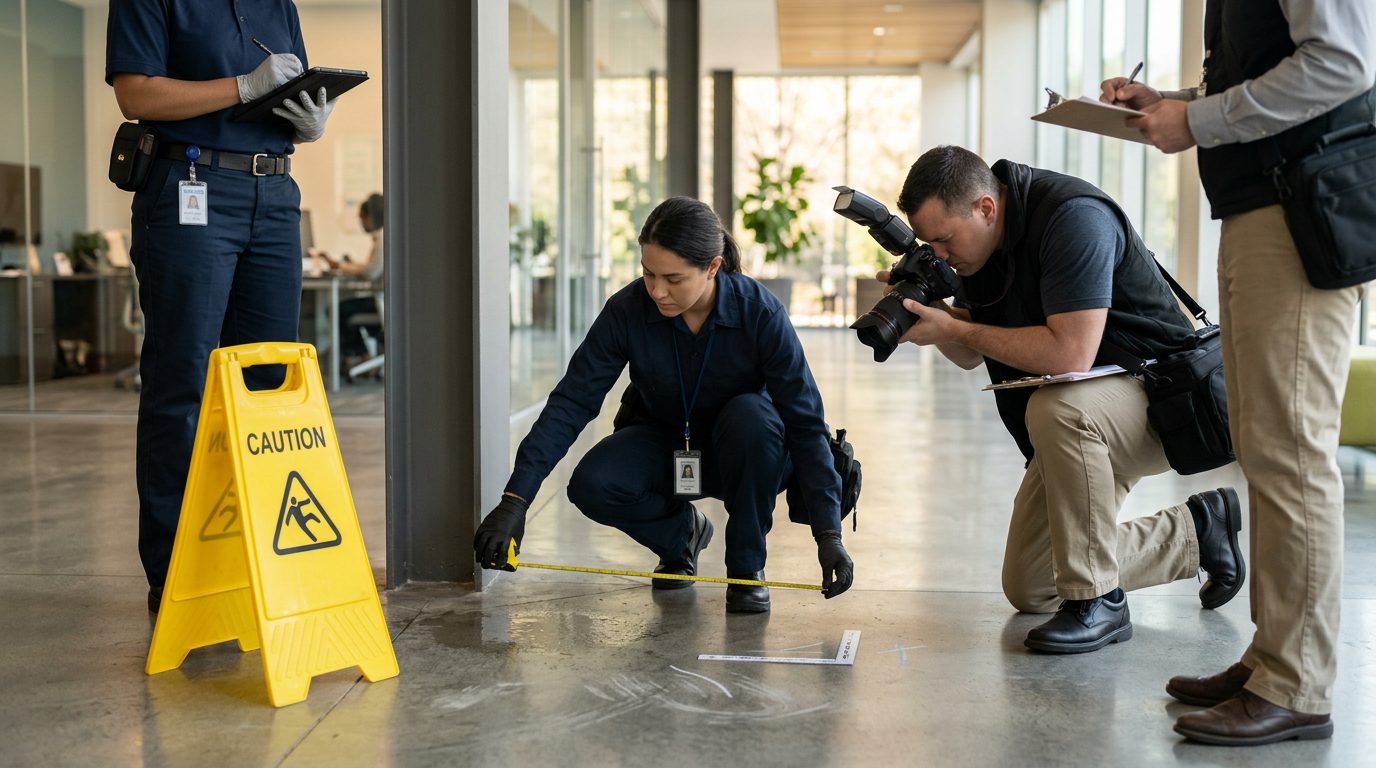
Premises Liability | Duluth, Georgia
Hurt on Someone Else's Property? Learn How Georgia Premises Claims Work
Plain-language answers from Slam Dunk Attorney for people injured in homes, stores, apartments, vacation rentals and other properties across metro Atlanta. Your first consultation is free, confidential and comes with no obligation to continue.
By Peter F. Jaraysi · Published October 22, 2026
Premises liability is a claim against the person who controls a property when a dangerous condition there causes someone’s injury. In Georgia, the injured person generally must show that the owner failed to use ordinary care to keep the property safe. This guide explains premises liability 30303 claims in plain terms, covering injuries on commercial, residential and mixed-use property in and around ZIP code 30303 in Atlanta.
What premises liability means under Georgia law
Premises liability is a claim against the owner or occupier of property when an unsafe condition there causes injury. An occupier is the person in control of the property, even if they don’t own it. Under O.C.G.A. § 51-3-1, an owner or occupier who invites people onto the property for a lawful purpose must use ordinary care to keep the premises and approaches safe. In plain terms, that means fixing hazards or warning visitors about them.
Owners aren’t insurers of everyone’s safety.
Your status on the property also counts. An invitee is invited for business, such as a shopper in a store or a tenant’s guest. A licensee is allowed on the property for the visitor’s own purpose, like a social guest. A trespasser is there without permission. Under the negligent security statutes, an owner is not liable to a trespasser.
If a fall or an attack on someone's property left you hurt and unsure what comes next, our team can talk through your situation with you. Talk it through with our team — the first consultation is free, confidential, and carries no obligation.
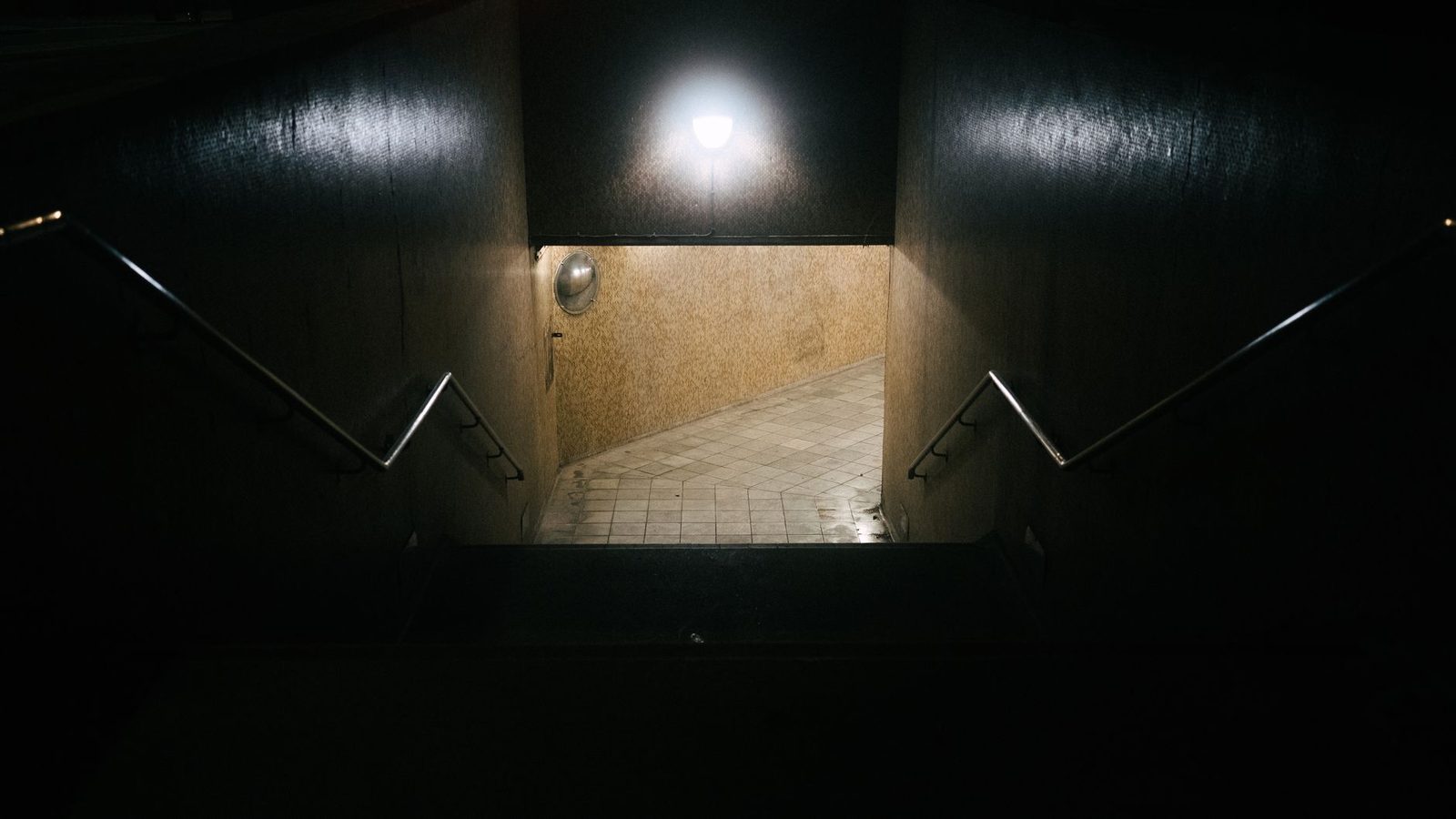
Who can be responsible for an injury on a 30303 property
The party that controls the area where the injury happened can be responsible, not only the name on the deed. Owners, landlords, tenants and businesses may each fall into that group, depending on who controls the spot where the fall or attack happened.
Landlords aren’t always off the hook. Under O.C.G.A. § 44-7-14, a landlord that has fully parted with both possession and the right of possession is generally not responsible to third persons for damages from a tenant’s negligence or illegal use of the premises. That same law keeps the landlord responsible for defective construction and for failing to keep the premises in repair.
Contractors matter too. Under O.C.G.A. § 51-2-5, an employer can be liable for a contractor’s negligence in listed cases. One example is when the employer keeps the right to direct or control the time and manner of the work. Maintenance firms and security companies can also be part of the picture. A security contractor can be liable only in the same manner and to the same extent as an owner.
More than one party can share fault. Georgia considers the fault of everyone who contributed to the injury. Under O.C.G.A. § 51-12-33, each liable person pays only its own share of the award. Those shares are not joint liability.
Common hazards on commercial, residential and mixed-use property
Most premises claims involve a dangerous condition that the owner created, knew about, or should have found. Slip and falls are a common example, but hazards vary by property type.
Wet floors, spilled liquids and missing floor mats often lead to falls in stores and restaurants. In apartment buildings, broken stairs, loose handrails and dim hallways are frequent concerns. Parking decks and lots can have potholes, uneven pavement and poor lighting. Office lobbies may have slick tile after rain.
Mixed-use buildings combine these areas. Shared stairs and walkways can raise hard questions about who was responsible for maintaining them. Proof often focuses on whether the owner knew about the hazard or would have found it through reasonable inspection.
Building rules can also matter. According to the Georgia Department of Community Affairs, Georgia has construction codes that apply statewide, and others that apply only when a local government adopts and enforces them.
Negligent security in busy urban areas
Negligent security is a type of premises claim where a third person’s crime caused the injury. Under O.C.G.A. § 51-3-51, a person injured while on the owner’s or occupier’s premises as an invitee must prove several things. The attacker’s conduct must have been reasonably foreseeable.
Those prior incidents can occur on the premises, on adjoining property, or within 500 yards. The injured person must also show the attacker exploited a specific physical condition of the property that the owner knew about, such as a broken gate or a dark stairwell, which created a risk of crime there substantially greater than the general risk in the area. The owner must have failed to use ordinary care to fix or reduce that condition.
Owners don’t have to act as police. Under O.C.G.A. § 51-3-55, an owner doesn’t have to use extraordinary care or take over law enforcement. The fact-finder considers the security measures in place, whether more were needed and practical, whether they would have prevented the injury, the respective responsibilities of owners and government, and any other relevant circumstances.
The date of the incident can matter for the deadlines that apply to a claim, and a lawyer can review how the rules apply to your situation.
What an injured person generally needs to show
Each premises liability matter depends on its own facts. Damages can include medical bills, lost income and pain and suffering.
Evidence collected early can make a real difference. Photos of the spot, the lighting and the hazard should be taken as soon as it’s safe. Get names of witnesses and ask for an incident report. Keep every medical record, bill and receipt, and keep the shoes or clothing you wore.
Two common mistakes can hurt a claim. The first is waiting weeks to write down what happened. The second is letting a repair erase the hazard before anyone documents it. Security video is often recorded over automatically, so requests to preserve it should go out quickly.
Deadlines and comparative fault in Georgia
Georgia generally gives an injured person two years to file. Under O.C.G.A. § 9-3-33, except as otherwise provided in this article, actions for injuries to the person must be brought within two years after the right of action accrues. Loss of consortium claims have four years under the same statute.
Georgia also uses a modified comparative fault rule. Under O.C.G.A. § 51-12-33, the judge reduces damages in proportion to the injured person’s percentage of fault. If that person is 50 percent or more responsible, they aren’t entitled to receive any damages.
For example, a finding of 20 percent fault would reduce an award by 20 percent. Acting early on a premises liability 30303 matter protects evidence and keeps your options open. It doesn’t decide the outcome.
Not sure what your next step is?
Talk it through with our team — the first consultation is free, confidential, and carries no obligation.
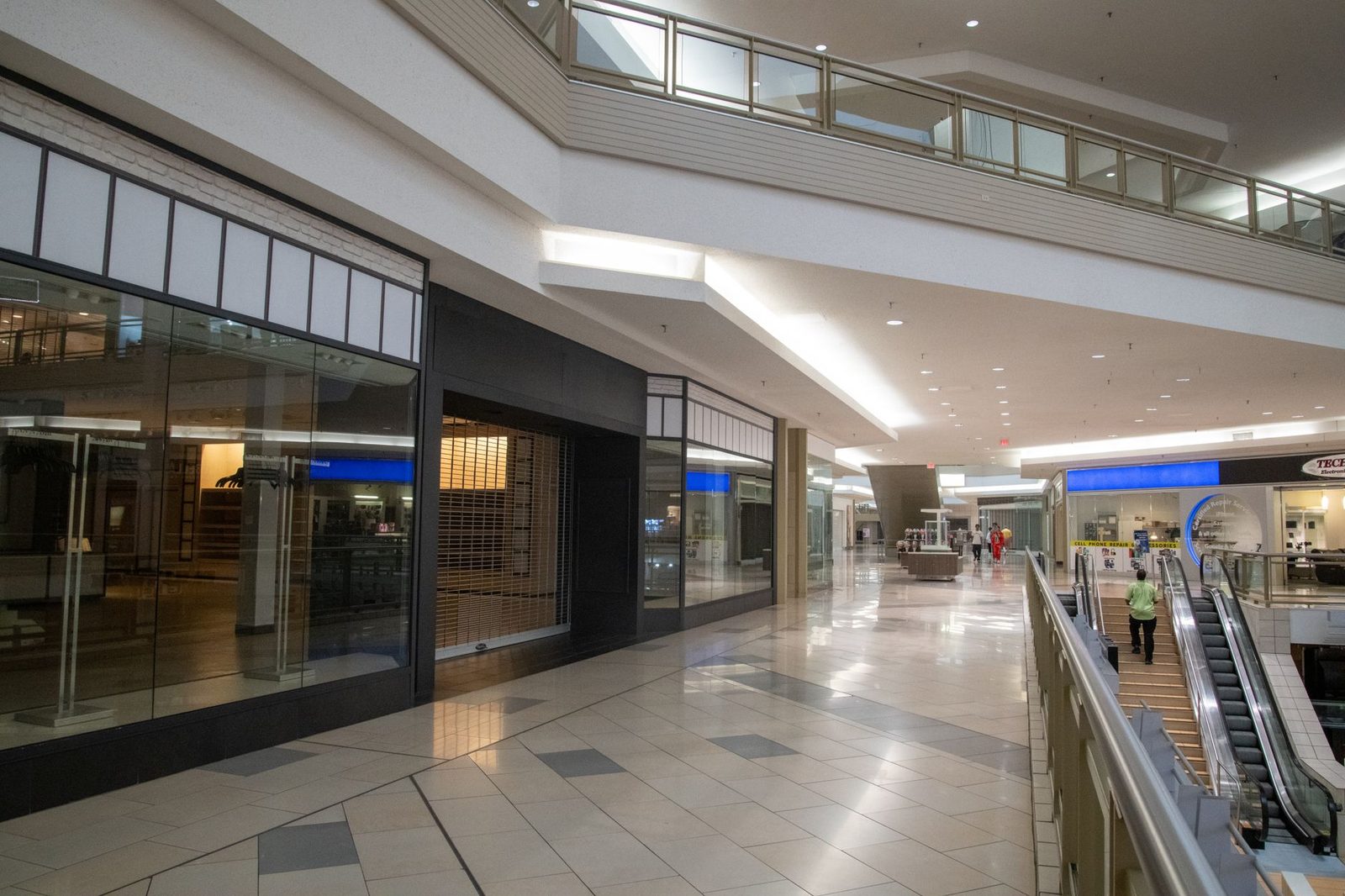
Talking with Slam Dunk Attorney about your property injury
Georgia premises claims turn on who controlled the property, what they knew, and when the claim is filed. Here are answers to common questions.
What is premises liability in Georgia?
Premises liability is a claim against a property owner or occupier when a dangerous condition on the property causes injury to an invitee. The owner must have failed to use ordinary care to keep the property safe.
How long do I have to file?
Georgia generally allows two years after the right of action accrues for injuries to the person, but injuries to the reputation must be brought within one year and actions for injuries to the person involving loss of consortium within four years. The deadline depends on the facts of your claim, so act early.
Can I recover if I was partly at fault?
Georgia can still allow recovery, reduced by your share of fault (O.C.G.A. § 51-12-33; Quynn v. Hulsey, 310 Ga. 473 (2020)). Recovery is barred if you are 50 percent or more responsible (O.C.G.A. § 51-12-33; Quynn v. Hulsey, 310 Ga. 473 (2020)).
Is negligent security the same as premises liability?
Negligent security is a type of premises liability claim. It focuses on harm caused by a third person’s crime and follows its own statutes.
If a fall or an attack on someone’s property left you hurt and unsure who is responsible, Slam Dunk Attorney offers a free, confidential first consultation with no obligation to continue. Reach out through our contact page and we’ll talk through your situation.
Responsible lawyer: Peter F. Jaraysi, Slam Dunk Attorney, Duluth, Georgia. Contact: https://slamdunkattorney.com/contact-us/. This page is general information, not legal advice.
How Our Firm Approaches Property Injury Cases
Clear Review of the Facts
We look at what happened, where it happened, and what records, photos and witness accounts may be available to explain the condition that caused the injury.
Plain-Language Explanations
Our team explains each step of the process in everyday terms so you know what to expect before you decide on any next step.
Attention to Your Recovery
Your health comes first. We work to keep the focus on your medical care, your family and your daily life while your claim is reviewed.
Advocacy for Injured People
Our lawyers focus on holding property owners and managers accountable and on pursuing fair compensation for people who were hurt.
Important: Protect Your Health and Your Evidence
Get medical attention for any injury, even if it seems minor at first. If possible, report the hazard to the property owner or manager, and keep photos, receipts, and names of anyone who saw what happened. Talking with a lawyer early can help you understand which steps matter most for your situation.
Property Injury Situations We Handle
Slip and Fall
Wet floors, icy walkways, broken stairs and other unsafe surfaces can cause serious injuries in stores, restaurants, offices and apartments.
Negligent Security
Some injuries happen when property owners fail to provide reasonable security against foreseeable crime, such as in parking lots, apartment complexes and businesses.
Short-Term Rental Injuries
Guests at Airbnb, VRBO and other vacation rentals can be hurt by hazards like broken railings, hot tubs, pools or faulty appliances.
Dog Bites on Premises
Injuries from dogs on another person's property, including homes and rental units, can involve complicated questions about who controlled the animal and the premises.