
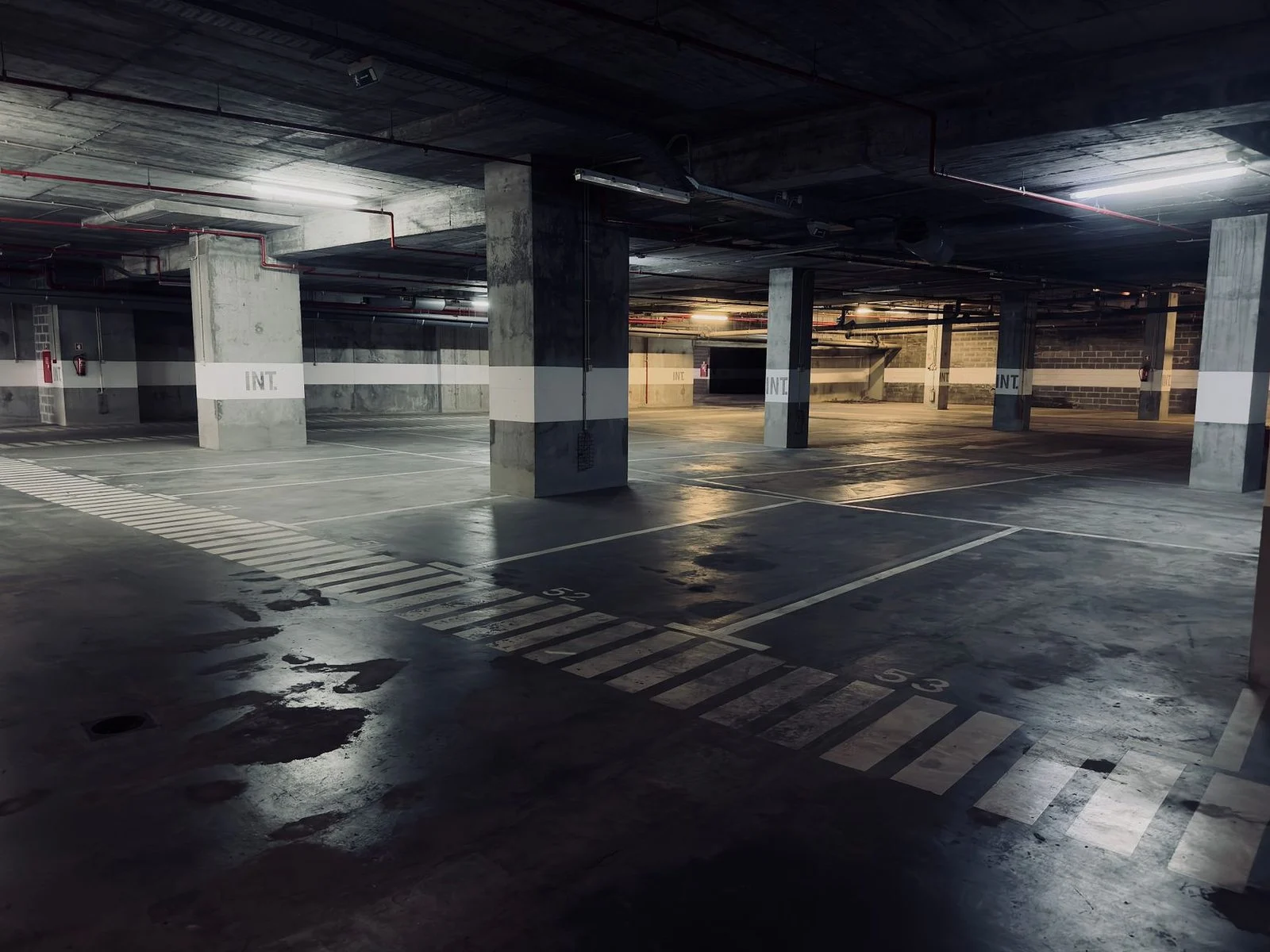
Premises Liability in Alpharetta
What Property Owners Owe You When You're Injured on Their Land
If you were hurt on someone else's property in Alpharetta or the surrounding area, you may have a claim. Slam Dunk Attorney can review premises liability questions with you.
By Peter F. Jaraysi · Published September 30, 2026
Premises Liability Claims in Alpharetta, Georgia: What You Need to Know
When you’re injured on someone else’s property due to an unsafe condition, the property owner may be legally responsible. Premises liability law in Georgia generally holds property owners responsible for maintaining safe premises and warning visitors of known dangers, but how this applies depends on the facts of each case, so you should consult a lawyer about your own situation. Understanding how this law works—and what you must prove—is the first step in evaluating whether you have a claim.
If you’ve been injured on someone else’s property in Alpharetta or the surrounding area, whether you have a claim depends on the facts of your situation. Talk it through with our team — the first consultation is free, confidential, and carries no obligation.
What Is Premises Liability?
Premises liability is a property owner’s legal duty to keep their property reasonably safe for visitors. When someone is injured because of an unsafe condition on the property, the owner may be held liable for that injury. This is distinct from other personal injury claims because it focuses specifically on the property owner’s responsibility for the condition of the premises itself—not on a defective product or negligent conduct elsewhere.
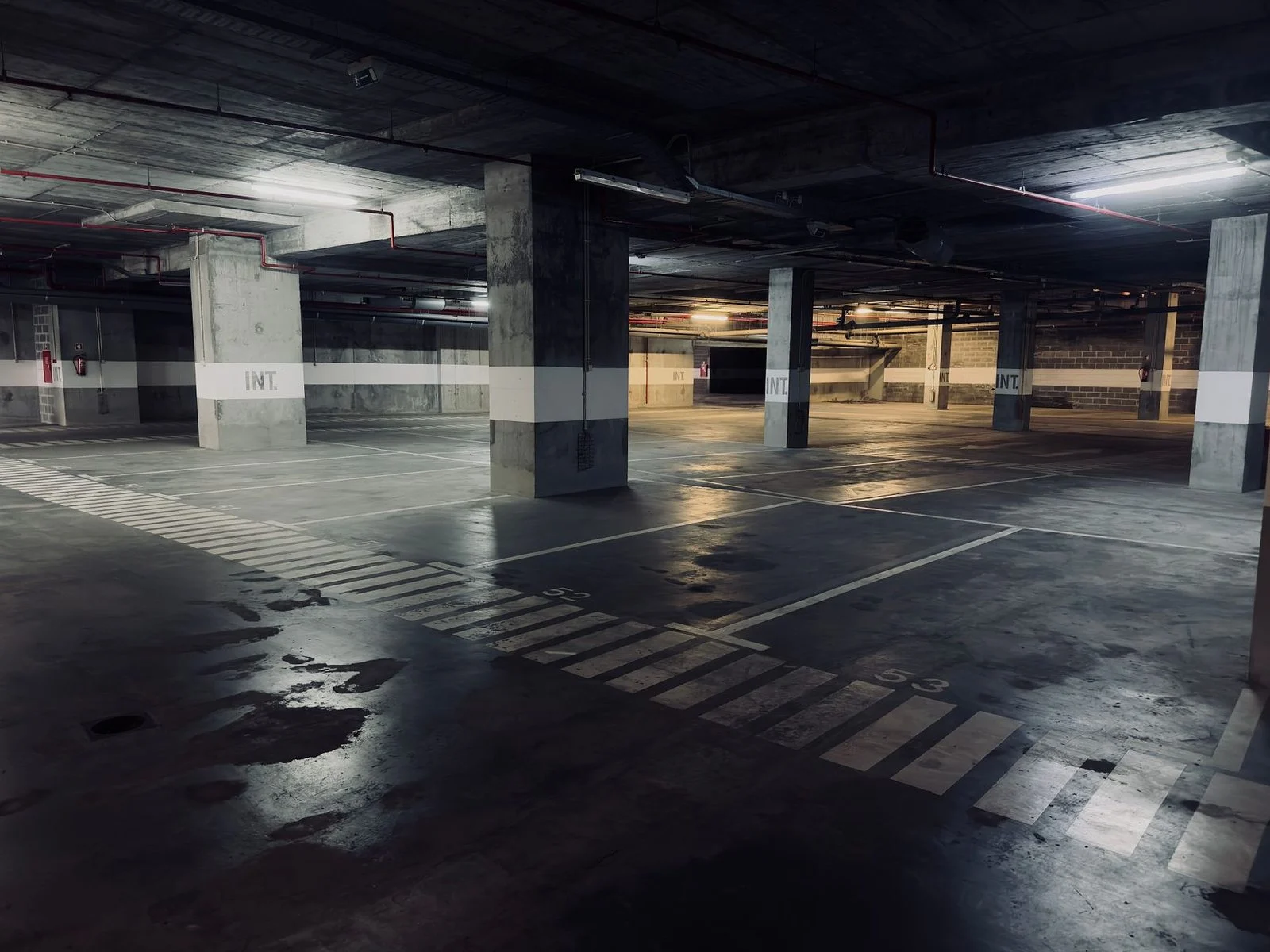
In Alpharetta, premises liability claims arise across retail spaces, apartment complexes, restaurants, parking lots, and private residences. A slip on a wet floor at a shopping center, an assault at an apartment complex with poor security, or a fall on a broken stair—all are premises liability scenarios.
What Are the Laws Regarding Premises Liability in Georgia?
Georgia recognizes a property owner’s duty of care to visitors on their property.
The specific duty owed to you depends on your legal status on the property—whether you were an invitee, licensee, or trespasser. Georgia applies a comparative fault rule, under which your own share of fault may affect the damages available to you. How this rule applies depends on the facts of your case, so consult a lawyer about your own situation.
Invitees, Licensees, and Trespassers: Understanding Your Legal Status
Your legal status on the property determines what duty the owner owed you. Understanding this is crucial to your claim.
Invitee: An invitee is someone invited onto the property for business purposes or mutual benefit—a customer at a store, a guest at a restaurant, or a visitor to a business office.
Licensee: A licensee has permission to be on the property but not for business purposes—a social guest at someone’s home, or someone using a property with the owner’s consent.
Trespasser: A trespasser is on the property without permission. Property owners owe trespassers the lowest duty of care. However, they cannot intentionally harm a trespasser or set traps designed to injure. Your status affects what the property owner was legally required to do to prevent your injury.
What Falls Under Premises Liability?
Premises liability covers a wide range of unsafe conditions and failures by property owners:
- Slip and fall accidents caused by wet floors, spilled merchandise, debris, or poor maintenance
- Negligent security: inadequate locks, broken lighting, missing security cameras, or lack of security personnel that allow criminal activity
- Unsafe conditions: broken stairs, missing or loose handrails, structural defects, or deteriorating flooring
- Inadequate warnings: failure to post signs about known hazards like wet floors or construction areas
- Poor maintenance: accumulated ice and snow, potholes in parking lots, overgrown vegetation, or neglected common areas
- Defective equipment or furniture that causes injury due to poor repair or design
Alpharetta’s properties—from shopping centers to residential complexes to office buildings—are all subject to these standards.
What Are the Four Proofs of Negligence?
To succeed in a premises liability claim in Georgia, you must prove all four elements of negligence:
1. Duty: The property owner owed you a legal duty of care. This is established by your status as an invitee, licensee, or trespasser, and by Georgia law.
2. Breach: The property owner failed to meet that duty. They created an unsafe condition, failed to repair it within a reasonable time, or failed to warn you of a known danger.
3. Causation: The breach directly caused your injury. The unsafe condition must be the actual cause of your harm—not some unrelated factor.
4. Damages: You suffered actual harm. This includes medical bills, lost wages, pain and suffering, disability, or other measurable losses.
Generally, each of these elements must be shown, and how they apply to your situation depends on the facts. Consult a lawyer about your own case.
Not sure what your next step is?
Talk it through with our team — the first consultation is free, confidential, and carries no obligation.
Establish the Property Owner’s Duty of Care
Property owners in Georgia must inspect their premises regularly for hazards. They must repair unsafe conditions within a reasonable time or warn visitors of the danger. The duty extends to foreseeable risks—conditions a reasonable property owner should anticipate.
In Alpharetta, this means maintaining parking lots, entryways, common areas, stairwells, and other spaces where visitors are expected. Hoping that no one gets hurt does not by itself address a known hazard, and whether a particular condition created liability depends on the facts of each case. Failure to maintain the property or warn of known dangers can establish a breach of duty.
For example, if a retail store knows a floor is wet but does not post a warning sign or clean it up, that may be considered a breach, depending on the facts. If an apartment complex has broken lighting in a common stairwell, that may be considered a breach, depending on the facts. If a restaurant fails to clean up spilled food promptly, that may be considered a breach, depending on the facts.
Georgia Law on Premises Liability and Foreseeability
Foreseeability is central to Georgia premises liability law. A property owner is not liable for every injury on their property—only those arising from hazards or criminal activity they could reasonably have anticipated.
Courts ask: Could the property owner have foreseen this type of harm? If the answer is yes, the owner may have had a duty to prevent it or warn of it, depending on the facts of the case and the applicable law; a lawyer can advise you about your situation. If the answer is no, the owner may not be liable, depending on the facts of the case.
Prior similar incidents, neighborhood crime statistics, or obvious hazards can establish foreseeability. In negligent security cases, foreseeability of criminal activity is key to proving the property owner should have provided better security. Courts consider the nature of the property, its location, and the type of harm that occurred.
Common Premises Liability Scenarios in Georgia
Premises liability claims in Georgia and Alpharetta often involve these situations:
- Retail stores: slip and fall on spilled merchandise or wet floors; inadequate security leading to assault or theft
- Apartment complexes: broken stairs, poor lighting in common areas, inadequate locks or security cameras
- Restaurants and bars: wet floors, broken furniture, inadequate security or staff training
- Parking lots: potholes, poor lighting, lack of security cameras or personnel, inadequate maintenance
- Office buildings: elevator malfunctions, broken handrails, inadequate maintenance of common areas
- Private residences: known hazards not disclosed to guests, such as a broken step, icy walkway, or aggressive animal
Alpharetta’s mix of commercial and residential properties means these scenarios occur regularly in the area.
Demonstrate Foreseeability of Criminal Activity
In negligent security cases, you must show the property owner should have foreseen criminal activity. This is often the most challenging element to prove.
Evidence of foreseeability includes prior crimes on the property, crimes in the surrounding area, or obvious security gaps. A property owner’s failure to install adequate lighting, locks, cameras, or security personnel can breach their duty if crime was foreseeable.
Georgia courts examine whether the property owner knew or should have known of the risk. Alpharetta properties in higher-crime areas or with a history of incidents face a higher duty to provide security. If a parking lot has experienced multiple robberies and the owner does nothing to improve lighting or security, that owner is more likely to be liable for a subsequent robbery.
Prove the Security Measures Were Inadequate
Once you establish that criminal activity was foreseeable, you must show the security measures in place were insufficient. Inadequate measures might include:
- No security cameras or cameras that don’t work
- Broken locks or doors that don’t close properly
- Poor or nonexistent lighting in parking areas or common spaces
- No security personnel on site
- Ignored maintenance requests or known security gaps
You may need to compare the property’s security to industry standards and what similar properties in the area provide. Expert testimony may be needed to establish what reasonable security would have looked like. The goal is to show that better security measures would likely have prevented the crime or injury.
If you've been injured on someone else's property in Alpharetta or the surrounding area, you may have a valid claim—and many people in your situation reach out to discuss what happened. Talk it through with our team — the first consultation is free, confidential, and carries no obligation.
Georgia’s Comparative Fault Rule
Georgia follows a modified comparative fault system. You can recover damages even if you were partially at fault for your own injury. However, you cannot recover if you were more than 50% at fault.
If you were 30% at fault and the property owner 70% at fault, you can recover 70% of your damages. If you were 50% at fault and the owner 50% at fault, you can recover 50% of your damages. If you were 51% at fault, you cannot recover anything.
The property owner may argue you were careless—not watching where you walked, ignoring warning signs, or taking unnecessary risks. Understanding how fault is divided is important when evaluating your claim and what you might realistically recover.
What Happens Next if You’ve Been Injured on Someone Else’s Property
If you’ve been injured on someone else’s property, take these steps:
- Document the scene: Take photos of the hazard, the property condition, and your injuries. Note the date, time, and weather conditions.
- Report the incident: Tell the property owner or manager what happened and request a written incident report.
- Seek medical attention: Get evaluated by a doctor and keep all medical records and bills.
- Gather witnesses: Collect contact information from anyone who saw what happened.
- Do not sign anything: Avoid signing statements or releases for insurance companies without legal guidance.
- Consult an attorney: A premises liability attorney can evaluate your claim, explain your options, and handle negotiations with insurance companies.
Frequently Asked Questions
How long do I have to file a premises liability claim in Georgia?
Georgia’s statute of limitations for personal injury claims is generally two years from the date of injury. Missing this deadline bars your claim, so it’s important to consult an attorney promptly.
Can I recover damages if I was partially at fault?
Yes. Georgia’s modified comparative fault rule allows you to recover even if you were partially at fault, as long as you were less than 50% responsible for your own injury, though your damages are reduced by your percentage of fault.
What if the property owner says I should have seen the hazard?
A property owner’s argument that you “should have seen” the hazard does not excuse them from maintaining a safe premises. However, it may affect how much fault is assigned to you under Georgia’s comparative fault rule.
Do I need an attorney for a premises liability claim?
You are not required to hire an attorney, but property owners and their insurance companies have experience defending these claims. An attorney can help you gather evidence, prove the four elements of negligence, and negotiate a fair settlement.
What if I was injured at a business that has a sign saying “not responsible for injuries”?
Such signs do not relieve a property owner of their legal duty to maintain a safe premises. A disclaimer cannot shield an owner from liability for negligence.
If you’ve been injured on someone else’s property in Alpharetta, Johns Creek, Marietta, or anywhere in metro Atlanta, you may have a valid claim. Many people in your situation—uncertain whether they should pursue it, worried about the process, or unsure what their injury is worth—reach out to discuss what happened. Contact Slam Dunk Attorney for a free case review to understand your rights and next steps.
Time Matters
Georgia law sets a strict deadline for filing premises liability claims. Waiting too long can cost you your right to recover. Contact us promptly to protect your claim.
Common Premises Liability Scenarios
Slip and Fall
Wet floors, broken stairs, poor lighting, or debris left unattended can cause serious injuries. Property owners have a duty to maintain safe conditions and warn visitors of known hazards.
Dog Bites
Georgia holds property owners liable for injuries caused by dogs on their premises, even if the dog has no prior history of aggression. Your injuries deserve compensation.
Negligent Security
When a property owner fails to provide adequate security—broken locks, missing lighting, no cameras—and you're harmed as a result, they may be held responsible for your injuries.
Unsafe Conditions
Crumbling pavement, falling objects, inadequate maintenance, or hazardous materials create dangerous environments. Property owners must take reasonable steps to prevent injury.
Why Choose Slam Dunk Attorney for Your Premises Liability Claim
We Focus on Premises Liability
We concentrate our practice on slip-and-fall, dog bite, negligent security, and unsafe property claims across metro Atlanta and Georgia.
Transparent, Empathetic Representation
We listen to your story, explain your options in plain language, and keep you informed every step of the way.
No Fees Unless There Is a Recovery
We work on a contingent fee basis, so you pay nothing upfront. You may still owe case costs; we'll discuss this with you.
Local Knowledge, Regional Reach
Based in Duluth, Georgia, we know the courts, the communities, and the laws that affect your case throughout the region.
Ready to Discuss Your Premises Liability Claim?
Related practice areas
- Premises Liability in Kennesaw, GA | Property Owner Duties