
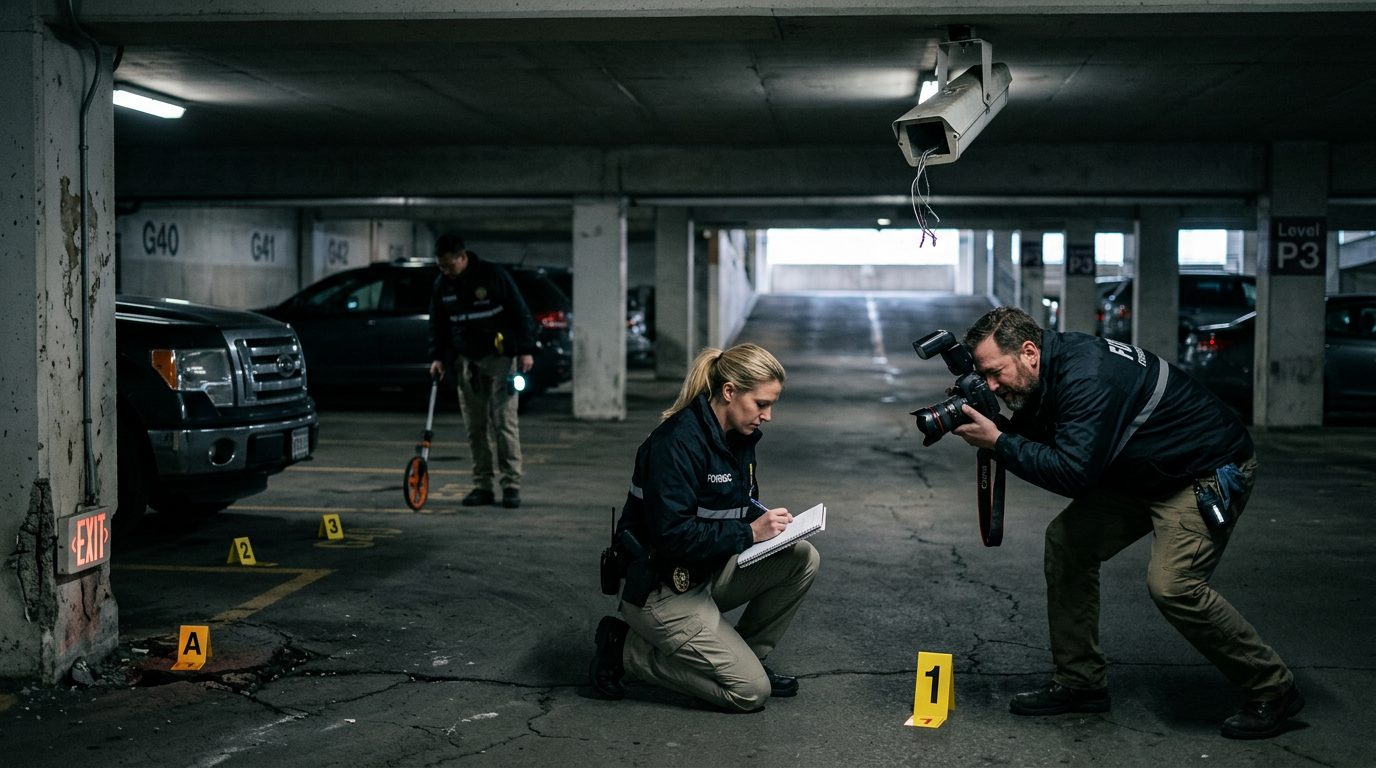
Premises Liability | Duluth, Georgia
Examples of Premises Liability in Georgia, and What They Can Mean for You
Slip and fall injuries, unsafe property conditions and negligent security incidents can happen in stores, apartments, parking lots and other places people visit. Here are common examples, and a free consultation with Slam Dunk can help you understand your options.
By Peter F. Jaraysi · Published October 16, 2026
Examples of Premises Liability in Georgia: Real-World Scenarios That Show When a Property Owner May Be Responsible
Premises liability occurs when a property owner fails to maintain safe conditions or warn of known dangers, and someone is injured as a result. Under O.C.G.A. § 51-3-1 (Holston v. Aboebarensi, Inc. (2026)), an owner or occupier who, by express or implied invitation, leads others onto the premises for a lawful purpose generally must use ordinary care in keeping the premises and approaches safe. How this applies depends on the facts of each case, exceptions may apply, and it is wise to consult a lawyer about your own situation. When they breach that duty and you’re hurt, you may have a claim for damages.
This guide walks you through real-world examples of premises liability in Georgia so you can recognize whether your own injury situation fits the pattern.
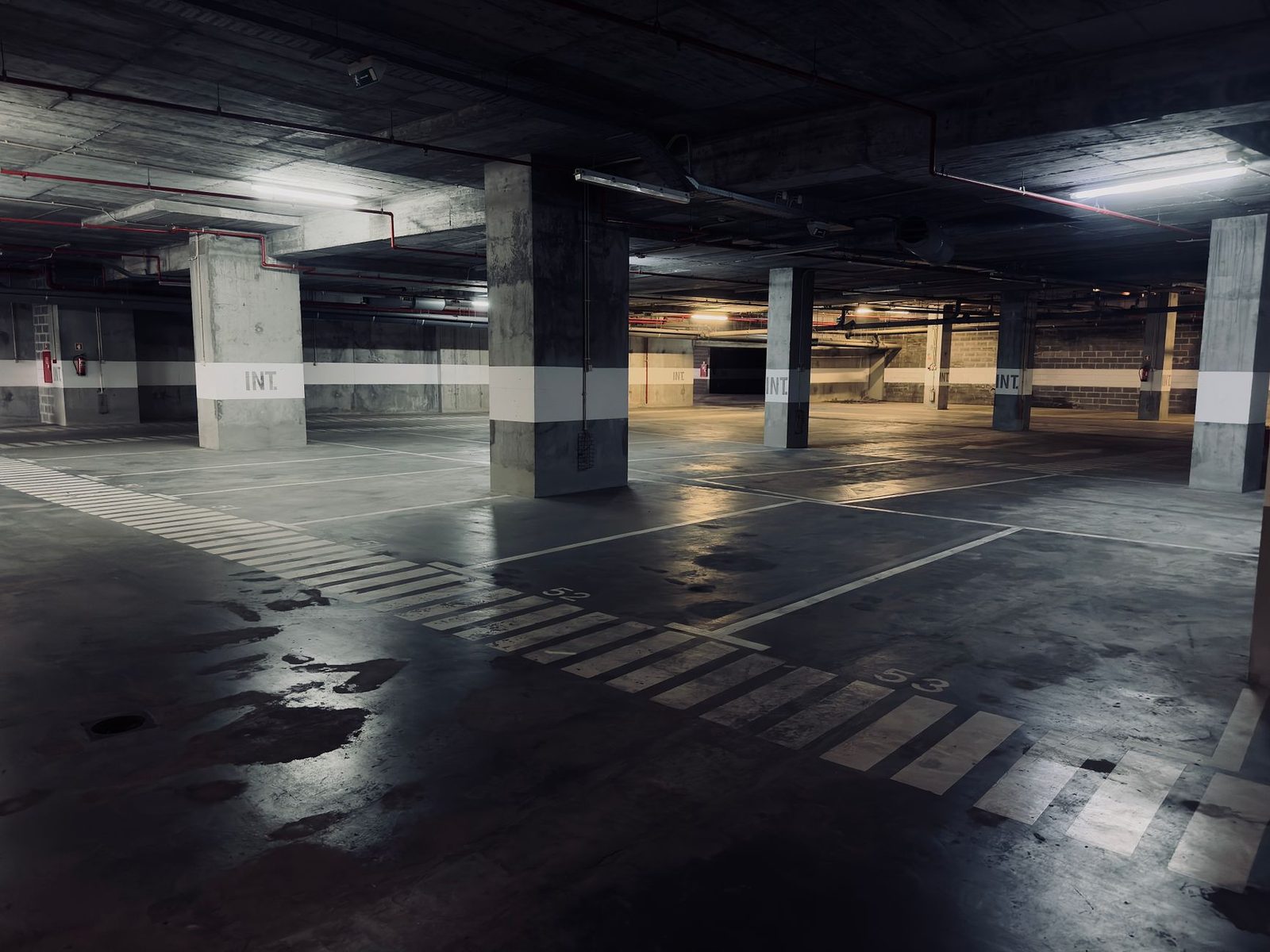
What Is Premises Liability?
Premises liability is a property owner’s legal obligation to keep their property reasonably safe for visitors. Whether this duty applies depends on the type of property and the facts of each situation, and exceptions may apply. Consult a lawyer about your own case. Premises liability questions often involve whether the property owner knew or should have known about a hazard and whether it was repaired or a warning was given. How these questions apply depends on the facts of each case, and exceptions may apply. Consult a lawyer about your situation. Whether an injured person may recover damages depends on the facts of each case and applicable law, and exceptions may apply. The losses that may be considered in a claim depend on the facts of each case, so consult a lawyer about your own situation. Consult a lawyer about your own situation.
Can You Give Me an Example of Premises Liability?
Here are common real-world scenarios that illustrate premises liability in Georgia:
Slip and Fall in a Grocery Store A customer slips on a wet floor in a grocery store aisle. No wet-floor warning sign is posted. The store’s manager hadn’t inspected that aisle in hours, even though spills happen regularly during busy shopping times. In a situation like this, a reasonable manager may be expected to check for and mark a hazard. Whether a store breached its duty of care, and whether the customer’s injury resulted from that breach, depends on the facts of each case. This may be a premises liability issue.
Broken Step at an Apartment Complex A tenant trips on a cracked and uneven step leading to the apartment building’s entrance. The property manager has known about the deteriorating stairs for months but hasn’t repaired them. The tenant breaks an ankle. The landlord may owe a duty to maintain safe common areas, and whether it failed to do so depends on the facts of the case. This may be a premises liability issue.
Falling Object Due to Poor Storage A customer is shopping when a heavy box falls from a high shelf because items were stacked carelessly. The store had no system to inspect shelves for unsafe stacking. The customer suffers a head injury. Depending on the facts, the store may have failed to maintain safe conditions. This may be a premises liability issue.
Dog Bite on a Residential Property A neighbor’s dog bites a mail carrier on the owner’s front porch. The owner knew the dog was aggressive—it had bitten someone before—but didn’t warn visitors or secure the dog. Whether a dog’s owner or keeper may be liable for injuries caused by the dog depends on the facts of each case, including what the owner or keeper knew about the dog and the governing law. Consult a lawyer about your situation.
Assault in a Poorly Lit Parking Lot A customer is assaulted in a dark parking lot at a shopping center late at night. The lot has no security cameras, broken lighting, and no security personnel. Similar crimes have occurred there before. Depending on the facts, the property owner may have failed to provide reasonable security. Negligent security, a type of premises liability, may be relevant in such cases.
Burn Injury from a Faulty Heating System A tenant is burned by a malfunctioning space heater in a rental apartment. The landlord knew the heater was broken but hadn’t replaced it. The tenant reported it weeks earlier. Depending on the facts, the landlord may have breached a duty to maintain habitable, safe rental property. This may be a premises liability issue.
What Is Covered Under Premises Liability?
Premises liability claims cover injuries and damages caused by hazardous conditions on someone else’s property. Here’s what typically falls within the scope:
- Slip and fall accidents caused by wet floors, debris, or uneven surfaces
- Injuries from poor maintenance, such as broken railings, deteriorating stairs, or structural defects
- Negligent security incidents, including assaults, robbery, or other crimes on poorly secured property
- Dog bite incidents can raise many fact-specific questions, and whether any claim exists depends on the circumstances, which a lawyer can review with you.
- Injuries to invitees (customers, business guests) and sometimes to licensees (social guests), depending on the circumstances
- Questions about your losses, such as medical bills or time missed from work, which you can talk through during a free, confidential consultation
- Property damage in some cases
What Are the Laws Regarding Premises Liability in Georgia?
Georgia’s premises liability framework rests on a foundation of statutory and common law:
The Duty of Care O.C.G.A. § 51-3-1 (Holston v. Aboebarensi, Inc. (2026)) generally applies to an owner’s duty of ordinary care toward invitees, meaning people brought onto the property by express or implied invitation for a lawful purpose, to keep the premises and approaches safe. How the statute applies depends on the facts of each case, exceptions may apply, and you should consult a lawyer about your own situation. Exceptions may apply, so consult a lawyer about your situation. Duties of this kind may involve inspecting for hazards, repairing dangerous conditions, and warning of known dangers, depending on the facts of each case.
Visitor Status May Matter The legal treatment of people on a property can depend on their status as visitors, and how this applies depends on the facts of each case: – Invitees (customers, business visitors) receive the highest level of protection. Property owners may have duties to inspect regularly, repair hazards, and warn of dangers, depending on the facts of each case and applicable law. – Licensees (such as social guests) may be owed a different level of care than other visitors, depending on the facts of each case. Questions about a property owner’s responsibilities depend on the details of each situation, so it may help to talk with a lawyer about what happened in yours. – Trespassers may be owed a different level of care than other visitors, and the general duty not to intentionally harm others may still apply, depending on the facts of each case.
Comparative Negligence Under O.C.G.A. § 51-12-33, Georgia follows comparative negligence rules. Under comparative-fault rules, a person found partially at fault may still be able to recover damages, but any recovery may be reduced by that person’s percentage of fault. How these rules apply depends on the facts of your case, and exceptions may apply. How any percentage of responsibility would be applied to a particular claim depends on the facts of that case, and no specific amount can be predicted. Under comparative-fault rules, a person found 50 percent or more at fault may be barred from recovering damages, but exceptions may apply and the result depends on the facts of each case.
Whether any such argument applies depends on the facts of each case, so consult a lawyer about your own situation. How such arguments apply depends on the facts of each case. Whether this argument applies depends on the facts of each case, and exceptions may apply. Whether an obvious hazard still carries a duty to warn or repair depends on the facts of each case, so consult a lawyer about your own situation.
The Four Elements You Must Prove in a Premises Liability Claim
Premises liability claims in Georgia generally involve several elements, and whether they are met depends on the facts of each case.
-
The property owner owed you a duty of care. This is established by your status as an invitee, licensee, or (in rare cases) trespasser on the property.
-
The property owner breached that duty. They failed to maintain safe conditions, inspect for hazards, repair known dangers, or warn of hazards.
-
The breach directly caused your injury. The hazard—not something else—is what injured you.
-
You suffered damages. You have medical bills, lost income, pain and suffering, or other measurable losses.
If even one element is missing or weak, your claim may fail. This is why evidence matters so much.
Not sure what your next step is?
Talk it through with our team — the first consultation is free, confidential, and carries no obligation.
Proving Negligence: The “Notice” Requirement
A critical part of proving premises liability is showing that the property owner knew (or should have known) about the dangerous condition.
Actual Notice The property owner saw the hazard or was directly told about it. A customer reports a spill; a tenant emails about a broken railing. The owner can’t claim ignorance.
Consult a lawyer about your own situation. Whether that applies depends on the facts of each case. A spill that remains in a grocery store aisle for some time may be relevant to whether the store had constructive notice of the hazard. Whether a manager inspects aisles, and how often, depends on the store’s practices and the facts of the case. Stairs that have deteriorated over months may be relevant to whether the property owner had notice of the hazard, depending on the facts of your case.
Georgia courts ask: Would a reasonable property owner have found and fixed this problem?
Evidence of Notice Prior complaints, maintenance records, security reports, or similar past incidents can all establish that the property owner knew or should have known about the danger.
Common Types of Premises Liability Cases in Georgia
Our team represents people injured in premises liability cases across metro Atlanta and Georgia, including:
- Slip and fall accidents in retail stores, restaurants, offices, and public spaces
- Stairway and step injuries from poor maintenance or design
- Parking lot accidents and injuries from inadequate lighting or security
- Dog bite injuries on residential or commercial property
- Negligent security cases: assault or robbery on poorly secured premises
- Nursing home and assisted living facility injuries from neglect or abuse
- Injuries on rental properties due to landlord negligence
- Swimming pool and recreational area injuries
Comparative Negligence in Georgia: You May Still Have a Claim
Many people assume that if they were even slightly at fault for their injury, they can’t recover.
Suppose you slipped on a wet floor in a store. You were wearing old shoes with worn soles, which contributed to the slip. But the store had no warning sign and hadn’t inspected the area in hours. Under Georgia’s comparative fault rules, fault may be divided among the parties involved, and how those rules apply depends on the facts of your case (O.C.G.A. § 51-12-33; Quynn v. Hulsey, 310 Ga. 473 (2020)).
The key is that the property owner’s negligence must still be a substantial cause of your injury. Wearing appropriate footwear or paying attention doesn’t eliminate the property owner’s duty to maintain safe conditions.
Evidence in Premises Liability Cases
Evidence may be relevant to a premises liability matter, and what is useful depends on the facts of your case. Here’s what matters:
- Photographs or video of the hazardous condition (taken as soon as safely possible after the injury)
- Witness statements from people who saw the condition or the accident
- Maintenance records showing the property owner failed to inspect or repair
- Prior complaints or incident reports about the same hazard
- Professional witness testimony about industry standards for property maintenance and safety
- Medical records documenting your injuries and treatment
- Security footage from the property
- Property inspection reports or code violations
Gathering information early may help preserve relevant evidence, depending on the facts of your case.
Next Steps If You’ve Been Injured on Someone Else’s Property
If you’ve been hurt on someone else’s property in Georgia, take these steps:
-
Seek medical attention immediately, even if the injury seems minor. A doctor’s report creates an official record.
-
Document the scene with photos or video if you can do so safely. Capture the hazard, the area, and any warning signs (or lack thereof).
-
Report the incident to the property owner or manager. Ask for a written incident report and keep a copy.
-
Collect witness contact information. Names, phone numbers, and email addresses of anyone who saw what happened.
-
Keep all documentation: medical records, receipts, proof of lost wages, and notes about your recovery.
-
Avoid signing anything without legal advice. Property owners or their insurers may ask you to sign a release that limits your rights.
-
Don’t post about the incident on social media. Anything you post can be used against you.
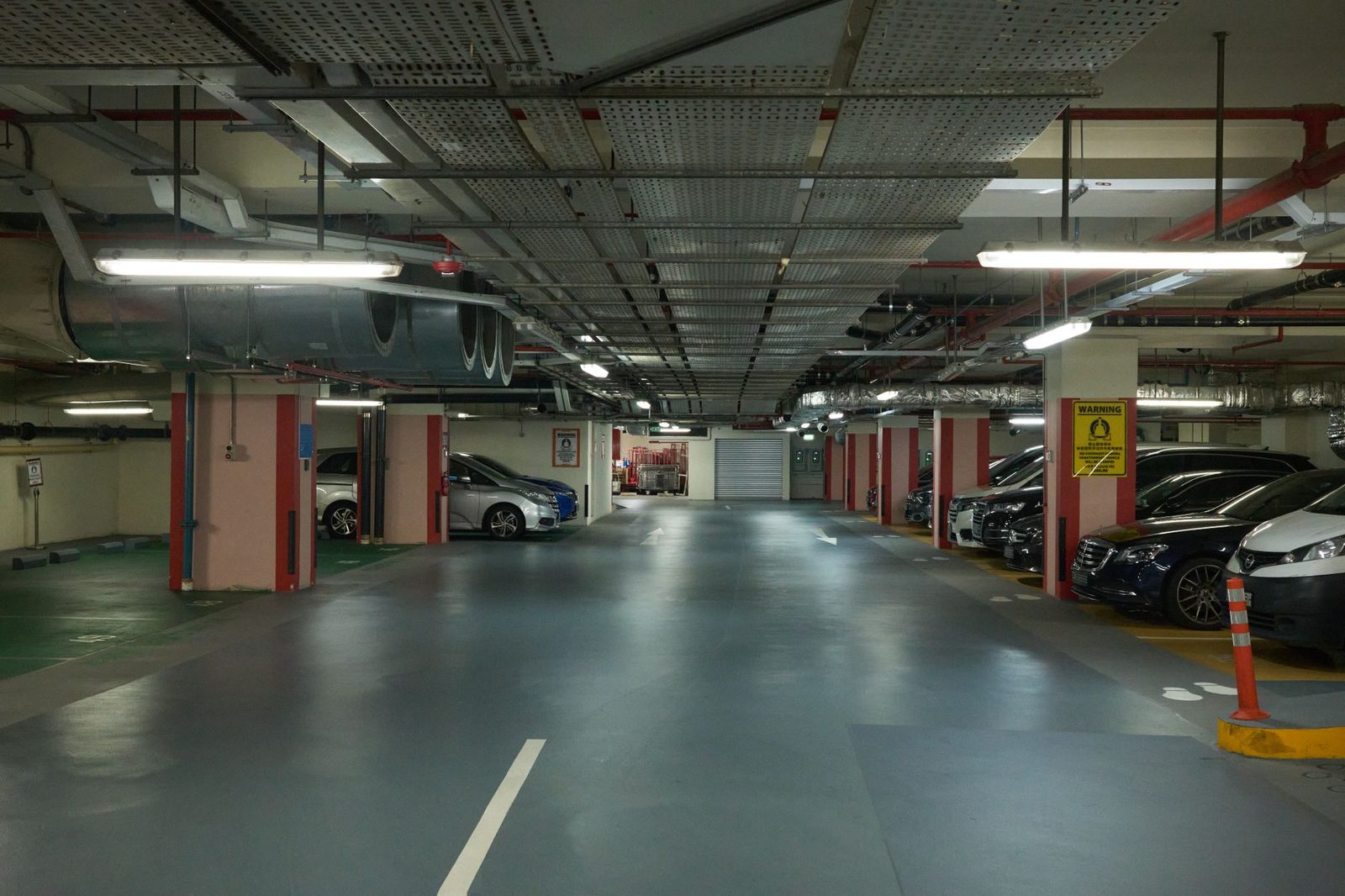
FAQ
How long do I have to file a premises liability claim in Georgia?
You generally have two years from the date of injury to file a personal-injury lawsuit under O.C.G.A. § 9-3-33. Deadlines for filing a lawsuit are set by Georgia law and may be subject to exceptions, so consult a lawyer about your own situation.
Can I recover damages if I was partially at fault?
Georgia’s comparative negligence law may limit recovery when an injured person is partially responsible, and how it applies depends on the facts of your case and any exceptions that may apply (O.C.G.A. § 51-12-33; Quynn v. Hulsey, 310 Ga. 473 (2020)). Consult a lawyer about your own situation. Depending on the facts, any recovery may be reduced by a person’s percentage of fault, and exceptions may apply.
What counts as negligent security?
Negligent security is when a property owner fails to provide reasonable security measures (locks, lighting, cameras, guards) and someone is harmed by a crime on the property. Hotels, apartment complexes, parking lots, and retail stores may all have a duty to provide adequate security.
Do I need a lawyer for a premises liability claim?
You’re not required to hire a lawyer, but premises liability cases involve complex legal standards and evidence rules. An attorney can help you prove your claim and negotiate with insurers.
If you’ve been injured on someone else’s property in Georgia and aren’t sure whether you have a claim, you can reach out to talk through what happened. Whether a claim exists depends on the facts of your situation. Our team can help you understand your options and what comes next. Contact us for a free consultation.
Common Hazards That May Be Relevant to a Premises Claim
Wet or Slippery Floors
Spills, recently mopped areas without warning signs, and leaking refrigeration or plumbing can create slip hazards in stores and restaurants.
Icy or Broken Walkways
Cracked sidewalks, potholes in parking lots and uncleared ice may be relevant when someone trips or falls on a property.
Inadequate Lighting or Security
Dim stairwells, dark parking areas and known criminal activity without reasonable precautions may be factors in negligent security cases.
Defective Stairs and Railings
Loose handrails, uneven steps and missing treads in apartments, offices and public buildings can be hazardous to visitors and residents.
Dangerous Pools and Recreation Areas
Missing barriers, slick decking and unmarked drop-offs may be relevant in cases involving apartment communities and private properties.
Every Situation Depends on Its Facts
Whether a property owner or occupier may be responsible for an injury depends on the facts of each situation, including the property's condition, what the owner knew or should have known, and the circumstances of the visit. Georgia law has exceptions and details that can change the result. Consult a lawyer about your own situation before drawing conclusions.
Apartments and Rental Properties
Stairs, balconies, walkways and common areas are places where residents and guests may encounter hazards.
Parking Lots and Sidewalks
Uneven pavement, potholes, poor lighting and unmaintained surfaces may be relevant to injuries on outdoor property.
Hotels and Public Venues
Lobbies, pools, event spaces and restrooms may present conditions that raise questions about property maintenance and safety.