
Premises Liability | Johns Creek, Georgia
Injured on Someone Else's Property? You May Have a Claim
Property owners have a duty to keep their premises safe. When they fail, we help you recover.
By Peter F. Jaraysi · Published October 01, 2026
Premises Liability in Johns Creek, Georgia: What Property Owners Owe You
Premises liability is a property owner’s legal responsibility to keep their property reasonably safe and to warn visitors of known dangers. When a property owner fails to do so and someone is injured as a result, that injured person may have a right to seek compensation. In Georgia, premises liability law varies depending on whether you were an invited guest, a social visitor, or someone without permission to be there—and understanding which category applies to you is the first step in knowing whether you have a claim.
This guide explains premises liability as it applies in Johns Creek and across Georgia, clarifies the legal duties property owners owe, and helps you understand whether your injury situation may qualify for legal action.
If you've been hurt on someone else's property in Johns Creek or nearby, you may have a right to compensation—and many people in your situation reach out to discuss what happened. Talk it through with our team — the first consultation is free, confidential, and carries no obligation.
What Is Premises Liability?
Premises liability refers to the legal duty a property owner or occupant owes to people who are injured on their property due to unsafe conditions or the owner’s negligence. This duty applies to commercial properties (stores, offices, restaurants), residential properties (homes, apartments), and public spaces. It covers injuries caused by hazards the owner knew about, should have known about, or failed to maintain or repair.
Premises liability is broader than slip-and-fall accidents—it includes injuries from unsafe stairs, inadequate lighting, negligent security, falling objects, and structural defects. The key principle is that property owners have a responsibility to maintain safe conditions and to warn visitors of dangers they’re aware of.
What Are the Laws Regarding Premises Liability in Georgia?
Georgia recognizes a property owner’s duty of care based on the visitor’s legal status. This means the level of protection you receive depends on why you were on the property and whether the owner invited you or permitted you to be there. Georgia courts apply common law principles that establish three distinct categories of visitors, each with a different level of legal protection.
Property owners must maintain reasonably safe conditions for those they invite onto their property and warn of known dangers. Failure to do so can result in liability for injuries that occur. The specific duty owed depends on whether you were an invitee, licensee, or trespasser at the time of your injury.
The Three Categories: Invitee, Licensee, and Trespasser
Understanding your status on the property is critical to your premises liability claim.
Invitees (highest protection) include customers, patients, clients, and guests invited for business or social purposes. Property owners owe invitees the highest duty of care: they must inspect the property regularly, maintain it in a safe condition, and warn of any known hazards. If a store owner knows a shelf is damaged or a floor is wet, they must either fix it or warn customers.
Licensees (moderate protection) are people with permission to be on the property but not for business purposes—for example, social guests invited to a home or party. Property owners must warn licensees of known hazards but generally have no duty to inspect the property or make repairs solely for their benefit.
Trespassers (limited protection) are people without permission to be on the property. Property owners generally owe trespassers no duty of care, except not to willfully injure them. However, Georgia law recognizes a limited exception for child trespassers on artificial conditions like swimming pools or trampolines.
What Falls Under Premises Liability?
Premises liability claims cover a wide range of injury situations:
- Slip and fall accidents from wet floors, spilled liquids, debris, or poor maintenance
- Unsafe stairs, railings, or flooring defects that cause falls or injuries
- Inadequate lighting that contributes to falls, assaults, or other injuries
- Negligent security leading to assault, robbery, or other crimes
- Dangerous conditions from lack of maintenance or failure to repair known defects
- Failure to warn of known hazards or temporary dangers
- Injuries from falling objects or structural defects like loose fixtures or deteriorating ceilings
Each of these situations requires proof that the property owner knew or should have known about the hazard and failed to address it.
What Are Some Examples of Premises Liability Cases?
Here are real-world scenarios that illustrate premises liability:
A customer slips on a spill in a grocery store that wasn’t cleaned or marked with a warning sign. The store manager knew about the spill but failed to address it, and the customer is injured.
A guest is injured by a broken step on a residential deck because the homeowner failed to repair or warn of the defect.
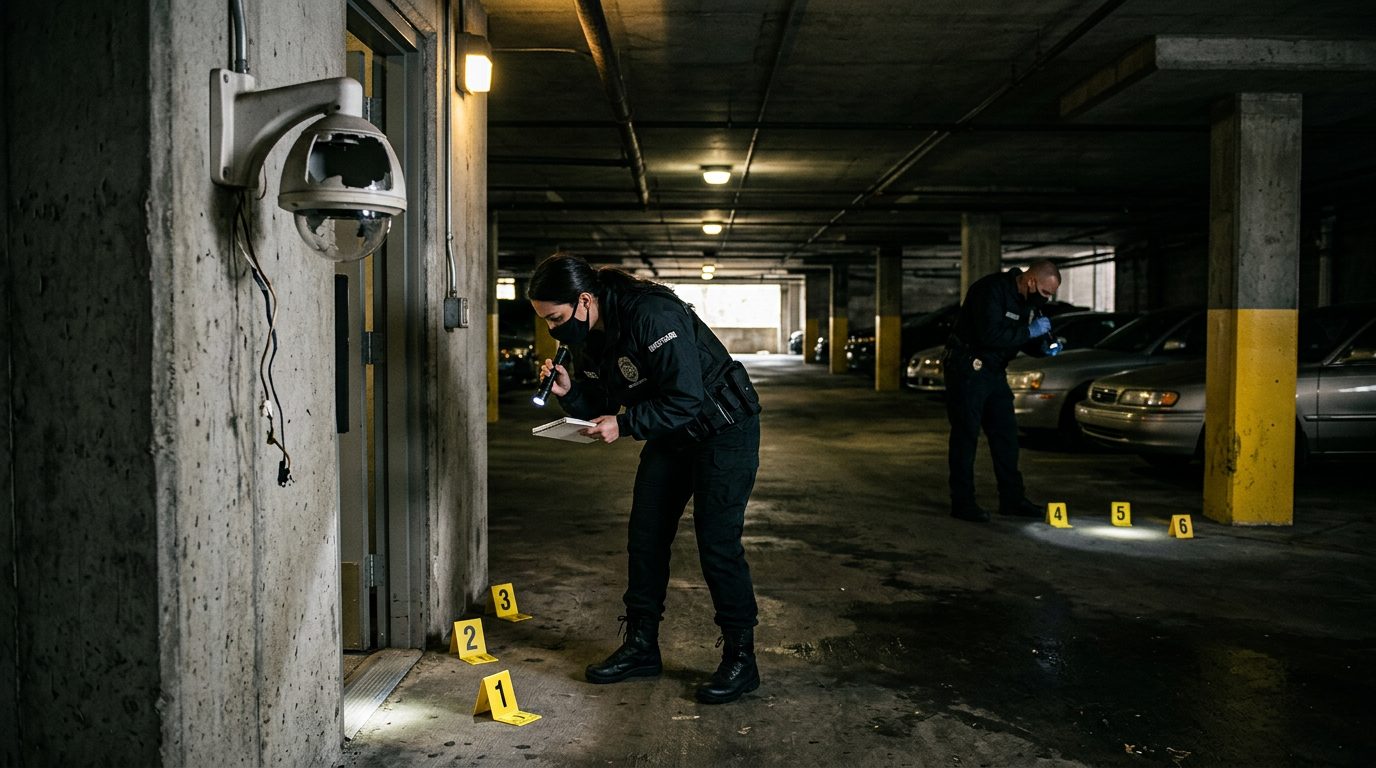
A visitor is attacked in a parking lot due to inadequate lighting and insufficient security measures, even though the property owner knew the area was unsafe.
A tenant is injured by a maintenance defect—such as a broken railing or faulty electrical outlet—that the landlord failed to repair despite being notified.
A shopper is struck by merchandise that was improperly stacked or displayed on a shelf, causing it to fall.
Not sure what your next step is?
Talk it through with our team — the first consultation is free, confidential, and carries no obligation.
Is Premises Liability the Same as Slip and Fall?
No—slip and fall is a subset of premises liability, not the same thing. This distinction matters because it affects how people understand their rights.
Slip and fall refers specifically to injuries from slipping, tripping, or falling on a property due to a hazardous condition like a wet floor, debris, or a defective surface.
Premises liability is the broader legal category that includes slip-and-fall accidents but also covers injuries from unsafe stairs, negligent security, inadequate lighting, falling objects, and structural defects. All slip-and-fall cases are premises liability claims, but not all premises liability claims are slip-and-fall cases.
Both types of claims require proving that the property owner knew or should have known about the hazard and failed to fix or warn of it. However, premises liability encompasses many more types of injuries and dangerous conditions than slip-and-fall alone.
How to Prove a Premises Liability Claim in Johns Creek
To succeed in a premises liability claim, you must establish four key elements:
1. Duty of care: The property owner owed you a legal duty based on your status as an invitee, licensee, or trespasser.
2. Breach of duty: The owner failed to maintain safe conditions, failed to repair a known hazard, or failed to warn of a known danger.
3. Causation: The unsafe condition directly caused your injury.
4. Damages: You suffered measurable harm—medical bills, lost wages, pain and suffering, or other losses.
To build your case, gather evidence: photographs of the hazard and the scene, contact information from witnesses, maintenance records if available, the incident report filed with the property owner or manager, and all medical records and receipts related to your injury.
What Should You Do After a Premises Liability Injury in Johns Creek?
If you’re injured on someone else’s property, take these steps:
- Seek medical attention immediately, even if the injury seems minor. Medical records establish the link between the injury and the incident.
- Report the incident to the property owner, manager, or staff, and request a written incident report.
- Take photographs of the hazard, the scene, and any visible injuries if you’re able to do so safely.
- Collect witness information: Ask anyone who saw what happened for their name and contact details.
- Keep all documentation: Save medical bills, receipts, pay stubs showing lost wages, and any other expenses related to your injury.
- Avoid signing anything without understanding what it says. Never sign a settlement or release without legal review.
- Do not post details about the incident on social media, as this can complicate your claim.
Why You May Need a Premises Liability Attorney
Property owners and their insurance companies often dispute liability or minimize injury claims. They may argue that you were partly at fault, that you didn’t report the hazard promptly, or that your injuries aren’t as serious as you claim.
An experienced premises liability attorney can investigate the property’s maintenance history, review prior incident reports, and gather evidence that shows the owner knew or should have known about the hazard. Legal representation also ensures you understand your rights, the true value of your claim, and whether a settlement offer is fair.
Many premises liability claims are resolved through negotiation with the insurance company without going to trial. However, having an attorney protects your interests throughout the process and is prepared to pursue court action if necessary.
Frequently Asked Questions
How long do I have to file a premises liability claim in Georgia?
Georgia’s statute of limitations for personal injury claims is generally two years from the date of injury, though exceptions exist; don’t delay in reaching out.
What damages can I recover in a premises liability case?
You may recover medical expenses, lost wages, pain and suffering, and in some cases, punitive damages if the owner’s conduct was particularly reckless.
Can a property owner be liable for injuries to trespassers in Georgia?
Generally no, except property owners cannot willfully injure trespassers and may owe limited duties to child trespassers on artificial hazards.
What if I was partly at fault for my injury?
Georgia recognizes comparative negligence (shared fault); you may still recover even if you were partially responsible, though your award may be reduced.
If you’ve been injured on someone else’s property in Johns Creek, Alpharetta, Marietta, or elsewhere in metro Atlanta, you may be wondering whether the property owner is responsible and what your claim might be worth. People in your situation—trying to understand their rights while managing medical care and recovery—reach out to discuss what happened and explore their options. We’re here to help you understand your situation and what comes next.
Get a free case review to discuss your premises liability injury with our team.
Why Choose Slam Dunk Attorney for Your Premises Liability Case
Focused on Premises Liability
We focus exclusively on personal injury cases, including premises liability claims across Johns Creek and metro Atlanta. We understand property owner duties and negligence.
Clear, Transparent Process
We explain your rights and options in plain language. No legal jargon—just honest guidance about your claim and what comes next.
Free Case Review
Call us for a free review of your injury. We'll listen to what happened and discuss whether you have a viable claim.
Empathetic Representation
We treat you with respect and care. Your injury matters, and we work to help you recover the compensation you deserve.
Common Premises Liability Scenarios We Handle
Slip and Fall
Wet floors, broken stairs, poor lighting, or debris left unattended can cause serious injuries. Property owners must maintain safe conditions.
Negligent Security
Inadequate locks, broken cameras, or lack of security measures may leave you vulnerable to assault or theft on the property.
Unsafe Conditions
Broken railings, exposed hazards, faulty equipment, or structural defects that cause injury may be the owner's responsibility.
Dog Bites
Property owners can be liable if their dog injures you, especially if they knew the animal was dangerous.
Act Quickly—Time Matters
Georgia law sets a deadline for filing premises liability claims. The sooner you contact us, the sooner we can investigate, preserve evidence, and protect your rights.
What You May Recover
Medical Expenses
Hospital bills, emergency care, surgery, physical therapy, and ongoing treatment related to your injury.
Lost Wages
Income you lost while recovering or unable to work due to your injury.
Pain and Suffering
Compensation for physical pain, emotional distress, and reduced quality of life caused by the injury.
Other Damages
Depending on your case, you may recover additional costs and losses. We'll review all available options with you.
Ready to Discuss Your Premises Liability Claim?
Related practice areas
- Premises Liability Lawyer in Georgia: Injured on Someone Else’s Property
- Premises Liability Claims in Alpharetta, Georgia
- Premises Liability Claims in Marietta, Georgia
- Negligence vs. Wrongful Death: Georgia Legal Guide