
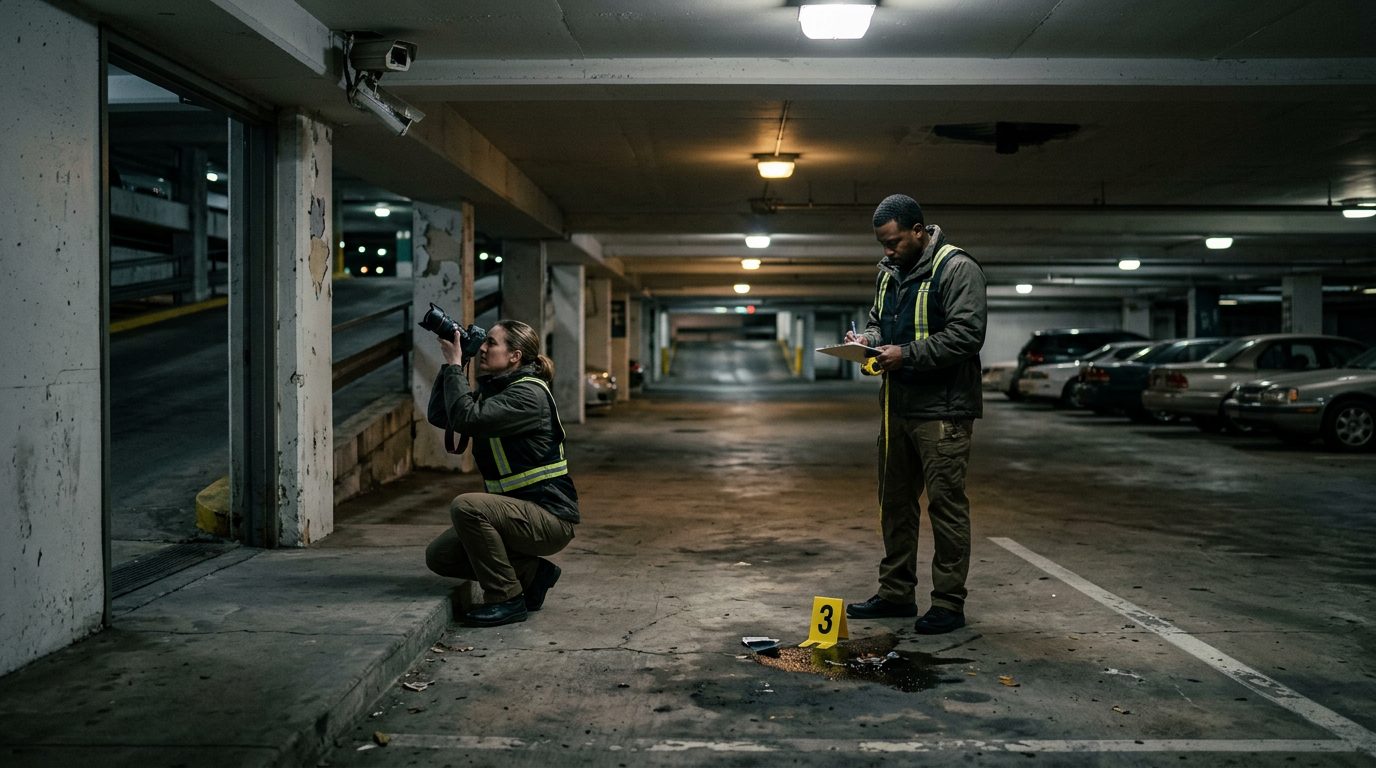
Premises Liability & Unsafe Conditions
Injured on Someone Else's Property in Georgia?
Property owners have a legal duty to maintain safe conditions. If negligence caused your injury, you deserve compensation. Slam Dunk Attorney handles premises liability claims across metro Atlanta and Georgia.
By Peter F. Jaraysi · Published September 30, 2026
Unsafe Property Conditions & Injury Claims in Georgia
If you’ve been injured on someone else’s property due to an unsafe condition—a broken staircase, wet floor, poor lighting, missing handrail, or structural defect—Georgia law may hold the property owner responsible for your medical bills, lost wages, and pain and suffering. Property owners have a legal duty to maintain their premises safely and warn visitors of known hazards. When they fail to do so, you may have grounds to file a claim and recover compensation.
If you've been hurt by a broken staircase, wet floor, poor lighting, or other unsafe condition on someone else's property in Georgia, you may have a claim—and people in your situation contact us regularly for a free case review. Talk it through with our team — the first consultation is free, confidential, and carries no obligation.
What Are Unsafe Property Conditions & Who Can File a Claim?
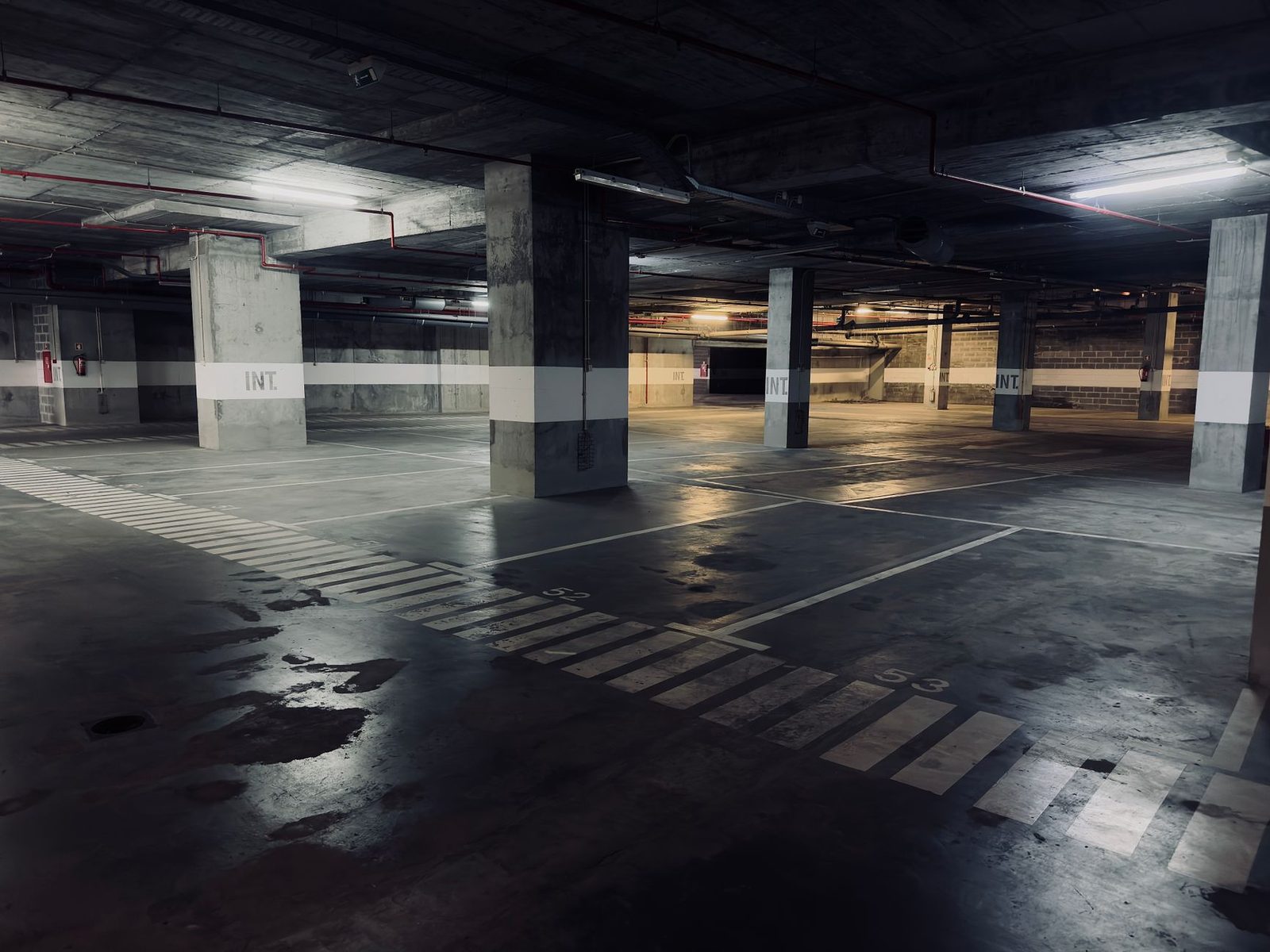
Unsafe property conditions are physical hazards on a property that create an unreasonable risk of injury to visitors. These include broken stairs, wet or icy floors, poor lighting, missing handrails, accumulated debris, structural defects, malfunctioning equipment, and inadequate security measures. Anyone injured due to a property owner’s or manager’s negligence—whether you’re a customer, guest, tenant, or visitor—can potentially file a claim. Unsafe property conditions occur on residential properties, commercial buildings, retail stores, rental apartments, and public spaces. Real-world examples include slipping on an unmarked wet floor in a grocery store, tripping on a broken step in an apartment building, being struck by a falling fixture in a business, or being assaulted due to inadequate security lighting in a parking lot.
What Does Georgia Law Say About Property Owner Liability?
Property owners in Georgia have a legal duty to maintain their premises in a reasonably safe condition. Under Georgia’s negligence framework, a property owner must know or reasonably should know of a dangerous condition on their property. If they know of a hazard, they must either fix it, warn visitors, or take steps to prevent injury.
The duty of care a property owner owes you depends on your status as a visitor:
- Invitees (customers, business guests, social guests invited to a party) receive the highest duty of care. Property owners must inspect regularly, maintain safe conditions, and warn of known hazards.
- Licensees (social guests, people with permission to be on the property) receive reasonable care. Property owners must warn of known hazards but have less duty to inspect.
- Trespassers receive minimal duty. Property owners generally owe no duty to maintain safe conditions, though they cannot set traps or act with gross negligence.
Your status as a visitor is critical to your claim. If you were a customer or invited guest, the property owner’s duty to you is substantial. Failure to inspect, maintain, or warn can establish liability.
What Must You Prove to Win an Unsafe Property Claim?
To succeed in a premises liability claim in Georgia, you must prove four elements of negligence:
1. Duty: The property owner owed you a legal duty of care based on your status as a visitor (invitee, licensee, or trespasser).
2. Breach: The property owner failed to maintain safe conditions, failed to inspect the property, or failed to warn you of a known hazard.
3. Causation: The unsafe condition directly caused your injury. You must show a clear link between the hazard and your harm.
4. Damages: You suffered measurable harm—medical bills, lost wages, pain and suffering, or permanent disability.
Evidence you’ll need includes photographs of the hazard, witness statements from people who saw the condition, maintenance records showing the property owner knew or should have known of the problem, incident reports filed at the time, medical documentation of your injury, and expert testimony on industry safety standards. We gather this evidence thoroughly during our investigation.
What Types of Unsafe Conditions Lead to Successful Claims?
Common unsafe property conditions that support successful claims include:
- Structural defects: Broken stairs, missing or loose handrails, crumbling concrete, collapsing ceilings, deteriorating flooring.
- Maintenance failures: Accumulated debris or trash, broken fixtures, malfunctioning equipment, pest infestations, water damage.
- Environmental hazards: Wet or icy floors without warning signs, inadequate lighting, poor ventilation, extreme temperatures.
- Security failures: Broken locks, missing security cameras, inadequate lighting in parking areas, failure to prevent foreseeable criminal acts like assault or robbery.
- Failure to warn: No signage for known hazards, unmarked wet floors, hidden obstacles, or lack of notice about ongoing maintenance.
Property owners cannot simply claim they didn’t know about a hazard if a reasonable inspection would have revealed it. We investigate to uncover what the property owner knew or should have known.
How Does Georgia’s Comparative Negligence Rule Affect Your Claim?
Georgia follows a modified comparative negligence rule. You can recover damages even if you are partially at fault for your injury, as long as you are less than 50% responsible for the accident. Your recovery is reduced by your percentage of fault.
For example, if you slip on a wet floor and the jury determines you were 20% at fault for not watching where you stepped, and your damages total $100,000, you would recover $80,000. Property owners often argue that you were careless or should have noticed the hazard. We counter these arguments with evidence showing the condition was unreasonably dangerous, hidden, or that the property owner had a duty to warn or fix it. Your partial fault does not bar your claim—it only reduces your recovery proportionally.
Not sure what your next step is?
Talk it through with our team — the first consultation is free, confidential, and carries no obligation.
What Is the Statute of Limitations for Filing a Claim?
In Georgia, you generally have two years from the date of injury to file a premises liability lawsuit. This deadline is strict. If you miss it, your claim is barred permanently, and you lose your right to compensation. Some exceptions exist—for example, if the injured person is a minor—but time is critical. We handle all deadlines and filing requirements so you never lose your right to pursue compensation.
How Does the Claims Process Work?
Our process is straightforward and transparent:
Step 1: Free Consultation
We review your injury, the property condition, your visitor status, and the property owner’s actions to assess liability and determine whether you have a viable claim.
Step 2: Investigation
We gather photographs of the hazard, maintenance and inspection records, witness statements, security footage if available, and expert reports on industry safety standards. We do not rely on the property owner’s account.
Step 3: Demand Letter
We document the property owner’s negligence and send a formal demand for compensation to their insurance company, explaining your injuries and damages.
Step 4: Negotiation
We negotiate with the insurer to reach a fair settlement. We know how insurance companies evaluate these claims and we push back on lowball offers.
Step 5: Litigation (If Needed)
If settlement talks stall, we file a lawsuit and represent you through trial. We are trial-ready and prepared to fight for you in front of a jury.
Timeline: Most claims settle within 6–12 months. Litigation can take 1–2 years, depending on court schedules and case complexity.
What Compensation Can You Recover?
You may recover compensation for:
- Medical expenses: Emergency care, surgery, hospitalization, ongoing treatment, physical therapy, and rehabilitation.
- Lost wages: Income lost while recovering and reduced earning capacity if your injury is permanent.
- Pain and suffering: Compensation for physical pain, emotional distress, anxiety, and reduced quality of life.
- Property damage: If applicable (e.g., damaged clothing or personal items).
- Punitive damages: In rare cases where the property owner’s conduct was grossly negligent or reckless, courts may award additional damages to punish the owner and deter similar conduct.
We pursue all available damages on your behalf and do not settle for less than fair value.
Why Choose Slam Dunk Attorney for Your Unsafe Property Claim?
Local experience: Based in Duluth, Georgia, we have deep knowledge of Georgia premises liability law and local court procedures across metro Atlanta and Georgia.
Thorough investigation: We conduct independent investigations and retain expert witnesses. We don’t accept the property owner’s version of events.
Skilled negotiation: We understand how insurance companies evaluate premises liability claims and we negotiate aggressively for fair compensation.
Trial-ready: If settlement fails, we are prepared to take your case to court and fight for you in front of a jury.
Transparent communication: You always know where your case stands and what to expect next.
No upfront costs: We work on contingency. You pay nothing unless we recover compensation for you. You may owe case costs (investigation, expert fees, filing fees), which we discuss upfront.
Frequently Asked Questions
Q: Do I have a case if I was partially at fault?
Yes. Georgia’s comparative negligence rule allows recovery even if you are partially responsible, as long as you are less than 50% at fault.
Q: How long does it take to resolve a claim?
Most settle within 6–12 months. Litigation can take longer, but we work efficiently to resolve your case.
Q: What if the property owner claims I should have noticed the hazard?
Property owners have a duty to maintain safe conditions and warn of known hazards. We present evidence that the condition was unreasonably dangerous or hidden.
Q: Do I have to go to trial?
No. Most cases settle. We pursue settlement aggressively, but we are always ready for trial if needed.
Q: What if I can’t afford an attorney?
We work on contingency. You pay nothing upfront, and we only collect a fee if we recover compensation. You may owe case costs, which we discuss upfront.
Q: How do I know if my unsafe property conditions injury claim qualifies?
Contact us for a free consultation. We review the facts and tell you honestly whether you have a viable claim.
If you've been hurt by a broken staircase, wet floor, poor lighting, or other unsafe condition on someone else's property in Georgia, you may have a claim—and people in your situation contact us regularly for a free case review. Talk it through with our team — the first consultation is free, confidential, and carries no obligation.
Get Your Free Case Review Today
If you’ve been injured on someone else’s property in Georgia due to unsafe conditions, you deserve answers and fair compensation. We offer a free, no-obligation case review to evaluate your claim and explain your options.
Request a free consultation or call us today. People hurt by unsafe property conditions reach out to us regularly, and we’re ready to help you understand your rights and pursue the compensation you deserve.
Why Choose Slam Dunk Attorney for Your Premises Liability Claim
Focused on Your Rights
We focus exclusively on personal injury law, including premises liability, slip and fall, negligent security, and unsafe property conditions. Your case gets dedicated attention.
Clear Fee Structure
No fees unless there is a recovery. You may still owe case costs, but attorney fees come only if we secure compensation for you.
Free Case Review
Call for a free case review. We'll listen to what happened, explain your options, and answer your questions—no obligation.
Serving Georgia
Based in Duluth, Georgia, we represent injured people throughout metro Atlanta and across the state in premises liability claims.
Common Premises Liability Scenarios We Handle
Slip and Fall Injuries
Wet floors, poor maintenance, debris, or inadequate warnings can cause serious falls. Property owners must address hazards or warn visitors of known dangers.
Negligent Security
Inadequate lighting, broken locks, lack of security personnel, or failure to address known criminal activity can lead to assault or theft. Owners may be liable for foreseeable harm.
Unsafe Conditions
Broken stairs, missing handrails, defective equipment, poor lighting, or structural hazards can injure visitors. Owners must maintain properties in reasonably safe condition.
Dog Bites on Property
Property owners may be liable if a dog on their premises injures a visitor or guest, especially if the owner knew or should have known of the animal's dangerous propensities.
Important: Comparative Negligence in Georgia
Georgia law recognizes comparative negligence. Even if you were partially at fault for your injury, you may still recover compensation—as long as you were less than 50% responsible for the accident. The amount of recovery is reduced by your percentage of fault.
What to Know About Premises Liability Claims
Property Owner Duty
Property owners owe a duty of reasonable care to visitors. This includes maintaining safe conditions, repairing known hazards, and warning of dangers that aren't obvious.
Burden of Proof
To pursue a claim, you must show the owner knew (or should have known) of the hazard, failed to fix or warn of it, and that failure caused your injury.
Documentation Matters
Photos of the hazard, witness statements, medical records, and incident reports strengthen your claim. Preserve evidence as soon as possible after your injury.
Timeline Considerations
Georgia law sets deadlines for filing claims. Consulting an attorney early protects your rights and ensures no critical deadlines are missed.